

If you’ve ever felt like the room was spinning even though you were standing perfectly still, you already know how disorienting and exhausting chronic vertigo can be. For people living with this condition day in and day out, it’s more than just occasional dizziness — it’s a constant challenge that affects work, relationships, sleep, and simple daily activities. At Lexington Spinal Care in Lexington, SC, Dr. Edward Carpenter and our team see patients who are frustrated, frightened, and often feel like they’ve run out of answers. The good news is that chronic vertigo is a condition that can be managed, and in many cases, meaningfully improved with the right approach and support.
What Is Chronic Vertigo?
Chronic vertigo is a persistent or recurring sensation of spinning, swaying, or imbalance that lasts for weeks, months, or longer. Unlike a single dizzy spell, chronic vertigo interferes with a person’s ability to function normally over an extended period. It stems from dysfunction in the systems your body uses to maintain balance — most commonly the inner ear, the upper cervical spine, or the central nervous system.
Understanding Chronic Vertigo
Vertigo is often misunderstood — many people use the word interchangeably with “dizziness,” but they’re not quite the same thing. True vertigo involves a false sense of motion. You may feel like you’re spinning, tilting, or moving when you’re completely still, or like the environment around you is rotating. When this happens repeatedly over a prolonged period, it’s classified as chronic vertigo.
The balance system in your body is remarkably complex. It relies on three main inputs working together: the inner ear (vestibular system), your eyes (visual input), and sensory signals from your muscles and joints — particularly your spine. When one or more of these signals becomes disrupted or sends inaccurate information to the brain, the result can be vertigo, nausea, unsteadiness, or a combination of all three. Understanding this system is the first step toward understanding your symptoms and finding effective relief.
It’s also worth noting that chronic vertigo is not a diagnosis in itself — it’s a symptom of an underlying issue. Identifying the root cause is what makes treatment effective, and that requires a thorough evaluation by qualified healthcare providers.
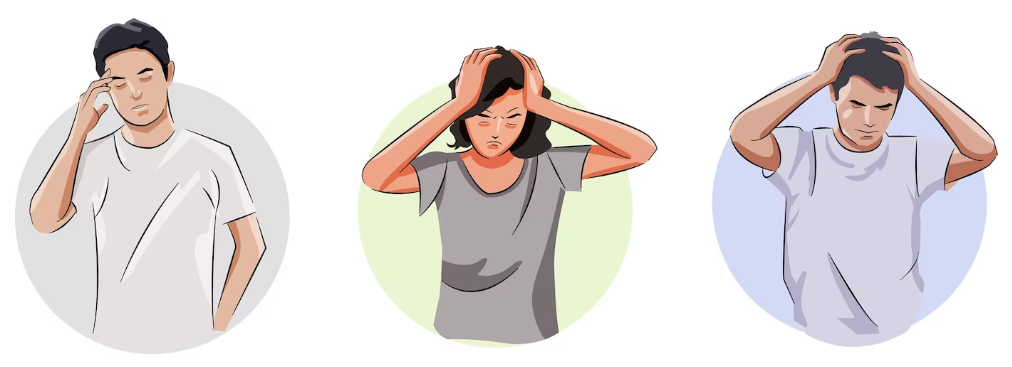
Common Causes and Contributing Factors
There are several well-recognized causes of chronic vertigo that are worth knowing about. The most common is Benign Paroxysmal Positional Vertigo, or BPPV. This occurs when tiny calcium crystals in the inner ear become dislodged and move into one of the ear’s fluid-filled canals, triggering a strong spinning sensation — often when you change head position. BPPV is one of the most treatable forms of vertigo.
Another frequent cause is vestibular neuritis or labyrinthitis — inflammation of the inner ear or the nerve connecting it to the brain, often following a viral infection. Meniere’s disease, which involves fluid pressure changes in the inner ear, is another recognized cause and is often associated with fluctuating hearing loss and a feeling of fullness in the ear.
What many people don’t realize is that the upper cervical spine — the top two vertebrae in the neck — plays a significant role in balance and spatial orientation. Cervicogenic vertigo, also called cervical vertigo, occurs when dysfunction or misalignment in the neck interferes with the signals your brain receives about your head and body’s position in space. This type of vertigo is particularly relevant to chiropractic care and is something Dr. Edward Carpenter evaluates carefully at Lexington Spinal Care.
Other contributing factors can include migraines, anxiety disorders, certain medications, poor posture, prolonged screen use, and even dehydration. For many patients, vertigo is multi-factorial — meaning more than one of these factors is contributing at the same time.
How Chronic Vertigo Affects Daily Life
Living with chronic vertigo can take a real toll — physically, emotionally, and socially. Simple tasks like driving, cooking, shopping, or even walking through a busy space can become overwhelming. Many patients describe a constant undercurrent of anxiety because they never quite know when a vertigo episode will strike. This unpredictability is one of the most challenging aspects of the condition.
Sleep is often disrupted as well. Lying down can sometimes trigger or worsen episodes, making it difficult to find a comfortable position and rest properly. Fatigue then compounds the symptoms, creating a frustrating cycle that’s hard to break.
Relationships and professional life can also be affected. Missing work, canceling plans, or needing help with basic tasks can lead to feelings of isolation and frustration. Here in Lexington, SC, many patients come to Lexington Spinal Care feeling worn down not just physically, but emotionally — and that’s completely understandable. Chronic vertigo deserves to be taken seriously, and compassionate, thorough care makes a real difference.
It’s also common for patients with chronic vertigo to develop a fear of falling, which can cause them to restrict their movement and become less active. Over time, reduced activity can actually worsen balance function, so managing this cycle early is important.
How Chiropractic Care Fits Into Vertigo Management
Chiropractic care isn’t a one-size-fits-all solution for vertigo, and at Lexington Spinal Care, we don’t approach it that way. What chiropractic care does offer is a non-invasive, drug-free option that addresses specific structural and neurological contributors to vertigo — particularly those involving the cervical spine.
The upper cervical spine houses the brainstem and is intimately connected to the vestibular system. Research suggests that spinal misalignments in this region can interfere with proprioceptive signals — the signals that tell your brain where your head and body are in space. When these signals are disrupted, the brain receives conflicting information, which can produce symptoms of dizziness or vertigo. Chiropractic adjustments aimed at the upper cervical region may help restore more accurate signaling and reduce these symptoms.
Dr. Edward Carpenter at Lexington Spinal Care takes a thorough approach to evaluating patients with vertigo. This includes a detailed health history, postural assessment, and evaluation of cervical mobility and joint function. For patients whose vertigo appears to have a cervicogenic component, gentle chiropractic adjustments may be incorporated as part of a broader care plan.
It’s also worth mentioning the Epley maneuver — a repositioning technique used specifically for BPPV that involves moving the head through a series of positions to guide displaced ear crystals back into the correct location. While this is not a chiropractic adjustment, some chiropractors are trained to perform this technique, and it has good evidence behind it for reducing BPPV symptoms. If you’re in the Lexington, SC area and suspect BPPV may be a factor, it’s worth discussing with our team during your visit.
Chiropractic care also supports overall musculoskeletal health, which matters for vertigo patients who tend to brace, guard, and hold tension in their necks and shoulders. Releasing that tension and improving joint mobility can reduce the sensory noise that contributes to dizziness and imbalance.
Practical Coping Strategies and Lifestyle Tips
Managing chronic vertigo goes beyond clinical treatment. Daily habits and lifestyle choices can make a meaningful difference in how often symptoms occur and how severe they are. Here are some well-established strategies that may help.
One of the most effective things you can do is stay hydrated. Dehydration affects blood volume and inner ear fluid balance, both of which can worsen vertigo. Aiming for consistent water intake throughout the day — rather than large amounts at once — is a helpful practice. Reducing sodium intake may also be beneficial, particularly for those with Meniere’s disease, since sodium can influence fluid retention in the inner ear.
Maintaining consistent sleep patterns is another important piece of the puzzle. Irregular sleep disrupts the vestibular system’s ability to recalibrate, and fatigue amplifies dizziness. Creating a calm sleep environment and keeping a consistent bedtime can support the body’s natural recovery processes.
Vestibular rehabilitation exercises, often guided by a physical therapist or chiropractor, are designed to gradually expose the balance system to challenging positions and movements in a controlled way. This process — called habituation — helps the brain adapt and reduce its exaggerated response to certain positions or movements. Evidence indicates that vestibular rehabilitation is one of the most effective non-pharmacological approaches for chronic vertigo.
Stress management also deserves mention. Anxiety and stress are known to amplify vertigo symptoms. Techniques like diaphragmatic breathing, gentle yoga, or mindfulness practices can help calm the nervous system and reduce the intensity of vertigo episodes. At Lexington Spinal Care, Dr. Edward Carpenter often discusses these lifestyle factors with patients because whole-body wellness is at the heart of chiropractic philosophy.

When to See a Chiropractor for Vertigo
Not every case of vertigo is appropriate for chiropractic care, and knowing the difference is important. Chiropractic evaluation may be a good fit if your vertigo is associated with neck pain or stiffness, if it worsens with certain head movements, if you’ve had a recent neck injury or whiplash, or if other approaches haven’t provided lasting relief.
If your vertigo came on suddenly after a head injury, is accompanied by severe headache, double vision, slurred speech, weakness in one side of the body, or difficulty walking, seek emergency medical care immediately. These may be signs of a more serious neurological event that requires prompt evaluation.
For vertigo that has been evaluated medically and does not have a dangerous underlying cause, chiropractic care is a reasonable conservative option to explore. Many patients in the Lexington, SC community find that working with Dr. Edward Carpenter alongside their primary care physician or neurologist gives them a well-rounded, collaborative approach to managing their symptoms.
Vertigo Triggers vs. Management Strategies
|
Common Trigger |
How It Contributes to Vertigo |
Helpful Management Strategy |
|---|---|---|
|
Dehydration |
Affects blood volume and inner ear fluid balance |
Consistent daily water intake; reduce sodium |
|
Poor posture / forward head posture |
Stresses the upper cervical spine and alters proprioception |
Postural correction; chiropractic care; ergonomic adjustments |
|
Stress and anxiety |
Heightens nervous system sensitivity and amplifies symptoms |
Diaphragmatic breathing, mindfulness, moderate exercise |
|
Sleep disruption |
Prevents vestibular recalibration; increases fatigue |
Consistent sleep schedule; calm sleep environment |
|
Rapid head movements |
Displaces inner ear crystals (in BPPV) or overloads vestibular system |
Vestibular rehabilitation; slow deliberate movements; Epley maneuver |
|
Prolonged screen time |
Creates visual-vestibular conflict; strains cervical muscles |
Regular screen breaks; eye level monitor positioning; neck stretches |
Myths vs. Facts About Chronic Vertigo
Myth: Vertigo is just a fear of heights.
Fact: Vertigo and acrophobia (fear of heights) are two different things. Vertigo is a physiological sensation of spinning or movement caused by dysfunction in the vestibular or nervous system. It can happen at ground level, in bed, or even while sitting in a chair — heights have nothing to do with it.
Myth: There’s nothing you can do for chronic vertigo — you just have to live with it.
Fact: While chronic vertigo can be persistent, it is rarely untreatable. Many patients experience significant improvement through vestibular rehabilitation, chiropractic care, lifestyle modifications, and appropriate medical management. The key is identifying the underlying cause and addressing it systematically. At Lexington Spinal Care, we’ve seen many patients make meaningful progress once a proper evaluation was completed.
Myth: Chiropractic adjustments are not safe for people with vertigo.
Fact: For most patients with cervicogenic or mechanical vertigo, chiropractic care is a safe and gentle option when performed by a qualified provider. Dr. Edward Carpenter tailors his approach based on each patient’s unique presentation, using only techniques appropriate to their condition and health history. A thorough evaluation always comes before any treatment.
Myth: Vertigo always means something is seriously wrong with your brain.
Fact: The majority of vertigo cases are caused by inner ear dysfunction or cervical spine issues — not brain disease. Conditions like BPPV are very common and highly treatable. That said, it’s always a good idea to have unexplained vertigo properly evaluated so that more serious causes can be appropriately ruled out.
Myth: If you have vertigo, you should avoid all movement and stay in bed.
Fact: For many types of vertigo, prolonged rest and movement avoidance can actually make things worse over time. The brain adapts through exposure, not avoidance. Structured vestibular exercises, guided activity, and gradual movement challenges are often central components of effective vertigo management.
Final Thoughts from Lexington Spinal Care
Living with chronic vertigo is genuinely hard, and it’s okay to acknowledge that. The spinning, the nausea, the uncertainty, the exhaustion — these are real and valid experiences. But chronic vertigo doesn’t have to define your daily life, and you don’t have to navigate it alone.
Here at Lexington Spinal Care in Lexington, SC, Dr. Edward Carpenter is committed to helping patients understand their symptoms, identify the contributing factors, and build a practical path forward. Our approach is thorough, compassionate, and always centered on what’s best for you as an individual. We believe in working alongside your other healthcare providers to ensure you have the most comprehensive support possible.
If you’ve been struggling with dizziness, balance issues, or vertigo — and you haven’t yet explored what chiropractic evaluation might reveal — we’d love to be part of your journey toward feeling steadier and more confident in your daily life. You deserve care that takes you seriously, and that’s exactly what our team at Lexington Spinal Care strives to provide every day.
Frequently Asked Questions
Can a chiropractor help with vertigo?
Chiropractic care may help with certain types of vertigo, particularly cervicogenic vertigo caused by dysfunction in the upper cervical spine. Dr. Edward Carpenter at Lexington Spinal Care conducts a thorough evaluation to determine whether chiropractic care is appropriate for each patient’s specific situation. It is generally considered a safe, conservative option for eligible patients.
How long does chronic vertigo last?
The duration of chronic vertigo depends on the underlying cause. Some forms, like BPPV, can resolve relatively quickly with appropriate treatment. Others, such as Meniere’s disease, may require long-term management. Early evaluation and treatment are generally associated with better outcomes.
Is vertigo a sign of something serious?
Most cases of vertigo are caused by inner ear issues or cervical spine problems and are not dangerous. However, vertigo accompanied by sudden severe headache, weakness on one side of the body, slurred speech, or vision changes should be treated as a medical emergency. Always get new or unexplained vertigo evaluated by a healthcare professional.
What is the best sleeping position for vertigo?
Many vertigo sufferers find it helpful to sleep with their head slightly elevated and to avoid sleeping on the affected side (particularly with BPPV). Moving slowly when getting in and out of bed can also help reduce positional triggers. Your care provider can offer personalized guidance based on your specific type of vertigo.
Can posture affect vertigo?
Yes. Poor posture — especially forward head posture — places added stress on the upper cervical spine, which is closely connected to the balance system. Correcting postural imbalances through chiropractic care and targeted exercises may help reduce the frequency and severity of vertigo episodes over time.
Does stress make vertigo worse?
Stress and anxiety are well-recognized amplifiers of vestibular symptoms. The nervous system’s heightened state of alert during stress can increase sensitivity to imbalance signals and worsen the perception of vertigo. Stress management strategies are often a helpful complement to other vertigo treatments.
TL;DR Summary
-
Chronic vertigo is a persistent or recurring sensation of spinning or imbalance caused by inner ear dysfunction, upper cervical spine issues, or other factors — and it’s a symptom, not a standalone diagnosis.
-
Common causes include BPPV, vestibular neuritis, Meniere’s disease, and cervicogenic vertigo, with many cases involving multiple contributing factors.
-
Chiropractic care, particularly focused on the upper cervical spine, may be a valuable non-invasive option for patients whose vertigo has a mechanical or postural component.
-
Lifestyle strategies like consistent hydration, sleep hygiene, stress reduction, and vestibular rehabilitation exercises can meaningfully support vertigo management.
-
At Lexington Spinal Care in Lexington, SC, Dr. Edward Carpenter offers thorough, individualized evaluation and compassionate care for patients living with chronic vertigo.