
If you’ve ever felt a sharp, burning pain on the outside of your elbow — especially after gripping, lifting, or even turning a doorknob — you already know how disruptive it can be. Tennis elbow is one of those conditions that starts as a minor nuisance and can quickly escalate into something that affects nearly everything you do with your hands and arms. Here at Lexington Spinal Care in Lexington, SC, Dr. Edward Carpenter works with patients dealing with this exact kind of pain on a regular basis. The good news? Tennis elbow is very well understood, and with the right conservative care approach, most people find real, lasting relief without surgery or medication.
What Exactly Is Tennis Elbow?
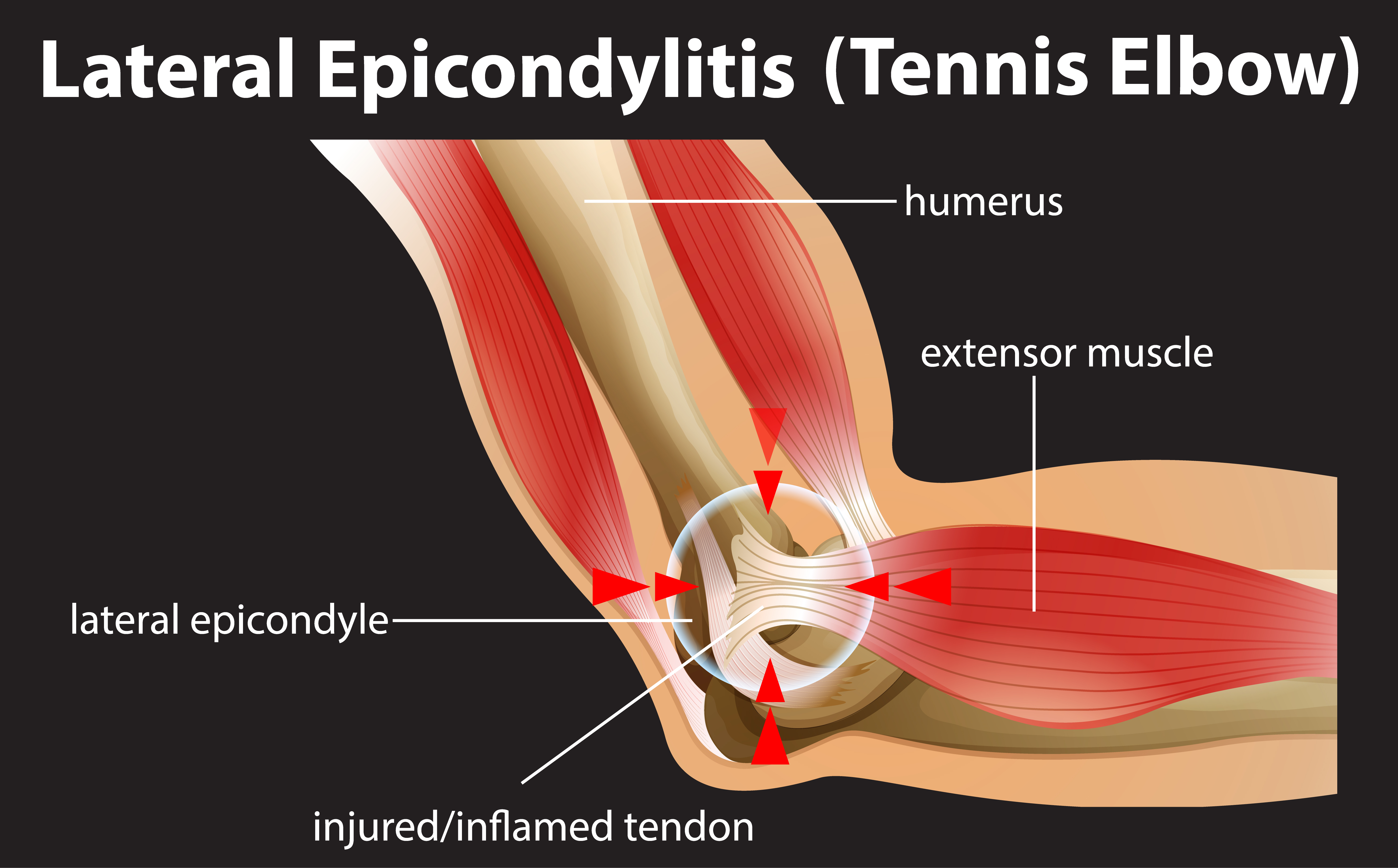
Tennis elbow (lateral epicondylitis) is an overuse injury affecting the tendons that attach to the outside of the elbow. It develops when the forearm muscles and tendons become irritated and inflamed from repetitive motions. Despite the name, you absolutely do not have to play tennis to develop it — in fact, most people who come into Lexington Spinal Care with this condition have never picked up a racket in their lives.
What Causes Tennis Elbow?
Tennis elbow develops primarily from repetitive strain — the kind that happens when the same motion is performed over and over again without adequate rest or recovery. The tendons that connect your forearm extensor muscles to the lateral epicondyle (the bony bump on the outside of your elbow) are put under significant stress with gripping, twisting, and lifting activities.
Over time, small micro-tears can develop in these tendons. When the body can’t repair those tears fast enough — because the activity keeps repeating — inflammation sets in, and that’s when the pain begins. It’s a slow build-up rather than a sudden injury in most cases.
Here in Lexington, SC, we see tennis elbow in a wide range of people. Common occupations and activities that contribute to the condition include carpentry, painting, plumbing, cooking, computer work, and yes — racket sports like tennis or pickleball, which has seen a huge surge in popularity in our area. Even activities like gardening or using hand tools around the house can be enough to trigger it in someone whose tendons are already under stress.
Age is also a factor. Tennis elbow is most common in adults between the ages of 30 and 50, though it can certainly affect people outside that range. As we age, our tendons lose a little of their elasticity and resilience, making them more susceptible to overuse injuries.
Signs and Symptoms to Watch For
One of the most important things Dr. Edward Carpenter emphasizes when evaluating patients at Lexington Spinal Care is that not all elbow pain is tennis elbow. Identifying the specific pattern of your symptoms helps ensure you’re getting the right care for the right problem.
The hallmark sign of tennis elbow is pain and tenderness on the outer part of the elbow. This pain often radiates down the forearm toward the wrist. It tends to be worse during or after activities that involve gripping, squeezing, or twisting motions. Many patients describe a burning or aching sensation that can linger even at rest once the condition becomes more established.
Common everyday activities that typically aggravate tennis elbow include shaking hands, turning a key or doorknob, lifting a coffee cup, using a computer mouse, or carrying a bag of groceries. In more advanced cases, even light tasks can become painful and frustrating.
Weakness in the forearm or difficulty holding objects is also common. Some people notice their grip strength has decreased noticeably. If you’re experiencing any combination of these symptoms and live in or around Lexington, SC, it’s worth getting a proper evaluation rather than waiting it out.
|
Symptom or Activity |
Tennis Elbow (Lateral) |
Golfer’s Elbow (Medial) |
|---|---|---|
|
Pain location |
Outside of the elbow |
Inside of the elbow |
|
Radiating pain direction |
Down the outer forearm |
Down the inner forearm |
|
Aggravated by |
Gripping, lifting, wrist extension |
Gripping, wrist flexion, throwing |
|
Muscles affected |
Forearm extensor muscles |
Forearm flexor muscles |
|
Common in |
Painters, carpenters, office workers, racket sport players |
Golfers, baseball players, climbers |
|
Typical onset |
Gradual from repetitive activity |
Gradual from repetitive activity |
How Chiropractic Care Can Help with Tennis Elbow
A lot of people are surprised to learn that chiropractic care can be highly relevant for something like tennis elbow. They associate chiropractic treatment with back and neck pain — and while that’s certainly a large part of what we do at Lexington Spinal Care, the scope of chiropractic care extends meaningfully into the arms, elbows, wrists, and hands.
Dr. Edward Carpenter takes a whole-body approach when evaluating and treating tennis elbow. That means looking not just at the elbow itself, but at the mechanics of the entire upper extremity — including the wrist, shoulder, and even the neck and upper spine. This matters because nerve irritation in the cervical spine (neck) can sometimes contribute to or mimic symptoms in the arm and elbow. Addressing those underlying issues can be an important part of a complete recovery.
Chiropractic adjustments to the elbow, wrist, and surrounding joints can help restore proper alignment and movement. When joints aren’t moving as they should, the surrounding soft tissues — tendons, muscles, and ligaments — compensate and experience increased strain. By improving joint mobility, chiropractic care helps take unnecessary stress off the already-irritated tendons.
In addition to joint manipulation, chiropractors may use soft tissue therapy techniques to address the muscle tension and adhesions that develop around the elbow with tennis elbow. Targeted soft tissue work can help break up scar tissue, improve blood flow to the affected tendon, and reduce pain and stiffness. Research suggests that conservative manual therapies can support tendon healing and functional recovery when applied appropriately.
Rehabilitation exercises are another cornerstone of chiropractic care for tennis elbow. Guided stretching and eccentric strengthening exercises for the forearm muscles are well-supported by evidence as an effective approach to tendon rehabilitation. At Lexington Spinal Care, Dr. Edward Carpenter integrates these types of functional recommendations into the care plan so that patients are supported between appointments as well.
Practical Tips for Managing Tennis Elbow
While professional care is important, there are steps you can take at home and in your daily routine to support your recovery and prevent tennis elbow from worsening. These recommendations align well with what Dr. Edward Carpenter advises patients here in Lexington, SC.
First, take activity modification seriously. This doesn’t mean stopping all activity — it means reducing or temporarily changing the motions that aggravate your symptoms. If a specific repetitive task at work or home is contributing to your pain, explore whether you can adjust your technique, take more frequent breaks, or share the load differently.
Pay close attention to your ergonomic setup if you work at a computer. Mouse position, keyboard height, and wrist posture all influence forearm muscle tension over the course of a workday. A simple ergonomic adjustment — like using a vertical mouse or ensuring your elbows are at a 90-degree angle — can meaningfully reduce strain on the forearm extensors.
Gentle forearm stretching throughout the day can also be helpful once your pain is not severe. Extending your arm out straight, bending the wrist downward gently, and holding for 20-30 seconds is a classic stretch that targets the muscles involved in tennis elbow. Always check with your chiropractor before beginning any stretching program to ensure it’s appropriate for your stage of recovery.
Ice applied to the outside of the elbow for 10-15 minutes after activity can help manage inflammation and discomfort. Avoid heat during the acute phase of the injury, as it can increase swelling. Finally, give your body the rest it needs. Tendons heal slowly, and trying to push through pain typically delays recovery rather than helping it.
When to See a Chiropractor for Tennis Elbow
If your elbow pain has lasted more than a couple of weeks and isn’t improving with rest and basic self-care, that’s a strong signal it’s time to get a professional evaluation. Tennis elbow doesn’t tend to resolve on its own once it becomes established — the repetitive nature of most people’s daily activities means the tendon rarely gets the uninterrupted rest it needs to fully heal without some form of structured support.
You should also consider seeking care sooner rather than later if your pain is interfering with work, sleep, or everyday activities. The longer lateral epicondylitis goes unaddressed, the more the surrounding muscles can tighten and compensate, which can complicate recovery over time.
There are some red flags that would warrant referral to a medical physician rather than chiropractic care alone. These include severe swelling or bruising around the elbow, loss of elbow range of motion, tingling or numbness that extends into the fingers, signs of infection, or pain that is worsening rapidly without explanation. Dr. Edward Carpenter and the team at Lexington Spinal Care are committed to ensuring every patient receives the most appropriate level of care — including referral when that’s what’s needed.
Myths vs. Facts About Tennis Elbow
Myth: You have to play tennis to get tennis elbow.
Fact: Tennis elbow gets its name from the activity that originally drew attention to it, but the overwhelming majority of people who develop lateral epicondylitis have never played tennis. It’s an overuse injury that can result from any repetitive gripping or forearm activity — painting, typing, cooking, and even scrolling on a phone can contribute to it.
Myth: Rest alone will cure tennis elbow.
Fact: While relative rest is an important part of managing tennis elbow, simply stopping activity is rarely enough to fully resolve the condition. Tendons that have developed micro-tears and chronic irritation typically need targeted rehabilitation — including eccentric exercises and manual therapy — to heal properly. Without that, many people find the pain returns as soon as they resume normal activities.
Myth: Chiropractic care is only for back and neck pain.
Fact: Chiropractors are trained to evaluate and manage musculoskeletal conditions throughout the entire body, including the elbows, wrists, shoulders, hips, and knees. At Lexington Spinal Care, Dr. Edward Carpenter regularly treats upper extremity conditions like tennis elbow as part of a comprehensive conservative care approach.
Myth: Tennis elbow will always require surgery to fix.
Fact: Surgery for tennis elbow is actually quite rare and is generally considered only when conservative treatments have been consistently tried for an extended period without success. The vast majority of people with tennis elbow — well over 90 percent by most estimates — recover fully with conservative, non-surgical care including physical rehabilitation, manual therapy, and activity modification.
Myth: Steroid injections are the best first-line treatment.
Fact: Corticosteroid injections may provide short-term pain relief, but evidence suggests they don’t necessarily improve long-term outcomes and may actually interfere with tendon healing in some cases. Many clinical guidelines now recommend conservative approaches like exercise therapy and manual treatment as preferred first-line options for tennis elbow.
Final Thoughts from Lexington Spinal Care
Tennis elbow is genuinely one of those conditions where early, appropriate care makes a big difference in how quickly and completely someone recovers. It can feel discouraging when something as simple as lifting a cup of coffee becomes painful — but this is a very manageable condition with the right support.
Here at Lexington Spinal Care in Lexington, SC, Dr. Edward Carpenter takes the time to understand each patient’s unique situation — their work demands, their daily habits, their activity levels — before developing a care plan. The goal is never just to reduce your pain in the short term. It’s to help you understand why it happened, address the root causes, and give you the tools to stay active and comfortable for the long haul.
If you’re living with elbow pain and you’re not sure where to turn, know that chiropractic care is a safe, non-invasive, and evidence-supported option worth exploring. The community here in Lexington, SC deserves accessible, honest, conservative healthcare — and that’s exactly what we strive to provide every single day.
Frequently Asked Questions About Tennis Elbow
How long does tennis elbow take to heal?
Recovery time varies depending on how long the condition has been present and how consistently treatment is followed. Mild to moderate cases often improve significantly within a few weeks to a few months with appropriate conservative care. More chronic cases may take longer, which is why early intervention tends to produce better outcomes.
Can a chiropractor treat tennis elbow without adjusting the elbow directly?
Yes. Chiropractic care for tennis elbow often includes soft tissue work, rehabilitation exercises, and addressing contributing factors in the neck and shoulder — not just the elbow joint itself. Dr. Edward Carpenter tailors each treatment plan to the individual patient’s comfort level and clinical findings.
Is tennis elbow the same as a repetitive strain injury (RSI)?
Tennis elbow is a specific type of repetitive strain injury that affects the lateral elbow tendons. The broader category of RSI includes many different overuse conditions throughout the body. Lateral epicondylitis is one of the most commonly diagnosed RSIs among working-age adults.
Should I wear an elbow brace for tennis elbow?
A counterforce brace or forearm strap is sometimes recommended during activity to reduce the load on the affected tendon. While a brace can provide helpful symptomatic relief, it works best as part of a broader treatment plan rather than as a standalone solution. Ask your chiropractor whether a brace makes sense for your specific situation.
Can tennis elbow affect both arms?
Yes, it’s possible to develop tennis elbow in both arms, though it’s more common on the dominant side. Bilateral cases are more likely in people whose work or activities place equal repetitive demand on both arms. Each side should be evaluated and treated based on its own presentation.
Is it okay to exercise with tennis elbow?
Certain types of exercise — particularly targeted eccentric strengthening — are actually a key part of tennis elbow rehabilitation. However, activities that aggravate the tendon should be modified or avoided during the recovery phase. Always get guidance from a qualified provider like Dr. Edward Carpenter before starting or continuing an exercise routine while managing tennis elbow.
TL;DR — Key Takeaways
-
Tennis elbow (lateral epicondylitis) is an overuse injury affecting the tendons on the outside of the elbow, caused by repetitive gripping and forearm motions — not just racket sports.
-
Symptoms include outer elbow pain, forearm achiness, and weakness with gripping, and they often worsen with everyday activities like lifting or turning objects.
-
Chiropractic care can address tennis elbow through joint mobilization, soft tissue therapy, and guided rehabilitation exercises targeting the affected tendons and surrounding structures.
-
Most people recover fully from tennis elbow with conservative, non-surgical care when they start treatment early and follow through with rehabilitation.
-
If elbow pain has lasted more than two weeks or is affecting your daily life, it’s time to get evaluated — Dr. Edward Carpenter and the team at Lexington Spinal Care in Lexington, SC are here to help.