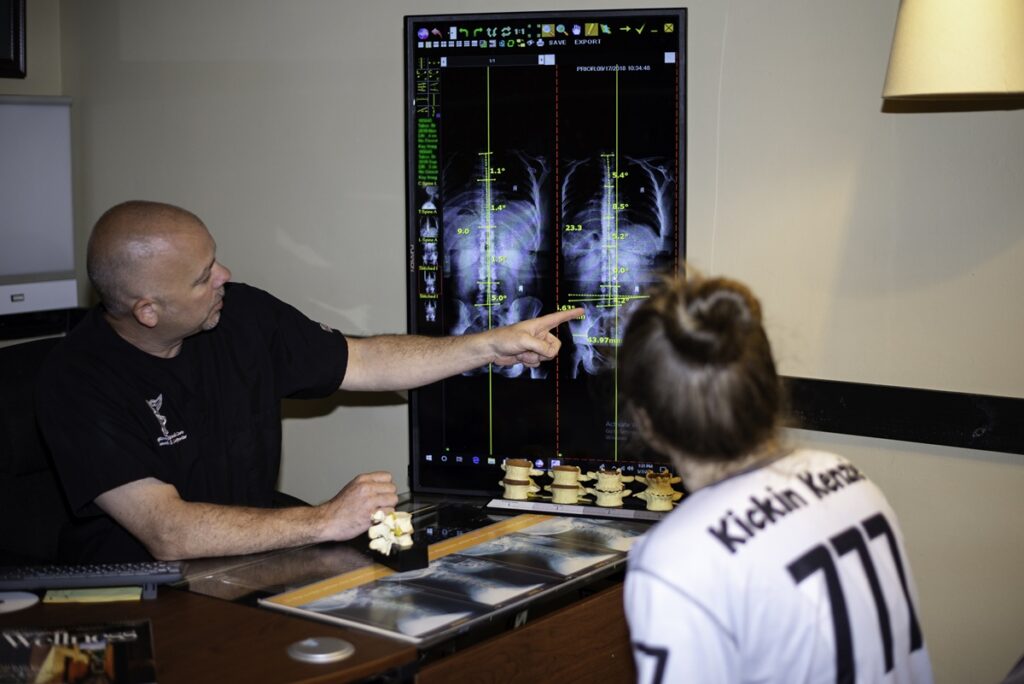
When it comes to recovering from whiplash, embracing a holistic care strategy is essential. This means considering both your physical health and emotional well-being throughout the healing process. As a chiropractor, I believe that chiropractic care is one of the most effective ways to promote natural healing and relieve pain associated with whiplash.
A combination of chiropractic adjustments, targeted rehabilitation exercises, and natural pain management techniques can significantly enhance your recovery. Chiropractic adjustments help realign the spine and reduce tension in the muscles, which is crucial for alleviating pain and restoring proper function. You might also benefit from personalized exercises that strengthen your neck and improve mobility, making everyday activities easier.
To ensure a smooth recovery, here are a few tips to keep in mind:
- Stay Active: Engage in gentle movements and stretches recommended by your chiropractor to maintain flexibility without overexerting yourself.
- Ice and Heat Therapy: Use ice packs to reduce inflammation and heat packs to relax tense muscles. Alternating between the two can provide relief and promote healing.
- Posture Awareness: Pay attention to your posture, especially while sitting or working at a desk. Good posture can help reduce strain on your neck and spine.
- Stay Hydrated: Drinking plenty of water supports overall health and helps keep your muscles hydrated and functioning properly.
- Listen to Your Body: If you feel pain or discomfort, don’t push through it. Communicate with your chiropractor about your symptoms to adjust your care plan accordingly.
By prioritizing chiropractic care and incorporating these simple strategies, you can take charge of your recovery and work towards optimal health in a natural and effective way. Remember, the journey to recovery is a process, and with the right approach, you can feel better and regain your quality of life.
Key Takeaways
- Begin your recovery journey with gentle stretches and light exercises recommended by your chiropractor. These activities are essential for maintaining flexibility and preventing stiffness in your neck as you heal.
- Start with ice therapy to reduce any swelling and pain. As you progress in your recovery, transition to heat therapy to soothe tight muscles and promote relaxation.
- Schedule regular follow-ups with your chiropractor to monitor your healing progress. These sessions are crucial for adjusting your rehabilitation plan to ensure you’re on the right path to recovery.
- Focus on maintaining good posture throughout your daily activities. Proper posture helps alleviate strain on your neck and supports your overall healing process.
- Incorporate chiropractic adjustments into your recovery plan. These adjustments not only help realign your spine but also play a vital role in reducing discomfort and enhancing your body’s natural healing abilities.
By embracing these strategies, you can support your recovery from whiplash while prioritizing natural wellness through chiropractic care. Remember, taking control of your health is the best way to achieve lasting relief and wellness!
Understanding Whiplash Injuries
When you experience a whiplash injury, your neck undergoes a sudden jerking motion, often caused by a car accident or a fall. This rapid movement can strain or sprain the muscles and ligaments in your neck, leading to discomfort and complications. Understanding how whiplash works is essential for your recovery, and chiropractic care can play a significant role in your healing journey.
During a whiplash injury, your head moves quickly forward and then backward, which can cause the cervical spine to move beyond its normal range. This may lead to inflammation and pain in the affected areas. It’s important to recognize that you mightn’t feel symptoms right away—sometimes they can take hours or even days to appear. Being aware of this delay can help you seek timely care.
Chiropractic care is an excellent option for addressing the pain and discomfort associated with whiplash. A chiropractor can help restore proper alignment to your spine, reduce inflammation, and alleviate pain through gentle adjustments. Early intervention through chiropractic care can mitigate long-term damage and promote natural healing.
In addition to chiropractic treatments, there are some general tips you can follow to support your recovery:
- Gentle Movement: Engage in light stretches and gentle movements to keep your neck mobile, but be sure to avoid any activities that cause pain.
- Ice Therapy: Apply ice packs to the affected area for 15-20 minutes at a time to help reduce inflammation and numb the pain.
- Stay Hydrated: Drinking plenty of water can aid in the healing process and keep your muscles hydrated.
- Good Posture: Maintain good posture while sitting or standing to help reduce strain on your neck.
By focusing on these natural methods and prioritizing chiropractic care, you can take proactive steps towards a healthier, pain-free life. Remember, understanding how whiplash affects your body is fundamental in steering your healing journey.
Embrace the power of natural healing and give your body the support it needs to recover effectively.
Common Symptoms of Whiplash
Whiplash can bring about a range of symptoms that vary in intensity and duration, and it’s important to understand these to find the best path to recovery. One of the most common complaints is neck pain and stiffness, which can feel anything from a dull ache to sharp pain, especially when moving your head. This discomfort is your body’s way of signaling that something isn’t quite right, and addressing it early can lead to better outcomes.
Headaches often accompany neck pain, usually starting at the base of your skull. These can be bothersome, and it’s not uncommon to also experience difficulty concentrating or memory problems, which can add to your frustration.
Additionally, some individuals may notice tingling or numbness in their arms, indicating that nerves may be affected. Fatigue can also set in, making daily activities feel like a challenge. Dizziness or balance issues may occur as well, complicating your recovery process.
Recognizing these symptoms early is crucial, as it can help you seek the appropriate chiropractic care that focuses on natural healing and overall wellness. Chiropractic adjustments can be highly effective in relieving neck pain and restoring function, allowing your body to heal without the need for medications or invasive procedures.
Here are a few tips to help you manage symptoms at home while you seek chiropractic care:
- Gentle Stretching: Incorporate gentle neck stretches to improve flexibility and reduce stiffness.
- Ice Therapy: Apply ice packs to the affected area for 15-20 minutes at a time to reduce inflammation and numb pain.
- Stay Hydrated: Drink plenty of water to help keep your body hydrated, which is essential for healing.
- Rest: Give your body time to recover by ensuring you get adequate rest and not overexerting yourself.
- Posture Awareness: Pay attention to your posture, especially when sitting or using your phone, to avoid additional strain on your neck.
Listening to your body and addressing these symptoms promptly with chiropractic care is the best way to return to optimal health naturally. Remember, you don’t have to navigate this alone; a chiropractor can provide tailored treatment to help you recover effectively.
Initial Assessment and Diagnosis
When you suspect whiplash, the initial assessment is crucial for a smooth and effective recovery. As a chiropractor, I believe that understanding your symptoms and getting a thorough evaluation is the first step towards healing naturally. During this process, we’ll identify any discomfort you may be experiencing, and I may suggest specific imaging and testing to get a clear picture of your condition.
Your clinical history plays an important role as well. By discussing your past health and any previous injuries, we can tailor an individualized plan that aligns with your unique needs. This holistic approach ensures that we not only address the immediate pain but also work towards your overall wellness.
Here are some general tips to help you manage whiplash symptoms while you seek chiropractic care:
- Apply ice or heat to the affected area to reduce inflammation and relieve pain.
- Practice gentle neck stretches to maintain mobility, but be sure to do them slowly and carefully.
- Stay hydrated and maintain a balanced diet to support your body’s healing process.
- Consider integrating relaxation techniques, such as deep breathing or meditation, to help manage stress and tension.
Chiropractic care is an excellent choice for promoting natural healing and restoring your body’s balance. With the right assessment and care, you can achieve optimal health and get back to living your life fully.
Symptoms Identification Techniques
How can you accurately identify the symptoms of whiplash during an initial assessment? Start by reflecting on any recent neck injuries you may have experienced.
Think about how the injury happened, when the pain started, and how long you’ve been feeling discomfort. Common symptoms to look out for include neck stiffness, headaches, and tenderness in the neck area.
As part of your self-assessment, check your range of motion. Gently try turning your head from side to side and tilting it forward and backward.
Take note of any pain or discomfort during these movements. Additionally, keep an eye out for other symptoms that can accompany whiplash, such as dizziness, fatigue, or trouble concentrating.
Documenting your observations is crucial, as it helps in understanding the severity of your condition and can guide your journey towards recovery.
Remember, early identification of symptoms is key to effective recovery strategies.
Chiropractic care is an excellent choice for addressing whiplash and promoting natural healing. A chiropractor can help restore your spinal alignment and improve your overall health, leading to effective pain relief and better wellness.
Imaging and Testing Methods
During your initial assessment for whiplash, understanding the right imaging and testing methods is crucial in determining the extent of your injuries and guiding your path to recovery. These methods help reveal any underlying issues and ensure a holistic approach to your healing.
Here are some common techniques you might encounter, along with insights on how chiropractic care plays a vital role in your recovery:
- X-rays: These are often the first step to rule out any fractures or dislocations in the cervical spine. While they provide essential information, a chiropractor can interpret these results to help identify how your spine’s alignment may be affecting your overall health.
- MRI: This imaging technique gives detailed pictures of soft tissues, such as muscles and ligaments. If there are any tears or inflammation, a chiropractor can employ gentle adjustments and techniques to promote healing and restore balance in your body.
- CT scans: These scans offer a more comprehensive view of your spine and can uncover subtle fractures that X-rays might miss. Understanding these nuances allows your chiropractor to create a tailored treatment plan focusing on natural recovery.
- Ultrasound: This non-invasive method helps examine soft tissue injuries and track your healing over time. A chiropractor can use the information from ultrasound findings to guide effective treatment strategies that support your body’s natural healing processes.
These imaging and testing tools are essential for creating a personalized recovery strategy that emphasizes natural healing and optimal health through chiropractic care.
General Tips for Managing Whiplash:
- Stay active: Gentle movements and stretches can help maintain flexibility.
- Apply heat or ice: These can reduce pain and inflammation.
- Focus on posture: Maintaining good posture can alleviate pressure on your spine.
- Stay hydrated: Drinking plenty of water supports overall health and healing.
Clinical History Evaluation
Understanding your clinical history is crucial for an effective initial assessment and diagnosis of whiplash, and as your local chiropractor, I’m here to help guide you through this process. During your evaluation, I’ll ask you about how the injury occurred and the symptoms you’re experiencing.
It’s important to share when the pain began, its intensity, and how it impacts your daily life. This context helps me create a personalized recovery plan that suits your needs.
Be ready to discuss any past neck injuries or medical conditions you may have experienced, as well as any treatments you’ve undergone. This information is vital for understanding your unique situation and tailoring a chiropractic approach that promotes healing and wellness.
Additionally, I encourage you to keep track of any supplements or over-the-counter remedies you’re using. While I focus on natural healing through chiropractic care, it’s beneficial to know what else you might be incorporating into your routine.
A thorough clinical history lays the groundwork for your recovery strategy. Remember, chiropractic care not only addresses pain relief but also enhances overall wellness.
For those dealing with whiplash, gentle spinal adjustments can significantly improve your mobility and reduce pain.
Here are some general tips to support your recovery:
- Practice good posture: Keeping your spine aligned can help alleviate stress on your neck.
- Stay active: Engage in gentle stretching and low-impact exercises to promote healing.
- Use ice or heat: Applying ice packs or warm compresses can soothe discomfort and reduce inflammation.
- Stay hydrated: Drinking plenty of water supports overall health and recovery.
Immediate Care Techniques
When you experience whiplash, seeking proper care is essential for a smooth recovery. The steps you take right after the injury can significantly influence your healing journey. Here are four immediate care techniques to consider:
- Apply Ice: Using an ice pack on the affected area for 15-20 minutes every hour can be beneficial. It helps reduce swelling and numbs the pain, making you feel more comfortable as you start to heal.
- Rest: Allow your body to take a break for the first couple of days. Limiting your activities gives your body the opportunity to recover without added strain, which is crucial for healing.
- Gentle Movement: While rest is important, incorporating light movements can help prevent stiffness. Simple neck rotations or gentle stretches can maintain mobility without overexerting yourself.
- Consider Chiropractic Care: Visiting a chiropractor can provide targeted support for your recovery. Chiropractic adjustments can help align your spine and relieve tension in your muscles, promoting natural healing and reducing pain without the need for medications or invasive procedures.
By implementing these techniques and considering chiropractic care, you can manage your symptoms effectively and promote a healthier recovery process.
Physical Therapy Approaches
After addressing immediate care techniques, let’s delve into how chiropractic care can significantly aid in your whiplash recovery. Chiropractic adjustments are designed to restore proper alignment and function to your spine, which can help alleviate pain and enhance mobility in your neck and shoulders.
A skilled chiropractor will create a personalized program that focuses on spinal adjustments, stretching, and exercises tailored to your needs. You may begin with gentle spinal adjustments to relieve stiffness and gradually progress to exercises that strengthen the muscles supporting your neck.
The use of manual therapy techniques can also help reduce pain and improve your overall function. Your chiropractor might recommend natural therapies such as heat or cold therapy to further promote healing.
Consistency is crucial, so attending your chiropractic sessions regularly and practicing recommended exercises at home can have a tremendous impact on your healing journey. Remember, your active participation is vital for achieving the best possible recovery.
With commitment and the right chiropractic approach, you’ll be well on your way to regaining full function and comfort naturally. As you embark on your healing journey, consider incorporating good posture habits into your daily routine and staying active with low-impact activities, which can further support your recovery and overall wellness.
Embracing chiropractic care is a proactive step towards achieving optimal health and well-being.
Pain Management Options
When dealing with whiplash, it’s crucial to explore natural pain management strategies that not only alleviate discomfort but also promote healing. As a chiropractor, I believe that chiropractic care is one of the best ways to support your body’s recovery. Here are some effective options you can consider:
- Chiropractic Adjustments: Visiting a chiropractor can help realign your spine and neck, reducing pain and improving mobility. These adjustments can relieve pressure on nerves and promote healing in your muscles and joints.
- Heat or Cold Therapy: Applying heat can relax tight muscles, while cold packs can reduce swelling and numb sharp pain. Alternating between the two can be particularly beneficial. Use heat before your chiropractic appointment to relax your muscles, and cold afterward to reduce inflammation.
- Gentle Stretching Exercises: Incorporating light stretches, as guided by your chiropractor, can enhance mobility and reduce stiffness. Focus on gentle neck and shoulder stretches to aid your recovery without overexerting yourself.
- Mindfulness and Relaxation Techniques: Techniques like deep breathing, meditation, or even gentle yoga can help manage pain perception and reduce stress. A relaxed mind supports a relaxed body, promoting a better healing environment.
Remember, the journey to recovery is unique for everyone. It’s essential to consult with your chiropractor to create a tailored pain management plan that suits your specific needs.
The Role of Chiropractic Care
When recovering from whiplash, chiropractic care is an invaluable tool for restoring your spinal alignment and overall wellness. Our approach focuses on gentle, targeted techniques that not only alleviate your pain but also enhance your mobility.
By prioritizing chiropractic care, you can embark on a natural healing journey that promotes your body’s innate ability to heal itself. Understanding the benefits of chiropractic care empowers you to take control of your recovery.
Regular adjustments help to realign the spine, reducing tension and inflammation, which can lead to significant pain relief. Additionally, chiropractic care can improve your range of motion, allowing you to return to your daily activities more comfortably.
Here are some simple tips to support your recovery at home:
- Maintain Good Posture: Be mindful of your posture whether you’re sitting, standing, or sleeping. Proper alignment can reduce strain on your neck and back.
- Stay Active: Engage in gentle stretches and light exercises as recommended by your chiropractor. This can help to keep your muscles flexible and strong.
- Apply Heat or Ice: Using heat or cold packs can provide temporary relief from discomfort. Heat can relax tight muscles, while ice can reduce inflammation.
- Hydrate: Drinking plenty of water supports overall health and helps maintain the elasticity of your spinal discs.
- Listen to Your Body: Pay attention to how your body feels and don’t hesitate to reach out to your chiropractor if you notice any changes or if pain persists.
By choosing chiropractic care, you’re opting for a natural, holistic approach to healing that prioritizes your body’s well-being.
Together, we can work towards achieving optimal health and a pain-free life. Your journey to recovery starts with a simple choice—embracing the power of chiropractic care.
Spinal Alignment Benefits
Chiropractic care is a vital approach to restoring spinal alignment, which can significantly aid your recovery from whiplash. When your spine is properly aligned, it alleviates pressure on surrounding muscles and nerves, allowing you to regain both mobility and comfort.
Here are some key benefits of chiropractic adjustments that can help you experience better health and wellness:
- Improved Range of Motion: You’ll likely notice that your neck and shoulders become more flexible, making everyday activities easier.
- Reduced Muscle Tension: By relieving tightness in your muscles, chiropractic care can help you feel more relaxed and at ease throughout your day.
- Enhanced Nervous System Function: Proper spinal alignment is crucial for optimal communication between your brain and body, leading to improved overall health.
- Faster Recovery: Regular chiropractic adjustments can speed up your healing process after an injury, helping you get back to your normal activities quicker.
Tips for Optimal Spinal Health:
- Maintain Good Posture: Be mindful of your posture when sitting, standing, or using electronic devices. Good posture helps prevent misalignments.
- Stay Active: Engage in regular physical activity to strengthen your muscles and support spinal health.
- Stretch Regularly: Incorporate gentle stretching into your daily routine to keep your muscles flexible and reduce tension.
- Stay Hydrated: Drink plenty of water to keep your spinal discs healthy and functioning properly.
By prioritizing chiropractic care and implementing these simple tips, you can take significant steps towards achieving optimal health and wellness naturally.
Pain Relief Techniques
If you’re dealing with pain from a whiplash injury, chiropractic care can be your best ally in achieving relief and promoting healing. Chiropractors specialize in spinal alignment, which helps to relieve pressure on nerves and reduce discomfort.
Through safe and gentle adjustments and manipulations, we can help restore your mobility and improve your overall well-being. In our practice, we also provide personalized exercises and stretches designed specifically for your neck and back.
These exercises not only aid in immediate relief but also strengthen these areas to support long-term recovery. Many of our patients experience significant pain relief and improved function after just a few visits.
It’s crucial to keep an open line of communication with your chiropractor about your symptoms and progress. This collaboration ensures that your treatment plan is perfectly tailored to your individual needs, helping you return to your daily activities more quickly.
Here are a few helpful tips to consider as you navigate recovery from whiplash:
- Stay Active: Gentle movement can promote healing. Simple activities like walking can help maintain mobility without straining your neck.
- Practice Good Posture: Be mindful of your posture, especially when sitting or using screens. Keeping your neck aligned can help reduce tension and discomfort.
- Apply Heat or Ice: Depending on what feels best for you, using heat can relax tight muscles, while ice can help reduce inflammation.
- Hydrate: Staying well-hydrated supports overall health and can aid in recovery.
- Listen to Your Body: Pay attention to your body’s signals. If an activity causes pain, it’s important to adjust accordingly.
Chiropractic care isn’t just about addressing pain—it’s about enhancing your quality of life and achieving optimal health naturally.
Importance of Psychological Support
Recovering from whiplash involves more than just physical healing; emotional resilience is key to a complete recovery. As a chiropractor, I want to emphasize the importance of psychological support in enhancing your healing journey. Here are four reasons why it matters for your recovery:
- Reduced Anxiety: It’s common to feel anxious about pain or the possibility of reinjury after an accident. Having a support system can help ease these fears, allowing you to focus more on healing rather than worrying.
- Improved Coping Strategies: Working with a therapist can provide you with effective tools to manage emotional distress. These coping strategies can be incredibly beneficial as you navigate through the ups and downs of recovery.
- Boosted Motivation: Surrounding yourself with positive encouragement from friends, family, or support groups can help keep you motivated on your path to recovery. Staying focused on your goals is crucial, and a solid support system can make a big difference.
- Enhanced Quality of Life: Engaging emotionally with your recovery fosters a more positive outlook, making it easier to engage in daily activities that might otherwise feel daunting. This can greatly improve your overall quality of life.
As you focus on your recovery, remember that chiropractic care plays a vital role in healing your body. Regular adjustments can help alleviate pain, improve mobility, and support your overall wellness.
Long-Term Rehabilitation Strategies
When it comes to recovering from whiplash, focusing on long-term rehabilitation strategies is essential for restoring function and preventing future discomfort. As a chiropractor, I believe that a well-rounded approach can make a significant difference in your recovery journey.
Start by engaging in a structured exercise program that promotes strength, flexibility, and endurance. Gradually increasing your activity level is key to rebuilding the muscle support around your neck and shoulders, which can help alleviate pain and improve mobility. Simple exercises like gentle neck stretches, shoulder rolls, and resistance training can go a long way.
Incorporating chiropractic care into your rehabilitation is vital. A chiropractor can provide hands-on adjustments, helping to realign your spine, alleviate tension, and restore your body’s natural function. This tailored care can enhance your recovery process and help you feel better faster.
Proper posture is another critical aspect of your healing journey. Pay attention to how you sit, stand, and move throughout the day. Good posture can relieve unnecessary stress on your neck and back, aiding in your recovery. Consider setting reminders to check your posture regularly.
Additionally, exploring natural healing techniques such as manual therapy and acupuncture can complement your chiropractic care. These methods may further enhance your overall healing experience, promoting relaxation and reducing pain.
Regular follow-ups with your chiropractor will also help you track your progress and adjust your rehabilitation plan as needed.
Preventive Measures for Future Injuries
After focusing on long-term rehabilitation strategies, it’s essential to take proactive steps to prevent future injuries, especially when it comes to maintaining a healthy spine.
Here are four key measures you can implement to promote wellness and protect your neck:
- Maintain Good Posture: Keep your spine aligned whether you’re sitting at a desk or driving. Make sure your back is straight and your shoulders are relaxed. This simple adjustment can significantly reduce strain on your neck and help prevent discomfort.
- Strengthen Your Neck Muscles: Engage in gentle exercises specifically designed to strengthen your neck and upper back muscles. By building stability in these areas, you can greatly reduce your risk of injury and maintain a healthy spine.
- Use Proper Equipment: Make sure your workspace is set up to support your body. Invest in ergonomic furniture, such as a supportive chair, and adjust your computer screen to eye level. This will help you avoid awkward positions that can lead to strain and injury.
- Stay Active: Regular physical activity is vital for overall body strength and flexibility. Incorporate activities like walking, swimming, or yoga into your routine. A strong and flexible body can help prevent injuries, including whiplash, especially in the event of an accident.
By adopting these simple yet effective strategies, you can enhance your spinal health and reduce the risk of future injuries.
Conclusion
Recovering from whiplash is not just about healing your neck; it’s about restoring your overall health and well-being. As a local chiropractor, I believe that a balanced approach is essential. By focusing on chiropractic care, you can effectively address both the physical pain and the emotional stress that often accompany whiplash injuries.
Chiropractic adjustments can help realign your spine, which can relieve tension, reduce pain, and promote healing. In addition, incorporating gentle stretches and exercises into your routine can strengthen your neck muscles and improve flexibility. Remember, it’s important to listen to your body and not push yourself too hard during recovery.
Emotional well-being is equally important, so consider practices like mindfulness or relaxation techniques to help manage stress. Early intervention is key—seeking chiropractic care promptly can help ensure that your recovery is as smooth and effective as possible.
Regular assessments with your chiropractor can help tailor your recovery plan to your specific needs, allowing you to overcome current challenges and minimize the risk of future injuries. By prioritizing chiropractic care and staying proactive about your health, you’re taking a significant step towards natural healing and optimal wellness. Keep in mind these tips: maintain good posture, stay active, and communicate openly with your chiropractor about your progress. Together, we can work towards a healthier, pain-free life!