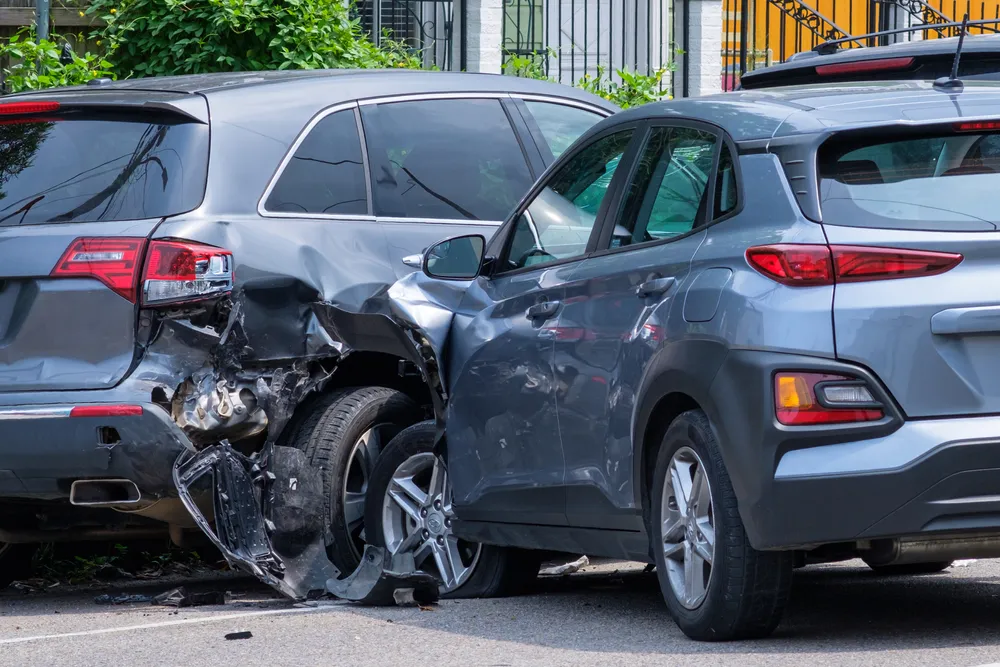

Car accidents are frightening, disorienting experiences — even when they seem minor at first. Here in Lexington, South Carolina, we see patients come through our doors every week who were involved in a collision and weren’t sure whether their symptoms were serious enough to warrant care. The answer, more often than not, is yes. Even a low-speed fender-bender can cause real, lasting musculoskeletal damage that doesn’t always show up immediately. Understanding what chiropractic treatments are available after a car accident in Lexington can help you make informed decisions about your health and recovery.
What is chiropractic care after a car accident? Chiropractic care after a car accident refers to non-invasive, drug-free treatment focused on restoring proper spinal alignment, reducing pain, and helping the body heal from collision-related injuries. It typically involves spinal adjustments, soft tissue therapy, and rehabilitative care tailored to your specific injuries.
Why Chiropractic Care After a Car Accident Matters
One of the most common mistakes people make after a car accident is waiting to see if symptoms go away on their own. It’s completely understandable — adrenaline can mask pain for hours or even days after a collision. But by the time discomfort becomes undeniable, underlying injuries may have already begun to set into unhealthy patterns of movement and compensation.
Chiropractic care is one of the most well-recognized conservative treatment options for musculoskeletal injuries that result from auto accidents. Organizations like the American Chiropractic Association and evidence reviewed through bodies like the National Center for Complementary and Integrative Health (NCCIH) recognize spinal manipulation and manual therapy as legitimate, evidence-informed approaches for neck and back pain — two of the most frequent complaints after a collision.
Here in Lexington, SC, Dr. Edward Carpenter at Lexington Spinal Care works with patients who are navigating the physical aftermath of car accidents every day. The goal is never to simply manage pain — it’s to identify the root cause of that pain and address it in a way that supports genuine, lasting healing.
Getting care promptly also matters for documentation purposes. If you’re dealing with an insurance claim, having a clear record of your injuries and the care you received can be critical. That’s another reason why reaching out to a chiropractor near you soon after an accident is a smart decision.

Common Injuries Treated After a Car Accident
Car accident injuries vary widely depending on the speed of impact, the direction of the collision, and the position of your body at the time. That said, certain injuries show up again and again in patients who visit Lexington Spinal Care following a motor vehicle accident.
Whiplash is by far the most common. It occurs when the head is suddenly jerked forward and then snapped backward — or vice versa — creating a rapid, forceful movement that strains the muscles, ligaments, and soft tissues of the cervical spine (your neck). Symptoms can include neck stiffness, headaches, shoulder tension, dizziness, and even difficulty concentrating.
Spinal subluxations — areas where vertebrae are slightly misaligned — are also extremely common after collisions. These misalignments can interfere with normal joint movement and nerve function, leading to pain, stiffness, and reduced range of motion throughout the spine.
Lower back injuries are another frequent finding. Lumbar strains, disc irritation, and sacroiliac joint dysfunction can all result from the compressive and shearing forces that occur during a crash. Many patients don’t realize their lower back was even injured until several days after the accident.
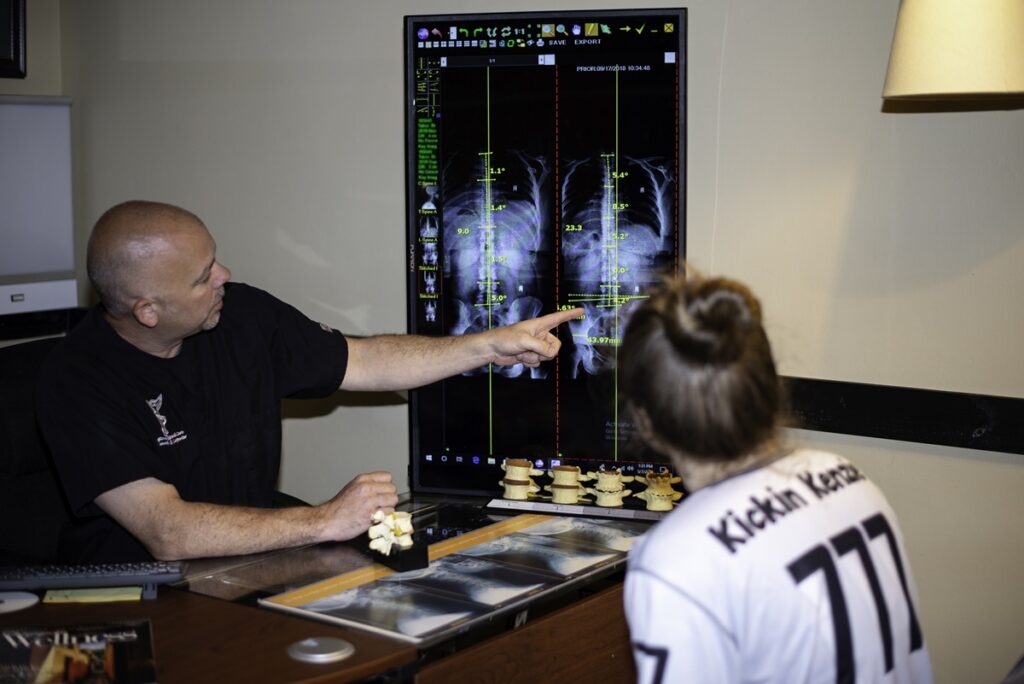
Soft tissue injuries — meaning damage to muscles, tendons, and ligaments — round out the most common presentations. These don’t always appear on standard imaging like X-rays, which is one reason why a thorough chiropractic evaluation is so valuable. Dr. Edward Carpenter conducts a careful physical and orthopedic assessment to identify exactly what’s going on, even when standard imaging appears normal.
Common Chiropractic Treatments Used After a Collision
Chiropractic treatment after a car accident is never one-size-fits-all. At Lexington Spinal Care, care is individualized based on the nature and severity of each patient’s injuries. That said, several core treatment approaches are commonly used in post-accident chiropractic care.
Spinal Manipulation (Chiropractic Adjustment)
Spinal manipulation — often called a chiropractic adjustment — is the cornerstone of chiropractic care. It involves the application of a precise, controlled force to a spinal joint to restore normal motion, reduce nerve irritation, and improve alignment. For accident patients, adjustments are particularly helpful for addressing stiffness and restricted mobility in the neck and back caused by the trauma of the crash. Techniques are always adapted to the patient’s comfort level, especially in the acute phase following an injury.
Soft Tissue Therapy
Because car accidents commonly damage muscles, tendons, and ligaments, soft tissue therapy is often an essential component of post-accident care. This can include myofascial release, trigger point therapy, and manual massage techniques designed to reduce muscle tension, break up scar tissue formation, and restore healthy tissue mobility. When soft tissue injuries are left untreated, they can lead to chronic tightness and pain that lingers long after the accident itself.
Cervical Mobilization and Traction
For patients with whiplash-related neck injuries, gentle cervical mobilization techniques help restore range of motion without high-velocity force. Traction — either manual or mechanical — can gently decompress the cervical spine, reducing pressure on irritated discs and nerves. This is especially helpful for patients experiencing radiating symptoms into the arms or hands following a neck injury.
Therapeutic Modalities
Many chiropractic practices use adjunct therapeutic modalities to support healing alongside hands-on care. These may include electrical muscle stimulation, ultrasound therapy, and cold laser therapy. These tools are designed to reduce inflammation, ease muscle spasm, and accelerate tissue repair in the early stages of recovery.
Rehabilitative Exercises
Restoring strength and stability after a car accident is just as important as relieving pain. Dr. Edward Carpenter may introduce targeted rehabilitative exercises to rebuild the supporting muscles of the spine, improve posture, and prevent re-injury. These exercises are typically simple, safe, and appropriate for your current phase of healing — not the intense workouts you might imagine.
How Chiropractic Care Fits Into Your Recovery
Chiropractic care doesn’t operate in a vacuum. It’s most effective when thought of as part of a broader, coordinated approach to recovery. Dr. Edward Carpenter at Lexington Spinal Care takes a whole-person perspective — meaning your treatment plan accounts for your overall health history, the severity of your injuries, and your personal recovery goals.
For many patients, chiropractic care serves as the primary source of conservative care following a car accident, particularly when injuries are musculoskeletal in nature. When additional support is needed — such as imaging, specialist referrals, or co-management with another healthcare provider — Dr. Carpenter is committed to making sure patients get the full scope of care they need.
Research published through journals like Spine and endorsed by guidelines from organizations including the American College of Physicians suggests that manual therapy and spinal manipulation are effective, first-line options for managing acute and subacute neck and back pain. This means chiropractic care isn’t a last resort — it’s often a smart first step.
Practical Tips for Recovery After a Car Accident
In addition to professional care, there are several practical steps you can take to support your healing after a motor vehicle accident. These are general wellness recommendations, not medical prescriptions — always follow the specific guidance given by your chiropractor.
First, try to stay gently active. Complete bed rest is generally not recommended for musculoskeletal injuries. Light walking and gentle movement can prevent stiffness and support circulation without aggravating your injuries. Second, be mindful of your sleeping position. Sleeping on your back or side with proper pillow support for your neck can reduce unnecessary strain overnight.
Third, pay attention to your posture, especially if you’re working from home or sitting at a desk during your recovery. Poor seated posture can significantly slow your healing. Ask the team at Lexington Spinal Care for ergonomic guidance specific to your situation. Fourth, apply ice — not heat — in the first 48 to 72 hours after an injury to help manage acute inflammation. Heat may feel comforting but can actually increase swelling early on.
Finally, be patient with yourself. Recovery from car accident injuries takes time, and consistency with your chiropractic care plan is one of the most important factors in a successful outcome.

When to See a Chiropractor After a Car Accident
Ideally, you should seek a chiropractic evaluation as soon as possible after a car accident — even if your symptoms feel mild. As mentioned earlier, pain often develops or intensifies in the days following a collision as inflammation builds and adrenaline fades. Early evaluation allows for prompt identification of injuries before they have a chance to become chronic problems.
You should especially consider reaching out to a chiropractor near you if you’re experiencing any of the following: neck or back pain that persists beyond 24 to 48 hours, headaches that weren’t present before the accident, stiffness or reduced range of motion in your spine, or tingling, numbness, or weakness in your arms or legs.
There are also situations where immediate emergency medical care is warranted. If you’re experiencing severe headache, loss of consciousness, difficulty breathing, significant chest pain, or any neurological symptoms like sudden weakness or loss of bladder or bowel control, please seek emergency care right away. Chiropractic care is not a substitute for emergency medicine. Once serious conditions have been ruled out, however, chiropractic evaluation is a reasonable and valuable next step.
Treatment Approaches: Chiropractic vs. Other Common Options
|
Approach |
Primary Method |
Addresses Root Cause? |
Drug-Free? |
Typical Use Case |
|---|---|---|---|---|
|
Chiropractic Care |
Spinal adjustments, soft tissue therapy, rehab exercises |
Yes — focuses on alignment and function |
Yes |
Neck/back pain, whiplash, spinal injuries |
|
Pain Medication |
OTC or prescription drugs |
No — manages symptoms only |
No |
Short-term pain and inflammation relief |
|
Physical Therapy |
Exercise, modalities, manual therapy |
Partially — focuses on strength and mobility |
Yes |
Rehabilitation, post-surgical recovery |
|
Surgery |
Invasive procedures |
Yes — for structural damage |
No |
Severe disc herniation, fractures, structural instability |
|
Rest Only |
Inactivity and time |
No |
Yes |
Very minor sprains; not recommended for most injuries |
Myths vs. Facts About Chiropractic After Car Accidents
Myth: If I wasn’t in serious pain right after the accident, I don’t need care.
Fact: Many car accident injuries, including whiplash and soft tissue damage, are delayed in onset. Adrenaline and inflammation patterns can mask pain for 24 to 72 hours. Getting evaluated early — even without obvious pain — is a smart preventive measure that can help you avoid chronic problems down the road.
Myth: Chiropractic adjustments are dangerous for recent injuries.
Fact: Experienced chiropractors adapt their techniques carefully to the patient’s current condition. In the acute phase following a car accident, gentler mobilization approaches and soft tissue therapies are prioritized over high-force techniques. Dr. Edward Carpenter conducts a thorough assessment before determining which methods are appropriate and safe for each individual.
Myth: Chiropractic care is only for back pain.
Fact: While back pain is among the most common reasons people seek chiropractic care, chiropractors are trained to evaluate and treat a wide range of musculoskeletal conditions — including neck injuries, headaches, shoulder problems, and joint dysfunction — many of which commonly result from car accidents.
Myth: Car accident injuries will heal on their own if I just rest.
Fact: While minor muscle soreness may resolve with rest, spinal misalignments, ligament injuries, and soft tissue damage often do not fully resolve without targeted treatment. Left unaddressed, these injuries can lead to chronic pain, reduced mobility, and compensatory movement patterns that create new problems over time.
Myth: Seeing a chiropractor after a car accident is just about getting documentation for a lawsuit.
Fact: The primary reason to see a chiropractor after an accident is your health. Proper documentation is a natural byproduct of receiving professional care, but it should never be the driving motivation. At Lexington Spinal Care, the focus is always on your genuine recovery and wellbeing.
Final Thoughts From Lexington Spinal Care
If you’ve recently been in a car accident here in Lexington, South Carolina, please don’t wait and hope for the best. Your body has been through a significant physical event, and it deserves the same attention and care you’d give any other serious situation. The good news is that chiropractic care after a car accident is a well-established, conservative, and effective path toward healing for many people.
At Lexington Spinal Care, Dr. Edward Carpenter and the team are committed to helping members of our community get back to feeling like themselves — not just masking symptoms, but genuinely recovering from the ground up. Whether you’re dealing with neck stiffness, lower back pain, headaches, or general soreness after a collision, we’re here to evaluate what’s going on and put together a plan that makes sense for your specific situation.
You don’t have to navigate this alone, and you don’t have to accept chronic pain as an inevitable consequence of your accident. Compassionate, knowledgeable care is right here in Lexington, SC — and we’re ready to help when you are.
Frequently Asked Questions
How soon after a car accident should I see a chiropractor?
It’s generally recommended to seek a chiropractic evaluation within the first few days after a car accident, even if your pain feels manageable. Early assessment can identify injuries before they become chronic and helps establish a clear record of your condition from the start of your recovery.
Can chiropractic care help with whiplash?
Yes. Whiplash is one of the most common and well-researched conditions treated through chiropractic care. Spinal manipulation, cervical mobilization, and soft tissue therapies have all been shown to help reduce pain and restore range of motion associated with whiplash injuries.
How many chiropractic visits will I need after a car accident?
This depends entirely on the nature and severity of your injuries. Some patients with minor injuries may see significant improvement in a handful of visits, while others with more complex injuries require a longer course of care. Dr. Edward Carpenter will provide you with a clear treatment plan and re-evaluate your progress regularly.
Will chiropractic care hurt after a car accident?
It’s normal to feel some mild soreness following your first few adjustments, especially if your muscles are already inflamed and tense. Dr. Edward Carpenter uses techniques appropriate to your current condition and will work within your comfort level throughout your care. Many patients actually feel noticeable relief shortly after their first visit.
Can I see a chiropractor if I’ve already seen a medical doctor after my accident?
Absolutely. Chiropractic care is complementary to medical care and is often recommended alongside it. Many patients co-manage their recovery with both a medical physician and a chiropractor. Be sure to share any imaging results, diagnoses, or prescribed treatments with Dr. Carpenter so your care can be coordinated appropriately.
Are car accident injuries always visible on X-rays or MRIs?
Not always. Soft tissue injuries — including ligament sprains, muscle strains, and certain disc irritations — may not appear clearly on standard imaging. This is one of the key reasons a hands-on chiropractic evaluation is so valuable. A thorough physical and orthopedic assessment can identify functional problems that imaging alone may not reveal.
TL;DR Summary
-
Car accident injuries, including whiplash, spinal misalignment, and soft tissue damage, often don’t appear immediately — early evaluation is important even without obvious pain.
-
Common chiropractic treatments after a car accident include spinal adjustments, soft tissue therapy, cervical mobilization, therapeutic modalities, and rehabilitative exercises.
-
Chiropractic care is a non-invasive, drug-free approach that targets the root cause of musculoskeletal injuries rather than simply masking symptoms.
-
Dr. Edward Carpenter at Lexington Spinal Care in Lexington, SC provides individualized care plans based on each patient’s specific injuries and recovery goals.
-
Seek emergency medical care for any severe or neurological symptoms, then follow up with a chiropractic evaluation as soon as it’s safe to do so.