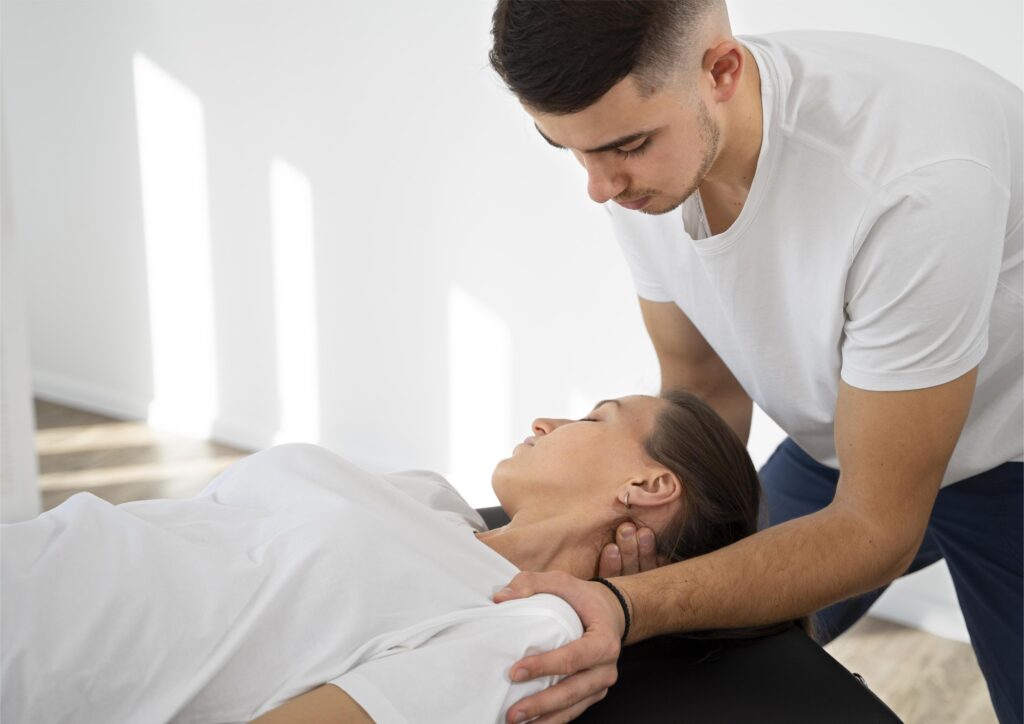
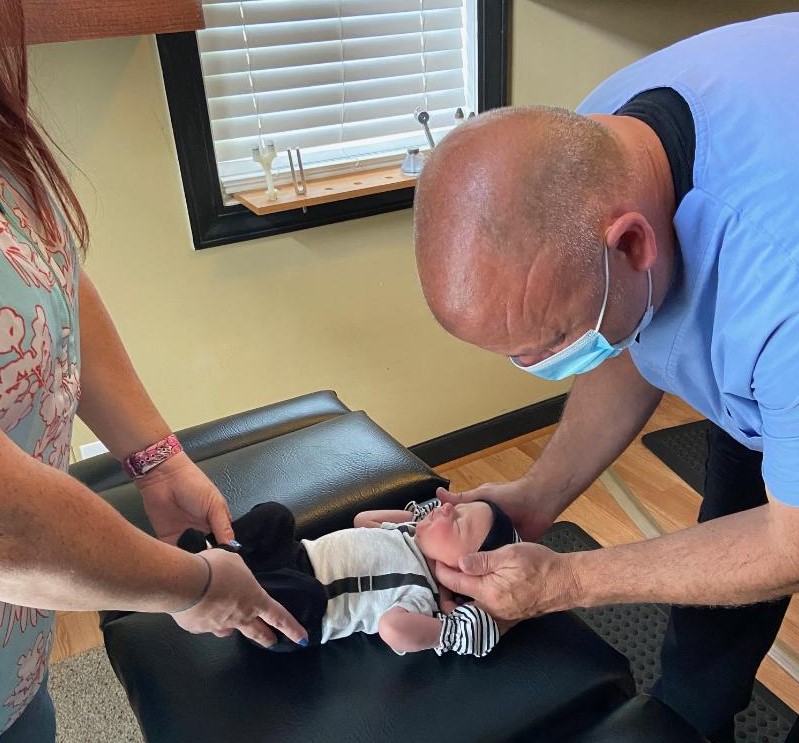
When you consider the link between physical discomfort and anxiety, it's clear that adjustments can play a vital role in your mental well-being. By addressing misalignments and tension in your body, these therapies not only promote relaxation but also enhance your overall resilience to stressors. This connection raises important questions about how adjustments influence both your psychological state and physiological responses. What other factors might contribute to this relationship, and how can you harness these benefits in your daily life?
Understanding Anxiety's Nature
Anxiety often manifests as a relentless storm in your mind, disrupting your peace and focus. You might feel a constant sense of dread or worry, often without a clear reason. This emotional turbulence can lead to physical symptoms, like racing heartbeats or shallow breathing, making it hard to function in daily life. Understanding anxiety's nature is essential in managing it effectively.
At its core, anxiety is your body's natural response to perceived threats. It's an evolutionary mechanism designed to keep you safe. However, in today's world, this instinct can become overactive, triggering anxiety even in non-threatening situations. You may find yourself overthinking or anticipating problems that may never arise. This cycle of negative thoughts can feel overwhelming, making it easy to spiral into a state of panic.
Recognizing the triggers of your anxiety is the first step toward understanding it. You might notice patterns in your thoughts, such as catastrophizing or focusing on worst-case scenarios. By becoming aware of these patterns, you can start to challenge them.
Anxiety often thrives in uncertainty, amplifying feelings of helplessness. By understanding its nature, you empower yourself to take small steps toward clarity. This journey may involve exploring your fears, developing coping strategies, or seeking support from others.
The Role of Control
Gaining a sense of control can greatly impact how you experience anxiety. When you feel you're in charge of your circumstances, you're less likely to feel overwhelmed by stressors. This sense of control allows you to navigate life's challenges with greater confidence. You might notice that when you take proactive steps, even small ones, your anxiety decreases. It's about shifting your mindset from feeling helpless to feeling empowered.
One way to cultivate this sense of control is by setting realistic goals. When you break tasks into manageable steps, you can tackle them one at a time. This not only gives you a clear path forward but also reinforces your ability to influence your situation. As you achieve these small goals, you'll likely feel more competent and less anxious.
Another effective strategy is to establish routines. Routines create predictability, which can reduce feelings of uncertainty. When you know what to expect, you're less likely to feel anxious about the unknown. Incorporating simple adjustments into your daily life can help reinforce this stability.
Additionally, practicing mindfulness can enhance your sense of control. By focusing on the present moment, you can train your mind to respond more calmly to stressors. This practice helps you realize that while you can't control everything, you can control your reactions.
Ultimately, embracing your ability to influence your environment can greatly reduce your anxiety levels. The more control you feel, the more equipped you'll be to handle life's ups and downs.
Types of Adjustments
When it comes to adjustments, you'll find various techniques that can greatly impact your anxiety levels.
Manual adjustments can align your body, while postural adjustments help improve your overall stance and presence.
Additionally, emotional release through adjustments can lead to a profound sense of relief and calm.
Manual Adjustments Techniques
Understanding the various manual adjustment techniques can greatly enhance your ability to manage anxiety. These techniques can help realign your body, promoting relaxation and reducing tension.
Here are three common manual adjustment techniques that you can explore:
- Chiropractic Adjustments: These focus on spinal alignment. By adjusting misalignments, you may experience a reduction in physical discomfort and a decrease in anxiety levels.
- Massage Therapy: This technique involves manipulating soft tissues to relieve tension. By releasing muscle tightness, you can improve circulation and induce a state of calm.
- Craniosacral Therapy: A gentle method targeting the central nervous system, this technique promotes relaxation and can help alleviate stress-related symptoms.
Postural Adjustments Benefits
Postural adjustments can greatly enhance your overall well-being by correcting alignment issues and promoting better body mechanics. When your body is properly aligned, it operates more efficiently, reducing strain on muscles and joints. This can lead to less discomfort and a greater range of motion, making daily activities easier and more enjoyable.
Incorporating postural adjustments into your routine can also improve your breathing. Proper posture allows your diaphragm to function effectively, enabling deeper breaths and increased oxygen flow. This not only energizes your body but can also help lower stress levels.
You might also find that making these adjustments enhances your focus and concentration. When you sit or stand correctly, your brain receives more oxygen and nutrients, which can boost cognitive function and clarity.
Additionally, improved posture can positively impact your self-esteem. Standing tall and confident can alter your mindset, making you feel more empowered and in control.
Ultimately, embracing postural adjustments can lead to a healthier, more vibrant life. By investing time in your posture, you're taking significant steps toward better physical and mental wellness.
Emotional Release Through Adjustments
Through various types of adjustments, you can experience an emotional release that greatly impacts your mental well-being.
These adjustments not only relieve physical tension but also help you access deeper emotional states.
Here are three types of adjustments that can facilitate this emotional release:
1. Chiropractic Adjustments: When misalignments in your spine are corrected, you may feel a surge of relief.
This can lead to the release of pent-up emotions that have been stored in your body.
2. Massage Therapy: A skilled massage therapist can help ease muscle tension and stimulate the release of endorphins, the body's natural stress relievers.
This process often leads to an emotional catharsis, helping you feel lighter and more at ease.
3. Breathwork Adjustments: Engaging in controlled breathwork can shift your emotional state profoundly.
Environmental Changes
Your surroundings can greatly impact your mood and anxiety levels.
By creating calming spaces or incorporating elements of nature, you can promote relaxation and reduce stress.
Understanding these environmental changes can help you make adjustments that foster a more peaceful state of mind.
Altered Surroundings Impact Mood
Changing your environment can greatly affect your mood and help reduce anxiety. When you feel overwhelmed, simply rearranging your space or stepping outside can create a significant shift in how you feel.
Your surroundings play an essential role in shaping your emotions, so tweaking them can lead to improved mental clarity and reduced stress.
Here are three ways altered surroundings can impact your mood:
- Natural Light: Exposure to sunlight boosts serotonin levels, enhancing your mood. Opening curtains or spending time outdoors can elevate your spirits.
- Color Schemes: Different colors evoke various feelings. For instance, blues and greens are calming, while yellows can uplift. Changing wall colors or adding colorful decor can shift your emotional state.
- Clutter Reduction: A tidy space promotes a sense of order and control. Clearing out unnecessary items can help you feel more relaxed and focused.
Calming Spaces Promote Relaxation
Creating calming spaces is essential for promoting relaxation and reducing anxiety. When you design an environment that feels safe and serene, you're more likely to experience peace of mind.
Start by decluttering your space; a messy area can overwhelm you and increase stress. Instead, opt for minimalism, which fosters a sense of order and tranquility.
Incorporate soft lighting to create warmth and comfort. Bright, harsh lights can be jarring, so consider using lamps or candles to set a soothing ambiance.
Add elements that engage your senses, like soft textiles or gentle scents, to further enhance your calming space.
Consider the colors around you, too. Soft blues, greens, and neutral tones can promote relaxation, while bright colors may energize you. Surround yourself with items that inspire calm, whether it's a favorite piece of art, a cozy chair, or plants that bring a touch of nature indoors.
Ultimately, by intentionally crafting your environment, you can create a retreat that supports your mental well-being.
Finding time to spend in this calming space can help you recharge, manage stress, and cultivate a more peaceful mindset.
Nature Exposure Reduces Stress
Spending time in nature can greatly reduce stress and anxiety levels. When you step outside and immerse yourself in the natural world, you engage your senses in a way that can profoundly impact your mental well-being.
Here are three key benefits of nature exposure:
- Improved Mood: Being in green spaces can elevate your mood and increase feelings of happiness. The sights and sounds of nature can distract you from daily stressors, allowing for a mental reset.
- Lower Cortisol Levels: Nature exposure has been shown to reduce cortisol, the hormone associated with stress. Lower cortisol levels can lead to a calmer state of mind, helping you manage anxiety more effectively.
- Enhanced Focus: Spending time in natural environments can improve your focus and cognitive function. This renewed clarity can help you tackle tasks with less mental strain, reducing overall anxiety.
Routine Modifications
Adjusting your daily routine can greatly ease feelings of anxiety. When you make small modifications to your schedule, you create a sense of control over your environment. This control can help diminish feelings of chaos and unpredictability that often fuel anxiety. For instance, consider setting specific times for work, exercise, and relaxation. By doing so, you establish a predictable framework that your mind can rely on.
Incorporating consistent sleep patterns is another crucial adjustment. Aim to go to bed and wake up at the same time each day. A well-rested mind is better equipped to handle stressors. If you're struggling to fall asleep, try winding down with a calming activity like reading or meditation before bed.
You might also find it beneficial to allocate time for activities that uplift your spirits. Whether it's engaging in hobbies, spending time with loved ones, or enjoying nature, these moments can serve as essential breaks from daily stressors. Prioritize these activities in your routine to make sure they don't get lost in the shuffle.
Furthermore, don't underestimate the power of a balanced diet. Meal planning can help you maintain healthy eating habits, which can enhance your mood and energy levels. Small changes, like swapping out processed snacks for fresh fruits and vegetables, can have a significant impact on your mental well-being.
Mindset Shifts
A shift in mindset can be just as impactful as routine modifications when it comes to reducing anxiety. When you change the way you think about your challenges, you can create a more resilient and positive approach to life.
Here are three key mindset shifts that can help you manage anxiety effectively:
1. Embrace Uncertainty: Life is unpredictable, and trying to control every outcome can heighten your anxiety. Accepting that uncertainty is a part of life allows you to face challenges with a calmer perspective.
Instead of fearing the unknown, view it as an opportunity for growth.
2. Focus on What You Can Control: It's easy to get overwhelmed by factors beyond your control. By concentrating on what you can influence, like your reactions and decisions, you regain a sense of empowerment.
This shift helps you channel your energy into productive actions rather than worrying about what you can't change.
3. Practice Self-Compassion: Often, we're our own harshest critics. By treating yourself with kindness and understanding during tough times, you create a supportive internal dialogue.
This shift not only reduces anxiety but also fosters resilience, allowing you to bounce back more quickly from setbacks.
Psychological Benefits
Experiencing psychological benefits from adjustments in your routine or mindset can greatly enhance your overall well-being. When you make changes—whether it's altering your schedule, practicing mindfulness, or shifting your perspective—you pave the way for a more balanced mental state. These adjustments can help you feel more in control, reducing feelings of anxiety and stress.
One key psychological benefit is increased resilience. By adapting to new situations or challenges, you learn to cope better with uncertainty. This newfound resilience empowers you to face future hurdles with confidence, making anxiety feel less overwhelming. You begin to view challenges as opportunities for growth rather than threats.
Additionally, adjustments can foster a sense of accomplishment. Every small change you implement brings a sense of achievement, reinforcing positive self-esteem. You might find that even minor tweaks can lead to significant improvements in your mood and outlook. This boost in self-efficacy can further diminish anxiety, as you start to believe in your ability to manage your life effectively.
Moreover, making adjustments often leads to improved relationships. As you become more adaptable, you may find it easier to communicate your needs and engage with others meaningfully. This connection can provide emotional support, which is essential in alleviating anxiety.
Ultimately, embracing adjustments not only helps reduce anxiety but also cultivates a more positive and fulfilling life. You'll find that these psychological benefits create a ripple effect, enhancing your overall mental health and well-being.
Physiological Responses
When you make adjustments in your life, your body can respond in powerful ways that help alleviate anxiety. These physiological responses often manifest as changes in your body's chemistry and function, leading to a calmer state of mind.
When you actively engage in adjustments, you may notice several significant effects:
- Reduced Stress Hormones: Making positive changes can lower cortisol levels, the hormone primarily responsible for stress. As you decrease these levels, you'll likely feel more relaxed and less overwhelmed.
- Improved Heart Rate: Adjustments often lead to a more balanced heart rate. This stabilization can promote a sense of safety and comfort, reducing the physical symptoms of anxiety, such as a racing heart or shortness of breath.
- Enhanced Sleep Quality: By creating a more manageable routine or environment, you may find it easier to achieve restful sleep. Quality sleep is essential for regulating mood and managing anxiety, allowing your body to recover and rejuvenate.
These physiological responses work together to create a more harmonious state within your body.
As you implement adjustments, you might notice these changes reinforcing one another, leading to a compounded effect on your overall well-being.
By understanding how your body reacts, you can take intentional steps to enhance your mental health and reduce anxiety.
Implementing Effective Adjustments
Making effective adjustments in your life can greatly enhance your mental well-being and reduce anxiety. To begin, identify the areas where you feel overwhelmed. Whether it's your work, relationships, or daily routines, pinpointing the sources of your anxiety is vital.
Once you know what's bothering you, consider small, manageable changes that can make a significant difference. Start by prioritizing self-care. Incorporate activities that you enjoy and that help you relax into your daily routine, like reading, exercising, or spending time with friends. Setting aside time for yourself isn't selfish; it's essential for maintaining your mental health.
Next, evaluate your environment. A cluttered space can contribute to a cluttered mind. Organizing your surroundings can lead to a clearer mindset. Make it a habit to declutter regularly and create a calming space that promotes tranquility.
You should also assess your time management. If you're constantly racing against the clock, try breaking tasks into smaller steps and setting realistic deadlines. This approach reduces feelings of overwhelm and allows you to celebrate small victories along the way.
Finally, don't hesitate to seek support. Communicate your feelings with trusted friends or consider professional help. Talking things through can provide new perspectives and solutions.
Conclusion
In summary, adjustments can play a vital role in reducing anxiety by addressing both physical and emotional needs. By enhancing your body's alignment, promoting relaxation, and creating a calming environment, you can greatly improve your resilience against stressors. Incorporating these adjustments into your routine, along with mindset shifts and environmental changes, empowers you to cope better with anxiety. Embrace these strategies, and you'll likely find a greater sense of peace and well-being in your daily life.