
If you’re a parent in Lexington, SC, you’ve probably heard friends or family mention taking their kids to see a chiropractor. Maybe you’ve wondered whether chiropractic care is safe for children, or what it could possibly help with. The idea of a child getting an adjustment might seem surprising at first, but pediatric chiropractic care is a gentle, effective approach that many families trust to support their children’s health and development. At Lexington Spinal Care, Dr. Edward Carpenter and the team work with families throughout the Midlands to provide age-appropriate care that’s designed specifically for growing bodies. This article will walk you through everything you need to know about pediatric chiropractic care, from what it involves to how it might benefit your child.
What is pediatric chiropractic care? Pediatric chiropractic care involves gentle, modified techniques specifically designed for infants, children, and adolescents. Unlike adult adjustments, pediatric techniques use extremely light pressure—often no more than the pressure you’d use to test the ripeness of a tomato—to address spinal alignment and nervous system function in developing bodies.
Table of Contents
- Why Would a Child Need to See a Chiropractor?
- What Does Pediatric Chiropractic Care Actually Look Like?
- Common Childhood Conditions Parents Seek Care For
- Is Chiropractic Care Safe for Children?
- Supporting Growth and Development
- What to Expect at Your Child’s First Visit
- Practical Tips for Supporting Your Child’s Spinal Health
- When to Consider Pediatric Chiropractic Care
- Pediatric vs. Adult Chiropractic: Key Differences
- Myths vs. Facts About Pediatric Chiropractic Care
- Supporting Lexington Families
Why Would a Child Need to See a Chiropractor?
Children’s bodies go through constant growth and change. From the physical demands of birth to learning to walk, mastering a bike, playing sports, and carrying heavy backpacks, kids experience many physical stresses that can affect their developing musculoskeletal and nervous systems. The spine houses and protects the nervous system, which controls virtually every function in the body. When the spine isn’t moving properly or alignment is compromised, it can potentially affect how a child’s body functions and develops.
Many parents first consider chiropractic care when their child experiences discomfort, sleep difficulties, or developmental challenges. Others seek care as part of a proactive wellness approach. Research suggests that chiropractic care may support overall wellness in pediatric populations, though parents should understand that chiropractors do not diagnose or treat diseases. Instead, the focus is on optimizing spinal function and removing interference to the nervous system.
Here in Lexington, parents often bring their children to Lexington Spinal Care after noticing issues with posture, complaints of growing pains, difficulty with concentration, or following minor injuries from sports and play. Dr. Edward Carpenter takes time to understand each child’s unique situation and works closely with families to determine whether chiropractic care is an appropriate fit.
What Does Pediatric Chiropractic Care Actually Look Like?
Pediatric chiropractic adjustments bear little resemblance to what many people picture when they think of chiropractic care. There are no forceful twists or loud popping sounds. Instead, adjustments for children use incredibly gentle pressure and specialized techniques appropriate for their size, age, and stage of development.
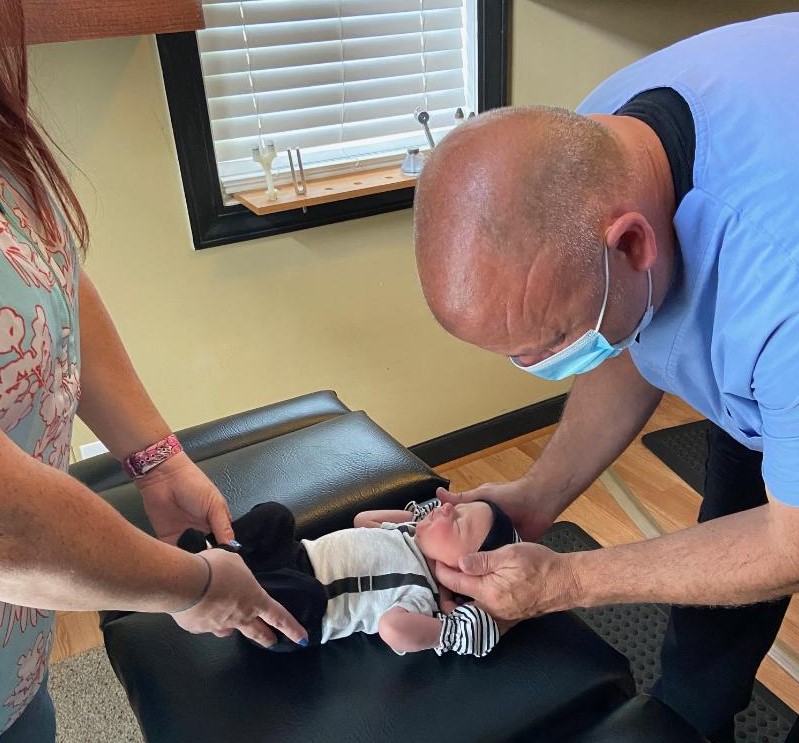
For infants, the amount of pressure used during an adjustment is often compared to the gentle touch you’d use to check if a peach is ripe. For toddlers and young children, techniques remain very light and are often delivered while the child is playing, sitting with a parent, or lying comfortably on a specialized pediatric table. Older children and adolescents may receive slightly more firm adjustments, but still using modified techniques that are far gentler than those used on adults.
The goal is always to restore proper motion to spinal joints, reduce tension in surrounding muscles, and support optimal nervous system function. Sessions are typically brief, especially for younger children, and practitioners work at the child’s pace. Creating a positive, comfortable experience is just as important as the adjustment itself.
Common Childhood Conditions Parents Seek Care For
Parents bring their children to chiropractors for a wide variety of reasons. While chiropractic care doesn’t treat diseases, many families report improvements in their children’s overall comfort and function. Some of the most common reasons families in Lexington, SC visit Lexington Spinal Care include:
Colic and infant fussiness: Some evidence suggests that gentle chiropractic adjustments may help reduce crying time in colicky infants, though more research is needed. Parents often report that their babies seem more comfortable and sleep better following care.
Ear discomfort and related issues: While chiropractors don’t treat ear infections, some research has explored whether chiropractic care might support proper drainage and function in the structures surrounding the ear. Many parents seek care as part of a holistic approach to their child’s wellness.
Postural concerns: With increased screen time and heavy backpacks, poor posture has become increasingly common in school-age children. Chiropractic care can address spinal alignment issues and muscle imbalances that contribute to slouching and forward head posture.
Sports injuries and growing pains: Active children frequently experience minor strains, sprains, and overuse injuries. Chiropractic care offers a conservative, drug-free approach to supporting recovery and helping young athletes maintain proper biomechanics.
Developmental milestones: Some parents seek chiropractic evaluation when children experience delays or difficulties with developmental milestones like crawling, walking, or coordination. While chiropractors don’t treat developmental disorders, they can assess whether biomechanical factors might be playing a role.
Sleep difficulties: Discomfort, tension, and nervous system stress can all affect a child’s ability to sleep well. Many families report improvements in sleep quality after beginning chiropractic care.

Is Chiropractic Care Safe for Children?
This is often the first question parents ask, and it’s an important one. The safety profile of pediatric chiropractic care is very favorable when performed by a trained professional. Multiple studies and reviews have found that serious adverse events from pediatric chiropractic care are extremely rare, particularly when practitioners use age-appropriate techniques.
Chiropractors who work with children receive specialized training in pediatric assessment and adjustment techniques. They understand the unique anatomical and physiological differences in growing bodies. The techniques used are specifically modified for children’s size, bone density, and developmental stage. The force used is carefully controlled and significantly lighter than that used for adults.
At Lexington Spinal Care, Dr. Edward Carpenter emphasizes a thorough evaluation before any care begins. This includes discussing your child’s health history, observing movement patterns, and performing gentle palpation to assess spinal function. Parents are always present during examinations and adjustments, and practitioners encourage questions at every step.
It’s also important to note that chiropractors are trained to recognize red flags that might indicate a condition requiring medical referral. They work within their scope of practice and coordinate with pediatricians and other healthcare providers when appropriate.
Supporting Growth and Development
Children’s bodies are constantly growing and adapting. During periods of rapid growth, maintaining proper spinal alignment and nervous system function becomes especially important. The nervous system controls and coordinates all body functions, from digestion to immune response to muscle coordination. When the spine—which houses and protects the nervous system—develops properly, it creates the best possible foundation for overall health.
Consider the physical demands placed on a child’s spine during different developmental stages. Newborns must adapt to gravity and learn to support their own head weight. Infants learning to roll, crawl, and eventually stand experience countless minor tumbles and falls. Toddlers are constantly testing their balance and coordination. School-age children carry heavy backpacks and sit for extended periods. Teenagers often have poor posture from device use and may be involved in competitive sports.
Each of these stages presents opportunities for minor misalignments or movement restrictions to develop. While the body has remarkable self-correcting abilities, sometimes these small issues compound over time. Regular chiropractic check-ups can help identify and address these concerns before they become more significant problems.
Many families in Lexington choose to incorporate chiropractic care into their wellness routine much like they do dental check-ups. The goal is not to “fix” something that’s broken, but to support optimal function and development throughout childhood.
What to Expect at Your Child’s First Visit
Walking into a chiropractic office for the first time with your child can feel uncertain. Knowing what to expect can help both you and your child feel more comfortable. At Lexington Spinal Care, the first visit is designed to be thorough, educational, and completely stress-free for young patients.
The appointment typically begins with a detailed conversation. Dr. Edward Carpenter will ask about your child’s health history, including pregnancy and birth details for younger children, any injuries or illnesses, developmental milestones, and your specific concerns. This conversation helps create a complete picture of your child’s health.
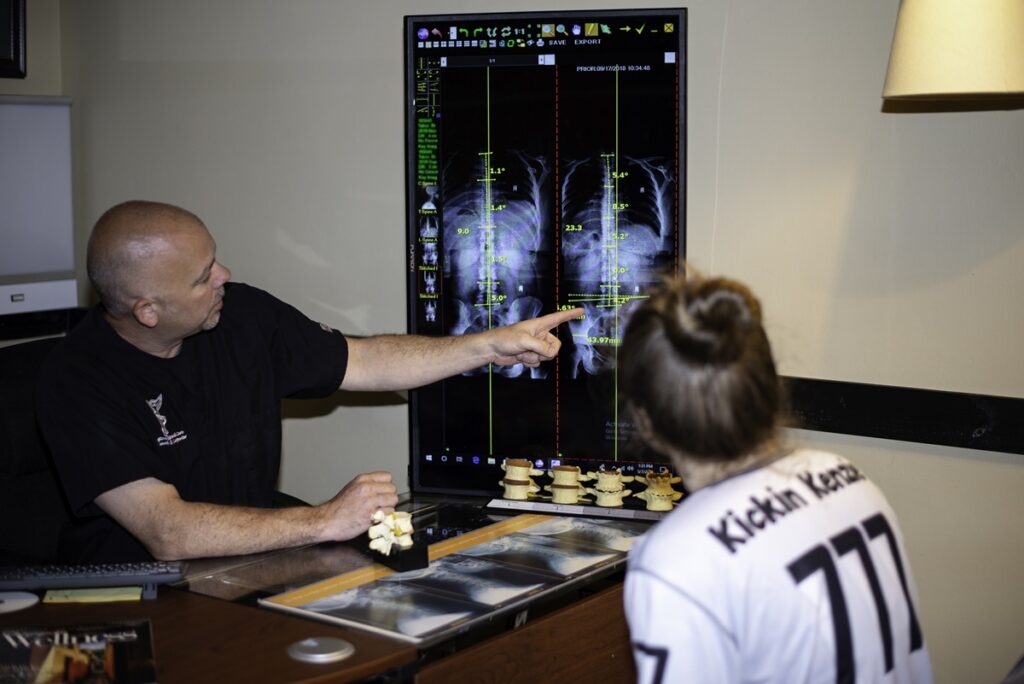
Next comes a gentle examination. For infants, this might involve observing how they move, checking muscle tone, and gently palpating the spine. For older children, the exam may include posture analysis, range of motion testing, and assessment of how the spine moves in different positions. Everything is explained to both you and your child in age-appropriate language.
If Dr. Edward Carpenter determines that chiropractic care is appropriate, he’ll explain what the adjustment will involve before proceeding. For nervous children, practitioners often let them watch a parent receive an adjustment first, or they may use a doll or stuffed animal to demonstrate. The first adjustment is always gentle and brief, allowing the child to become comfortable with the process.
After the adjustment, you’ll receive guidance on what to watch for at home and when to schedule follow-up visits. Some children are energized after an adjustment, while others become sleepy. Both responses are normal as the body integrates the changes.
Practical Tips for Supporting Your Child’s Spinal Health
While chiropractic care can be beneficial, what happens at home plays an equally important role in supporting your child’s spinal health. Here are practical, evidence-based recommendations you can implement starting today.
Encourage active play: Children’s bodies are designed to move. Regular physical activity helps maintain spinal flexibility, builds core strength, and supports healthy nervous system development. Aim for at least an hour of active play daily, whether that’s playground time, sports, dancing, or simply running around the backyard.
Limit screen time and improve device ergonomics: The average child spends significant time looking at screens, which often means hours in forward head posture. Set reasonable limits on recreational screen time, and when devices are used, teach children to bring screens up to eye level rather than hunching over them. Take frequent breaks to move and stretch.
Choose the right backpack and wear it correctly: A backpack should weigh no more than 10-15 percent of your child’s body weight. Both shoulder straps should be used, and the pack should sit snugly against the back with the bottom resting in the curve of the lower back. Consider a rolling backpack if your child consistently needs to carry heavy loads.
Support healthy sleep positions: While young children will naturally move during sleep, encouraging them to sleep on their back or side rather than on their stomach can support better spinal alignment. Ensure their pillow provides appropriate support—it should keep the head level with the spine, not propped up too high or sunken too low.
Model good posture: Children learn by watching. When you sit and stand with good posture, your children are more likely to adopt similar habits. Point out what good posture feels like and make it a family goal rather than constantly nagging.
Ensure proper nutrition and hydration: Growing bodies need adequate nutrients to build strong bones and healthy tissues. A balanced diet with plenty of calcium, vitamin D, and protein supports musculoskeletal development. Proper hydration is also essential for healthy spinal discs.
When to Consider Pediatric Chiropractic Care
Many parents wonder about the right time to bring their child in for chiropractic evaluation. While there’s no single answer that fits every situation, here are some indicators that chiropractic care might be beneficial.
Consider scheduling an evaluation if your child has experienced a difficult birth, particularly if forceps or vacuum extraction were used, or if it was a breech or cesarean delivery. While these interventions are sometimes necessary and lifesaving, they can place stress on an infant’s spine and neck. A gentle evaluation can identify any areas that might benefit from care.
Persistent discomfort, fussiness, or difficulty nursing in newborns may sometimes relate to spinal or cranial restrictions. If your infant consistently prefers turning their head to one side, has difficulty latching, or seems uncomfortable during tummy time, a chiropractic evaluation can help determine if biomechanical factors are involved.
As children grow, consider chiropractic care if you notice asymmetries in movement or posture, frequent complaints of discomfort in the neck or back, regular headaches, or difficulty with coordination. Children involved in sports, particularly those involving repetitive motions or contact, may benefit from regular check-ups to support optimal biomechanics and help prevent overuse injuries.
You don’t need to wait for a problem to develop, however. Many families in Lexington, South Carolina choose regular wellness visits to support their children’s growth and development proactively. Think of it like dental check-ups—you don’t wait for cavities to form before teaching good brushing habits and seeing the dentist.
Always seek immediate medical attention for serious injuries, high fever, severe pain, neurological symptoms like numbness or weakness, or any signs of serious illness. Chiropractors are trained to recognize red flags and will refer to appropriate medical specialists when necessary.
Pediatric vs. Adult Chiropractic: Key Differences
| Aspect | Pediatric Chiropractic | Adult Chiropractic |
|---|---|---|
| Adjustment Force | Extremely light pressure, often no more than fingertip pressure (about 2-5 pounds of force) | Moderate to firm pressure appropriate for fully developed bone density and muscle mass |
| Techniques Used | Gentle, sustained contact; cranial techniques; soft tissue work; minimal impulse adjustments | Diversified techniques, manual adjustments, instrument-assisted methods, mobilizations |
| Session Duration | Brief sessions (often 10-15 minutes) adapted to child’s attention span and comfort level | Longer sessions (typically 20-30 minutes) with more comprehensive treatment |
| Common Focus Areas | Supporting development, addressing birth trauma, posture support, wellness maintenance | Pain management, injury recovery, chronic conditions, workplace ergonomics |
| Parent/Caregiver Involvement | Parent present for all visits; high level of communication and education provided | Patient typically receives care independently with practitioner consultation |
| Evaluation Approach | Observation of movement patterns, developmental milestone assessment, gentle palpation | Orthopedic testing, neurological examination, postural analysis, sometimes imaging |
Myths vs. Facts About Pediatric Chiropractic Care
Myth: Chiropractic adjustments for children involve the same forceful techniques used on adults
Fact: Pediatric adjustments use extremely gentle pressure specifically modified for children’s developing bodies. The force applied to an infant’s spine is often no more than the pressure you’d use to test fruit ripeness. Techniques are completely different from adult adjustments and are designed with safety and comfort as top priorities.
Myth: Babies and children don’t need chiropractic care because their spines are too flexible to have problems
Fact: While children’s spines are more flexible than adults’, they’re also experiencing rapid growth and development. Birth trauma, learning to walk, frequent falls, and poor posture can all affect spinal alignment and function. The flexibility of young spines actually means that gentle interventions can be very effective when issues are identified early.
Myth: If nothing is “wrong” with my child, there’s no reason to see a chiropractor
Fact: Many families use chiropractic care as part of a proactive wellness approach, not just for problems. Regular check-ups can help identify and address minor issues before they develop into bigger concerns. Supporting optimal nervous system function throughout development may contribute to overall wellness, much like regular dental visits support oral health even when there are no cavities.
Myth: Chiropractors claim to cure childhood diseases and illnesses
Fact: Ethical chiropractors, including Dr. Edward Carpenter at Lexington Spinal Care, do not claim to treat, cure, or prevent diseases. Chiropractic care focuses on optimizing spinal function and nervous system communication. While some families report improvements in various aspects of their children’s health, these are not medical treatments and chiropractors work within their defined scope of practice.
Myth: You need a referral from your pediatrician before seeing a chiropractor
Fact: In most cases, you don’t need a referral to see a chiropractor for your child. Chiropractors are primary contact providers, meaning you can schedule directly. However, it’s always beneficial to maintain open communication between all of your child’s healthcare providers. Many pediatricians are supportive of chiropractic care as part of an integrative approach to children’s health.
Supporting Lexington Families
Raising healthy children involves many decisions, and choosing the right healthcare providers is one of the most important. At Lexington Spinal Care, Dr. Edward Carpenter and the team understand that parents want what’s best for their children. Pediatric chiropractic care offers a gentle, conservative, drug-free approach to supporting your child’s musculoskeletal development and overall wellness.
Whether you’re dealing with a specific concern or simply want to support your child’s growth proactively, the team here in Lexington, SC is committed to providing family-focused care that respects your values and goals. Every child is unique, and care is always individualized to meet their specific needs and developmental stage.
If you’ve been curious about whether pediatric chiropractic care might benefit your family, the best first step is simply reaching out with your questions. Lexington Spinal Care welcomes the opportunity to discuss your child’s health and help you make an informed decision about whether chiropractic care is right for your family. Supporting the children in our Lexington community as they grow strong, healthy, and resilient is what drives the care provided every day.
Frequently Asked Questions
At what age can a child start receiving chiropractic care?
Children can receive chiropractic care from birth onward. Many parents bring newborns for evaluation within the first few weeks of life, particularly after difficult births. The techniques used are specifically modified for each age group, with infant adjustments being extraordinarily gentle. There is no minimum age requirement, though the approach changes significantly as children grow and develop.
How long does a typical pediatric chiropractic appointment take?
Pediatric appointments are typically shorter than adult visits. Initial evaluations may take 30-45 minutes to allow time for thorough history-taking and examination. Follow-up adjustment visits for young children often take only 10-15 minutes, while appointments for older children and teenagers may be slightly longer. Sessions are designed to work within a child’s attention span and comfort level.
Will my child’s adjustment make a popping or cracking sound?
Usually not with very young children. The gentle techniques used for infants and toddlers rarely produce any audible sounds. As children get older and techniques are adjusted for their development, some joint cavitation (the popping sound) may occur, but it’s much less common than in adult adjustments and is never the goal of treatment.
How many visits will my child need?
This varies greatly depending on your child’s age, the reason for seeking care, and how their body responds. Some families come for a single evaluation and occasional wellness check-ups. Others with specific concerns may benefit from a short series of visits over several weeks. Dr. Edward Carpenter provides honest recommendations based on each child’s unique situation and adjusts the care plan based on progress.
Does insurance cover pediatric chiropractic care?
Coverage varies significantly by insurance plan. Many health insurance policies include some chiropractic benefits, though the extent of coverage for pediatric care differs. It’s best to contact Lexington Spinal Care directly to discuss your specific insurance situation and available payment options. The practice can help verify your benefits and explain any out-of-pocket costs before beginning care.
Can chiropractic care help with my child’s sports performance?
While chiropractors don’t make performance guarantees, many young athletes benefit from chiropractic care as part of their overall training and injury prevention strategy. Regular adjustments can help maintain proper biomechanics, support recovery from training demands, and address minor strains before they become more significant issues. Many professional and Olympic athletes include chiropractic care in their wellness routines, and those same principles can apply to young athletes.
TL;DR – Key Takeaways
- Pediatric chiropractic care uses extremely gentle, age-appropriate techniques that are completely different from adult adjustments, often using no more pressure than you’d use to test fruit ripeness.
- Children can benefit from chiropractic evaluation at any age, from newborns following birth to teenagers dealing with sports injuries and postural stress from heavy backpacks and device use.
- Chiropractic care for children focuses on supporting optimal spinal development and nervous system function rather than treating diseases, offering a conservative, drug-free approach to wellness.
- Parents should look for chiropractors with specific training in pediatric care who take time to explain procedures, involve parents in every step, and work collaboratively with other healthcare providers.
- At Lexington Spinal Care in Lexington, SC, Dr. Edward Carpenter provides family-focused care that supports children’s growth and development through all stages of childhood.