
Leg pain is one of those symptoms that can quietly take over your daily life. Maybe it starts as a dull ache after a long day on your feet, or perhaps it’s a sharp, shooting sensation that travels from your lower back all the way down to your calf. Whatever form it takes, leg pain has a way of making even simple activities — walking to the mailbox, climbing the stairs, getting a good night’s sleep — feel like major challenges. Here in Lexington, SC, many patients visit Lexington Spinal Care with exactly this kind of frustration, wondering where their pain is coming from and whether they’ll ever feel like themselves again. The good news is that chiropractic care offers a non-invasive, drug-free path toward understanding and addressing leg pain at its source.
What Is Leg Pain, and Why Might Chiropractic Help?
Leg pain refers to any discomfort, aching, burning, numbness, or weakness that occurs anywhere from the hip down to the foot. In many cases, leg pain doesn’t actually originate in the leg itself — it originates in the spine or pelvis, where nerve compression or joint dysfunction sends pain signals downward. Chiropractic care focuses on identifying and correcting these underlying structural issues, which is why it can be so effective for certain types of leg pain.
- What Causes Leg Pain?
- How Your Spine Connects to Your Leg Pain
- Signs Your Leg Pain May Have a Spinal Cause
- How Chiropractic Care at Lexington Spinal Care Fits In
- Practical Tips to Support Your Recovery
- When to See a Chiropractor for Leg Pain
- Leg Pain Triggers and Contributing Factors
- Myths vs. Facts About Leg Pain and Chiropractic Care
- Final Thoughts From Lexington Spinal Care
What Causes Leg Pain?
Leg pain is rarely a one-size-fits-all situation. There are multiple structures in and around the leg — muscles, tendons, joints, nerves, and blood vessels — and any one of them can be the source of discomfort. However, from a chiropractic perspective, some of the most common and most treatable causes involve the nervous system and musculoskeletal structure of the lower body.
Sciatica is one of the most well-known culprits. The sciatic nerve is the longest nerve in the human body, running from the lower lumbar spine all the way down through the buttocks, the back of the thigh, and into the lower leg and foot. When this nerve becomes compressed or irritated — often because of a herniated disc, bone spur, or spinal misalignment — it can produce pain, tingling, numbness, or weakness that travels along its entire path. Many patients in Lexington, SC describe this as a “lightning bolt” feeling shooting down one leg.
Beyond sciatica, other common causes of leg pain that a chiropractor may address include lumbar disc problems, sacroiliac joint dysfunction, piriformis syndrome (where a muscle deep in the buttock compresses the sciatic nerve), and postural imbalances that cause uneven stress on the hips and knees. Muscle tension, spasms, and referred pain from the lumbar spine are also frequently seen at Lexington Spinal Care.
It’s worth noting that not all leg pain has a spinal or musculoskeletal origin. Vascular conditions, deep vein thrombosis, and certain neurological disorders can also cause leg symptoms. This is why a proper evaluation is so important before beginning any form of care.
How Your Spine Connects to Your Leg Pain
The spine is the central highway of your nervous system. Every sensation and movement signal that travels between your brain and your lower body passes through the spinal cord and exits through specific nerve roots in the lumbar and sacral spine. When something disrupts the smooth functioning of this highway — whether it’s a misaligned vertebra, a compressed disc, or inflamed soft tissue — the effects can be felt far away from the actual problem site.
Think of it like a garden hose. If you crimp the hose in the middle, the water pressure changes at the end of the hose — even though the problem is nowhere near the nozzle. Similarly, pressure on a nerve root in your lower back can produce symptoms in your thigh, knee, calf, or foot. This is called radiculopathy, and it’s one of the key reasons why treating the spine can bring relief to leg pain that seems unrelated to the back.
Dr. Edward Carpenter at Lexington Spinal Care takes this whole-body approach seriously. Rather than simply addressing where the pain is felt, the focus is on identifying where the pain is originating. This distinction is what makes chiropractic care fundamentally different from simply masking symptoms with medication.
The lumbar spine — specifically the L4, L5, and S1 nerve roots — is especially connected to the lower extremities. Problems at these levels can affect the thigh, knee, calf, ankle, and toes. This is why a thorough spinal evaluation is often the starting point for understanding persistent or unexplained leg pain.
Signs Your Leg Pain May Have a Spinal Cause
Many patients who come into Lexington Spinal Care in Lexington, SC don’t always connect their leg discomfort to their spine — and that’s completely understandable. The connection isn’t always obvious. But there are some telling patterns that suggest a spinal or nerve-related source.
Pain that travels in a line down the back of the leg, particularly if it starts in the lower back or buttock, is a classic indicator of sciatic nerve involvement. If your leg pain is accompanied by lower back stiffness or discomfort, that connection becomes even more likely. Numbness or tingling that follows a specific path — such as the outer calf and top of the foot — can suggest nerve root compression at a particular spinal level.
Leg pain that worsens with prolonged sitting, changes position when you move from sitting to standing, or improves when you lie down are also common clues. These positional patterns often reflect how spinal structures are being loaded and unloaded with different body positions. Pain that comes and goes with activity or that appears only on one side is another reason to evaluate the spine and pelvis.
Of course, these signs don’t confirm a diagnosis on their own — only a proper clinical evaluation can do that. But they can help you understand why it might be worth discussing your leg symptoms with Dr. Edward Carpenter at Lexington Spinal Care.
How Chiropractic Care at Lexington Spinal Care Fits In
Chiropractic care is a conservative, non-surgical approach to musculoskeletal and nervous system health. When it comes to leg pain, the goal of chiropractic treatment is to reduce nerve irritation, restore proper joint alignment, and improve the overall function of the spine and pelvis — which, in turn, can ease the symptoms experienced in the legs.
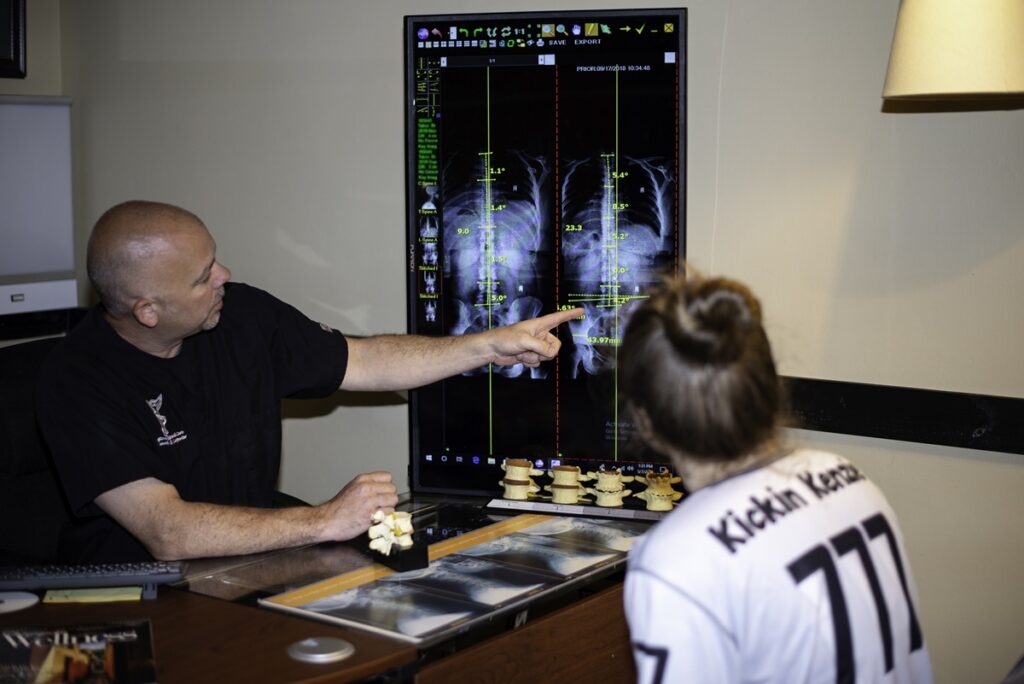
At Lexington Spinal Care, Dr. Edward Carpenter begins with a comprehensive evaluation that includes a health history review, a physical and neurological assessment, and — when necessary — imaging to get a clear picture of what’s happening in the spine. This thorough approach ensures that care is tailored to each patient’s specific situation rather than taking a generic, one-size-fits-all approach.
Spinal adjustments are often a central part of chiropractic care for leg pain. These precise, controlled movements are designed to restore proper motion and alignment to spinal joints that may be restricted or misaligned. When vertebrae move better and nerve roots have more space, the pain signals traveling down the legs often begin to decrease. Research suggests that spinal manipulation can be effective for conditions like sciatica and lumbar radiculopathy, and organizations like the American College of Physicians include spinal manipulation among the conservative options for managing low back and related leg pain.
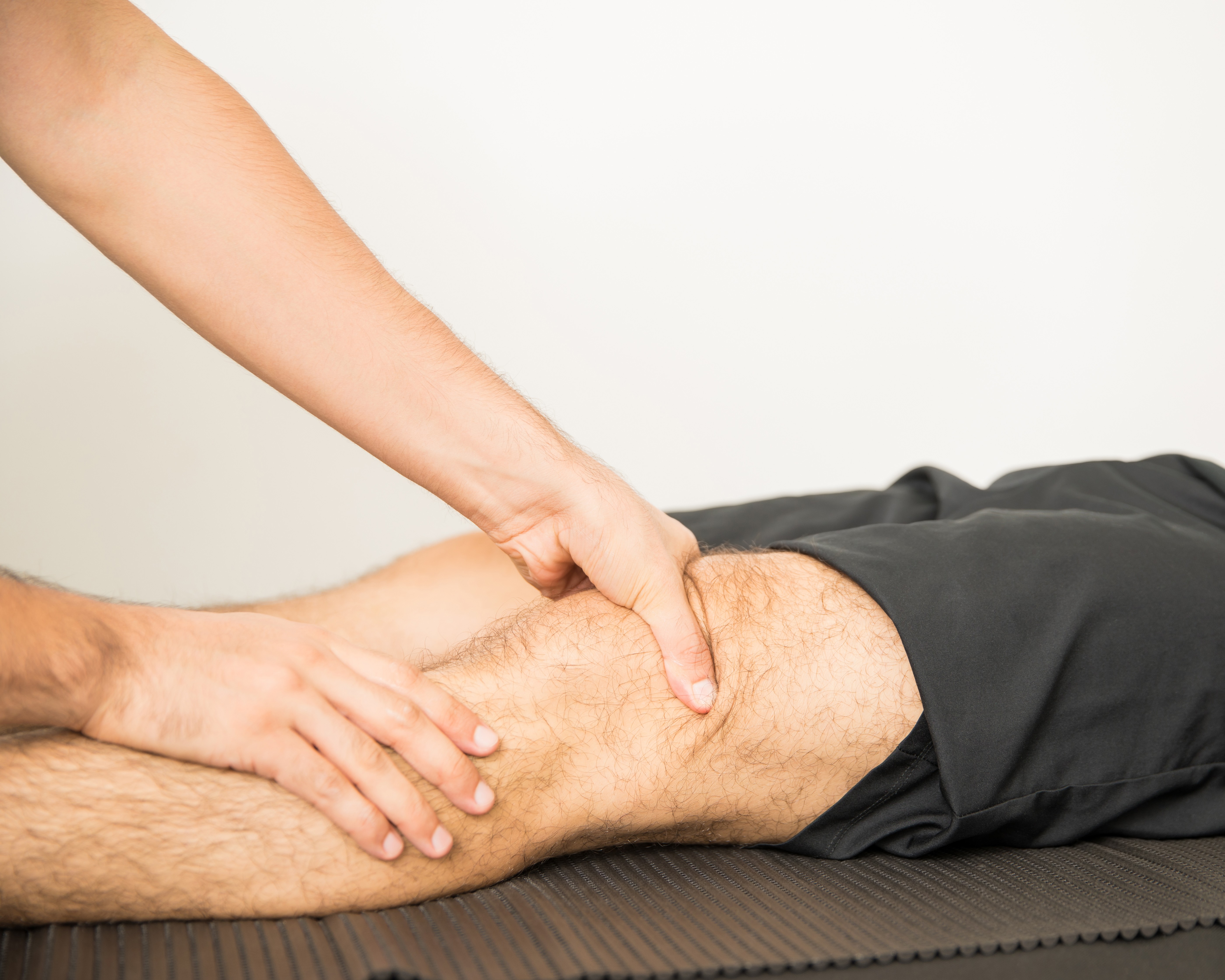
In addition to adjustments, care at Lexington Spinal Care may also include soft tissue therapies, rehabilitative exercises, and lifestyle guidance — all working together to address the whole person, not just the symptom. Many patients here in Lexington, SC find that this integrated approach helps them not only feel better but also understand how to prevent future episodes.
Practical Tips to Support Your Recovery
While professional chiropractic care is essential for addressing the underlying causes of leg pain, there are several practical steps you can take in your daily life to support your recovery and protect your spine. These aren’t replacements for treatment — they’re habits that work alongside it.
Movement is one of the most important things you can do. Prolonged sitting puts significant pressure on the lumbar discs and can aggravate nerve compression. If your job or lifestyle requires a lot of sitting, try standing up and gently walking for a few minutes every 30 to 45 minutes. This keeps blood flowing and reduces the cumulative load on your lower back.
Pay attention to how you sleep. Sleeping on your side with a pillow between your knees can reduce stress on the lumbar spine and sacroiliac joints, which often contribute to leg pain. Avoid sleeping flat on your stomach, as this position tends to increase lumbar stress and can worsen nerve irritation over time.
Footwear matters more than most people realize. Unsupportive shoes — especially flat sandals or worn-out sneakers — can alter the mechanics of your entire lower body, putting added strain on your knees, hips, and lower back. Wearing supportive, well-fitted footwear is a simple change that can make a meaningful difference. If you’re unsure whether your footwear is contributing to your symptoms, it’s worth asking Dr. Edward Carpenter during your evaluation at Lexington Spinal Care.
Staying hydrated is also relevant here. The intervertebral discs in your spine are largely made of water, and they rely on adequate hydration to maintain their height and shock-absorbing capacity. Chronic dehydration can contribute to disc degeneration over time, which increases the risk of nerve compression and leg pain.
When to See a Chiropractor for Leg Pain
If your leg pain has persisted for more than a week or two without improvement, or if it’s severe enough to interrupt your daily activities or sleep, it’s time to get a professional evaluation. Chiropractic care is particularly well-suited for leg pain that appears to have a spinal or musculoskeletal component — especially if imaging or previous evaluations haven’t led to a clear solution.
Patients who experience shooting or radiating pain down the leg, numbness or tingling in the foot or toes, or leg weakness alongside back discomfort are especially good candidates for a chiropractic evaluation. These symptoms often point to nerve involvement that responds well to spinal care when addressed early.
However, there are certain red flag symptoms that require immediate medical attention rather than chiropractic care. Sudden severe leg pain combined with swelling and redness in the calf may indicate deep vein thrombosis. Leg pain associated with significant trauma, unexplained weight loss, or loss of bladder or bowel control warrants urgent medical evaluation. Dr. Edward Carpenter and the team at Lexington Spinal Care are trained to recognize these situations and will always refer patients to the appropriate provider when necessary.
Leg Pain Triggers and Contributing Factors
| Type of Leg Pain | Common Cause | Chiropractic Relevance |
|---|---|---|
| Radiating pain down the back of the leg | Sciatic nerve compression (sciatica) | High — often responds well to spinal adjustments |
| Numbness or tingling in the foot | Lumbar nerve root compression (L4, L5, S1) | High — spinal evaluation essential |
| Hip and outer thigh aching | Sacroiliac joint dysfunction or piriformis syndrome | High — pelvis and hip alignment addressed |
| Knee pain with back stiffness | Referred pain from lumbar spine or postural imbalance | Moderate — postural correction may help |
| Calf cramping with prolonged sitting | Muscular tension or vascular factors | Moderate — movement habits and soft tissue care |
| Sudden leg swelling and redness | Possible deep vein thrombosis (DVT) | Low — requires immediate medical referral |
Myths vs. Facts About Leg Pain and Chiropractic Care
Myth: Leg Pain Always Means a Problem in the Leg Itself
Fact: While injuries to muscles, tendons, and joints within the leg do happen, a significant portion of chronic or radiating leg pain originates in the spine or pelvis. Nerve compression in the lumbar region is one of the most common causes of leg symptoms, which is why evaluating the spine is a critical step in understanding leg pain.
Myth: Chiropractic Care Is Only for Back Pain
Fact: Chiropractic care addresses the entire musculoskeletal and nervous system, not just the back. Because the spine controls nerve function throughout the body — including in the legs — chiropractors frequently help patients experiencing hip pain, sciatica, knee discomfort, and other lower extremity symptoms that have a spinal component.
Myth: You Should Just Rest Until the Pain Goes Away
Fact: While rest can be helpful in the short term after an acute injury, prolonged inactivity often makes musculoskeletal pain worse. Evidence-based guidelines consistently recommend staying as gently active as tolerated, and seeking professional evaluation for pain that persists beyond a few days rather than waiting it out indefinitely.
Myth: Chiropractic Adjustments Are Dangerous for Nerve Pain
Fact: When performed by a licensed and trained chiropractor, spinal adjustments are considered safe and are supported by research for conditions involving nerve-related leg pain such as sciatica. A thorough evaluation is always performed first to rule out any contraindications and ensure care is appropriate for the individual patient.
Myth: If the Pain Goes Away on Its Own, There Is No Underlying Problem
Fact: Pain is the last symptom to appear and the first to go — meaning that when pain resolves, the underlying structural dysfunction may still be present. Recurrent episodes of leg pain often indicate that the root cause hasn’t been fully addressed, which is why a professional evaluation can be valuable even after symptoms seem to improve.
Final Thoughts From Lexington Spinal Care
Living with leg pain is exhausting, and it can feel discouraging when you don’t know where it’s coming from or how to make it stop. But here in Lexington, SC, you don’t have to figure it out alone. At Lexington Spinal Care, Dr. Edward Carpenter takes the time to listen, evaluate thoroughly, and explain what’s going on in a way that actually makes sense. The goal isn’t just to reduce pain — it’s to help you understand your body better and give you the tools to maintain your health for the long run.
Chiropractic care isn’t a magic fix, and it’s not right for every situation. But for the many patients whose leg pain has a spinal or musculoskeletal origin, it offers a meaningful, natural path forward that doesn’t rely on long-term medication or invasive procedures. If you’ve been dealing with leg pain and you’re ready to take the first step toward understanding what’s really going on, the team at Lexington Spinal Care is here to help.
Frequently Asked Questions
Can a chiropractor really help with leg pain?
Yes, in many cases. When leg pain has a spinal or nerve-related cause — such as sciatica, lumbar disc problems, or sacroiliac joint dysfunction — chiropractic care can be highly effective. Dr. Edward Carpenter performs a full evaluation to determine whether your leg pain is likely to respond to chiropractic treatment.
How long does it take to see improvement in leg pain with chiropractic care?
This varies depending on the severity of the condition, how long it has been present, and individual health factors. Some patients notice improvement after a few visits, while others with more complex or longstanding conditions may require more time. Your care plan at Lexington Spinal Care will be tailored to your specific situation.
Is sciatica the same thing as general leg pain?
Not exactly. Sciatica refers specifically to pain, numbness, or tingling caused by irritation or compression of the sciatic nerve, and it typically follows a specific path from the lower back through the buttock and down the leg. General leg pain can have many causes, not all of which involve the sciatic nerve.
Do I need a referral to see a chiropractor for leg pain?
In most cases, no. Chiropractors are primary care providers for musculoskeletal conditions, meaning you can typically schedule an appointment directly. If you’re unsure, you can always call Lexington Spinal Care in Lexington, SC to ask about the process.
What should I expect during my first visit for leg pain at a chiropractic office?
Your first visit will typically include a detailed health history, a physical and orthopedic examination, and a discussion of your symptoms and goals. Dr. Edward Carpenter will use this information to determine whether chiropractic care is appropriate and to begin building a personalized care plan.
Can leg pain come back after chiropractic treatment?
Recurrence is possible, particularly if the underlying lifestyle factors — such as poor posture, prolonged sitting, or weak core muscles — aren’t addressed. That’s why care at Lexington Spinal Care often includes education and practical guidance to help patients support their results long-term.
TL;DR — Key Takeaways
- Leg pain often originates in the spine or pelvis rather than the leg itself, and addressing the source is more effective than treating only the symptoms.
- Sciatica, lumbar disc problems, and sacroiliac joint dysfunction are common spinal causes of leg pain that chiropractic care may help address.
- Dr. Edward Carpenter at Lexington Spinal Care in Lexington, SC takes a whole-body approach — evaluating the spine, nervous system, and overall function before developing a personalized care plan.
- Daily habits like reducing prolonged sitting, wearing supportive footwear, and staying hydrated can support your chiropractic care and help prevent future episodes.
- Certain leg pain symptoms — such as sudden calf swelling or pain with loss of bladder control — are red flags that require immediate medical attention rather than chiropractic care.