If you're experiencing lower back pain, I understand how daunting it can be to find effective relief. Many people feel like a solution is just out of reach, but I'm here to tell you that with a targeted approach, you can experience significant improvements in just 30 days. As a local chiropractor, I believe in the power of natural healing, and I want to share some strategies that can help you.
First, we focus on core strengthening exercises that bolster the muscles supporting your spine. These exercises can help alleviate pressure on your lower back. Additionally, incorporating daily stretching into your routine can improve flexibility and reduce tension. It's also essential to make ergonomic adjustments in your workspace and daily activities to support proper posture.
Moreover, I recommend integrating mindfulness practices into your day. Techniques like deep breathing or meditation can help you manage stress, which often contributes to pain. Surrounding yourself with a supportive network can also make a significant difference in your recovery journey.
Are you curious about the specific chiropractic techniques and natural healing methods that can lead to lasting relief? Together, we can explore a personalized plan that empowers you to transform your experience and regain control over your body. Let's work towards a pain-free life!
Understanding Lower Back Pain
As a local chiropractor, I want to shed light on the common issue of lower back pain that many of you may experience at some point in your lives. Whether it manifests as a dull ache or a sharp twinge, this discomfort can significantly hinder your daily activities and diminish your overall quality of life. Understanding the underlying causes of your lower back pain is crucial for finding effective, natural solutions.
Lower back pain can stem from a variety of factors. For instance, muscle strains, ligament sprains, and injuries from overexertion are frequent culprits. Poor lifting techniques or sudden, awkward movements can also contribute to your discomfort. Additionally, chronic conditions like arthritis or herniated discs may lead to persistent pain. By identifying the root cause of your pain, we can tailor a chiropractic approach that promotes healing and relief.
It's important to listen to your body and observe how it reacts during various activities. You might find that certain movements or positions worsen your discomfort, while others offer relief. Keeping a pain diary can be an excellent tool for tracking these patterns, providing valuable insights for both you and me as your chiropractor.
Lifestyle factors, such as stress, weight, and physical activity levels, can also play a significant role in your lower back pain. Addressing these elements holistically can enhance our approach to managing your discomfort.
As you embark on this journey to understand your lower back pain, remember that you aren't alone. With the right knowledge, chiropractic care, and proactive strategies, you can regain control over your discomfort and significantly improve your well-being. I'm here to guide you every step of the way!
The Importance of Posture
As a local chiropractor, I want to emphasize the vital role that good posture plays in maintaining your overall health, especially when it comes to preventing and alleviating lower back pain.
When you practice proper alignment, you significantly reduce the strain on your spine and the surrounding muscles, which can lead to less discomfort and a decreased likelihood of developing chronic pain.
By being mindful of your posture throughout your daily activities, you can make meaningful improvements to your lower back health.
Here are some key benefits of maintaining good posture:
- Reduces muscle fatigue: When your body is aligned correctly, your muscles can operate more efficiently, which helps minimize fatigue throughout the day.
- Improves circulation: Good posture helps open up blood vessels, allowing for improved blood flow to your muscles and tissues, which is essential for healing and vitality.
- Enhances breathing: Standing or sitting upright allows your lungs to expand fully, leading to better oxygen intake—an often overlooked aspect of overall wellness.
- Boosts confidence: Good posture can positively affect your self-esteem and presence, making you feel more assured in social situations.
- Prevents injuries: Proper alignment helps distribute weight evenly across your body, decreasing the risk of strains and injuries.
To enhance your posture, I encourage you to be conscious of how you sit, stand, and move throughout your daily routine.
Whether you're working at your desk, driving, or even walking, take the time to check in with your alignment.
If you notice yourself slouching, pause and correct your posture.
These small adjustments can lead to significant improvements in how your body feels and functions.
Remember, good posture isn't just about looking good; it's a critical component of maintaining a healthy back and preventing pain.
If you're unsure about your posture or experiencing discomfort, consider scheduling a consultation with me so we can discuss personalized strategies for improvement.
Daily Stretching Routines
As a local chiropractor, I want to emphasize that maintaining proper posture is just one aspect of ensuring a healthy back. One of the most beneficial practices you can adopt is incorporating daily stretching routines into your lifestyle. Stretching not only enhances flexibility but also helps to reduce muscle tension and improves blood flow to your back, all of which are crucial in alleviating lower back pain.
I recommend starting your day with a simple stretching routine that takes about 10-15 minutes. Focus on stretches that target your lower back and the surrounding muscle groups. One of my favorite stretches is the Cat-Cow pose. This involves moving between arching and rounding your back, which can significantly increase spinal flexibility and decrease stiffness.
Another effective stretch is the Child's Pose, which allows your back to lengthen and relax. Don't overlook the importance of hamstring stretches, either. Tight hamstrings are often a contributing factor to lower back discomfort. A great way to stretch them is by standing and gently reaching for your toes while keeping your knees slightly bent. Hold this position for 15-30 seconds to really feel the stretch in the back of your legs.
As you prepare to wind down your day, I suggest incorporating a gentle supine spinal twist into your routine. Lie on your back, draw one knee into your chest, and then let it fall across your body while keeping your shoulders grounded. This stretch is excellent for relieving tension in the lower back.
Remember, consistency is essential. Aim to stretch daily and pay close attention to how your body feels. Over time, you'll likely notice increased flexibility and a reduction in discomfort. By dedicating just a few minutes each day to stretching, you're making a valuable investment in your overall back health and well-being.
If you have any questions or need guidance on specific stretches, don't hesitate to reach out!
Core Strengthening Exercises
As a local chiropractor, I want to emphasize the importance of building core strength for the health of your lower back. Strong core muscles play a vital role in supporting your spine, which can help prevent pain and discomfort.
Engaging in effective core exercises not only improves your stability but also enhances your overall fitness, contributing to a healthier lifestyle.
To ensure you reap the benefits of these exercises, consistency is key. I encourage you to incorporate core strengthening activities into your routine regularly.
Here are some practical tips to help you stay committed to your core health journey. Remember, taking care of your body naturally can lead to lasting improvements in your well-being!
Importance of Core Strength
As a local chiropractor, I want to emphasize the importance of a strong core for your overall back health. Many people are unaware that a well-developed core is crucial for providing stability and support to your spine. By strengthening your core, you're not just protecting your lower back; you're also enhancing your overall physical performance.
Here are some key benefits of developing a strong core that I encourage my patients to consider:
- Improved Posture: A strong core helps keep your spine properly aligned, which reduces strain on your back and can alleviate discomfort.
- Enhanced Stability: When your core is stable, you can perform daily activities and exercises with better control, making movements safer and more efficient.
- Reduced Pain: By strengthening your core muscles, you can relieve pressure on your lower back, which often leads to less pain and discomfort.
- Better Athletic Performance: Whether you enjoy running, lifting weights, or participating in sports, a strong core can improve your efficiency and performance levels.
- Injury Prevention: A strong core acts as a protective shield for your back and other muscles during physical activities, significantly reducing the risk of injuries.
Focusing on core strength isn't only beneficial for alleviating current lower back pain but also lays the groundwork for a healthier, more active lifestyle.
I encourage all my patients to prioritize their core strength to enjoy lasting benefits and enhance their overall well-being!
Effective Core Exercises
As a chiropractor dedicated to enhancing your overall well-being, I want to emphasize the importance of incorporating effective core exercises into your routine for better lower back health. A strong core not only supports your spine but also plays a crucial role in preventing pain and discomfort.
Let's start with planks, which are fantastic for engaging multiple muscle groups. I recommend holding a plank position for 20-30 seconds to begin with. As you build strength, you can gradually increase the duration. This simple exercise can make a significant difference in your core stability.
Next on our list are bridges. To perform this exercise, lie on your back with your knees bent and feet flat on the floor. Gently lift your hips towards the ceiling while squeezing your glutes at the top. Hold that position for a few seconds before lowering your hips back down. Aim for 10-15 repetitions to effectively strengthen your lower back and glutes.
Another beneficial exercise to include is the dead bug. Lie on your back with your arms extended towards the ceiling and your legs raised at a 90-degree angle. Slowly lower one arm and the opposite leg toward the floor, then return to the starting position and repeat on the other side. Completing 10-12 reps on each side will help improve coordination and core strength.
Lastly, I encourage you to try bird dogs. Begin on all fours, extending one arm forward while simultaneously extending the opposite leg back. This exercise not only enhances balance and stability but is also essential for supporting your lower back. Aim for 10 repetitions on each side to build strength effectively.
Incorporating these core exercises into your routine can significantly contribute to your spinal health and overall wellness. If you have any questions or concerns about how to integrate these into your lifestyle, please feel free to reach out during your next visit. Your health is our priority!
Tips for Consistency
As a chiropractor, I understand the importance of maintaining a strong core for overall health and wellness. Core strengthening exercises can significantly enhance your stability, posture, and even alleviate back pain.
To help you integrate these exercises into your daily routine, here are some practical tips:
- Set a specific time: Choose a consistent time each day to dedicate a few minutes to your core exercises. Making it a part of your daily schedule can help reinforce the habit.
- Create a workout space: Designate a specific area in your home for your core workouts. This consistent location will signal to your mind that it's time to focus on your health and wellness.
- Use reminders: Set alarms or calendar notifications to remind you when it's time for your core workout. Keeping this commitment at the forefront of your mind is essential for consistency.
- Start small: If you're new to core exercises, I recommend starting with shorter sessions. Gradually increasing the duration and intensity will make it easier for you to stick to your routine without feeling overwhelmed.
- Track your progress: Consider keeping a journal or using an app to log your workouts. Tracking your progress not only provides a sense of accomplishment but also motivates you to continue on your path to better health.
Low-Impact Aerobic Activities
As a local chiropractor, I want to share some valuable insights about low-impact aerobic activities that can greatly benefit your overall health, especially when it comes to minimizing stress on your lower back. Engaging in these exercises not only enhances your cardiovascular fitness but also strengthens the muscles that support your spine, all while avoiding unnecessary strain on your body.
Plus, these activities can significantly boost your mood and help alleviate feelings of stress and anxiety.
One of the most straightforward and accessible forms of low-impact exercise is walking. Just dedicating 30 minutes a day can lead to remarkable improvements in your health. You can walk in your neighborhood, on a treadmill, or enjoy the fresh air at a local park—choose the environment that suits you best!
Another excellent option is swimming, which provides a comprehensive full-body workout, and the buoyancy of the water helps reduce pressure on your joints and lower back. If you're looking for a more structured setting, I highly recommend considering a water aerobics class.
Cycling is also a fantastic low-impact exercise, whether you prefer a stationary bike or cycling outdoors. It gets your heart rate up while being gentle on your back. You can easily adjust the seat height for maximum comfort and support.
And let's not forget about dancing! Activities such as Zumba or ballroom dancing can be a fun way to elevate your heart rate while keeping the impact low.
Incorporating these activities into your weekly routine can help build the endurance and strength that are crucial for maintaining a healthy back. I encourage you to aim for at least 150 minutes of moderate aerobic activity each week.
Always pay attention to your body, and if something doesn't feel right, don't hesitate to modify your approach. Remember, taking care of your lower back is essential, and these low-impact activities can make a significant difference in your overall well-being!
Heat Therapy Techniques
As a local chiropractor, I want to share with you the benefits of heat therapy techniques for relieving lower back pain. Many of my patients have found that these methods promote relaxation and help ease muscle tension. When you apply heat to the lower back, it increases blood flow and soothes tight muscles, making it an effective approach to alleviate discomfort.
Here are some methods you might consider integrating into your routine:
- Heating Pads: These are incredibly user-friendly and can be placed directly on the lower back for focused relief. They allow for convenient application while you go about your day.
- Warm Baths: Soaking in a warm bath not only relaxes your muscles but also provides a comforting and soothing experience for the entire body.
- Hot Water Bottles: Filling a hot water bottle with warm water and resting it on your back can deliver immediate relief, especially after a long day.
- Heat Wraps: These wraps are designed to mold to your body, offering consistent warmth and are ideal for those who need relief on the go.
- Sauna Sessions: Spending time in a sauna can significantly relax your body and mind, making it a wonderful way to relieve stress while also helping with muscle relaxation.
To maximize the benefits of heat therapy, it's vital to ensure the heat isn't too intense. Always test the temperature on your skin to prevent burns. I recommend applying heat for about 15 to 20 minutes at a time.
Incorporating this technique into your self-care routine can significantly enhance your comfort and overall well-being. Listening to your body is crucial; if you experience increased pain or discomfort, please don't hesitate to reach out to me or another healthcare professional.
We're here to support you on your journey to better health through chiropractic care and natural healing methods.
Cold Therapy Applications
As a local chiropractor, I want to share some valuable insights about cold therapy applications and how they can help you manage lower back pain and reduce inflammation naturally. Many of my patients find relief through this simple yet effective method.
When you apply cold to the affected area, it constricts blood vessels, which minimizes swelling and provides a numbing effect that can alleviate pain. This approach is particularly beneficial following an acute injury or a flare-up, as it offers immediate relief.
To effectively use cold therapy, start by wrapping ice or a cold pack in a thin cloth. It's important to avoid placing ice directly on your skin, as this can lead to frostbite. Apply the cold pack to your lower back for 15 to 20 minutes at a time. You can repeat this process every hour as needed, especially during the first couple of days after an injury.
Make sure to allow your skin to warm up between applications to prevent irritation. If you don't have an ice pack available, you can use a bag of frozen vegetables or a cold towel soaked in ice water, ensuring you follow the same cloth-wrapping precaution.
Cold therapy can also be beneficial for those experiencing chronic pain, as incorporating it into your routine may enhance your overall comfort and mobility.
While cold therapy is an excellent tool for managing inflammation and pain relief, it's crucial to listen to your body. If you experience increased pain or discomfort while using cold therapy, stop and consult with a healthcare professional.
Over-the-Counter Medications
As a local chiropractor, I often see patients struggling with lower back pain, and I want to share some insights on managing this discomfort with natural healing methods.
Over-the-counter medications can provide quick relief, but it's essential to understand the common options available, how to use them safely, and the potential side effects they may have on your body.
While these medications can help in the short term, I encourage you to consider a holistic approach to your pain management. Chiropractic care focuses on addressing the root causes of pain rather than just masking the symptoms.
By incorporating adjustments and other natural healing techniques, you may find more effective and lasting relief from your lower back pain.
It's important to educate yourself on all aspects of pain management, including the role of over-the-counter medications and the benefits of chiropractic care.
Together, we can create a comprehensive plan that suits your needs and helps you achieve a healthier, pain-free lifestyle.
Common Over-the-Counter Options
As a local chiropractor, I want to help you understand how over-the-counter (OTC) medications can play a role in managing lower back pain, especially if you're not familiar with chiropractic care and natural healing approaches.
While I believe in the benefits of chiropractic treatment for addressing the root causes of pain, I also recognize that OTC options can offer immediate relief in certain situations. Here are some common OTC choices:
- Ibuprofen: This non-steroidal anti-inflammatory drug (NSAID) is effective at reducing inflammation and alleviating pain, which can be beneficial in the short term.
- Acetaminophen: If you have a sensitive stomach or are unable to take NSAIDs, acetaminophen can be a suitable alternative for pain relief.
- Naproxen: With its longer-lasting effects, naproxen may be a good choice for those dealing with chronic discomfort.
- Topical analgesics: Consider using creams or patches that you can apply directly to the skin for targeted relief from pain in specific areas.
- Muscle relaxants: Some OTC muscle relaxants can help ease tension in the muscles that may be contributing to your pain.
While these medications can provide temporary relief, it's essential to remember that they aren't a long-term solution. They may mask the symptoms but won't address the underlying issues that could be causing your discomfort.
I encourage you to listen to your body and reach out to a healthcare professional, such as a chiropractor, if your pain persists or worsens.
Dosage and Usage Guidelines
As a local chiropractor, I want to provide you with valuable information about managing lower back pain through proper dosage and usage guidelines for over-the-counter (OTC) medications. Understanding these guidelines is crucial for your safety and well-being as you begin your journey toward natural healing.
When considering nonsteroidal anti-inflammatory drugs (NSAIDs), such as ibuprofen or naproxen, it's important to read the label closely for specific instructions. For ibuprofen, the general recommendation is to take 200-400 mg every 4 to 6 hours, but be sure not to exceed 1,200 mg in a 24-hour period unless advised by your healthcare provider.
For naproxen, a typical dose is 220 mg every 8 to 12 hours, with a maximum of 660 mg per day.
Acetaminophen is another alternative you might consider. The usual dosage is 500-1,000 mg every 4 to 6 hours, but it's crucial to avoid going over 3,000 mg in a single day without consulting with a healthcare professional. Taking these medications with food or water can help minimize the risk of stomach irritation.
If you're taking multiple medications, please be mindful of potential interactions. It's wise to space out your doses and keep a record of what you're taking.
However, I encourage you to remember that while OTC medications can offer temporary relief, they don't address the underlying issues related to back pain.
If you find that your pain persists for more than a few days despite following these guidelines, please don't hesitate to reach out. As a chiropractor, I'm here to help you explore natural healing methods and evaluate your condition for more effective, holistic management of your lower back pain.
Your journey to wellness is important, and together we can find the best approach for your needs.
Potential Side Effects
As a local chiropractor, I want to help you understand the options available for managing lower back pain, particularly when it comes to over-the-counter (OTC) medications.
While these medications may provide some temporary relief, it's crucial to be aware of the potential side effects they may cause. Understanding these risks can empower you to make informed decisions about your pain management approach.
- Gastrointestinal Issues: Some OTC medications can lead to stomach upset, ulcers, or even bleeding, particularly if they're used over an extended period.
- Kidney Damage: Excessive use of certain pain relievers can affect your kidneys, which is especially concerning for individuals with pre-existing kidney issues.
- Allergic Reactions: It's possible to experience allergic reactions such as rashes, itching, or swelling after taking some medications, which can be uncomfortable and concerning.
- Liver Damage: Taking high doses of acetaminophen, for example, can put your liver at risk, especially if alcohol is consumed concurrently.
- Increased Blood Pressure: Non-steroidal anti-inflammatory drugs (NSAIDs) have been known to elevate blood pressure, which can be particularly worrisome for those with hypertension.
Being aware of these potential side effects is essential as you consider your options for managing lower back pain.
I encourage you to explore natural healing methods, such as chiropractic care, which can offer a holistic approach to pain relief without the risks associated with medications.
Always feel free to reach out to me or another healthcare professional to discuss your concerns, especially if you have existing health conditions or are currently taking other medications.
Your health and well-being are my top priorities, and I'm here to support you on your journey to better health.
Mindfulness and Meditation
As a local chiropractor, I want to share with you some powerful tools that can help manage lower back pain through mindfulness and meditation. These practices not only address physical discomfort but also help alleviate mental stress, creating a holistic approach to your well-being.
I encourage you to dedicate just a few minutes each day to mindfulness. Find a quiet spot where you can relax without interruptions. Sit comfortably, close your eyes, and focus on your breathing. Inhale deeply, feeling the air fill your lungs, and as you exhale, consciously release any tension, particularly in your lower back.
It's important to acknowledge any pain you may be experiencing without judgment, but rather than fixating on it, allow yourself to develop a healthier relationship with that discomfort.
You might also find guided meditations helpful, especially those specifically designed for pain relief. There are numerous apps and online resources available that can guide you through the process. These sessions often use visualization techniques, helping you imagine your pain dissolving or transforming into something more manageable.
Incorporating mindfulness into your daily routine can also bolster your mental resilience. When faced with stress or anxiety, you'll find it much easier to pause and respond thoughtfully instead of reacting impulsively.
This shift in perspective not only enhances your ability to cope with back pain but also enriches your overall quality of life. Remember, consistency is key; even short daily practices can lead to significant improvements over time.
As your chiropractor, my goal is to support you on your journey towards natural healing and pain relief. Embracing mindfulness and meditation can be a valuable part of that journey, enhancing not only your physical health but also your mental and emotional well-being.
Yoga for Back Pain
As a local chiropractor, I often see patients struggling with lower back pain, and I want to share how yoga can be a valuable addition to your healing journey. The gentle movements and stretches involved in yoga can significantly aid in managing back discomfort. By integrating specific poses into your daily routine, you can enhance flexibility, strengthen your core, and foster relaxation—all of which are crucial for a healthy back.
Here are some key benefits of incorporating yoga into your routine, especially for those dealing with lower back pain:
- Improved Flexibility: Regular yoga practice helps to loosen tight muscles and joints, making it easier for you to move comfortably.
- Strengthened Core: Engaging the core muscles provides essential support to your lower back, helping to alleviate stress on this area.
- Enhanced Posture: Yoga encourages awareness of your body alignment, which can significantly reduce strain on your back.
- Stress Reduction: Techniques such as mindful breathing and meditation help lower tension and anxiety, which can often exacerbate pain.
- Increased Blood Flow: Various poses promote better circulation, aiding recovery and reducing inflammation in the back.
If you're new to yoga, I recommend starting with poses like Cat-Cow, Child's Pose, and Downward-Facing Dog. These positions gently stretch and strengthen your back, helping to alleviate discomfort.
However, it's crucial to listen to your body; if a pose doesn't feel right, it's important not to push through the pain.
Before you start any new exercise regimen, including yoga, I advise consulting with a healthcare professional or a certified yoga instructor, especially if you have pre-existing back issues.
Remember that consistency is essential. Dedicating just a few minutes each day to yoga can have a positive impact on your back health and overall well-being.
Pilates for Core Stability
As a local chiropractor, I want to emphasize the importance of core stability in managing lower back pain. One effective method to strengthen your core is through Pilates, which focuses on not just your abdominal muscles but also your back, hips, and pelvic floor.
By incorporating regular Pilates sessions into your routine, you can enhance your muscle control and improve your posture—both of which are vital for alleviating strain on your lower back.
Pilates involves controlled movements that emphasize proper alignment and balance. This precision allows you to build strength without putting unnecessary stress on your spine. By learning to activate your core muscles, you create a natural support system for your lower back, which can significantly reduce discomfort.
I recommend starting with foundational exercises like the pelvic curl or the hundred. These movements are specifically designed to engage your core while promoting flexibility and stability.
As you become more comfortable, you can gradually introduce more advanced exercises, always prioritizing proper form to avoid injury. Consistency is essential; aim for at least two to three Pilates sessions each week for the best results.
Beyond the physical benefits, Pilates also fosters greater body awareness. You'll learn to be more mindful of your movements and how to adjust your posture throughout the day, which can help prevent future episodes of back pain.
Incorporating Pilates into your routine can lead to significant improvements in your core stability and help you effectively manage and reduce lower back pain.
Ergonomic Workspace Setup
As a local chiropractor, I want to emphasize the importance of creating an ergonomic workspace to help prevent lower back pain, especially for those of you who spend long hours at a desk.
By adjusting your workspace to better fit your body, you can significantly reduce discomfort and enhance your productivity. Here are some essential elements to consider for an ergonomic setup:
- Chair Height: It's vital that your chair allows your feet to rest flat on the floor, with your knees positioned at a 90-degree angle. This alignment supports proper posture and helps reduce strain on your lower back.
- Desk Height: Ensure your desk is at elbow height while you're seated. This positioning keeps your arms at a comfortable angle during typing, which is crucial for avoiding strain and discomfort.
- Monitor Position: Your monitor should be placed at eye level, roughly an arm's length away. This helps you maintain a neutral neck position and minimizes the risk of straining your neck and back.
- Keyboard and Mouse: Keep your keyboard and mouse close to your body to prevent reaching. Your wrists should be straight, and your hands should be slightly below elbow level to promote optimal wrist health.
- Regular Breaks: I strongly encourage you to take short breaks every hour to stand, stretch, and move around. These breaks not only help alleviate muscle tension but also promote better circulation throughout your body.
By implementing these adjustments, you can create a more comfortable and supportive workspace.
This allows you to focus on your work rather than on any pain you might be experiencing.
Remember, a well-organized and thoughtfully designed environment can significantly impact your overall well-being.
Proper Lifting Techniques
As your local chiropractor, I want to emphasize the importance of proper lifting techniques to protect your back and overall health. Many people may not realize that using the right methods when lifting heavy objects can significantly reduce the risk of injury and discomfort.
When lifting, it's crucial to bend at your knees rather than your waist. This technique helps to engage your powerful leg muscles, taking the strain off your back. Additionally, keep the load close to your body—this reduces the leverage on your spine and makes it easier to lift.
Maintaining a neutral spine, where your back is straight and aligned, is also essential.
By following these simple yet effective steps, you can prevent unnecessary strain and promote better healing in your body. Remember, how you lift today can make a big difference in how you feel tomorrow.
If you have any questions or need further guidance, please don't hesitate to ask during your next visit!
Bend at the Knees
As a local chiropractor, I want to emphasize the importance of proper lifting techniques to help you prevent lower back pain. One of the most crucial rules to follow is to always bend at the knees. This simple adjustment can make a significant difference in how your body feels.
By bending at your knees, you're not only maintaining better posture but also reducing the strain on your lower back. When you bend at the knees, you engage the strong muscles in your legs instead of putting all the pressure on your back, which can lead to discomfort or injury.
Here are some essential tips to keep in mind:
- Stand close to the object: This reduces the distance you have to lift and minimizes strain on your back.
- Feet shoulder-width apart: A stable base is vital for a safe lift. It helps you maintain balance.
- Keep your back straight: Try to maintain a natural curve in your spine while lifting. This posture helps prevent injuries.
- Lift with your legs: Your leg muscles are stronger than your back muscles. Use them to do the heavy lifting.
- Avoid twisting: Always keep your body facing forward while lifting. This position helps reduce the risk of injury.
By integrating these techniques into your daily routine, you can support your back health and enhance your overall well-being.
Keep Load Close
As a local chiropractor, I want to share some vital lifting techniques that can significantly reduce your risk of lower back pain. One of the most important practices is keeping the load close to your body while lifting. When you extend the load away from your torso, it places extra strain on your back muscles and spine, making injuries more likely. To protect yourself, always position the object as close to your body as possible. This reduces leverage against your spine and lowers your risk of injury.
Before you lift, I recommend engaging your core muscles. This provides essential support for your back during the lifting process. Stand with your feet shoulder-width apart and bend your knees to lower yourself to the object. Grip it firmly, ensuring your elbows are tucked in.
As you lift, focus on pushing through your legs. This way, you're using your lower body strength instead of relying solely on your back, which not only enhances your lifting efficiency but also safeguards your spine.
If you need to change direction while carrying the load, pivot with your feet instead of twisting your back. This technique helps you maintain a safe posture and minimizes the risk of injury.
Maintain Neutral Spine
As your local chiropractor, I want to emphasize the importance of maintaining a neutral spine, especially when it comes to lifting objects safely and effectively. A neutral spine is crucial for distributing weight evenly across your back, which can significantly reduce the risk of injury.
Here are some key techniques to help you keep that alignment while lifting:
- Stand Close: Always position yourself as near to the object as you can. This minimizes the strain on your back.
- Bend at the Hips and Knees: Remember to use your legs for lifting, not your back. This approach helps protect your spine from unnecessary stress.
- Keep Your Chest Up: Maintaining an elevated chest position supports the natural curvature of your spine, which is vital for spinal health.
- Engage Your Core: By tightening your abdominal muscles, you provide added support to your spine during the lift.
- Lift with Control: Always move smoothly and avoid twisting your torso, as this can lead to injury.
Before you attempt to lift anything, take a moment to assess the weight. If it feels too heavy or awkward, don't hesitate to ask for assistance or use equipment designed for lifting.
By practicing these techniques, you not only enhance your safety but also contribute to strengthening your back over time.
Ultimately, our goal is to minimize strain on your lower back and prevent discomfort. By incorporating proper lifting techniques into your daily routines, you'll significantly improve your back health and overall well-being.
If you have any questions or concerns about your spine or lifting techniques, please feel free to reach out during your next visit!
Weight Management Strategies
As a local chiropractor, I want to emphasize the significant role that weight management can play in alleviating lower back pain. Carrying excess weight places additional stress on your spine and surrounding muscles, which can lead to discomfort and potential injury. To address this issue effectively, it's essential to adopt weight management strategies that prioritize balanced nutrition and regular physical activity.
First, I encourage you to assess your current eating habits. Incorporating whole foods—such as fruits, vegetables, lean proteins, and whole grains—into your diet is vital. These foods not only provide essential nutrients but also help you feel fuller for longer, which can reduce the chances of overeating. Pay attention to portion sizes, and aim to eat smaller, more frequent meals throughout the day. This approach can help you maintain steady energy levels and minimize cravings.
Next, it's crucial to establish a consistent exercise routine that fits your lifestyle. Aim for at least 150 minutes of moderate aerobic activity each week, which can include activities like walking, swimming, or cycling. Don't overlook the importance of strength training either; it helps build muscle, boosts your metabolism, and supports your lower back. Focus on exercises that strengthen your core, as a strong core stabilizes your spine and mitigates the risk of injury.
Lastly, I recommend setting realistic goals for your weight loss journey. Small, attainable milestones will keep you motivated and committed to your health. Remember, the objective isn't just to lose weight but to cultivate sustainable habits that enhance your overall well-being and alleviate lower back pain in the long run.
Consistency is key, and if you ever feel overwhelmed, don't hesitate to seek professional guidance. Together, we can develop a holistic approach to your health that supports both your spine and your overall quality of life.
Massage Therapy Benefits
As a local chiropractor, I want to share with you the remarkable benefits of massage therapy in conjunction with chiropractic care.
Many patients experience lower back discomfort, and massage therapy can be an effective addition to your pain relief regimen. This therapy not only alleviates muscle tension but also fosters relaxation and reduces stress, which are crucial for your overall health.
By integrating massage into your wellness routine, you can better manage chronic pain and enhance your quality of life.
Let's explore how these natural healing methods can work together for your benefit.
Pain Relief Techniques
As a local chiropractor, I want to share how effective natural healing can be for relieving lower back pain. Many people believe that relief is out of reach, but I assure you that techniques such as chiropractic care and massage therapy can provide powerful solutions.
These hands-on approaches focus on realigning your spine, targeting tight muscles, enhancing circulation, and promoting overall healing in your lower back.
Here are some key benefits of incorporating massage therapy into your pain relief strategy:
- Reduces Muscle Tension: Massage therapy helps to alleviate built-up tension in your back muscles, which can contribute to pain and discomfort.
- Enhances Blood Flow: Improved circulation not only feels great but also helps deliver essential nutrients and oxygen to your injured tissues, aiding in recovery.
- Increases Flexibility: Regular sessions can enhance your range of motion, making everyday activities more manageable and enjoyable.
- Promotes Relaxation: The calming effects of massage can significantly reduce stress, helping you to feel more at ease both physically and mentally.
- Supports Better Posture: By addressing muscle imbalances, we can work together to improve your spinal alignment, which is crucial for long-term relief and wellness.
If you're struggling with lower back pain, I encourage you to explore these natural healing methods.
Together, we can create a personalized plan that promotes healing and enhances your overall well-being.
Stress Reduction Benefits
Experiencing stress can significantly impact your mental and physical health, and as a local chiropractor, I want to share how natural healing methods, including massage therapy, can be incredibly beneficial. Incorporating regular massage sessions into your wellness routine can help lower cortisol levels, the hormone associated with stress, allowing you to achieve a state of relaxation and balance.
As you lay on the massage table, not only do your muscles release built-up tension, but this process can also alleviate common issues like lower back pain. This is crucial, as unresolved physical discomfort can exacerbate stress levels and create a cycle of tension.
Moreover, massage therapy encourages your body to release endorphins, which are natural mood enhancers. This dual approach of reducing stress and relieving pain can significantly boost your overall well-being. Many of my patients report improvements in their sleep quality, enhanced energy levels, and a more optimistic outlook on life after incorporating massage therapy into their care plan.
By choosing to engage in massage therapy, you're prioritizing self-care, which is vital for effective stress management. Each session serves as a dedicated moment for you to focus on your body and mind, cultivating a sense of peace that can extend beyond the treatment room.
As you continue to embrace this practice, you'll likely discover that the cumulative benefits lead to a more balanced and healthier lifestyle.
Acupuncture as a Treatment
As a local chiropractor, I want to share with you the benefits of acupuncture as a complementary approach to alleviating lower back pain. This ancient practice, part of Traditional Chinese Medicine, employs thin needles strategically placed on specific points of your body to stimulate healing. By targeting energy pathways known as meridians, acupuncture aims to restore balance and promote your body's natural ability to heal.
Many of my patients have found that acupuncture not only helps reduce pain but also contributes to overall well-being. Here are some key benefits you might experience from acupuncture for lower back pain:
- Pain Relief: Numerous patients report significant relief after just one session, helping to manage their discomfort effectively.
- Reduced Inflammation: Acupuncture can assist in decreasing inflammation and swelling in the affected areas, providing a soothing effect.
- Improved Mobility: With regular treatments, many individuals notice enhanced flexibility and a greater range of motion, which is crucial for daily activities.
- Stress Reduction: The calming effects of acupuncture can help alleviate stress, which often exacerbates pain and discomfort.
- Holistic Healing: This practice addresses the underlying causes of pain rather than simply masking the symptoms, promoting a more comprehensive approach to your health.
If you're considering integrating acupuncture into your wellness routine, I recommend consulting with a licensed acupuncturist. They'll assess your specific condition, create a tailored treatment plan, and guide you throughout the process. Typically, treatment sessions last around 30 to 60 minutes, and many patients find them to be a relaxing experience.
As a chiropractor, I believe in a holistic approach to healthcare, and acupuncture can be a valuable tool in your journey to better health. Together, we can explore the best options for your individual needs.
Chiropractic Adjustments
As a local chiropractor, I want to share how chiropractic adjustments can provide meaningful relief for your lower back pain.
There are several techniques we use, all customized to meet your individual needs and conditions.
It's important to understand the benefits of these adjustments and how frequently you should receive them, as this knowledge can greatly aid you on your path to recovery.
My goal is to help you discover the natural healing power of chiropractic care and how it can improve your overall well-being.
Benefits of Chiropractic Care
As a local chiropractor, I want to share with you the incredible benefits of chiropractic care, especially for those struggling with lower back pain. Many individuals have found that chiropractic adjustments not only provide relief from discomfort but also restore proper alignment and function to their spine, leading to an overall enhancement of well-being.
Here are some key benefits of chiropractic care that you might find interesting:
- Increased Mobility and Flexibility: Regular adjustments can help improve your range of motion, making everyday activities easier and more enjoyable.
- Reduction of Inflammation and Muscle Tension: Chiropractic care can alleviate tension in your muscles and reduce inflammation, promoting a more relaxed state.
- Improved Posture: Our adjustments can help correct postural imbalances, which is particularly important for those who sit for long periods.
- Support for Your Body's Natural Healing Processes: Chiropractic care encourages your body to heal itself, tapping into your innate capabilities.
- Enhanced Physical Performance: Whether you're an athlete or enjoy recreational activities, chiropractic care can help you perform at your best.
Chiropractic care addresses not just the symptoms of lower back pain but also the root causes. By focusing on spinal alignment, we can enhance your body's efficiency and overall function.
Regular adjustments can also play a significant role in preventing future injuries and minimizing the chances of pain returning.
Moreover, many of my patients have shared their experiences of improved sleep quality and reduced stress levels after receiving adjustments. As your body begins to heal and align properly, you may notice a boost in your energy levels and an overall enhanced sense of well-being.
Incorporating chiropractic care into your routine can truly transform how you manage lower back pain while providing long-term health benefits.
Don't overlook the profound impact a properly aligned spine can have on your life! If you have any questions or would like to learn more about how chiropractic care can help you, feel free to reach out. I'm here to help!
Techniques Used by Chiropractors
As your local chiropractor, I want to take a moment to educate you about the various techniques we use to help alleviate lower back pain and enhance your overall well-being. When you come in for a visit, you'll likely experience a range of methods tailored specifically to your needs.
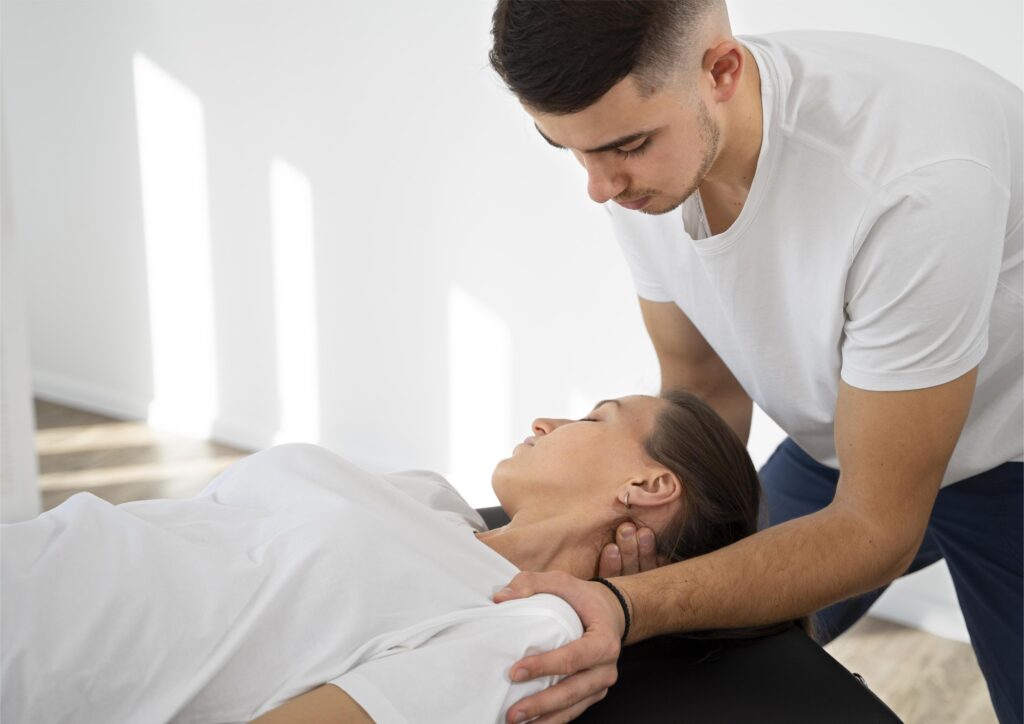
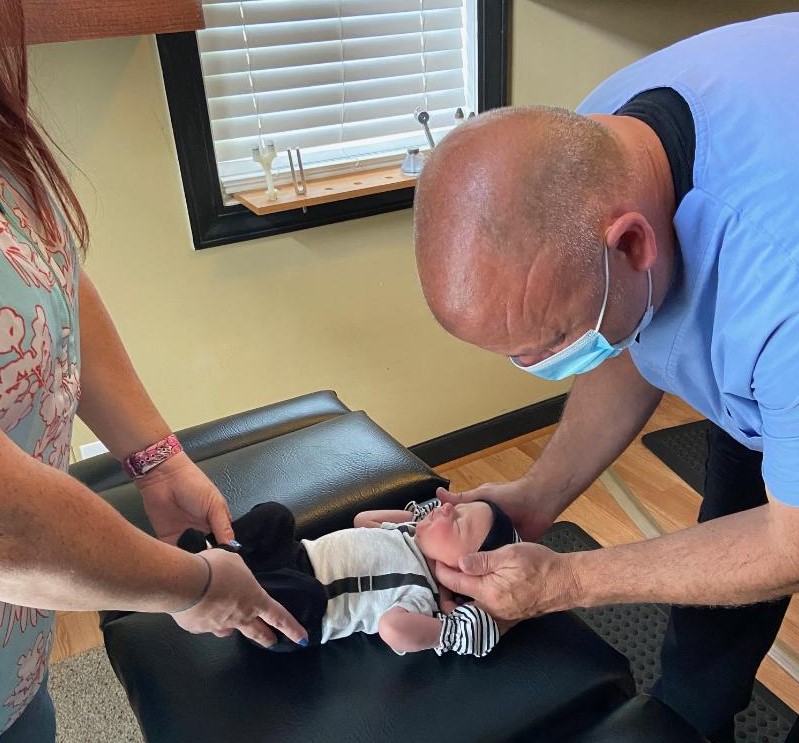
One of the most effective techniques we employ is spinal manipulation. This involves applying controlled force to specific joints in your spine, which helps to restore normal movement, reduce pain, and improve your overall function. Many patients report feeling significant relief after just a few adjustments.
In addition to spinal manipulation, we also utilize soft tissue techniques such as massage and stretching. These methods are designed to relieve tension in the muscles around your lower back, enhance blood flow, and promote healing. Many of our patients find these techniques not only comforting but also instrumental in their recovery process.
For those who prefer a gentler approach or have certain health concerns, we offer tools like activator devices and drop tables. These specialized instruments allow us to perform spinal corrections with a lighter touch while still being effective. Your comfort and safety are our top priorities.
Furthermore, we believe in the power of exercise and stretching. As part of your personalized treatment plan, we may incorporate specific exercises aimed at strengthening your core muscles and improving flexibility. This holistic approach is designed to address your unique needs and help you achieve lasting relief from lower back pain.
Our goal as chiropractors is to empower you with knowledge and provide you with natural healing options that work for you. If you have any questions about our techniques or how chiropractic care can benefit you, please don't hesitate to ask. We're here to support you on your journey to better health!
Frequency of Adjustments Needed
Understanding how often you need chiropractic adjustments is essential for getting the most out of your care. As a local chiropractor, I want to help you navigate this journey, especially if you're new to chiropractic and natural healing.
The frequency of your visits will depend on several factors, including your individual needs, the severity of your lower back pain, and how your body responds to treatment. Here are some key factors that influence how often you might need to see me:
- Severity of Pain: If you're experiencing acute pain, you may need to come in more frequently to address the issue effectively.
- Treatment Goals: If your aim is to maintain long-term health and wellness, you might find that fewer visits are sufficient.
- Response to Treatment: Everyone's body is different; some patients notice improvements quickly, while others may take a bit longer.
- Lifestyle Factors: Your daily activities, stress levels, and overall lifestyle can significantly impact your recovery process.
- Chiropractor's Recommendations: Based on your progress and individual situation, I'll create a personalized care plan just for you.
Typically, most patients begin with 1-2 adjustments per week. As you start to feel better, we can gradually reduce the frequency of your visits.
I encourage open communication about your symptoms and progress; this will help us adjust your plan as needed. By staying consistent with your adjustments, you're more likely to achieve lasting relief and maintain optimal spinal health.
Together, we can work towards your health goals and enhance your overall well-being through natural healing.
Physical Therapy Sessions
Chiropractic care offers a holistic approach to alleviating lower back pain, helping you restore strength and flexibility in a natural way. By consulting with a licensed chiropractor, you'll receive individualized care tailored to your unique situation. Your chiropractor will conduct a thorough assessment to identify the root causes of your pain and develop a personalized treatment plan designed specifically for you.
During your visits, you'll participate in a variety of therapeutic exercises aimed at strengthening your core and back muscles. These exercises not only help relieve pain but also enhance your overall posture and stability. You'll discover vital techniques for performing daily activities with less strain, which can significantly lower your risk of further injury.
Additionally, your chiropractor may utilize manual adjustments to relieve tension in your muscles and improve the mobility of your joints. This hands-on approach can greatly enhance your comfort and range of motion. Your chiropractor might also incorporate natural modalities such as heat, ice, or gentle electrical stimulation to manage pain and reduce inflammation.
Regular attendance at your chiropractic sessions is essential for achieving optimal results. Between appointments, you may be given at-home exercises to reinforce what you've learned in the office.
Foam Rolling Techniques
As a local chiropractor, I want to introduce you to an effective method for relieving lower back pain and enhancing your flexibility: foam rolling.
This simple technique can significantly benefit your overall well-being by targeting tight muscles and encouraging improved blood circulation.
Foam rolling can be a game changer in your journey towards natural healing. Many of my patients have found that incorporating foam rolling into their routine not only alleviates discomfort but also enhances their mobility.
By using a foam roller, you can effectively apply pressure to specific areas of tension in your muscles, helping to release knots and improve muscle function.
I encourage you to explore the various techniques of foam rolling that we can discuss during your visits.
Together, we can develop a personalized approach that complements your chiropractic care, promoting a healthier, more flexible you.
Benefits of Foam Rolling
As a local chiropractor, I often encounter patients who are dealing with lower back pain. I want to share with you a natural and effective technique that can provide significant relief: foam rolling. This simple practice can be an integral part of your wellness routine, helping to alleviate tension, improve flexibility, and enhance overall mobility.
Foam rolling specifically targets tight muscles and fascia in the lower back, breaking up adhesions and promoting better blood flow. This increased circulation is crucial for recovery and can lead to lasting improvements in your comfort and mobility.
Here are some of the key benefits of incorporating foam rolling into your self-care routine:
- Reduces muscle tension: Foam rolling effectively releases tightness and knots in your back muscles, helping you feel more relaxed and less restricted.
- Improves flexibility: By enhancing your range of motion, foam rolling can make daily activities, like bending or lifting, much easier and more enjoyable.
- Increases circulation: The practice boosts blood flow to the affected areas, which promotes healing and can help reduce pain.
- Aids recovery: Whether you've just finished a workout or have been sitting for long periods, foam rolling can speed up muscle recovery, reducing soreness and stiffness.
- Relieves stress: Not only does foam rolling help physically, but it also provides a calming effect, which can assist in managing stress that often accompanies pain.
Incorporating foam rolling into your routine can be a game-changer for your back health, and I encourage you to give it a try.
If you have any questions or would like personalized guidance on how to use foam rolling effectively, please feel free to reach out during your next visit!
Effective Techniques Explained
As a local chiropractor, I want to share with you the importance of using foam rolling as a natural method to relieve lower back pain. Foam rolling can be a highly effective tool when used correctly. First, I recommend using a high-density foam roller, as it offers the optimal pressure needed to address tight spots in your muscles.
To get started, lie on your back with the foam roller placed underneath your lower back. Gently roll back and forth, focusing on any areas that feel particularly tight or sore. This simple movement can help release tension and improve circulation in your lower back.
Next, it's essential to pay attention to your glutes and hips, as tension in these areas can often contribute to lower back discomfort. Sit on the foam roller and cross one leg over the opposite knee. Lean towards the crossed leg and roll over the glute area. This technique can significantly alleviate tension and promote better alignment.
Don't overlook the importance of your thighs in this process. Position the foam roller under your quadriceps and roll slowly, taking time to pause on any tender spots you encounter. Releasing tightness in your thighs can have a positive impact on your lower back health.
For the best results, aim to spend 1-2 minutes on each targeted area, and remember to breathe deeply as you roll. Incorporating this routine into your self-care regimen 3-4 times a week can lead to lasting relief from lower back pain.
Consistency is crucial, and I encourage you to make foam rolling a regular part of your wellness journey. Together, we can explore natural healing methods to enhance your overall health and well-being.
Sleep Position Adjustments
As a local chiropractor, I want to share how your sleep position can significantly impact your lower back pain and overall spinal health. Many patients come to me expressing discomfort upon waking, and often, simple changes in how you sleep can lead to substantial relief.
Here are some practical tips to help you optimize your sleep position for a healthier back:
- Sleep on your side: This position is often the best for spinal alignment. By placing a pillow between your knees, you can minimize strain on both your hips and lower back, promoting a more restful sleep.
- Choose a supportive mattress: A medium-firm mattress offers the ideal balance between support and comfort. This is crucial for maintaining proper alignment of your spine throughout the night.
- Avoid sleeping on your stomach: This position tends to put extra stress on your lower back and neck. If you're currently a stomach sleeper, try transitioning to your side or back for better support.
- Utilize a pillow wisely: If you prefer sleeping on your back, placing a pillow under your knees can help relieve pressure on your lower back, allowing for a more relaxed spinal position.
- Experiment with positions: Don't hesitate to try out different sleeping arrangements or pillow types. Finding the combination that works for you may take some time, but it's an important step towards improving your back health.
By making these simple adjustments, you can experience a more restful night's sleep and reduce that persistent pain.
Remember, even small changes in your sleep habits can lead to significant improvements in how you feel each day. Prioritizing your sleep position is key, and with a little effort, you could wake up feeling refreshed and free from discomfort.
Let's work together to enhance your overall well-being!
Hydration and Nutrition
As your local chiropractor, I want to emphasize the vital role that hydration and nutrition play in your overall health, particularly when it comes to managing lower back pain. Many people underestimate how the foods they consume and how much water they drink can significantly affect their well-being.
By choosing an anti-inflammatory diet filled with nutrient-rich foods, you're not just providing fuel for your muscles; you're also giving essential support to your spine and surrounding structures. Incorporating fruits, vegetables, whole grains, and healthy fats can help reduce inflammation, which is often a major contributor to back pain.
Staying properly hydrated is equally crucial. Water helps to keep your spinal discs healthy and functioning optimally. When your body is well-hydrated, you're better equipped for healing and maintaining mobility.
Let's dive into more ways these dietary choices can lead to improved health and relief from discomfort. Together, we can explore how small changes in your nutrition and hydration can make a big difference in your pain management journey.
Importance of Hydration
As your local chiropractor, I want to emphasize the crucial role that hydration plays in your overall health, particularly when it comes to managing lower back pain. Many individuals overlook how important it's to stay properly hydrated. Adequate water intake is essential for maintaining the elasticity of your spinal discs, which act as shock absorbers for your back. When these discs become dehydrated, they can stiffen and become susceptible to injury, often leading to discomfort or pain.
Here are several key reasons why staying hydrated is vital for your lower back health:
- Supports Joint Lubrication: Water is essential for keeping your joints lubricated, which helps minimize friction and discomfort during movement.
- Reduces Inflammation: Proper hydration aids in flushing out toxins from your system that can contribute to inflammation and pain.
- Promotes Muscle Function: Dehydration can lead to muscle cramps or spasms, which may intensify your back pain and hinder your recovery.
- Aids Nutrient Transport: Staying hydrated ensures that vital nutrients are efficiently delivered to your body's cells, including those in your back.
- Enhances Recovery: After physical activity, sufficient fluid intake is crucial for recovery, helping to reduce the risk of aggravating any existing pain.
I encourage you to make it a habit to drink water consistently throughout the day. By prioritizing hydration, you're taking an important step towards alleviating lower back issues and enhancing your overall well-being.
If you have any questions about how hydration impacts your chiropractic care or overall health, feel free to reach out!
Nutrient-Rich Foods
As a local chiropractor, I want to emphasize the importance of fueling your body with nutrient-rich foods for optimal lower back health and overall well-being. Many patients may not realize the significant impact that nutrition has on your spine and muscles. By incorporating a variety of vitamins and minerals into your diet, you can strengthen your body and support your spinal health.
One crucial nutrient is calcium, which plays a vital role in maintaining bone density. I recommend including foods rich in calcium, such as dairy products, leafy greens, and fortified plant-based options, in your daily meals. This can help keep your bones strong and resilient.
Another key player is magnesium, which is found in nuts, seeds, and whole grains. Magnesium is essential for muscle function and can help prevent those annoying cramps and spasms that many people experience.
Don't overlook the importance of vitamin D, as it aids in calcium absorption. You can get your vitamin D from sunlight exposure, fatty fish, and fortified foods.
Additionally, omega-3 fatty acids, which are abundant in fish, flaxseeds, and walnuts, are beneficial for muscle recovery and joint function. They help reduce inflammation and promote overall joint health.
Lastly, I can't stress enough how important hydration is for your spine. Make sure you're drinking plenty of water throughout the day. Proper hydration helps maintain the health of the discs in your spine, preventing stiffness and discomfort.
Anti-Inflammatory Diet
As a local chiropractor, I often see patients struggling with lower back pain and other health issues that can be greatly improved through dietary changes. Implementing an anti-inflammatory diet can truly be a game changer for your lower back health and overall well-being.
By focusing on foods that reduce inflammation, many of my patients have reported experiencing less pain and improved mobility. Here are some simple ways you can incorporate this beneficial diet into your daily routine:
- Fruits and Vegetables: I recommend loading up on a variety of colorful options, especially berries, leafy greens, and tomatoes. These foods are rich in antioxidants that help combat inflammation.
- Healthy Fats: Incorporating sources like avocados, olive oil, and nuts into your meals can be very helpful. These healthy fats are known to decrease inflammation in the body.
- Whole Grains: When it comes to grains, I suggest opting for options such as brown rice, quinoa, and oats instead of refined grains. Whole grains have been shown to help keep inflammation at bay.
- Lean Proteins: Fish, particularly fatty varieties like salmon, are excellent choices due to their high omega-3 fatty acid content, which is known for its anti-inflammatory benefits.
- Spices: Don't underestimate the power of spices! Adding turmeric and ginger to your meals can provide significant anti-inflammatory effects.
Additionally, I can't stress enough the importance of staying hydrated. Drinking enough water is essential for maintaining healthy spinal discs and can help ease discomfort.
By committing to this anti-inflammatory diet, you're not just addressing your lower back pain; you're also enhancing your overall health. I encourage you to stick with it for at least 30 days and observe how these changes can transform your body and improve your quality of life.
If you have any questions or need guidance, feel free to reach out during your next visit!
Supportive Footwear Choices
As a local chiropractor, I want to emphasize how crucial it's to choose the right footwear for your lower back health. The shoes you wear play a significant role in supporting your entire body, which in turn affects your posture and alignment. If you're experiencing lower back pain, selecting footwear that offers adequate support and cushioning is essential for your recovery and overall well-being.
When shopping for shoes, prioritize those with contoured arch support. This design helps to evenly distribute your weight, which can significantly reduce strain on your lower back. I recommend steering clear of flat shoes or high heels, as these can disrupt your body's natural alignment and lead to discomfort. Instead, look for shoes that encourage a neutral foot position, promoting better posture.
Cushioning is another vital aspect to consider. Quality padding can absorb shock and lessen the impact on your back as you walk or stand. Materials like memory foam are excellent for providing both comfort and support, making them suitable for daily wear, especially if you're on your feet a lot.
Fitting is equally important. Your shoes should feel snug but not constricting, allowing your feet to move naturally without slipping. Properly fitted shoes enhance stability and can significantly reduce the risk of injury, which is something I often see in my practice.
Lastly, remember to replace your shoes when they start to show signs of wear. Even the best footwear will lose its supportive structure over time, which can lead to issues if not addressed.
I encourage you to regularly assess the condition of your shoes to ensure you're always benefiting from the best possible support. Taking these steps can make a significant difference in your lower back health and overall quality of life.
Daily Movement Breaks
As a local chiropractor, I want to emphasize the importance of taking regular movement breaks, particularly if you find yourself sitting for extended periods. Many of my patients experience lower back pain due to a sedentary lifestyle, and I'm here to help you understand how simple changes can make a big difference.
Incorporating movement breaks into your daily routine is crucial for preventing and alleviating discomfort in your back. Stretching techniques can be particularly effective in relieving tension and enhancing flexibility. By dedicating just a few minutes throughout your day to stand up, stretch, and move around, you can significantly improve your overall spinal health and well-being.
Remember, taking care of your back isn't just about addressing pain when it arises; it's about adopting proactive habits that promote long-term health.
As you become more aware of how movement impacts your body, you'll likely notice a positive change in how your back feels. Let's work together to create a healthier lifestyle that supports your spine and overall wellness.
Importance of Regular Movement
As a local chiropractor, I want to emphasize the importance of incorporating regular movement into your daily routine, especially if you're dealing with lower back pain. Many individuals may not realize that prioritizing movement not only alleviates discomfort but also enhances your body's overall functionality.
Here are some key benefits of taking daily movement breaks that I encourage all my patients to consider:
- Reduces stiffness: Engaging in frequent movement helps keep your muscles and joints flexible, which is crucial for maintaining mobility.
- Boosts circulation: Movement increases blood flow, nourishing your tissues and aiding in the healing process, which is essential for recovery from pain.
- Enhances mood: Physical activity triggers the release of endorphins, which can significantly help combat stress and anxiety—common issues for those experiencing pain.
- Improves posture: Regular movement encourages better alignment of the spine, reducing strain on your back and promoting long-term health.
- Increases energy: Staying active can lead to improved energy levels throughout the day, making daily tasks feel less daunting.
I recommend incorporating small bursts of movement into your day, such as walking or stretching. A practical tip is to set a timer to remind yourself to move every hour. This can be as simple as doing a few gentle exercises or standing up to walk around.
Your back will certainly thank you for it, and you may find yourself feeling more productive and refreshed. By prioritizing these daily movement breaks, you'll not only reduce lower back pain but also enhance your overall health and well-being.
Simple Stretching Techniques
As a local chiropractor dedicated to helping you understand the importance of natural healing, I want to emphasize that regular movement isn't just about getting up and walking; it also involves integrating effective stretching techniques into your daily routine.
Simple stretches can significantly alleviate lower back pain and maintain your overall flexibility.
Let's start with a fundamental stretch known as the cat-cow stretch. Position yourself on your hands and knees, and alternate between arching your back upwards and allowing your belly to sink towards the floor. This gentle movement warms up your spine and helps release built-up tension.
Next, I recommend the seated forward bend. Sit comfortably with your legs extended in front of you, reach for your toes, and hold the stretch. You should feel a pleasant pull along your lower back and hamstrings. Aim to hold each stretch for 15-30 seconds while breathing deeply; this will enhance your relaxation and improve the effectiveness of the stretch.
Another beneficial stretch is the child's pose. Kneel on the floor, sit back on your heels, and extend your arms forward. This position not only elongates your spine but also alleviates tightness in your lower back.
I encourage you to incorporate these stretches into your daily routine, particularly after extended periods of sitting.
Consider setting reminders to take movement breaks every hour. By making stretching a regular part of your day, you'll not only relieve lower back pain but also enhance your overall well-being.
Avoiding Prolonged Sitting
As a local chiropractor, I often see the effects that prolonged sitting can have on your body, particularly your lower back.
Spending long hours in a seated position can lead to stiffness, muscle fatigue, and even chronic pain. It's crucial to understand the significance of movement and to make some simple adjustments to your daily routine to help alleviate this strain.
Here are some effective strategies I recommend to help you avoid prolonged sitting:
- Set a timer: I encourage you to set a timer to remind yourself to stand up and move every 30 minutes. This small change can make a big difference in how you feel throughout the day.
- Incorporate standing desks: If possible, consider using a standing desk or a desk converter. Alternating between sitting and standing can help reduce the pressure on your spine.
- Take active breaks: Use your breaks to stretch or walk around. Even just a few minutes of movement can refresh your body and mind, significantly reducing tension.
- Engage in regular exercise: Aim for at least 150 minutes of moderate aerobic activity each week. Regular exercise not only strengthens your lower back but also improves your overall posture, which is essential for spinal health.
- Practice good posture: When you do sit, focus on maintaining a neutral spine position and keeping your feet flat on the floor. Good posture is key to preventing discomfort and long-term issues.
By incorporating these strategies into your daily life, you can help protect your back and promote a healthier, more active lifestyle.
Tracking Pain Triggers
As a local chiropractor, I want to emphasize the importance of understanding what triggers your lower back pain. Identifying these triggers is essential for managing your discomfort and enhancing your overall well-being. By recognizing what may be contributing to your pain, you can take proactive measures to avoid those triggers and potentially reduce the frequency of your pain episodes.
I recommend starting with a pain journal for at least two weeks. Every day, jot down the level of pain you experience, the activities you engage in, your posture throughout the day, and any emotional stressors you encounter. This practice will help you identify patterns that may be correlated with your pain.
Be mindful of specific activities or movements that seem to worsen your discomfort. For example, do you notice increased pain after lifting heavy objects or spending long periods bent over? Certain exercises or even specific sitting positions might lead to flare-ups. By documenting these experiences, you'll gain valuable insights into the actions you may need to modify or avoid.
In addition to these physical factors, consider external influences such as your quality of sleep, hydration levels, and nutrition, as they can significantly affect your pain levels. Managing stress is also crucial; anxiety or tension can manifest physically in your back, exacerbating your discomfort.
Once you've tracked your pain triggers, take the time to analyze the information. Look for consistent patterns and bring this data to your next appointment. I'd be happy to help you develop a personalized plan based on your findings.
Understanding the causes of your pain is a vital step toward reducing its impact on your daily life and improving your overall health. Remember, chiropractic care and natural healing can play a pivotal role in your journey to relief and recovery.
Guided Relaxation Practices
As a local chiropractor, I want to share some valuable insights on how guided relaxation practices can significantly help alleviate lower back pain, especially during those times when stress or discomfort peaks.
These techniques not only calm your mind but also promote physical relaxation, which can effectively reduce tension in your back. By dedicating just a few minutes each day to these practices, you can experience relief and enhance your overall well-being.
Here are some effective guided relaxation methods that I often recommend to my patients:
- Deep Breathing: I encourage you to focus on your breath by inhaling deeply through your nose and exhaling through your mouth. This simple technique is powerful in lowering stress levels and releasing built-up tension in your back.
- Progressive Muscle Relaxation: This involves gradually tensing and then relaxing each muscle group in your body. It's a great way to become more aware of where you hold tension, and it encourages a deeper state of relaxation.
- Visualization: Imagine a peaceful scene or a moment that brings you comfort. Allow yourself to fully immerse in this visualization; it can help shift your focus away from any pain and foster a sense of calm.
- Mindfulness Meditation: Spending a few minutes in silence to observe your thoughts and feelings without judgment can be incredibly beneficial. This practice can help cultivate acceptance and ease discomfort, making it easier to manage pain.
- Gentle Yoga: I often recommend following guided sessions that emphasize gentle stretches and relaxation poses. These practices can help reduce stiffness and improve flexibility in your lower back, enhancing your overall mobility.
Incorporating these guided relaxation techniques into your daily routine can complement the benefits of chiropractic care and contribute to a holistic approach to healing and well-being.
Using Supportive Cushions
As a local chiropractor dedicated to helping you understand natural healing methods, I want to emphasize the importance of guided relaxation practices as a foundation for effective pain relief strategies, particularly through the use of supportive cushions.
Many individuals may not realize just how significantly the right cushion can impact lower back pain relief. Whether you're seated at a desk, relaxing on your couch, or even in your car, the right supportive cushions can make a remarkable difference in your comfort.
When choosing a cushion, it's crucial to look for one that offers adequate lumbar support. These specially designed cushions help maintain the natural curve of your spine, which alleviates pressure on your lower back. I often recommend memory foam cushions or those specifically crafted for lumbar support, as they contour to your body and evenly distribute your weight, enhancing your posture and comfort.
Additionally, seat cushions can greatly improve your sitting experience. A well-firm seat cushion prevents you from sinking too deeply into your chair, which can lead to poor posture and discomfort. If you find yourself sitting for extended periods, remember to take breaks to stand or stretch; however, having the right cushion can make those long hours much more manageable.
Moreover, it's important to consider the use of supportive cushions during sleep. A quality pillow can help align your neck and spine, while a supportive mattress can prevent your pain from worsening overnight.
Building a Support Network
Creating a robust support network is essential for effectively managing lower back pain, and as your local chiropractor, I want to emphasize how vital these connections can be in your healing journey. Surrounding yourself with supportive individuals not only fosters emotional resilience but also offers practical assistance along the way.
Whether it's family, friends, or community groups, these relationships can significantly impact your recovery.
Here are some key components to consider when building your support network:
- Family and Friends: Don't hesitate to lean on those closest to you. They can provide invaluable emotional support and help with daily tasks that may become difficult due to your pain.
- Support Groups: Engaging with local or online support groups can connect you with others who are navigating similar challenges. Sharing your experiences and hearing from others can provide comfort and practical advice.
- Exercise Partners: Finding an exercise buddy can be a game-changer. Whether you join a friend or attend a group class, having someone to work out with can keep you motivated and help you stay accountable to your wellness goals.
- Mental Health Resources: Chronic pain can take an emotional toll, and sometimes it's beneficial to talk to a counselor or therapist. They can equip you with tools to manage stress and anxiety, which are often intertwined with physical discomfort.
- Community Resources: Look into local wellness programs or workshops focused on health and pain management. These resources can educate you about effective strategies for managing your condition and provide a supportive environment.
Building a support network requires intentional effort, but the rewards are immense. Engaging with others can help you combat isolation and provide new insights and strategies for managing your pain.
Consulting Healthcare Professionals
If you're dealing with persistent lower back pain, seeking guidance from a healthcare professional is a crucial step toward effective management and relief. As a local chiropractor, I want to emphasize the benefits of exploring chiropractic care and natural healing methods for your back pain.
When you visit my office, we begin by thoroughly evaluating your symptoms and conducting a physical examination to understand the underlying causes of your discomfort. This comprehensive assessment enables us to rule out any serious conditions and tailor a treatment plan specifically for you.
Chiropractic care focuses on diagnosing and treating spinal issues through hands-on adjustments and manipulations. Many patients find that these techniques can significantly improve their strength, flexibility, and overall mobility, leading to pain relief.
I encourage you to ask questions about my approach and the positive outcomes experienced by others who've faced similar challenges.
In addition to spinal adjustments, I may recommend complementary therapies such as physical therapy or exercises designed to strengthen your core and support your back. We believe in a holistic approach to wellness, which may also include lifestyle modifications and nutritional guidance to enhance your recovery.
If your pain persists despite our efforts, we can discuss options for collaboration with pain management specialists. They may provide treatments like injections or medications to help you find quicker relief, while we continue to work on the root cause of your pain through chiropractic care.
As you consider your options, please feel free to share your pain levels, lifestyle habits, and any prior treatments you've undergone. This information is invaluable in crafting a personalized plan that addresses your unique needs and helps you achieve lasting relief.
Together, we can embark on a journey toward better health and well-being.
Setting Realistic Goals
As a local chiropractor, I want to emphasize the importance of setting realistic goals when it comes to managing your lower back pain and tracking your recovery journey. By establishing achievable targets, you'll not only enhance your motivation but also create a clear roadmap toward healing.
Here are some key points to consider when setting your goals:
- Aim for Pain Reduction: Identify specific pain levels you wish to achieve over time. This can help you gauge your progress as you work toward relief.
- Incorporate Daily Activities: Set goals that focus on everyday tasks, such as bending or lifting. This will help rebuild your confidence in your movements and daily functioning.
- Establish Timeframes: Create both short-term and long-term goals. This allows you to celebrate small victories, which can be incredibly encouraging along the way.
- Integrate Exercise Routines: Consider incorporating gentle stretches or strengthening exercises into your weekly routine. These activities can be tailored to your current abilities and will aid in your recovery.
- Monitor Your Progress: Keeping a journal or using an app to track your pain levels, activities, and achievements can provide valuable insights into your healing journey.
As you work on developing your goals, remember that flexibility is key. Pain management often has its ups and downs; some days will feel better than others. It's important to adjust your goals based on how you feel.
Additionally, don't hesitate to reach out to me or other healthcare professionals for guidance. We can help you refine your objectives and ensure they align with your overall treatment plan.
Conclusion
As a local chiropractor, I want to share with you how a holistic approach can significantly alleviate your lower back pain in just 30 days. It's essential to prioritize your posture, as maintaining proper alignment can reduce strain on your back. Incorporating daily stretching and core-strengthening exercises is vital; these not only enhance your flexibility but also support your spine.
Engaging in low-impact activities, like walking or swimming, can keep you active without putting excessive pressure on your back. Additionally, using supportive cushions during your daily activities can provide much-needed comfort and support.
Building a network of friends and family for encouragement can also be beneficial as you embark on this journey. If you're unsure where to start, consulting with healthcare professionals like myself can offer personalized guidance tailored to your unique needs.
By setting realistic goals and staying consistent with your efforts, you'll be on the path to a healthier, pain-free back. Don't wait—start today and experience the difference that chiropractic care and natural healing can make in your life!