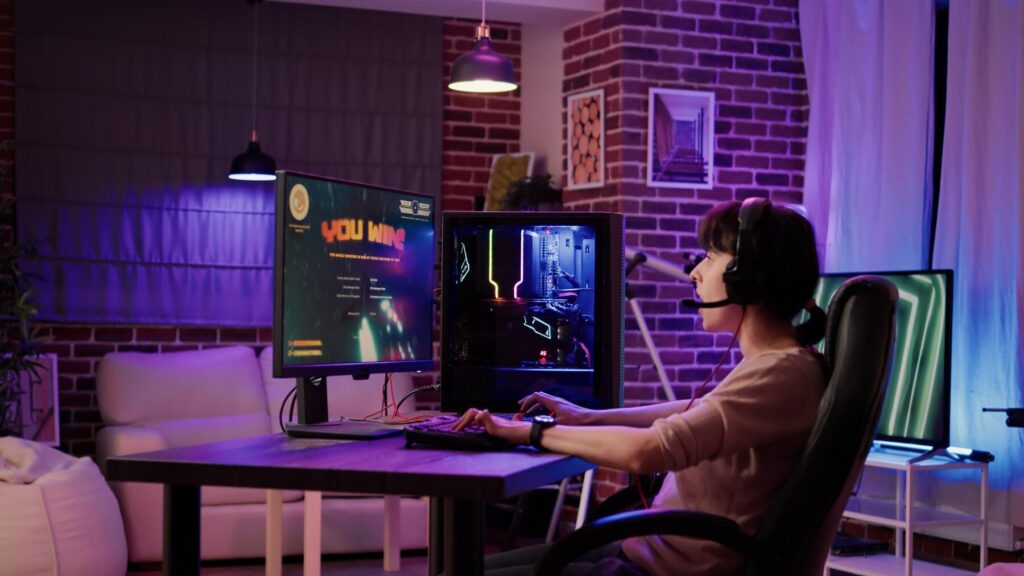

If you spend hours each day at a gaming setup — whether you’re grinding ranked matches, streaming, or just enjoying your favorite titles — your body is absorbing more stress than you might realize. Long sessions at a desk or couch, repetitive hand and wrist movements, and that familiar forward-leaning posture all add up over time. The good news is that chiropractic care for gamers is becoming an increasingly recognized part of staying healthy, pain-free, and performing at your best. At Lexington Spinal Care in Lexington, SC, Dr. Edward Carpenter works with patients of all kinds, including dedicated gamers who want to keep doing what they love without letting discomfort get in the way.
What Is Chiropractic Care for Gamers?
Chiropractic care for gamers refers to the use of spinal adjustments, soft tissue work, and musculoskeletal evaluations to address the physical wear and tear that comes with long gaming sessions. It focuses on the neck, back, wrists, and posture as a whole — helping to relieve pain, restore mobility, and prevent injuries from getting worse. Think of it as preventive maintenance for your body, the same way you’d maintain the hardware that keeps your setup running smoothly.
Why Gaming Takes a Toll on Your Body
Most people don’t associate gaming with physical injury the way they would with contact sports or heavy labor. But the truth is, the human body wasn’t designed to stay in the same position for hours at a time. Whether you’re hunched over a keyboard, slouched into a couch with a controller, or leaning toward a monitor, your spine and surrounding muscles are under constant, low-grade strain.
One of the biggest culprits is something called forward head posture. For every inch your head moves forward from its natural position over your shoulders, the effective weight your neck has to support increases significantly. Most gamers fall into this pattern without even noticing it. Over time, this places enormous stress on the cervical spine — that’s the section of your neck — and the muscles surrounding it.
Your lower back takes a hit, too. Sitting for extended periods compresses the lumbar discs, reduces blood flow to the muscles, and gradually weakens the core structures that keep your spine supported. Add in a gaming chair that isn’t properly adjusted or a monitor at the wrong height, and you have a recipe for chronic discomfort that creeps up slowly and becomes hard to ignore.
Here in Lexington, SC, Dr. Edward Carpenter sees this pattern regularly. Patients — especially younger ones — often come in surprised that gaming could be contributing to their neck stiffness, shoulder tension, or low back pain. Once the connection is made, it opens the door to real, lasting relief.

Common Conditions Gamers Experience
The physical demands of gaming are repetitive and sustained, which is exactly the kind of strain that tends to cause musculoskeletal problems over time. Understanding the most common conditions can help you recognize what might be going on in your own body.
Neck pain and cervicogenic headaches are among the most frequently reported complaints. The forward head posture described above creates tension in the suboccipital muscles at the base of the skull, which can radiate upward and trigger what are known as cervicogenic headaches — headaches that originate from the neck rather than the head itself. These are often mistaken for tension headaches or migraines.
Shoulder and upper back tightness is another hallmark of long gaming sessions. When your shoulders round forward — which happens naturally when your arms are extended toward a keyboard or controller — the muscles between your shoulder blades become overstretched and fatigued. The chest muscles, by contrast, tend to shorten and tighten, pulling the whole upper body out of alignment.
Wrist and hand strain is a concern for many gamers, particularly those who play with a mouse and keyboard. Repetitive clicking, scrolling, and rapid movement can irritate the tendons and nerves of the wrist, leading to symptoms that may resemble early-stage carpal tunnel syndrome or tendonitis.
Lower back pain is also extremely common. Long periods of sitting — especially without proper lumbar support — flatten the natural curve of the lumbar spine and overload the discs and surrounding soft tissues. This can feel like a dull ache during a session or stiffness that’s most noticeable when you first stand up.
How Chiropractic Care Can Help Gamers
Chiropractic care takes a whole-body, non-invasive approach to musculoskeletal health. Rather than masking symptoms with medication, chiropractic focuses on identifying and addressing the underlying structural and functional issues that are causing discomfort in the first place. For gamers, this means looking at the spine, joints, and surrounding soft tissues to see how they’re functioning — and where they might need support.
Spinal adjustments are the cornerstone of chiropractic care. When joints in the spine become restricted or misaligned — a state often referred to as a subluxation — it can affect how the surrounding muscles, nerves, and tissues function. Gentle, targeted adjustments help restore proper joint movement, which can reduce pain and improve mobility. Many patients notice relief relatively quickly, though consistency over time tends to produce the most lasting results.
Soft tissue work, including myofascial release and trigger point therapy, can address the chronic muscle tension that builds up in the neck, upper back, and shoulders during gaming. These techniques help release tightness, improve circulation, and restore more normal movement patterns.
Postural analysis and correction is another area where chiropractic care shines. Dr. Edward Carpenter can evaluate how your posture is contributing to your symptoms and provide specific guidance on how to set up your workstation, position your body during play, and develop habits that reduce strain over the long term.
Research from organizations like the American Chiropractic Association and published literature in musculoskeletal health suggests that chiropractic care can be effective in managing neck pain, back pain, and headaches — all common complaints among gamers. It’s a drug-free, conservative approach that fits well into the lifestyle of someone who wants to stay active and healthy without relying on pain medications.
At Lexington Spinal Care, care is always individualized. Dr. Edward Carpenter takes the time to understand each patient’s specific situation before recommending any course of care. Every gaming habit, every workstation setup, and every body is different — so the approach is tailored accordingly.
Practical Tips for Gamers to Protect Their Bodies
You don’t have to wait until something hurts to start taking better care of your body. There are practical, simple things you can do right now to reduce the physical toll of gaming — and they don’t require expensive equipment or a lot of extra time.
Start with your monitor height and distance. Ideally, your screen should be at eye level and about an arm’s length away. If you’re constantly looking down or craning forward, your neck is working overtime every single session. Adjusting this one thing can make a noticeable difference in neck strain.
Pay attention to your seat height and lumbar support. Your hips should sit slightly higher than your knees, and your lower back should have support that maintains its natural inward curve. If your chair doesn’t offer this, a small lumbar cushion can help in the short term.
Make regular movement breaks a non-negotiable part of your gaming routine. Every 45 to 60 minutes, stand up, move around, and do a few gentle stretches — especially for your neck, chest, and hip flexors. Setting a timer is a simple way to build this habit without disrupting your focus too much.
Consider wrist and forearm positioning. Your wrists should be roughly level with your keyboard, and you shouldn’t have to reach or strain to use your mouse. Extended periods of awkward wrist angles are a common contributor to repetitive strain issues.
Finally, don’t underestimate the value of general physical fitness. Core strength, flexibility, and cardiovascular health all support your body’s ability to handle the demands of sitting for long periods. Even moderate activity — a daily walk, some bodyweight exercises — can make a real difference in how your body holds up during long gaming sessions.

When to See a Chiropractor
A good rule of thumb is this: if discomfort is interfering with your quality of life — your gaming performance, your sleep, your daily activities — it’s worth getting evaluated. You don’t need to be in severe pain to benefit from chiropractic care. In fact, catching issues early is one of the best things you can do for your long-term musculoskeletal health.
Consider reaching out to a chiropractor if you’re experiencing persistent neck stiffness or pain after gaming sessions, recurring headaches that seem to originate in the back of the head or neck, shoulder or upper back tension that doesn’t resolve with rest, wrist or hand discomfort during or after play, or low back pain that worsens with prolonged sitting.
There are also situations that warrant a prompt medical evaluation rather than — or in addition to — chiropractic care. These include sudden, severe pain that came on without a clear cause, numbness or tingling that extends down the arm or leg, significant weakness in the hands or grip, or any loss of bladder or bowel control. These symptoms can indicate more serious underlying conditions that need medical attention first. Any reputable chiropractor, including the team at Lexington Spinal Care, will refer patients to the appropriate provider when necessary.
Ergonomic Setup Comparison
|
Setup Element |
Poor Setup |
Recommended Setup |
|---|---|---|
|
Monitor Height |
Below eye level, causing head to tilt down |
Top of screen at or just below eye level |
|
Chair Height |
Too low, causing knees higher than hips |
Hips slightly above knee level, feet flat on floor |
|
Lumbar Support |
No back support, spine rounds outward |
Lumbar support maintains natural curve of lower back |
|
Keyboard and Mouse Position |
Arms reaching forward or upward, wrists bent |
Elbows at roughly 90 degrees, wrists neutral and level |
|
Head and Neck Position |
Head pushed forward of shoulders |
Ears aligned directly over shoulders |
|
Movement Breaks |
No breaks during sessions lasting multiple hours |
Brief movement break every 45–60 minutes |
Myths vs. Facts About Chiropractic Care for Gamers
Myth: Chiropractic care is only for people with serious back injuries.
Fact: Chiropractic care is appropriate for a wide range of musculoskeletal concerns, from mild postural tension to more significant pain. You don’t have to be severely injured to benefit. Many patients visit Dr. Edward Carpenter at Lexington Spinal Care for preventive and maintenance care, not just acute injuries.
Myth: Gamers are too young to have real spinal problems.
Fact: Age is not a reliable indicator of musculoskeletal health. Poor posture and repetitive strain can cause meaningful dysfunction at any age. In fact, developing unhealthy habits early — and leaving them unaddressed — can lead to more serious issues down the road. Young adults and even teenagers can develop significant postural and spinal concerns from extended gaming habits.
Myth: Chiropractic adjustments are painful or dangerous.
Fact: Chiropractic adjustments are generally gentle and well-tolerated. Most patients experience little to no discomfort during treatment — and many feel significant relief afterward. Chiropractic is widely considered a safe, conservative care option for most musculoskeletal conditions, and the chiropractors at Lexington Spinal Care tailor every treatment to each patient’s comfort level and specific needs.
Myth: Stretching alone is enough to fix gaming-related posture problems.
Fact: Stretching can absolutely help, and it’s a great habit to build. But when the spine has restricted joint movement, or when soft tissue dysfunction has built up over months or years, stretching alone may not be sufficient to fully restore function. A thorough chiropractic evaluation can identify whether there are structural issues that need direct attention.
Myth: Once you start seeing a chiropractor, you have to go forever.
Fact: This is a common concern, but it’s a misconception. Care plans at Lexington Spinal Care are goal-oriented and individualized. Some patients complete a short course of care and are done. Others choose to continue with periodic wellness visits — but that’s entirely a personal choice, never a requirement.
Final Thoughts from Lexington Spinal Care
Gaming is a genuine passion for millions of people, and there’s no reason it should come at the cost of your physical health. The body is remarkably resilient — but it does have limits, and those limits are pushed every time you sit down for a long session without proper support or movement habits in place.
Here in Lexington, SC, Dr. Edward Carpenter and the team at Lexington Spinal Care are genuinely invested in helping the local community feel better and move better — whether you’re an avid gamer, a desk worker, an athlete, or anywhere in between. Chiropractic care for gamers isn’t a niche trend. It’s a practical, evidence-informed approach to one of the most common and underrecognized sources of physical strain in modern life.
If you’ve been experiencing neck tension, low back ache, wrist discomfort, or headaches that seem to show up after long gaming sessions, you don’t have to just push through it. Getting evaluated is a simple, low-risk step that could make a real difference in how you feel every day. The team at Lexington Spinal Care is here to help — on your terms, at your pace, with care that’s built around you.
Frequently Asked Questions
Can chiropractic care actually help with gaming-related neck pain?
Yes, chiropractic care has been shown to help with neck pain related to poor posture and repetitive strain — both of which are common among gamers. A thorough evaluation can identify what’s contributing to the pain and guide an appropriate care plan. Many patients at Lexington Spinal Care in Lexington, SC notice meaningful improvement in neck pain with consistent care.
How often should a gamer see a chiropractor?
Frequency depends on the individual — their symptoms, their goals, and how their body responds to care. Some patients benefit from a few focused visits, while others prefer periodic wellness check-ins. Dr. Edward Carpenter provides personalized recommendations based on each patient’s evaluation, not a one-size-fits-all schedule.
Is chiropractic care safe for teenagers and young adults who game a lot?
Yes, chiropractic care is generally considered safe for adolescents and young adults when provided by a licensed chiropractor. Techniques are adapted based on the patient’s age, size, and specific needs. It’s actually beneficial to address postural and spinal concerns early, before they become more entrenched habits or chronic conditions.
What’s the difference between gaming-related neck pain and a more serious condition?
Most gaming-related neck pain is musculoskeletal in nature — stemming from posture, muscle tension, and joint restriction. However, if you experience severe pain, numbness or tingling radiating down your arms, significant weakness, or any neurological symptoms, you should seek prompt medical evaluation. A chiropractor can help determine whether your symptoms are within their scope or whether a referral is appropriate.
Do I need a referral to see a chiropractor in South Carolina?
In most cases, you do not need a referral to see a chiropractor in South Carolina. You can contact Lexington Spinal Care directly to schedule an evaluation. It’s always a good idea to inform your primary care physician of any care you’re receiving, especially if you have existing health conditions.
Can chiropractic care help with wrist pain from using a mouse and keyboard?
Chiropractic care can address some forms of wrist and forearm discomfort, particularly those related to nerve function, joint mobility, and soft tissue tension in the arm and upper back. However, wrist conditions vary in cause and severity, and a proper evaluation is the best way to determine what care is most appropriate for your specific situation.
TL;DR Summary
-
Gaming involves sustained posture, repetitive movements, and prolonged sitting — all of which place real physical strain on the spine, neck, wrists, and shoulders over time.
-
Common conditions among gamers include neck pain, cervicogenic headaches, upper back tightness, wrist strain, and lower back pain.
-
Chiropractic care for gamers focuses on spinal adjustments, soft tissue treatment, and postural correction to relieve discomfort and prevent further issues — without medications or surgery.
-
Simple ergonomic changes — monitor height, seat position, lumbar support, and regular movement breaks — can significantly reduce gaming-related strain.
-
Dr. Edward Carpenter and the team at Lexington Spinal Care in Lexington, SC offer individualized, goal-oriented chiropractic care for patients of all ages and activity levels.