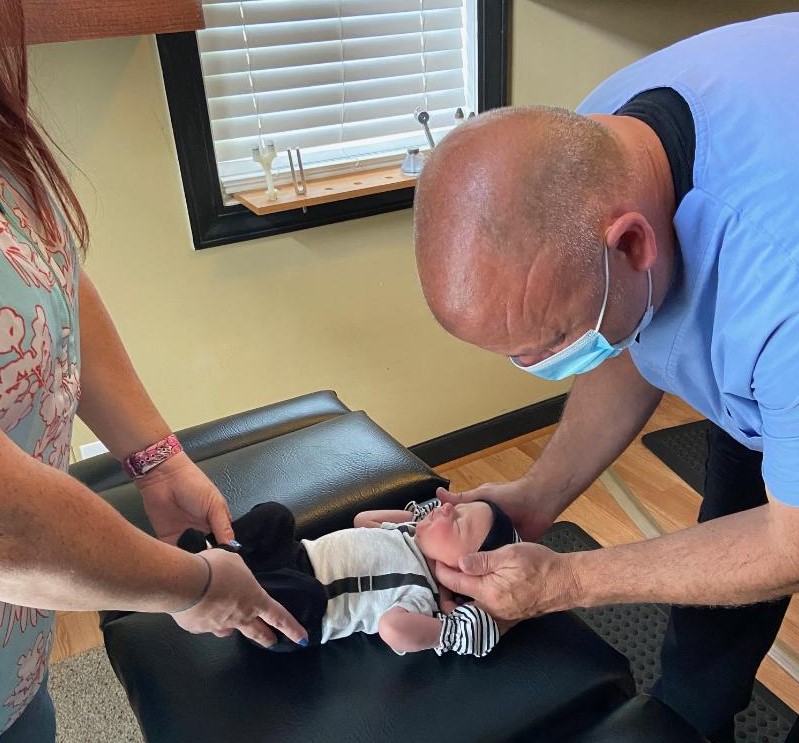
You often find that stress creeps into your life unexpectedly, leaving you feeling overwhelmed. But what if small adjustments could shift your perspective and help you regain control? Whether it's introducing mindful breathing techniques or creating a calming environment, each step can contribute to a more balanced state of mind. You'll discover that even minor changes can lead to significant relief. Yet, the question remains: which adjustments will resonate most with you, and how can you implement them effectively in your daily life?
Understanding Stress and Its Impact
Stress affects nearly 80% of people at some point in their lives, and understanding its impact is vital for managing your well-being. When you experience stress, your body reacts in ways that can affect both your mental and physical health. You might notice changes in your mood, sleep patterns, and overall energy levels. Recognizing these signs is the first step toward regaining control.
Stress triggers the release of hormones like cortisol and adrenaline. While these hormones can be beneficial in short bursts, chronic stress leads to prolonged exposure that can wreak havoc on your body. You may feel anxious or irritable, and you might even experience headaches or digestive issues. It's important to pay attention to how stress manifests in your life, as ignoring it can lead to more serious health complications.
Moreover, stress can impact your relationships. When you're overwhelmed, you might withdraw from friends or family, creating distance and misunderstanding. This can lead to a cycle of isolation and increased stress. It's important to maintain connections and communicate your feelings to those around you.
Understanding stress isn't just about identifying its symptoms; it's also about recognizing the sources. Work demands, personal relationships, or financial pressures can all contribute to your stress levels. By pinpointing these triggers, you can take proactive steps to address them.
The Power of Mindful Breathing
Mindful breathing can transform how you handle stress, offering a simple yet powerful tool to regain your calm.
By focusing on deep breathing techniques, you can enhance your mindfulness and improve your overall well-being.
Let's explore the benefits and methods that can help you harness the power of your breath.
Benefits of Deep Breathing
Deep breathing acts as a powerful tool for calming the mind and body, offering numerous benefits that can enhance your overall well-being.
When you practice deep breathing, you engage your body's relaxation response, allowing stress to melt away. This simple technique helps you regain control and focus in moments of anxiety or overwhelm.
Here are three key benefits of deep breathing:
- Reduces Stress Levels: By slowing your heart rate and lowering blood pressure, deep breathing helps to alleviate the physical symptoms of stress, allowing you to feel more at ease.
- Improves Mental Clarity: As you focus on your breath, you create a mental space that enhances concentration and clarity. This mindfulness can lead to better decision-making and problem-solving abilities.
- Promotes Emotional Balance: Deep breathing encourages a sense of calm, which can help you manage emotions more effectively. You'll find it easier to respond to situations with a clear mind, instead of reacting impulsively.
Incorporating deep breathing into your daily routine can profoundly impact your emotional and physical health, making it a crucial practice for anyone seeking relief from stress.
Techniques for Mindfulness
Amid the chaos of daily life, finding moments of stillness can transform your mental state. One powerful technique to cultivate mindfulness is mindful breathing. By focusing on your breath, you anchor yourself in the present moment, allowing stress and distractions to fade away.
To practice, find a comfortable position, whether seated or lying down. Close your eyes if it feels right. Take a deep breath in through your nose, feeling your abdomen expand. Hold that breath for a moment, then slowly exhale through your mouth.
As you breathe, pay attention to each inhale and exhale. Notice the sensations—the cool air entering your nostrils, the warmth as you release it. If your mind starts to wander, gently guide your focus back to your breath.
Set aside just a few minutes each day for this practice. You'll discover that even a short session can help clear mental clutter and reduce anxiety.
Over time, you'll find that mindful breathing not only calms you in the moment but also equips you with tools to handle stress more effectively throughout your day. So, take a deep breath and embrace the power of mindful breathing.
Creating a Calming Environment
To foster a calming environment, start by decluttering your space. A cluttered area can lead to a cluttered mind, making it harder to relax. Take some time to remove unnecessary items, keeping only what you truly need and love. This simple act can create a sense of order and tranquility, allowing you to breathe easier and focus better.
Next, consider the lighting in your surroundings. Natural light has a soothing effect, so if possible, open your curtains and let the sunshine in. If you're lacking in natural light, opt for soft, warm lighting. Avoid harsh overhead lights, as they can heighten stress levels. Instead, use lamps with dimmers, or candles to create a cozy atmosphere.
Finally, introduce elements of nature into your space. Plants not only purify the air but also bring a sense of calm. Choose low-maintenance plants like succulents or peace lilies if you're short on time. Even a simple vase of fresh flowers can uplift your mood and enhance your environment.
Here's a quick list of items to help you create that calming atmosphere:
- Decluttering tools: Bins or baskets for organizing items.
- Soft lighting: Lamps and candles for gentle illumination.
- Natural elements: Indoor plants or flowers to refresh the air.
Incorporating Movement Into Your Day
Incorporating movement into your day can make a big difference in how you handle stress.
Simple daily stretching routines and walking breaks can boost your mood and energy levels.
Let's explore how these small changes can lead to a more relaxed and focused you.
Daily Stretching Routines
Daily stretching routines can be a game-changer for managing stress and enhancing your overall well-being. By incorporating simple stretches into your day, you not only alleviate tension but also improve your flexibility and posture.
Here are three effective stretches you can easily integrate into your daily routine:
- Neck Stretch: Sit or stand tall, gently tilt your head to one side, and hold for 15-30 seconds. Switch sides. This helps relieve neck tension and promotes relaxation.
- Shoulder Rolls: Roll your shoulders forward and backward in a circular motion for 10 repetitions each. This exercise reduces stiffness and increases blood flow to your upper body.
- Standing Forward Bend: Stand with your feet hip-width apart, hinge at your hips, and let your upper body hang toward the floor. Hold for 15-30 seconds. This stretch releases tension in your back and hamstrings, providing a calming effect.
Incorporating these stretches into your daily routine doesn't require much time, yet the benefits are considerable.
You'll find that committing to just a few minutes each day can greatly reduce your stress levels and enhance your overall sense of calm.
Walking Break Benefits
Taking a short walking break can greatly boost your mood and productivity. When you step away from your desk, you give your mind a chance to reset. This simple act of movement can help reduce stress, making it easier to tackle tasks once you return.
Walking also gets your blood circulating, increasing oxygen flow to your brain, which enhances focus and creativity. Even a five-minute stroll around the block or within your office can clear mental fog and spark new ideas. You'll find that breaking up your day with movement not only refreshes your mind but also reinvigorates your body.
Moreover, getting outside for fresh air can elevate your mood. Natural light and a change of scenery work wonders in combating feelings of anxiety and fatigue.
Plus, walking gives you a moment to reflect or simply enjoy the surroundings, further enhancing your mental well-being.
Incorporating regular walking breaks into your daily routine isn't just beneficial; it's essential. So, the next time you feel overwhelmed, remember that a brief walk could be the key to regaining your focus and calm.
Don't underestimate the power of movement; it's a simple yet effective stress reliever.
Establishing Healthy Routines
One of the best ways to manage stress is by establishing healthy routines that fit your lifestyle. Routines provide structure and predictability, which can greatly reduce feelings of anxiety.
By incorporating consistent habits into your daily life, you create a sense of control that helps you navigate challenges more effectively.
To get started, consider implementing the following three routines:
- Morning Ritual: Begin your day with intention. Set aside time for activities that energize you, like stretching, meditating, or enjoying a nutritious breakfast. This sets a positive tone for the day ahead.
- Work Breaks: Incorporate short breaks throughout your workday. Use this time to step away from your desk, take deep breaths, or practice mindfulness. These moments help clear your mind and recharge your focus, making you more productive and less stressed.
- Evening Wind-Down: Create a calming evening routine to signal your body that it's time to relax. Limit screen time, read a book, or engage in light yoga. This helps you unwind and prepares you for a restful night's sleep.
Practicing Gratitude Daily
Cultivating gratitude can transform your perspective and enhance your overall well-being. When you actively practice gratitude daily, you shift your focus away from stressors and negativity, making room for positivity and appreciation.
Start by setting aside just a few minutes each day to reflect on what you're thankful for, whether it's a supportive friend, a delicious meal, or a moment of laughter.
You might consider keeping a gratitude journal. Each morning or evening, jot down three to five things you appreciate. This simple act can help you recognize the abundance in your life, even amid challenges.
You'll find that over time, this practice fosters resilience and a more optimistic outlook.
Another effective technique is to express gratitude to others. Send a quick text or write a note to someone who's made a difference in your life. Sharing your appreciation not only strengthens your relationships but also boosts your mood.
You'll likely feel a sense of connection and warmth that alleviates stress.
Mindfulness can also enhance your gratitude practice. When you're present in the moment, it's easier to notice and appreciate life's small joys.
Whether you're sipping your morning coffee or enjoying a walk, take a moment to acknowledge what feels good.
Connecting With Nature
Connecting with nature can greatly reduce stress and enhance your sense of well-being. Stepping outside and immersing yourself in the natural world can provide a revitalizing escape from daily pressures.
Nature has a unique ability to ground you, allowing you to reconnect with yourself and your surroundings.
Here are three simple ways to incorporate nature into your daily life:
- Take a Walk: Even a short stroll in a nearby park or garden can work wonders. Notice the colors, sounds, and smells around you. Let the fresh air rejuvenate your mind and body.
- Practice Mindfulness Outdoors: Find a quiet spot in nature where you can sit and breathe deeply. Focus on the sensation of the breeze or the warmth of the sun. This practice can help clear your mind and reduce anxiety.
- Create a Nature Corner at Home: If you can't always get outside, bring nature indoors. Consider adding plants or flowers to your living space. The presence of greenery can boost your mood and create a calming atmosphere.
Limiting Digital Distractions
In today's fast-paced world, digital distractions can quickly overwhelm your focus and increase stress. Notifications from your phone, emails flooding your inbox, and the endless scroll on social media can pull you away from the tasks that truly matter. To regain your calm, it's crucial to limit these distractions.
Start by setting specific times for checking your devices. Instead of reacting to every ping or vibration, designate periods throughout your day for emails and social media. This simple shift can transform your productivity and reduce the feeling of being constantly "on."
Next, consider creating a distraction-free environment. Turn off non-essential notifications, and if possible, place your phone in another room while you work. This small change can help you stay focused and minimize the temptation to check your device.
You'll find that your mind is clearer when it's not cluttered with digital interruptions.
Another effective strategy is to use apps designed to block distractions. Many tools can limit access to specific websites or apps during designated work hours, allowing you to concentrate on your tasks without the urge to drift into the digital world.
Lastly, practice mindfulness during your digital interactions. Before picking up your phone or opening your laptop, take a deep breath and remind yourself of your goals.
Seeking Support From Others
How often do you reach out to others when stress starts to feel overwhelming? Many people hesitate to seek help, but connecting with friends, family, or professionals can provide significant relief.
You don't have to bear the weight of stress alone; sharing your feelings can lighten your load. Here are three effective ways to seek support:
1. Talk to a Friend: Sometimes, just chatting with a friend can make a world of difference. They might offer a fresh perspective or simply lend a sympathetic ear.
Don't underestimate the power of a good conversation.
2. Join a Support Group: Engaging with others who are experiencing similar challenges can be incredibly validating.
Support groups create a safe space where you can share your experiences and coping strategies, helping you feel less isolated.
3. Consult a Professional: If stress becomes unmanageable, consider speaking with a therapist or counselor.
They can provide tailored strategies and coping mechanisms, helping you navigate your feelings more effectively.
Conclusion
Incorporating these simple adjustments into your daily life can lead to significant stress relief. By practicing mindful breathing, creating a calming environment, and connecting with nature, you can cultivate a greater sense of well-being. Establishing healthy routines and seeking support from others will help you navigate challenges with resilience. Remember, finding calm is a journey, and every small step you take brings you closer to a more balanced and peaceful life. Embrace these changes, and thrive!