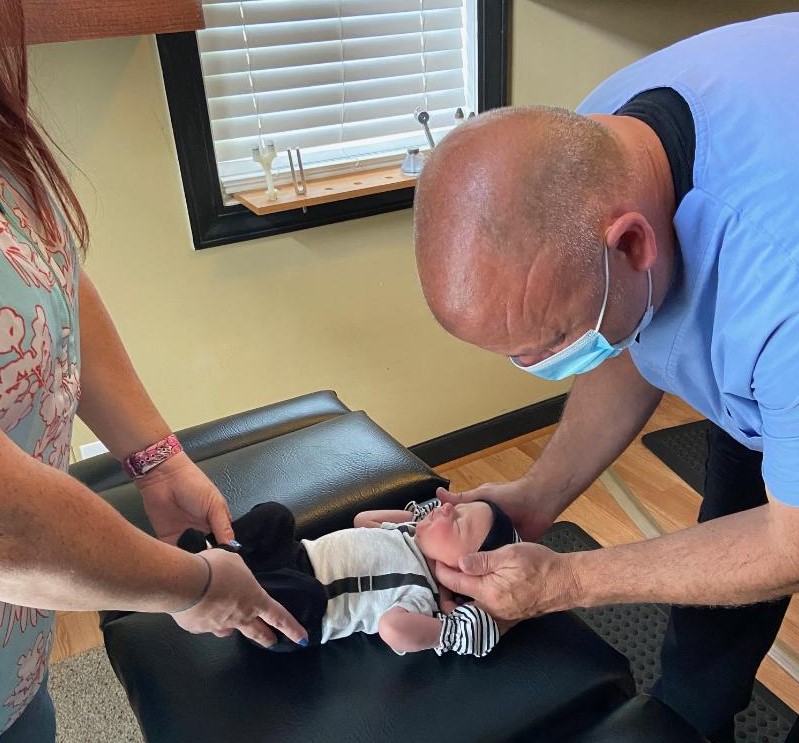
As a local chiropractor, I want to share some insights on how you can proactively combat back pain, which can really hinder your daily activities. Implementing certain lifestyle changes can significantly support your spine and improve your overall health. Simple adjustments, such as enhancing your posture and engaging in regular exercise, are crucial in this process. Are you interested in learning more about specific strategies that can help you maintain a pain-free life? Let’s delve into these essential changes together, so you can experience the benefits of natural healing and chiropractic care.
Maintain Good Posture
As a local chiropractor, I want to emphasize the importance of maintaining good posture for your overall health, especially in preventing back pain. Many people may not realize how simple it can be to improve their alignment throughout the day.
Let’s start with sitting. It’s crucial to keep your back straight and shoulders relaxed while ensuring your feet are flat on the floor. If you work at a desk, adjusting the height of your chair and monitor can help prevent unnecessary strain on your spine.
When it comes to standing, remember to distribute your weight evenly between both feet and engage your core muscles. This support is vital for your spine’s health. If you catch yourself slouching, gently pull your shoulders back and align your ears over your shoulders to correct your posture.
Walking also plays a role in your posture. Keep your head up and walk with intention. This not only enhances your overall stance but also contributes to better spinal alignment.
Making small adjustments in your daily routine can lead to significant improvements in how your back feels. Remember, good posture isn’t just about comfort; it’s fundamental in maintaining your back health and overall well-being.
As your chiropractor, I’m here to support you on this journey to better posture and a healthier spine.
Incorporate Regular Exercise
As a local chiropractor, I want to emphasize the importance of regular exercise in preventing back pain. A strong foundation begins with strengthening your core muscles, which play a vital role in supporting your spine.
Additionally, incorporating flexibility and stretching into your exercise routine can significantly enhance your overall mobility and help keep your back healthy.
For those new to exercise, I recommend starting with low-impact activities such as swimming or walking. These options are gentle on the body and are excellent for promoting spinal health without placing excessive strain on your back.
Strengthening Core Muscles
As a local chiropractor, I want to emphasize the importance of core strength in preventing back pain. Many people may not realize how much regular exercise can positively impact your spine health. By focusing on your core muscles, you can significantly enhance your stability and support for your spine, which is crucial for overall well-being.
I recommend incorporating exercises like planks, bridges, and abdominal crunches into your routine. These movements engage your deep core muscles, which play a vital role in maintaining proper posture and minimizing strain on your back.
Ideally, aim for at least two to three sessions a week, gradually increasing the intensity as you become stronger.
It’s also beneficial to include functional movements that mimic the activities you perform daily. As you strengthen your core, you may notice improvements in balance and a reduction in discomfort, which can lead to a more active and pain-free lifestyle.
If you’re new to chiropractic care or natural healing, remember that strengthening your core can be a fundamental step in achieving long-lasting relief and enhancing your overall health.
Flexibility and Stretching
As a local chiropractor, I want to emphasize the critical role that flexibility and stretching play in your overall back health, especially when it comes to preventing pain.
While strengthening your core is vital, incorporating regular flexibility exercises into your routine can significantly enhance your range of motion, alleviate tension, and support a healthy spine.
Here are some essential stretches I recommend you include:
- Hamstring Stretch: This stretch targets tight hamstrings, which can exert pressure on your lower back and lead to discomfort.
- Cat-Cow Stretch: This dynamic movement increases spinal flexibility and helps to relieve tension throughout your back.
- Child’s Pose: A gentle stretch that targets the lower back, promoting relaxation and stress relief.
- Hip Flexor Stretch: Tight hips can contribute to back pain, so this stretch helps open up the hip area and relieve tension.
I encourage you to aim for daily stretching, concentrating on these key areas.
Maintaining flexibility is crucial to keeping your back pain-free and supporting your overall well-being.
Low-Impact Activities Recommended
As a local chiropractor, I want to emphasize the importance of incorporating low-impact activities into your daily routine for optimal back health and overall fitness. Engaging in activities such as swimming, cycling, and walking can effectively strengthen your muscles without placing excessive strain on your spine.
These exercises not only enhance your core strength and flexibility but also promote proper posture—critical elements in preventing back pain.
I recommend aiming for at least 150 minutes of moderate aerobic activity each week. Additionally, exploring practices like yoga or Pilates can be incredibly beneficial, as they focus on controlled movements and stretching that improve your body’s balance and stability.
It’s crucial to listen to your body and modify any activity that causes discomfort. By making these low-impact exercises a regular part of your life, you can significantly reduce your risk of back pain while also enhancing your overall well-being.
Strengthen Core Muscles
As your local chiropractor, I want to emphasize the importance of strengthening your core muscles in maintaining a healthy spine and preventing back pain. A robust core not only stabilizes your spine but also helps alleviate strain on your back, especially during everyday activities.
Integrating core exercises into your routine can significantly enhance your overall strength and flexibility, which is crucial for your well-being.
Here are some effective core exercises I recommend:
- Planks: Holding a plank position engages your entire core and helps build endurance.
- Bridges: Lying on your back, lift your hips to strengthen your glutes and lower back, which can help support your spine.
- Bicycle Crunches: These controlled movements target your abdominal muscles, promoting better core strength.
- Bird-Dogs: While on all fours, extend opposite arms and legs to improve your stability and coordination.
I suggest incorporating these exercises into your routine at least two to three times a week.
It’s essential to start at a comfortable pace and focus on maintaining proper form to maximize the benefits and reduce the risk of injury.
By strengthening your core, you’ll establish a solid foundation for a healthier back, which can lead to improved overall health and vitality.
If you have any questions or need guidance on these exercises, please feel free to reach out during your next visit!
Use Ergonomic Furniture
As a local chiropractor, I want to emphasize that having a strong core is just one piece of the puzzle when it comes to preventing back pain. An equally important factor is the furniture you use in your daily life. By incorporating ergonomic furniture into your home and workspace, you can significantly reduce strain on your back and promote better alignment.
When selecting a chair, desk, or mattress, it’s crucial to choose options that support your body’s natural posture. Look for chairs that offer adjustable height and lumbar support, allowing you to maintain proper spinal alignment. Your feet should rest flat on the floor, with your knees forming a 90-degree angle for optimal comfort and support.
If you find yourself spending long hours at a desk, consider investing in a sit-stand desk. This allows you to alternate between sitting and standing throughout the day, which can alleviate pressure on your back. Additionally, ensure that your computer monitor is positioned at eye level to prevent unnecessary strain on your neck.
In your bedroom, a supportive mattress is essential for aligning your spine while you sleep. This investment not only enhances your comfort but also contributes to your overall health and well-being.
By prioritizing ergonomic furniture, you create a more supportive environment that encourages good posture and helps minimize the risk of back pain. Making these adjustments can lead to significant improvements in your comfort and quality of life.
Your back will certainly thank you for it!
Practice Safe Lifting Techniques
As a local chiropractor, I want to emphasize the importance of safe lifting techniques to protect your back and overall health.
When you lift heavy objects, it’s crucial to bend at your knees rather than your waist. This helps to engage your leg muscles, which are much stronger and better equipped for lifting. Always keep the load close to your body; this reduces strain on your back and helps maintain balance.
Additionally, strive to keep your back straight throughout the lift. By following these simple yet effective steps, you can significantly reduce your risk of injury and promote a healthier spine.
Bend at Knees
As your local chiropractor, I want to share with you the importance of proper lifting techniques to prevent back pain. One of the simplest and most effective methods is to bend at your knees. This technique not only helps protect your back but also promotes healthier movement patterns.
Here are some essential tips to keep in mind when lifting objects:
- Position yourself close to the object you plan to lift. This minimizes strain on your back.
- Stand with your feet shoulder-width apart to maintain balance and stability.
- Bend at your knees and lower your body, ensuring that your back remains straight throughout the process.
- Remember to lift with your legs rather than your back, allowing for a smooth and safe rise.
By following these tips, you can support your spine and overall health, reducing the risk of injury and promoting a more natural healing process.
If you have any questions about lifting techniques or chiropractic care, please feel free to ask!
Keep Load Close
As a local chiropractor dedicated to your health and well-being, I want to share some important tips for preventing back pain that you may not be familiar with. One of the most effective strategies is keeping the load close to your body when lifting. When you lift an item, aim to position it as close to your center of gravity as possible. This simple adjustment can significantly reduce the strain on your back and enhance your stability.
If you find yourself carrying something heavy, remember to use both hands to keep your balance. It’s also crucial to avoid twisting your body while lifting. Instead, pivot your feet to change direction; this will help protect your spine from unnecessary stress.
When it comes to setting the load down, do so gently rather than dropping it, as a sudden impact can jolt your spine and lead to discomfort. Should you encounter an item that’s too heavy to lift by yourself, don’t hesitate to reach out for help or utilize tools like dollies or carts.
Incorporating these safe lifting techniques into your routine can significantly lower your risk of developing back pain. At our clinic, we believe that understanding these practices is essential for maintaining a healthy spine and overall well-being.
Maintain Straight Back
As a local chiropractor, I want to emphasize how crucial it’s to maintain a straight back while lifting, in addition to keeping your load close. This practice significantly reduces the risk of injury and strain, which is vital for your overall health and well-being.
Here are some essential techniques to help you uphold proper posture during lifting:
- Bend at your hips and knees instead of at your waist. This technique keeps your spine aligned and reduces stress on your back.
- Keep your chest lifted and shoulders pulled back. This posture not only enhances your stability but also encourages a natural spinal alignment.
- Engage your core muscles to provide support for your spine. A strong core is fundamental in maintaining a straight back and preventing injuries.
- Avoid twisting your body as you lift. Instead, turn your whole body by pivoting your feet. This helps to maintain your spine’s integrity and prevents unnecessary strain.
By incorporating these techniques into your lifting routine, you can protect your back and promote a healthier, pain-free lifestyle.
If you have any questions or need further guidance, feel free to reach out—I’m here to help you on your journey to better health!
Stay Hydrated
As a local chiropractor, I want to emphasize the importance of staying hydrated for your overall health and well-being, especially when it comes to preventing back pain.
Proper hydration is crucial for keeping your intervertebral discs—the natural cushions between your vertebrae—well-hydrated and flexible. This flexibility is vital for maintaining spinal alignment and reducing the risk of injury.
I encourage you to make it a habit to drink water throughout the day, aiming for at least eight glasses. If you’re active or live in a warmer climate, it’s important to increase your intake even further.
Additionally, incorporating hydrating foods like fruits and vegetables into your diet can greatly benefit your hydration levels.
Be mindful of the signs of dehydration, such as fatigue or muscle cramps, as these can contribute to discomfort in your back. Keeping a water bottle with you can serve as a great reminder to sip regularly.
By prioritizing hydration, you’re not only enhancing your overall health but also taking a proactive step in preventing back pain.
Manage Stress Effectively
As a local chiropractor, I want to emphasize the importance of managing stress alongside staying hydrated for your overall health. Many people may not realize that high stress levels can lead to muscle tension, which is a common contributor to back pain. By implementing effective stress management strategies, you can significantly enhance your well-being and reduce discomfort.
Here are some practical ways to manage stress that I often recommend to my patients:
- Practice mindfulness: Techniques such as meditation or deep-breathing exercises can help you calm your mind and reduce stress levels, which in turn can alleviate tension in your back.
- Stay active: Engaging in regular physical activity is crucial. Exercise releases endorphins—your body’s natural mood lifters—which can reduce tension and help you feel more relaxed.
- Connect with others: Social support is vital. Spend time with friends or family where you can share your feelings and experiences. This not only strengthens your relationships but also helps you feel more supported during stressful times.
- Set boundaries: It’s essential to learn how to say no and prioritize your time effectively. This helps prevent feelings of being overwhelmed, allowing you to maintain a healthier balance in your life.
By incorporating these strategies into your daily routine, you can manage stress more effectively and potentially alleviate back pain.
Get Adequate Sleep
As a local chiropractor, I want to emphasize the importance of getting adequate sleep for both preventing back pain and supporting your overall health. Sleep isn’t just a time for rest; it’s when your body works hard to repair itself, including your muscles and spine. I recommend aiming for seven to nine hours of quality sleep each night to help your back recover from the daily stresses we all face.
To optimize your sleep, consider creating a calming bedtime routine. This signals to your body that it’s time to relax and prepare for rest. Try to limit screen time before bed—reading a book or practicing meditation can be great alternatives.
Additionally, ensure your sleep environment is conducive to rest; investing in a supportive mattress and pillows can help maintain proper spinal alignment while you sleep.
Be mindful of what you consume in the hours leading up to bedtime. Caffeine and heavy meals can interfere with your ability to fall asleep. Establishing consistent sleep and wake times can help regulate your body’s internal clock and improve your overall sleep quality.
Prioritizing sleep is crucial, not just for alleviating back pain, but also for enhancing your mood and energy levels. When you’re well-rested, you’re more likely to engage in daily activities and take better care of your health.
Maintain a Healthy Weight
As a local Chiropractor, I want to emphasize the importance of maintaining a healthy weight for your spinal health.
Carrying excess weight can place additional strain on your back, leading to discomfort and pain. It’s essential to find a balance between exercise and nutrition to effectively manage your weight, which in turn supports your overall well-being.
By adopting thoughtful weight management strategies, you not only enhance your physical health but also significantly reduce your risk of experiencing back pain.
Remember, a healthy spine is crucial for a vibrant life, and I’m here to guide you on your journey to wellness through natural healing and chiropractic care.
Together, we can create a personalized plan that works for you!
Impact on Spinal Health
As a local chiropractor dedicated to your well-being, I want to emphasize the significant impact that maintaining a healthy weight can have on your spinal health. Many individuals may not realize that carrying excess weight can put considerable strain on your spine, leading to discomfort and even chronic pain.
By managing your weight effectively, you not only enhance your overall health but also provide vital support to your spine. Here are some key ways that weight management can positively influence your spinal health:
- Reduced Pressure: When you carry less weight, there’s less pressure exerted on your vertebrae and discs. This reduction can alleviate discomfort and prevent further complications.
- Improved Posture: Maintaining a healthy weight contributes to better posture. Proper alignment of your spine can significantly decrease the strain on your back and help you feel more comfortable throughout the day.
- Enhanced Mobility: With less weight to carry, you’ll find that your mobility improves. Greater freedom of movement not only benefits your daily activities but also supports the health of your spine.
- Lower Inflammation: Keeping your weight in check can help reduce inflammation throughout your body, which is essential for maintaining a healthy spine and overall well-being.
By understanding the connection between weight management and spinal health, you can take proactive steps toward a healthier lifestyle.
If you have any questions or need guidance on how to achieve and maintain a healthy weight, feel free to reach out. Your spinal health is crucial, and I’m here to help you on this journey.
Exercise and Nutrition Balance
As a local chiropractor, I want to emphasize the importance of achieving a harmonious balance between exercise and nutrition for your overall health, particularly when it comes to maintaining a healthy weight and supporting your spinal health.
Regular physical activity is crucial, as it strengthens your core muscles, which play a vital role in supporting your spine. I recommend incorporating a variety of exercises into your routine, including cardiovascular activities, strength training, and flexibility exercises. This combination won’t only enhance your overall fitness but also contribute to a healthier spine.
On the nutrition front, it’s essential to focus on whole, nutrient-dense foods such as fruits, vegetables, lean proteins, and whole grains. These options provide the necessary fuel for your body while helping you avoid excess calorie intake.
Additionally, staying well-hydrated is key, as proper hydration supports muscle function and the health of your spinal discs.
By combining consistent exercise with mindful nutritional choices, you can effectively manage your weight, alleviate stress on your back, and enhance your overall well-being.
Weight Management Strategies
As a local chiropractor, I want to share some valuable insights on weight management and its connection to your overall health, particularly when it comes to preventing back pain.
Excess weight can place significant strain on your back muscles and spine, leading to discomfort and other health issues. Here are some practical strategies to help you maintain a healthy weight and support your spinal health:
- Set realistic goals: It’s important to start with small, achievable targets. This can prevent you from feeling overwhelmed and help you build confidence in your journey towards better health.
- Track your food intake: Consider using an app or maintaining a journal to keep an eye on what you eat. This awareness can guide you to make healthier choices that support your body and spine.
- Stay active: Aim for at least 150 minutes of moderate exercise each week. Regular physical activity not only boosts your metabolism but also strengthens the muscles that support your spine.
- Practice mindful eating: Being aware of your hunger cues and avoiding distractions during meals can significantly reduce the risk of overeating. This practice not only aids in weight management but also promotes a healthier relationship with food.
By incorporating these strategies into your daily routine, you can take meaningful steps towards achieving and maintaining a healthy weight, ultimately helping to alleviate strain on your back and improve your overall well-being.
Schedule Regular Check-ups
To maintain a healthy back, it’s important to prioritize regular check-ups with a chiropractor. These appointments are a great opportunity for you to discuss any discomfort or concerns you may have regarding your spine and overall well-being.
During your visit, I’ll evaluate your posture, flexibility, and strength, allowing us to identify any early signs of potential issues.
Regular chiropractic visits not only provide you with personalized advice on exercises and lifestyle changes that can enhance your back health, but they also create a space for open communication about your physical activities and daily habits. This information helps me offer tailored recommendations that are specific to your needs.
Additionally, these check-ups are essential for keeping you informed about preventive measures and natural treatments available to support your spine. By taking a proactive approach, we can address minor issues before they develop into more significant problems.
Don’t wait for pain to arise; make your chiropractic appointments a priority for a healthier, pain-free back! Together, we can work towards achieving optimal spinal health and overall wellness.
Conclusion
As your local chiropractor, I want to share with you some valuable lifestyle changes that can significantly reduce your risk of back pain and enhance your overall well-being. First and foremost, it’s essential to pay attention to your posture. Good posture not only helps keep your spine aligned but also prevents unnecessary strain on your muscles.
Incorporating regular exercise into your routine is crucial. Activities like walking, swimming, or yoga can help strengthen your core, which is vital for supporting your back. Additionally, investing in ergonomic furniture can make a world of difference. Proper support while sitting and working can alleviate pressure on your spine.
I also encourage you to practice safe lifting techniques. Always bend your knees and keep the object close to your body to avoid straining your back. Stress management plays a significant role in your health, so finding relaxation techniques that work for you is important.
Don’t underestimate the power of a good night’s sleep—quality rest is essential for your body to recover and rejuvenate. Finally, maintaining a healthy weight is key to reducing the strain on your back.
By implementing these simple yet effective adjustments, you can feel more energized and resilient. Together, we can create a comprehensive plan tailored to your needs, helping you tackle whatever life brings your way!