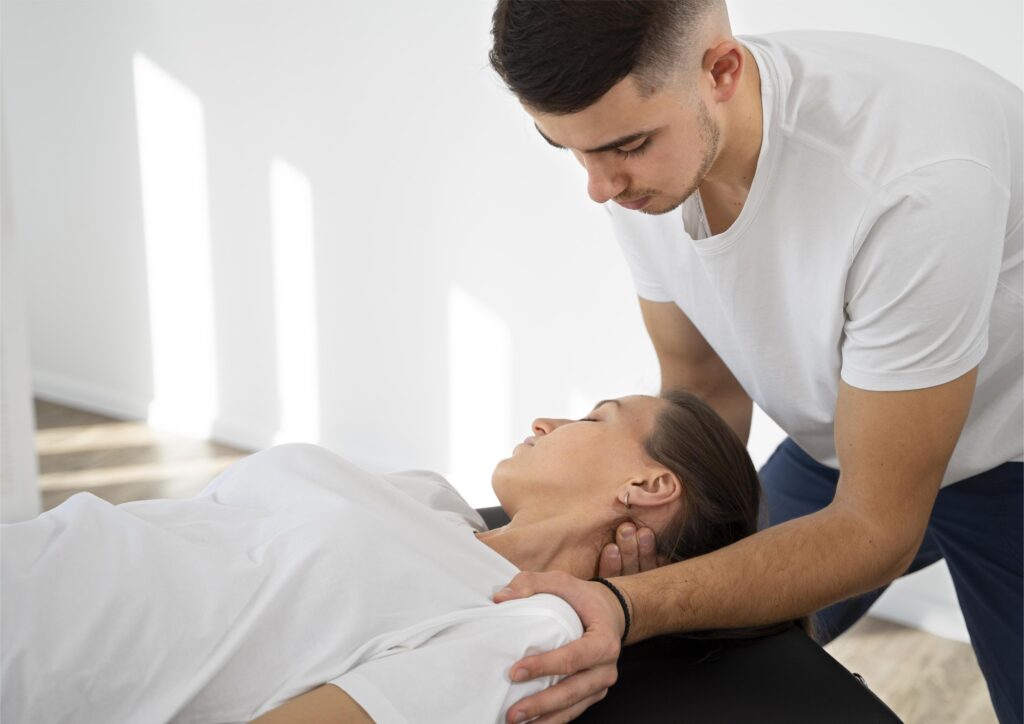
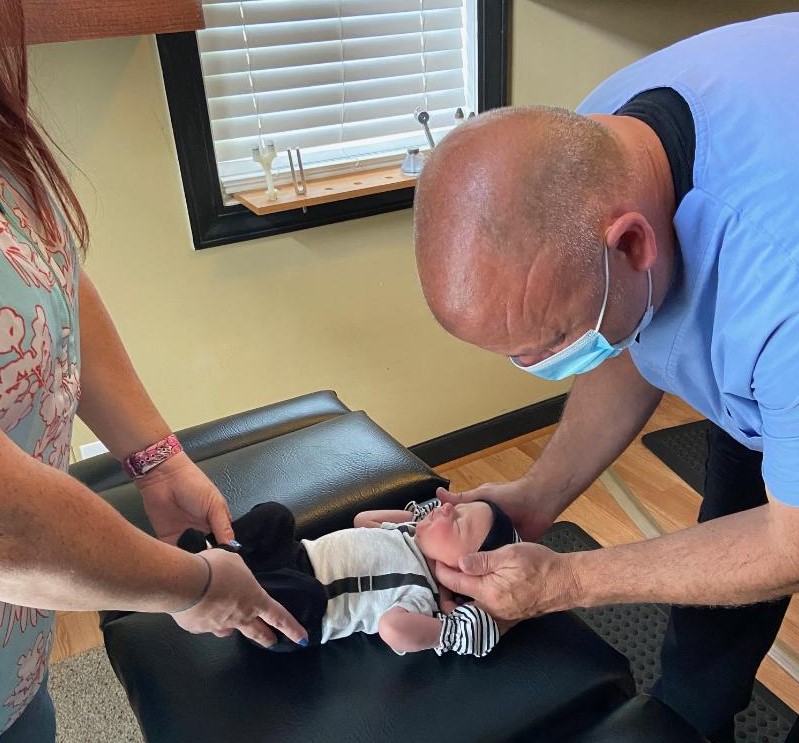
As a local chiropractor, I understand the challenges that come with back pain, and I want to help you find relief. If you’ve ever dealt with this discomfort, you know how it can impact your daily life. One of the fundamental steps in preventing back pain is to strengthen your core and improve your flexibility. Simple exercises, such as planks and gentle stretches, can have a profound effect on your overall well-being.
However, it’s important to recognize that these exercises are just the starting point. Incorporating them into your daily routine is crucial for achieving long-term relief and enhancing your posture. In my practice, I emphasize the importance of understanding your body and how to care for it naturally. Together, we can explore effective strategies that will not only keep your back healthy and strong but also promote overall wellness. Let’s work together to empower you in your journey to a pain-free life.
Strengthening the Core
As a local chiropractor, I want to highlight the importance of strengthening your core, especially if you’re experiencing back pain. A robust core is essential for supporting your spine, which can lead to better posture and significantly reduce the strain on your back.
To get started, I recommend incorporating simple exercises into your routine, such as planks and bridges. These exercises effectively engage your abdominal muscles, building stability without adding extra pressure to your back.
Additionally, consider adding pelvic tilts and bird-dogs to your regimen. Pelvic tilts are excellent for activating your lower abs, while bird-dogs work on improving your coordination and balance. Aiming for three sets of 10-15 repetitions for each of these exercises can help you build strength effectively. Just remember to keep your core engaged throughout each movement for optimal results.
Consistency is vital in this process. I encourage you to set aside a few minutes each day for these core-strengthening exercises. Over time, you may notice an improvement in your strength and a reduction in pain.
As your core becomes stronger, you might find that daily activities feel easier and more comfortable, paving the way for a healthier and more active lifestyle.
If you’re new to chiropractic care and natural healing, know that these exercises can complement the adjustments and treatments I provide in my practice. Together, we can work towards your wellness goals and help you achieve a pain-free life.
Enhancing Flexibility
As a local chiropractor, I want to emphasize that while strengthening your core is vital, enhancing your flexibility is just as essential when it comes to alleviating back pain. Flexibility enables your muscles and joints to move freely through their full range of motion, which can significantly reduce tension and improve your overall mobility.
Incorporating stretching exercises into your daily routine is a great way to lengthen tight muscles and relieve stress on your back. It’s important to focus on stretches that specifically target areas such as your hips, hamstrings, and lower back. Simple movements like the cat-cow stretch, seated forward bend, and child’s pose can be incredibly beneficial.
I recommend holding each stretch for about 20-30 seconds while taking deep breaths, as this promotes relaxation and allows your body to fully benefit from the stretches.
Additionally, practicing yoga is an excellent way to boost your flexibility while also calming your mind. I suggest aiming for at least two to three yoga sessions per week to experience significant improvements in your flexibility and overall well-being.
Remember, consistency is key; the more you dedicate yourself to stretching, the more flexible you’ll become.
Promoting Better Posture
As a local chiropractor dedicated to your overall health and well-being, I want to emphasize the importance of improving your posture—not just for aesthetic reasons, but for preventing and alleviating back pain.
Proper posture is crucial for maintaining the natural alignment of your spine, which in turn reduces strain on your muscles and ligaments. Here are some practical tips to help you promote better posture throughout your daily routine:
- Sit correctly: Ensure that you keep your back straight and your shoulders relaxed while seated. It’s vital to use a chair that offers support for your lower back and allows your feet to rest flat on the floor. This simple adjustment can make a significant difference in your comfort.
- Stand with confidence: When standing, make sure to distribute your weight evenly across both feet and avoid locking your knees. Engaging your core muscles is key to providing support for your spine and maintaining an upright posture.
- Incorporate breaks: If your daily activities require prolonged sitting, I recommend standing up and stretching every 30 minutes. This practice not only helps relieve tension but also helps reset your posture, allowing your body to function more optimally.
By adopting these habits, you can support your spine’s health and improve your overall well-being.
If you have any questions or need personalized guidance, feel free to reach out or schedule a consultation. Together, we can work towards a healthier, pain-free lifestyle!
Engaging in Low-Impact Cardio
As a local chiropractor, I want to share how low-impact cardio exercises can greatly benefit your overall health, especially when it comes to maintaining a healthy back. Engaging in activities such as walking, swimming, or cycling can help elevate your heart rate while significantly reducing the strain on your spine.
These exercises not only enhance your cardiovascular health but also improve your endurance and flexibility, both of which are crucial for a well-supported back.
I recommend aiming for at least 150 minutes of moderate-intensity cardio each week. It’s important to start slowly and pay attention to how your body responds—if you feel any discomfort, don’t hesitate to adjust your pace or choose a different activity.
You might also consider incorporating interval training, where you alternate between higher and lower intensity, to keep your workouts dynamic and enjoyable.
Always remember to wear supportive footwear and maintain good posture while you exercise. By integrating low-impact cardio into your regular routine, you can fortify your back muscles and significantly lower the risk of experiencing pain in the future.
This proactive approach will empower you to lead a more active, pain-free life. If you have any questions about how these exercises align with your chiropractic care or natural healing practices, feel free to reach out!
Incorporating Stretching Routines
As a local chiropractor, I want to emphasize that maintaining your back health goes beyond just engaging in low-impact cardio.
One crucial aspect of a comprehensive approach to back care is incorporating regular stretching routines. Stretching is vital for enhancing flexibility and preventing back pain, and dedicating just a few minutes each day to this practice can yield significant benefits for your posture, tension relief, and overall mobility.
Here are three effective stretches I recommend including in your daily routine:
- Cat-Cow Stretch: This gentle sequence of arching and rounding your back not only increases flexibility but also helps to alleviate stiffness, making it a great choice for daily care.
- Child’s Pose: This restorative position stretches your spine and hips, promoting relaxation and relieving built-up tension in your back after a long day.
- Seated Forward Bend: This stretch targets your lower back and hamstrings, helping to alleviate tightness while improving your flexibility.
By making these stretches a regular part of your routine, you’ll likely notice an improvement in your back health and overall well-being.
Conclusion
As a local chiropractor, I want to share some essential exercises that can help prevent back pain and promote a healthier spine. By integrating these exercises into your daily routine, you can strengthen your core, improve flexibility, and enhance your posture—key factors that contribute to a pain-free back.
Additionally, I encourage you to engage in low-impact cardio activities and incorporate regular stretching into your routine. These practices not only support your back but also contribute to your overall well-being. Remember, consistency is vital. By making these exercises a regular part of your life, you may experience a significant reduction in pain and an improvement in your quality of life. Together, we can work toward a healthier, pain-free future!