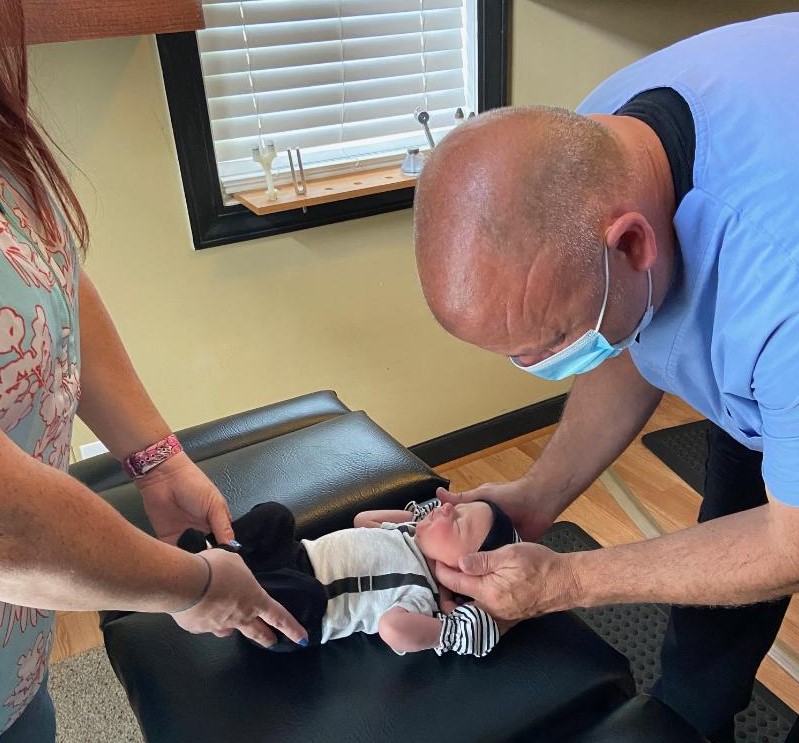
As a local chiropractor, I often see patients who are struggling with back pain, and one of the most common culprits is poor posture. It’s important to recognize that correcting your posture can play a significant role in alleviating discomfort and enhancing your overall well-being. By incorporating specific techniques into your daily routine, you can make meaningful strides in managing your pain and promoting better spinal health.
Let’s take a look at five effective methods that I recommend to help you transform the way you sit, stand, and move. These techniques not only aim to relieve discomfort but also foster a more balanced and aligned body, which is essential for long-term health and comfort. Remember, improving your posture is a journey, and I’m here to guide you every step of the way.
Strengthening Core Muscles
As a local chiropractor, I want to emphasize the importance of strengthening your core muscles for not only improving your posture but also alleviating back pain. A strong core is crucial because it provides stability and support for your spine, enabling you to maintain proper alignment throughout your daily activities.
I encourage you to focus on exercises that specifically target your abdominal, oblique, and lower back muscles. Some excellent options include planks, bridges, and bird-dogs. These exercises can help you build strength while minimizing strain on your back.
To see the best results, incorporate these core-strengthening exercises into your routine at least three times a week. As you become more comfortable, you can gradually increase the intensity or duration to challenge your muscles further. Remember, consistency is essential for making lasting improvements.
It’s also important to pay close attention to your form during these exercises. Using poor technique can lead to injury, which is something we want to avoid.
Additionally, don’t forget to engage your core during everyday activities, whether you’re sitting at your desk or lifting objects. By prioritizing core strength, you can enhance your posture and significantly reduce the likelihood of experiencing future back pain.
Start incorporating these practices today, and your body will thank you for taking steps towards a healthier, pain-free life! If you have any questions or need guidance on specific exercises, feel free to reach out.
Ergonomic Workspace Setup
As a local chiropractor, I want to emphasize the importance of creating an ergonomic workspace for your overall health and well-being. Proper posture is crucial in preventing back pain, especially if you find yourself spending long hours at your desk.
Begin by ensuring your chair is properly adjusted. Your feet should rest flat on the floor, and your knees should be at hip level. It’s essential that your chair offers good lumbar support to maintain the natural curve of your spine.
When you sit down at your desk, position it so that your elbows create a 90-degree angle while typing, and keep your wrists straight to avoid strain.
Your monitor should be set at eye level and positioned about an arm’s length away from you. This setup helps to reduce neck strain and encourages you to maintain an upright posture, which is vital for spinal health.
If your feet don’t comfortably touch the ground, consider using a footrest to ensure proper alignment.
It’s also important to keep frequently used items within easy reach to minimize repetitive stretching, which can lead to discomfort and potential injuries.
By taking the time to create an ergonomic workspace, you can significantly enhance your posture and reduce the risk of developing back pain.
I encourage you to make these adjustments today for a healthier work environment and to support your body’s natural healing processes.
Regular Stretching Exercises
As a local chiropractor, I want to emphasize the importance of creating an ergonomic workspace as a foundational step toward improving your posture.
However, to truly enhance your spinal health and alleviate back pain, regular stretching exercises are essential. Stretching is a natural way to lengthen tight muscles, relieve tension, and ultimately reduce discomfort.
I encourage you to incorporate stretches that focus on critical areas such as your back, hips, and shoulders. For instance, try the cat-cow stretch, which promotes flexibility in your spine, or the seated forward bend to help ease lower back strain.
Additionally, standing side stretches can open up your sides, improving your overall range of motion.
To make the most of these benefits, aim to stretch at least once every hour, especially if you find yourself sitting for extended periods.
Pay attention to your breathing—deep, mindful breaths can enhance the effectiveness of your stretches. Hold each position for about 15-30 seconds to allow your muscles to relax.
Remember, the key to success with stretching is consistency. If you need a little nudge, set reminders to help you stay on track.
By incorporating these simple stretching routines into your daily life, you’ll not only combat back pain but also improve your posture and enhance your overall well-being.
This holistic approach is a vital part of maintaining a healthy spine and a happy life.
Mindfulness and Body Awareness
As a chiropractor, I often see patients who underestimate the significant role that mindfulness and body awareness play in managing back pain and improving posture.
By becoming more attuned to your body, you can catch tension and discomfort early on, before they develop into more serious issues. Practicing mindfulness involves paying close attention to your body’s sensations and movements throughout the day. This heightened awareness allows you to notice when you might be slouching or holding stress in your back.
I encourage you to incorporate brief mindfulness exercises into your daily routine. Take a moment to focus on your breath and assess your posture. Are you sitting up straight? Is your back relaxed?
By regularly checking in with your body, you can make necessary adjustments to relieve any strain. Furthermore, engaging in mindful practices such as yoga or tai chi can significantly boost your body awareness, which can lead to improved posture and reduced pain.
Remember, it’s essential to cultivate a habit of awareness. This not only empowers you to take control of your posture but also enhances your overall well-being.
As your chiropractor, I’m here to support you on this journey towards a healthier, more mindful lifestyle.
Use of Posture Corrective Devices
As a local chiropractor, I want to share the benefits of posture corrective devices in your journey toward alleviating back pain and enhancing your posture.
Tools like braces and ergonomic chairs can be incredibly helpful for maintaining proper spinal alignment throughout your daily activities. When you wear a posture brace, for example, it gently pulls your shoulders back and supports your spine, serving as a reminder to keep your body aligned.
Ergonomic chairs are specifically designed to support your lower back, encouraging you to sit correctly, especially during long working hours. I encourage my patients to use these devices consistently, as they can lead to significant improvements in posture over time.
However, it’s essential to understand that while these devices can assist you, they should complement—not replace—healthy habits.
Pair their use with exercises that strengthen your core and back muscles for optimal results. As you incorporate these devices into your daily routine, you may experience a noticeable reduction in discomfort, paving the way for a more active and pain-free lifestyle.
Conclusion
As a local chiropractor dedicated to your health, I want to share with you five effective posture correction techniques that can help alleviate back pain and enhance your overall well-being. First, strengthening your core is essential; a strong core supports your spine and promotes better posture. Next, setting up an ergonomic workspace can significantly reduce strain on your back during daily activities.
Incorporating regular stretching into your routine is also vital, as it helps maintain flexibility and relieve muscle tension. Additionally, practicing mindfulness can improve your body awareness, allowing you to catch poor posture habits before they lead to discomfort. Lastly, consider using corrective devices like posture braces or supportive cushions to aid in maintaining proper alignment.
Remember, consistency is key with these practices. By taking charge of your posture today, you’ll not only see improvements in your back pain but also experience a boost in your overall quality of life. As your chiropractor, I’m here to support you on this journey to better health and posture.