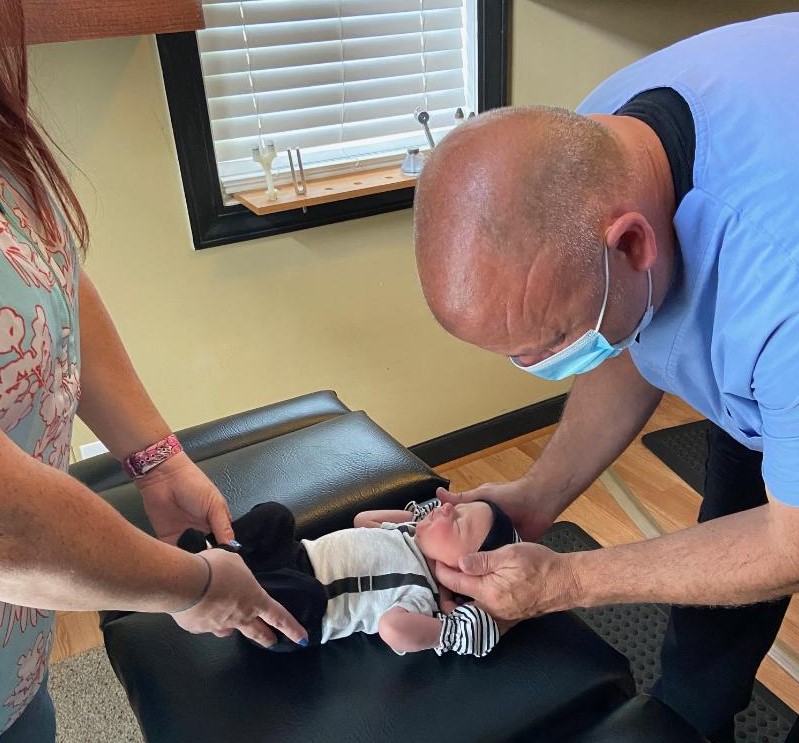
When managing chronic pain, many people immediately think of medications, but as a local chiropractor, I want to encourage a broader perspective on healing. Sustainable solutions often involve a combination of therapies that go beyond just pain relief. For instance, integrating mindfulness practices can help you cultivate a greater awareness of your body, while nutritional changes can provide the necessary support for your overall health.
Physical therapy plays a crucial role in improving mobility and strength, and as a chiropractor, I can guide you through specific adjustments that can alleviate discomfort and promote healing. Exploring alternative treatments, such as acupuncture or massage therapy, can also complement your care and enhance your recovery.
Additionally, building a solid support network—whether it's family, friends, or fellow patients—can make a significant difference in your journey toward relief. Have you considered how these elements, when combined with chiropractic care, could work together in your life? The path to effective pain management is often more interconnected than you might think, leading to unexpected insights about your overall well-being. Let's explore these options together and find a holistic approach that works for you!
Understanding Chronic Pain
Chronic pain is a complex issue that impacts countless individuals in our community. As a chiropractor, I want to help you understand that chronic pain isn't merely a symptom; it's a condition that can significantly alter your quality of life. Many people feel trapped in a relentless cycle of discomfort, but recognizing the multifaceted nature of chronic pain is the first step toward finding relief.
It's essential to approach chronic pain holistically, considering not just the physical aspects but also the emotional and psychological components. Pain can arise from various causes, such as injuries, inflammation, or nerve damage, but it can also be exacerbated by stress and anxiety.
When you experience pain, feelings of isolation and overwhelm can set in, making the situation feel even more challenging. You might notice that your pain levels vary—some days are manageable, while others can be quite debilitating. This inconsistency can be frustrating, but keep in mind that tracking your pain levels and recognizing your triggers can be incredibly beneficial.
I encourage you to maintain a journal to help identify patterns and factors that may contribute to your discomfort. Understanding how your nervous system functions is also crucial. It can sometimes misinterpret signals, leading to heightened sensations of pain.
This is where chiropractic care can make a difference. By addressing spinal alignment and nervous system function, we can work together to alleviate your pain and improve your overall well-being.
I'm here to support you on your journey to better health and to help you navigate the complexities of chronic pain through natural healing methods. Let's explore how chiropractic care can help you regain control and enhance your quality of life.
Mindfulness and Meditation
As a local chiropractor, I want to share how mindfulness and meditation can serve as valuable allies in managing chronic pain. These practices encourage you to focus on the present moment, which can significantly help reduce stress and improve your overall well-being.
Let's delve into the benefits of mindfulness and meditation, explore some effective techniques you can try, and discuss how to seamlessly incorporate them into your daily routine alongside your chiropractic care.
Embracing these holistic approaches can enhance your healing journey and empower you to take control of your pain management.
Benefits of Mindfulness
As a local chiropractor, I want to share with you the remarkable benefits of incorporating mindfulness and meditation into your daily routine, especially if you're dealing with chronic pain. Research has shown that focusing on the present moment can significantly reduce stress and anxiety, which often worsen pain symptoms. Mindfulness allows you to observe your thoughts and feelings without judgment, fostering a more compassionate relationship with your body.
In my practice, I've seen how mindfulness can enhance emotional resilience. When you become more aware of your thoughts, you can identify negative patterns and consciously replace them with positive affirmations. This shift not only impacts your emotional well-being but can also change how you perceive and experience pain.
By tuning into your body, you can recognize specific triggers or areas of tension, enabling you to address them proactively, which is key in chiropractic care.
You don't need to set aside hours for mindfulness; even just a few minutes of focused breathing or mindful observation can yield significant benefits. Over time, these small practices can accumulate, giving you a greater sense of control over your pain and emotional state.
Embracing mindfulness can empower you to navigate your chronic pain journey with more ease and acceptance, ultimately leading to a more fulfilling life. At our clinic, we believe that combining chiropractic care with mindfulness practices can enhance your overall health and well-being.
Meditation Techniques Explained
As a chiropractor, I want to share how meditation can be a valuable addition to your journey in managing chronic pain. It's a natural, holistic approach that complements chiropractic care, enhancing your overall well-being.
One effective technique is mindfulness meditation. This involves focusing on your breath—paying attention to every inhale and exhale without judgment. When distracting thoughts come up, gently guide your focus back to your breath. This practice allows you to observe your pain without letting it control you, giving you a sense of empowerment.
Another method I recommend is body scan meditation. Find a comfortable position, ideally lying down, and gradually shift your attention through each area of your body, starting from your toes and moving up to your head. Pay close attention to any tension or discomfort you feel, and as you do, breathe deeply into those areas. This can help relieve tightness and promote relaxation, which is beneficial for your overall healing process.
Loving-kindness meditation is also a wonderful practice. In this technique, you silently repeat phrases of goodwill toward yourself and others. This helps cultivate compassion and acceptance, which can positively influence your relationship with pain, making it easier to cope.
Lastly, I encourage you to explore guided meditations, which you can find through various apps or online resources. These structured sessions provide support and can be seamlessly integrated into your routine.
Integrating Practices Daily
As your local chiropractor, I want to share with you how integrating mindfulness and meditation into your daily life can complement your overall health and well-being.
Start by dedicating just a few minutes each day to practice these techniques. Find a quiet space where you can sit comfortably without interruptions. Even starting with five minutes can be beneficial, and as you grow more familiar with the practice, you can gradually extend that time.
Incorporating mindfulness into your daily routine can enhance your body's healing process. For instance, while you're eating or taking a walk, pay attention to the sensations and sounds around you. This practice can help you stay grounded in the present moment, which can significantly reduce stress and improve your overall awareness.
To help you get started, consider using guided meditation apps or videos. They can provide you with structured sessions and a variety of approaches, making it easier to maintain your practice and keep it engaging.
Establishing a consistent schedule is also vital. You might find it helpful to practice mindfulness first thing in the morning or right before bedtime.
Consistency in your mindfulness and meditation practice can amplify its benefits, supporting your journey towards natural healing and overall wellness.
Physical Therapy Techniques
At our chiropractic clinic, we believe that physical therapy techniques are vital in managing chronic pain and enhancing your overall well-being. Our approaches focus on restoring mobility, building strength, and improving functionality, so you can enjoy daily activities without the constant burden of pain.
Here are three effective techniques we utilize that may benefit you:
- Manual Adjustments: As chiropractors, we perform hands-on adjustments to realign the spine and joints. This technique can relieve tension, improve nerve function, and promote natural healing processes in your body, allowing you to feel more balanced and less restricted in your movements.
- Customized Exercise Plans: We create individualized exercise programs tailored to your unique needs. These exercises are designed to strengthen specific muscle groups, enhance flexibility, and boost endurance. By focusing on your specific pain points, we empower you to take charge of your health and help prevent future injuries.
- Therapeutic Modalities: In addition to hands-on care, we may incorporate various therapeutic modalities, such as heat, cold therapy, ultrasound, or electrical stimulation. These treatments can effectively reduce pain and inflammation, facilitating quicker recovery and greater comfort.
By integrating these modalities into your care plan, you can experience both immediate relief and long-term improvements in your condition.
We are committed to guiding you through your healing journey with natural, holistic methods that prioritize your health and well-being.
Nutritional Approaches
As a local chiropractor, I want to share with you how your diet can significantly influence your experience with chronic pain. Many people are unaware that certain foods can either contribute to inflammation or help reduce it.
By incorporating anti-inflammatory foods into your meals and ensuring you stay well-hydrated, you can enhance your overall well-being and potentially alleviate some of your pain.
Let's delve into the nutritional strategies that can support your healing journey, improve your quality of life, and complement the care you receive here.
Together, we can explore the benefits of natural healing and how simple dietary changes can make a meaningful difference in managing your pain.
Anti-Inflammatory Foods
As a local chiropractor dedicated to helping you manage chronic pain, I want to emphasize the importance of incorporating anti-inflammatory foods into your diet. These nutritious options can significantly aid in reducing inflammation and enhancing your overall health, which is essential for your body's natural healing processes.
Here are three powerful anti-inflammatory foods that I recommend considering for your meals:
- Fatty Fish: Fish like salmon and mackerel are excellent sources of omega-3 fatty acids, which have been shown to help reduce inflammation and improve heart health. I suggest aiming to include these in your diet at least a couple of times a week for optimal benefits.
- Leafy Greens: Incorporating spinach, kale, and Swiss chard into your meals can be incredibly beneficial. These greens are rich in vitamins and antioxidants that combat inflammation. You can easily add them to salads, smoothies, or stir-fries for a nutritious lift.
- Berries: Not only are blueberries, strawberries, and blackberries delicious, but they're also packed with antioxidants that help lower inflammation levels. They make for a great snack or a tasty addition to your breakfast, providing a flavorful and healthy option.
By making these dietary changes, you can support your body's healing journey and experience relief from discomfort.
Hydration's Role
As your local chiropractor, I want to emphasize the significant role that proper hydration plays in managing chronic pain. Many people overlook how essential water is for our bodies. It not only helps transport vital nutrients but also maintains joint lubrication and supports overall cellular function.
When you're not drinking enough water, you may find that your pain sensitivity increases, you feel more fatigued, and you could even experience muscle cramps. All of these symptoms can worsen chronic pain conditions.
To ensure you're adequately hydrated, I recommend aiming for at least eight 8-ounce glasses of water each day, but feel free to adjust that amount depending on your activity level and the climate you live in. Incorporating hydrating foods like fruits and vegetables into your diet can also be beneficial.
For example, foods like cucumbers, watermelon, and oranges can't only quench your thirst but also provide essential vitamins and minerals that support your health.
It's also important to monitor your intake of caffeine and alcohol, as both can lead to dehydration. Instead, consider sipping on herbal teas or trying infused water with fruits for a refreshing change.
Pay attention to your body; if you feel thirsty, it's a signal you shouldn't ignore. Staying properly hydrated is crucial for enhancing your overall well-being and can significantly support your journey in managing chronic pain more effectively.
Alternative Treatments
As a local chiropractor dedicated to helping patients manage chronic pain, I want to introduce you to some alternative treatments that can complement traditional methods and enhance your overall well-being.
These approaches focus on natural healing and can provide relief without solely relying on pharmaceuticals. Let's take a closer look at some effective options you may want to consider.
1. Acupuncture: This time-honored practice involves placing thin needles at specific points on the body.
Many of my patients have experienced significant pain relief after just a few sessions. Acupuncture works by stimulating the release of endorphins, your body's natural painkillers, promoting healing and improving mobility.
2. Mindfulness Meditation: Incorporating mindfulness techniques into your routine can be a powerful way to manage pain.
By learning to focus on the present moment and observe your pain without judgment, you can reduce its intensity and lessen your emotional reactions to discomfort. This can be a valuable tool in your pain management toolkit.
3. Herbal Supplements: As part of a holistic approach to health, certain herbs like turmeric and ginger can be beneficial.
These natural remedies possess anti-inflammatory properties that may help alleviate pain. By including them in your daily regimen, you can support your body's healing processes and contribute to your overall health.
If you're interested in exploring these alternative treatments or have any questions about how they can work alongside chiropractic care, feel free to reach out.
I'm here to help you on your journey to better health and pain management.
Lifestyle Modifications
As a local chiropractor, I want to help you understand that managing chronic pain effectively involves more than just seeking treatment; it requires a holistic approach that includes lifestyle modifications. By making some adjustments to your daily habits, you can significantly improve your overall well-being and take control of your pain.
First, let's talk about physical activity. Incorporating regular movement into your routine is crucial. Activities such as walking, swimming, or practicing yoga can strengthen your body and alleviate pain. Even low-impact exercises can enhance flexibility and provide relief, which is essential for your recovery.
Nutrition is another vital aspect to consider. A balanced diet filled with anti-inflammatory foods—like fresh fruits, vegetables, whole grains, and healthy fats—can help reduce pain symptoms. Be mindful of your food choices by minimizing processed foods and sugars, as they can contribute to inflammation and worsen your condition.
Don't underestimate the importance of sleep, either. Quality restorative sleep is key to managing pain. Aim for a consistent sleep schedule, establish a calming bedtime routine, and create a comfortable sleeping environment to improve your sleep hygiene. This will help lower pain sensitivity and aid in your healing process.
Additionally, I encourage you to explore mindfulness practices. Techniques such as meditation or deep-breathing exercises can be extremely beneficial for managing stress and enhancing your emotional resilience—both of which are important when coping with chronic pain.
Finally, it's wise to limit alcohol and tobacco use, as these substances can hinder your body's natural healing capabilities. By integrating these lifestyle changes into your daily life, you'll not only improve your pain management strategy but also promote better overall health.
Building a Support System
Creating a strong support system is essential for effectively managing chronic pain, and as your chiropractor, I want to help you understand how to build that network. Having the right people around you can significantly enhance your healing journey, making you feel understood and supported. Here's how you can establish a supportive environment:
1. Friends and Family: It's important to reach out to those who genuinely care about your well-being. These individuals can offer emotional support and practical assistance, whether it's helping with daily tasks or simply being there to listen when you need to express your feelings about your pain.
Don't hesitate to communicate your needs; your loved ones want to help you in any way they can.
2. Health Professionals: Establishing relationships with healthcare providers who specialize in natural healing and pain management is crucial. Alongside your chiropractic care, consider consulting with other professionals such as physical therapists and holistic health practitioners.
They can provide personalized strategies and interventions tailored to your specific needs, which can be integral to your pain management journey. Regular check-ins with these professionals will help you stay on track and adjust your treatment as necessary.
3. Support Groups: Joining local or online support groups can be incredibly beneficial. These communities consist of individuals who understand the challenges of living with chronic pain.
Sharing your experiences and coping strategies can empower you and diminish feelings of isolation. You'll also gain valuable insights and encouragement from others navigating similar paths, which can complement your chiropractic treatment.
Building a support system isn't just about finding individuals to lean on; it's about creating a network that fosters understanding, encouragement, and practical help.
Take the time to cultivate these relationships, and you may find that managing chronic pain becomes more manageable. Remember, you aren't alone in this journey, and as your chiropractor, I'm here to support you every step of the way.
Conclusion
As a local chiropractor, I want to share how incorporating sustainable solutions for chronic pain management can significantly enhance your healing journey. By focusing on essential elements such as mindfulness, nutrition, and physical activity, you can take an active role in managing your pain. Chiropractic care is a vital component of this approach, as it emphasizes natural healing and the body's innate ability to recover.
I encourage you to explore alternative treatments alongside lifestyle modifications that can complement your chiropractic adjustments. Building a strong support system, whether it be friends, family, or healthcare professionals, is crucial in this journey. Remember, finding the right balance and discovering what works best for you is key. With commitment and the right strategies, including regular chiropractic care, you can improve your quality of life and effectively manage pain. Let's work together to empower you on this path to wellness.