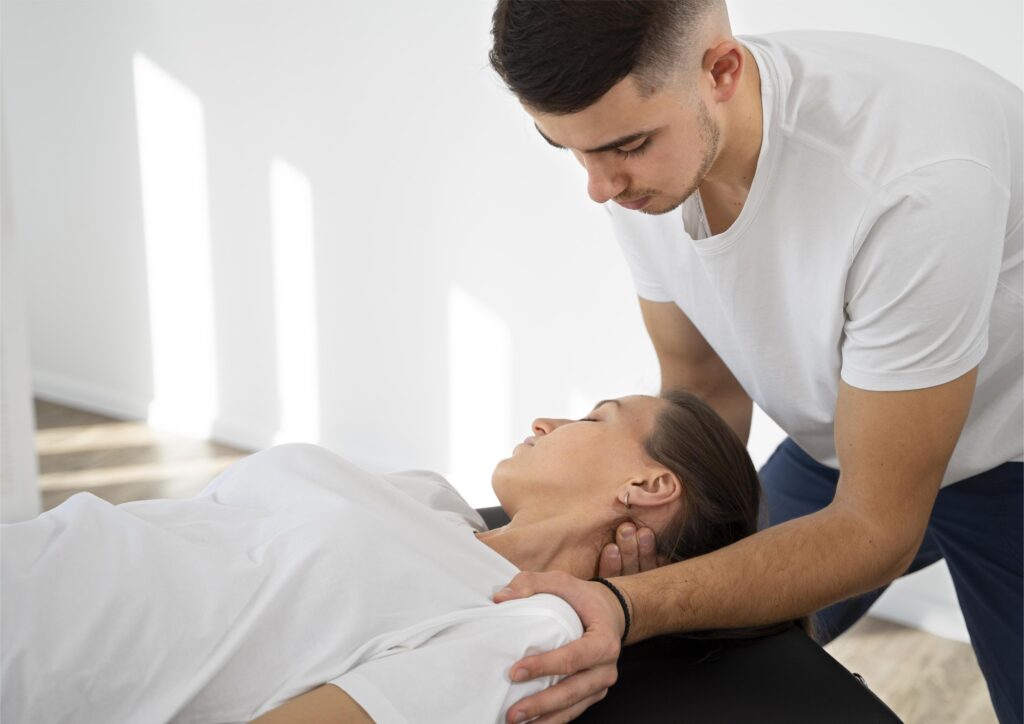
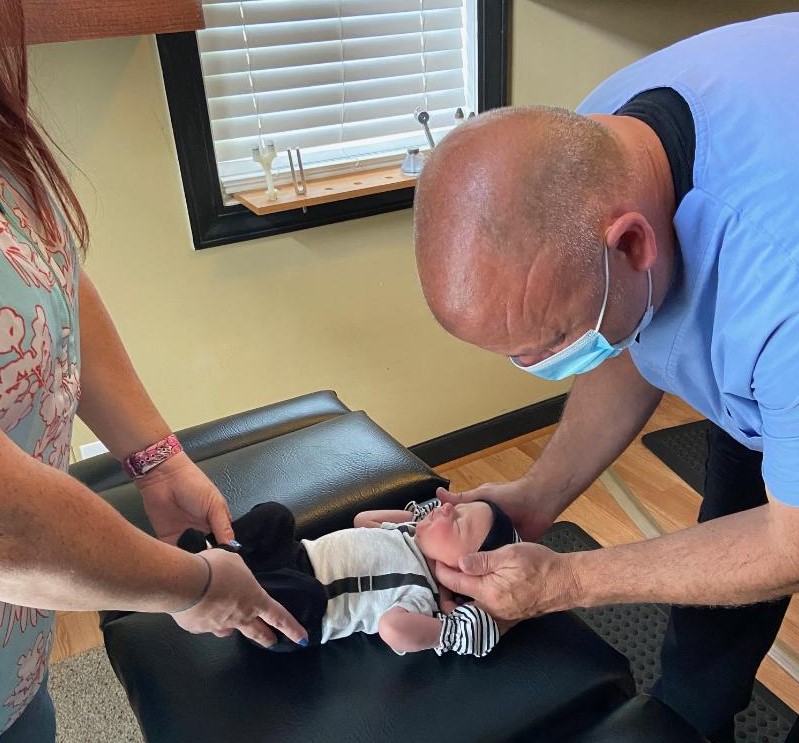
If you're facing a sports injury, I understand that the path to recovery can feel daunting. However, it's important to know that it doesn't have to be. As a local chiropractor, I want to guide you through various therapy techniques that can significantly accelerate your healing process and help you regain your strength naturally.
Chiropractic care, for instance, is a powerful tool in injury recovery. It focuses on aligning your spine and optimizing your nervous system, which can enhance your body's natural healing abilities. Coupling this with other therapies, such as cryotherapy, can provide unique benefits that complement your recovery journey.
You might be wondering what the best approach is for your specific situation. That's where my expertise comes in. By understanding how different therapies work together, we can create a personalized recovery plan tailored to your needs. Let's delve into the options available and find the best path to get you back to peak performance!
Importance of Recovery Techniques
As a local chiropractor, I want to emphasize the crucial role that recovery techniques play in your healing journey, especially if you're an athlete or someone who leads an active lifestyle.
Many people view recovery as simply taking a break from training, but it's so much more than that. Proper recovery techniques are essential for healing your body, restoring strength, and preparing for a successful return to your activities.
Neglecting recovery can lead to more severe injuries or extended periods of downtime—something we all want to avoid. That's why incorporating effective recovery methods can significantly speed up your healing process and enhance your overall performance.
Techniques such as ice therapy, compression, and elevation aren't just buzzwords; they work to reduce inflammation and alleviate pain, making a real difference in your recovery.
Moreover, stretching and mobility exercises are vital in maintaining muscle flexibility. They help prevent stiffness and improve your range of motion, which is essential for any athlete.
Don't forget about nutrition, which plays a pivotal role in recovery. Your body needs the right nutrients to repair tissues and restore energy levels. Staying hydrated is equally important; without adequate hydration, your body can struggle to recover effectively.
Mental recovery is an aspect that often gets overlooked. Engaging in mindfulness practices or visualization techniques can help you maintain a positive mindset during your healing process.
Remember, recovery isn't just about the physical aspect; it's also about nurturing your mental well-being.
By adopting a comprehensive approach to recovery techniques, you're not only healing but also setting yourself up for future challenges.
Prioritizing these techniques will ensure a stronger comeback and contribute to a healthier athletic career. As your chiropractor, I'm here to guide you through this process and help you understand how natural healing can support your recovery journey.
Physical Therapy Benefits
Discovering the benefits of chiropractic care can truly transform your recovery journey. If you're dealing with a sports injury or any musculoskeletal issue, chiropractic treatment provides a holistic approach to healing and getting you back to your active lifestyle.
One of the key advantages of chiropractic care is the personalized treatment plan tailored specifically for you. As your chiropractor, I'll conduct a thorough assessment of your injury and overall physical condition, allowing us to create a customized plan that addresses your unique needs. This targeted approach not only promotes healing but also reduces the chances of re-injury.
Another important benefit of chiropractic care is effective pain management. Utilizing various techniques, such as spinal adjustments and therapeutic exercises, I can help you alleviate pain while strengthening your muscles and joints. By learning how to move properly, you not only reduce discomfort but also enhance your overall physical function.
Chiropractic care also plays a crucial role in improving your range of motion and flexibility. As you recover, I'll guide you through specific stretching and strengthening exercises designed to restore your mobility. This is particularly essential for athletes eager to return to their sport safely and at peak performance.
In addition to physical treatment, chiropractic care empowers you with valuable knowledge about your injury and overall health. Understanding how your body works and the mechanics behind your condition can significantly boost your confidence and resilience during the recovery process.
Role of Massage Therapy
As a local chiropractor, I want to share how massage therapy can significantly enhance your recovery from sports injuries. Many people may not realize that incorporating this holistic approach into your treatment plan can lead to remarkable benefits. Massage therapy is designed to alleviate muscle tension, reduce pain, and improve circulation—all essential elements for effective healing.
One of the standout advantages of massage therapy is its capacity to decrease inflammation. After an injury, inflammation can be a major obstacle, prolonging discomfort and hindering your recovery. Techniques such as deep tissue massage or myofascial release can help promote better blood flow, delivering oxygen and nutrients to the tissues that need it most. This can facilitate a faster healing process and get you back to your activities sooner.
You may also find that massage therapy plays a crucial role in regaining your range of motion. Injuries can often leave you feeling stiff and restricted in movement. Regular massage sessions can help stretch tight muscles and connective tissues, gradually restoring your mobility. This not only aids in your recovery but also helps to keep your body balanced and flexible, reducing the risk of future injuries.
Moreover, the benefits of massage therapy extend beyond the physical. It can have a profound impact on your mental well-being. Dealing with an injury can be stressful and anxiety-inducing, but massage promotes relaxation and a sense of calm. When you feel more relaxed, it can positively influence your outlook on recovery and make it easier to adhere to your rehabilitation plan.
Incorporating massage therapy into your recovery strategy is a natural and effective way to enhance your healing process. As your chiropractor, I encourage you to consider it as a vital part of your journey back to peak performance and overall well-being.
Understanding Cryotherapy
As a local chiropractor, I want to share with you the incredible benefits of various healing techniques that can aid in sports injury recovery. While many people are familiar with massage therapy, another effective method you should consider is cryotherapy. This technique involves exposing your body to extremely cold temperatures for a short duration, which can significantly reduce inflammation and promote faster healing.
When you experience cryotherapy, your body responds naturally to the cold. The cold exposure constricts blood vessels, which helps decrease swelling and numb any soreness you may be feeling.
Once the treatment is over, your blood vessels expand, allowing fresh blood to flow back into the affected area. This increased circulation delivers essential nutrients and oxygen that are vital for your recovery.
Cryotherapy can be experienced in several forms, including ice packs, ice baths, or whole-body cryotherapy chambers. Each option has distinct benefits, but they all share the same goal: to accelerate your recovery and alleviate pain.
Many athletes find that incorporating regular cryotherapy sessions into their routine helps them recover from injuries more quickly and even enhances their overall performance.
Before starting cryotherapy, it's always a good idea to consult with a healthcare professional like myself. I can help you assess your specific conditions and concerns to determine the best approach and frequency for your needs.
Active Release Techniques
As a local Chiropractor, I want to share with you an effective method called Active Release Techniques (ART) that I use to help patients recover from soft tissue injuries.
ART is a hands-on treatment that focuses on relieving tension in your muscles and fascia, which can significantly aid in your recovery journey. This method not only helps restore mobility but also reduces pain, allowing you to return to your daily activities and sports more comfortably.
Let me explain how ART works and the key benefits it can provide for your recovery from sports injuries. By targeting specific areas of tension and using precise movements, ART can break down scar tissue, improve blood flow, and promote healing.
If you're new to chiropractic care and natural healing, I encourage you to consider how ART can be an integral part of your healing process.
What Is ART?
As a local chiropractor, I often see athletes and active individuals seeking effective ways to recover from muscle and soft tissue injuries. One powerful method I recommend is Active Release Techniques (ART). This hands-on therapy is designed to release tension and restore function in muscles, tendons, ligaments, fascia, and nerves.
During an ART session, I carefully assess your body to identify tight or damaged areas that may be causing discomfort or limiting your movement. By employing specific movements while applying targeted pressure, I can help break down scar tissue and adhesions that may have formed over time. This not only alleviates pain but also enhances your mobility and flexibility, allowing you to recover more efficiently.
What I appreciate about ART is its personalized approach. Each session involves a series of precise movements tailored to your individual needs, making it suitable for a variety of injuries, from chronic conditions to acute injuries that occur during training or competition.
By integrating ART into your recovery plan, we can address the underlying issues that might be hindering your athletic performance. Ultimately, my goal is to empower you to return to your sport feeling stronger and more resilient.
Embracing natural healing methods like ART can be a transformative experience on your journey to optimal health and performance. If you're curious about how ART can benefit you, I invite you to explore this effective therapy as part of your recovery strategy.
Benefits of ART
As a local chiropractor, I want to share with you the incredible benefits of Active Release Techniques (ART) and how it can play a vital role in your recovery and overall wellness.
One of the standout features of ART is its focus on specific areas of tension and pain within your body. Unlike traditional therapies that often take a one-size-fits-all approach, ART is tailored to address your unique muscle, fascia, tendon, and nerve needs. This targeted method leads to quicker relief and recovery, especially if you've experienced sports injuries.
With ART, we combine manual therapy with movement to effectively release tightness and restore your body's natural functioning. Many of my patients find that not only does it alleviate their pain, but it also enhances their range of motion, making the recovery journey much smoother. This technique is particularly beneficial for athletes, as it helps uncover and tackle the root causes of pain, rather than merely masking the symptoms.
Another significant benefit of ART is its preventative nature. By identifying and addressing muscle imbalances and restrictions early on, you can enhance your performance while minimizing the risk of future injuries.
What I love about ART is its versatility; it can be adapted to suit various sports and activities, ensuring that you receive the personalized care that meets your specific needs.
Utilizing Chiropractic Care
As a local chiropractor, I want to share how chiropractic care can truly make a difference in your recovery from sports injuries. Many people may not be familiar with the benefits of chiropractic techniques, but they play a crucial role in alleviating pain and discomfort.
By focusing on the alignment of your spine and improving your body's overall function, chiropractic care can enhance your range of motion and help you return to your favorite activities more quickly.
Incorporating chiropractic care into your recovery plan not only promotes healing but also supports your overall mobility and well-being. It's a natural, holistic approach that addresses the root causes of your discomfort, rather than just masking the symptoms.
If you're eager to get back in the game, I encourage you to consider how chiropractic care can support your journey to recovery. Let's work together to help you regain your strength and vitality!
Alleviating Pain and Discomfort
As a local chiropractor, I understand that pain and discomfort from sports injuries can significantly impact your performance and daily life. When you're dealing with these issues, it's essential to explore effective ways to alleviate your symptoms, and chiropractic care can be a valuable part of your recovery journey.
In our sessions, I'll carefully assess your body to identify any misalignments or tension points that may be contributing to your pain. Through hands-on adjustments, I aim to relieve pressure on your nerves and muscles, which helps promote better circulation and reduces inflammation.
This targeted approach not only provides immediate relief but also addresses the underlying causes of your discomfort. Chiropractic care is designed to enhance your body's natural healing processes. Many of my patients find that with regular visits, their pain lessens more quickly, allowing them to return to their favorite activities sooner than they expected.
It's crucial for you to communicate openly about your symptoms and progress so that I can tailor my techniques to meet your specific needs. By integrating chiropractic care into your recovery plan, you can effectively manage your pain and discomfort, paving the way for a stronger comeback.
I'm here to support you on your journey to improved health and well-being.
Enhancing Range of Motion
As a local chiropractor, I want to share with you the importance of restoring your range of motion, especially when you're recovering from a sports injury. It's a vital step in getting back to your peak performance.
Chiropractic care is a natural and effective way to address the joint misalignments and muscle imbalances that may be limiting your mobility.
During your visits to my office, I'll take the time to evaluate your condition thoroughly and identify any restrictions in your movement. Using gentle manipulations, I can help realign your spine and joints, which promotes better nerve function and enhances circulation. This not only alleviates tension in your body but also supports the healing of surrounding tissues.
In addition to chiropractic adjustments, I often recommend specific stretches and exercises that are tailored to your needs. These movements target the affected areas and gradually help to increase your range of motion. I'll guide you through these exercises, ensuring that you're doing them safely and effectively.
It's also essential to maintain regular chiropractic visits throughout your recovery process. This will help ensure that you're making steady progress and staying on track. By actively participating in your recovery and following my guidance, you can regain the flexibility needed to return to your sport even stronger than before.
I encourage you to embrace this holistic approach to healing. With chiropractic care, you'll find yourself moving freely and confidently in no time. If you have any questions about how chiropractic care can help you, feel free to ask during your next visit!
Electrotherapy for Healing
As a local chiropractor, I want to share with you the incredible benefits of electrotherapy, particularly for athletes and those recovering from injuries. This advanced treatment harnesses electrical stimulation to facilitate healing, alleviate pain, and improve muscle function.
If you're navigating the challenges of an injury, electrotherapy could be the key to accelerating your recovery and getting you back to your favorite activities sooner.
There are various electrotherapy techniques available, each tailored to address specific needs. For instance, TENS (Transcutaneous Electrical Nerve Stimulation) delivers low-voltage electrical impulses through the skin, which effectively blocks pain signals from reaching the brain. This means you can experience immediate relief and focus on your rehabilitation without being hindered by discomfort.
Alternatively, EMS (Electrical Muscle Stimulation) promotes muscle contractions, which is crucial in maintaining muscle strength and preventing atrophy while you heal.
While electrotherapy is generally safe, it's important to consult with a healthcare professional, like myself, before starting any treatment. I can help determine the most appropriate type of electrotherapy for your particular injury and instruct you on how to use it effectively.
It's often beneficial to integrate electrotherapy into a comprehensive rehabilitation program that may also include physical therapy and massage.
As you consider incorporating electrotherapy into your healing journey, remember that consistency is vital. Regular sessions can significantly enhance your recovery process and improve your overall muscle function, allowing you to return to your sport with renewed strength.
With the right approach and guidance, electrotherapy can become an essential component of your injury recovery toolkit. So, I encourage you to explore this option and see how it can help you bounce back stronger than ever!
Stretching and Flexibility Exercises
As a local chiropractor, I want to emphasize the importance of incorporating stretching and flexibility exercises into your recovery routine. These exercises play a crucial role in enhancing your overall healing process, especially after an injury. By maintaining and improving your range of motion, you can support your body's natural healing capabilities.
When you engage in regular stretching, you're not just loosening tight muscles; you're also promoting blood flow to the affected areas. This increased circulation brings vital oxygen and nutrients to your muscles, which can significantly speed up your recovery.
I recommend starting with gentle stretches that focus on the injured area. If you've hurt a muscle or joint, it's beneficial to also stretch the surrounding muscles. This approach helps prevent stiffness and promotes elasticity, which is essential for a full recovery.
Aim to hold each stretch for about 15-30 seconds, and remember to breathe deeply. This not only helps you relax but also allows your muscles to lengthen more effectively.
As you begin to feel more comfortable with your routine, you can gradually increase the intensity and duration of your stretches. Incorporating dynamic flexibility exercises, such as leg swings or arm circles, can also be very helpful. These movements prepare your body for the physical activities you enjoy and enhance overall flexibility, making them particularly advantageous for those involved in sports.
Always listen to your body throughout this process. If you experience pain, it's crucial to ease off and avoid pushing through discomfort.
I recommend working with a healthcare professional, such as a physical therapist or chiropractor, who can provide personalized guidance and recommend stretches tailored to your specific injury and recovery goals. Together, we can help you achieve a healthier and more flexible body naturally.
Nutrition and Hydration Impact
As a local chiropractor, I want to emphasize the crucial role that nutrition and hydration play in your recovery from a sports injury.
When you're healing, your body requires essential nutrients to support tissue repair and overall recovery. Staying properly hydrated not only aids in this process but can also enhance your healing time significantly.
Additionally, the timing of your nutrient intake can greatly influence how swiftly you recover. By incorporating good nutrition and adequate hydration into your rehabilitation plan, you can complement the chiropractic care you're receiving and boost your body's natural healing abilities.
Essential Nutrients for Healing
As a local chiropractor, I want to emphasize how crucial proper nutrition and hydration are for your recovery from sports injuries. When your body is healing, it requires specific nutrients to repair tissues, reduce inflammation, and support overall recovery. Adopting a balanced diet can significantly enhance the speed and effectiveness of your healing process.
Here are some essential nutrients that I recommend prioritizing during your recovery:
- Protein: This nutrient is vital for muscle repair and rebuilding. Focus on lean sources such as chicken, fish, and legumes to support your body's needs.
- Omega-3 Fatty Acids: These healthy fats are known for their anti-inflammatory properties and can aid in the healing process. Incorporate fatty fish like salmon or plant-based options like flaxseeds into your meals.
- Vitamin C: Essential for collagen formation and boosting your immune system, vitamin C can be found in abundant sources like citrus fruits, berries, and leafy greens. Including these in your diet can help facilitate healing.
- Vitamin D: This vitamin is important for bone health and can be naturally obtained from sunlight, fortified foods, or supplements. Ensuring you have adequate vitamin D levels will support your recovery.
- Zinc: A key player in wound healing and immune function, zinc can be sourced from meat, shellfish, and nuts. Including these foods in your diet can enhance your body's ability to recover.
By focusing on these essential nutrients, you can promote a more effective healing process and get back to the activities you love more quickly.
Hydration's Role in Recovery
As your local chiropractor, I want to emphasize the vital role hydration plays in your recovery from sports injuries. When your body is injured, it's crucial to provide it with adequate fluids to facilitate healing, reduce inflammation, and eliminate toxins.
Water is essential for delivering vital nutrients to the injured areas and ensuring that your cells function properly. Insufficient hydration can hinder your recovery and extend your discomfort.
Dehydration can cause muscle cramps, fatigue, and decreased performance, which can complicate your rehabilitation efforts. It can also interfere with your body's ability to repair damaged tissues and generate new cells.
Therefore, maintaining proper hydration is key to returning to your favorite activities as swiftly and safely as possible.
I recommend that you drink water consistently throughout the day, particularly before, during, and after physical activity. Additionally, consider adding electrolyte-rich beverages to your routine, especially if you're sweating heavily or engaging in extended exercises.
Timing of Nutrient Intake
As a local chiropractor dedicated to helping you recover from sports injuries, I want to emphasize how the timing of your nutrient intake plays a vital role in your healing process.
By fueling your body at the right times, you can significantly enhance your recovery and reduce downtime. Understanding how to strategically plan your meals and snacks around your training and recovery periods is essential for optimal healing.
Here are some important points to consider for effective nutrient timing:
- Post-Workout Nutrition: It's beneficial to consume a combination of protein and carbohydrates within 30 minutes after your workout. This helps support muscle repair and recovery, which is crucial after any physical activity.
- Balanced Meals: Ensure that your meals throughout the day contain a variety of macronutrients. A well-rounded diet aids in overall recovery and supports your body's natural healing capabilities.
- Hydration: Remember, hydration is key! Staying well-hydrated helps transport nutrients effectively and can reduce inflammation, which is especially important after an injury.
- Pre-Workout Fuel: Consuming a light snack that includes carbohydrates and protein about 1-2 hours before your workout can enhance your performance and aid in recovery afterward.
- Regular Meals: Keeping a consistent eating schedule is important. This helps maintain stable energy levels and supports your body's healing processes.
By incorporating these nutritional strategies into your routine, you can optimize your recovery from sports injuries and promote your overall health and well-being.
If you have any questions or need personalized advice, feel free to reach out to me during your next visit!
Mental Health and Recovery
As a local chiropractor, I want to emphasize the crucial role that mental health plays in the recovery process from sports injuries. Your mindset can significantly influence the pace and effectiveness of your healing. When you maintain a positive outlook and believe in your ability to recover, you're more likely to participate actively in your rehabilitation exercises and adhere to your treatment plan.
On the other hand, negative emotions such as anxiety, frustration, or depression can impede your progress. It's essential to acknowledge these feelings rather than push them aside. Working with a therapist or a sports psychologist can equip you with valuable strategies to navigate the emotional hurdles that often accompany an injury. Developing mental resilience is just as important as your physical recovery, and a professional can guide you in building this strength.
Additionally, having a support system comprised of friends, family, or teammates can significantly impact your recovery journey. Their encouragement can uplift your spirits and help keep you motivated.
I also recommend setting small, attainable goals throughout your recovery process. Celebrating each milestone, no matter how minor, fosters a sense of accomplishment and keeps you focused on your path to healing.
Incorporating mindfulness and relaxation techniques, such as meditation or yoga, can further enhance your mental clarity and reduce stress, aiding your overall recovery.
Conclusion
As a local chiropractor, I want to emphasize the importance of incorporating various therapy techniques into your recovery plan to enhance your healing process. Utilizing chiropractic care alongside physical therapy, massage, cryotherapy, and electrotherapy can create a comprehensive approach to your recovery. Additionally, don't underestimate the power of proper nutrition and mental health support—they are crucial elements in your journey back to peak performance.
Chiropractic care focuses on aligning your spine and improving your overall body function, which can help alleviate pain and improve mobility. It's not just about healing from your injury; it's about rebuilding your strength and confidence to return to the activities you love. By taking a proactive approach to your recovery, you'll not only expedite your healing but also set yourself up for long-term success. Embrace these natural healing methods, and you'll notice the positive changes in no time.