If you're dealing with persistent neck pain, you might be surprised to learn there are effective ways to find relief without resorting to surgery. Simple changes, such as incorporating specific stretches and improving your posture, can make a significant difference. You can also explore the benefits of heat and cold therapy, along with manual treatments like massages. As you consider these methods, think about how lifestyle modifications could further support your neck health. There's more to uncover about how each of these approaches can work together for lasting relief.
Stretching Techniques
Stretching techniques can be a game-changer for relieving neck pain. When you incorporate these exercises into your daily routine, you can enhance flexibility, reduce tension, and alleviate discomfort.
It's crucial to approach stretching mindfully, focusing on your body's signals to avoid overstretching or causing further strain.
Start with gentle neck stretches. For instance, tilt your head to the right, bringing your ear toward your shoulder. Hold this position for about 15-30 seconds, feeling the stretch along the left side of your neck.
Repeat on the other side. This simple movement helps release tightness and can be done multiple times throughout the day.
Another effective stretch is the chin tuck. Sit or stand up straight, then gently tuck your chin toward your chest without rounding your shoulders. Hold this position for a few seconds and then release.
This exercise strengthens your neck muscles and improves your posture.
You can also try the upper trapezius stretch. Sit comfortably, and grasp the bottom of your chair with one hand. Tilt your head to the opposite side, feeling the stretch in the side of your neck.
Hold it for 15-30 seconds, then switch sides. This stretch targets the muscles that often get tight due to stress and poor posture.
Incorporating these stretching techniques regularly can greatly improve your neck pain. Make it a habit, and soon you'll notice a difference in your overall comfort and mobility.
Posture Improvement
Improving your posture can greatly reduce neck pain and prevent future discomfort. When you sit or stand with proper alignment, you minimize the strain on your neck and spine. Start by being mindful of how you hold your body throughout the day.
Whether you're working at a desk or using your phone, try to keep your head aligned with your spine. Avoid leaning forward or slouching, as these habits can lead to tension in your neck.
To practice good posture, engage your core muscles and keep your shoulders relaxed but back. When sitting, your feet should be flat on the floor, and your back should be supported by your chair. Consider using an ergonomic chair that encourages a healthy sitting position.
If you spend long hours at a desk, take regular breaks to stretch and reset your posture. Additionally, when using your phone or tablet, hold it at eye level instead of looking down. This simple adjustment can notably reduce neck strain.
You might also want to set reminders to check your posture throughout the day. Incorporating these changes into your daily routine can help you develop better posture habits over time.
As you improve your posture, you'll likely notice a reduction in neck pain and an overall increase in comfort. Remember, consistency is key, so stick with it. Your neck will thank you for it!
Heat and Cold Therapy
Using heat and cold therapy can be an effective way to alleviate neck pain and promote healing. Both methods have unique benefits that can help you feel more comfortable and regain mobility. Here's how you can use them:
- Heat Therapy: Applying heat increases blood flow, which can help relax tight muscles. You can use a warm towel, heating pad, or take a warm shower. Just make sure it's not too hot to avoid burns.
- Cold Therapy: Cold packs can reduce inflammation and numb sharp pain. Wrap ice in a cloth, or use a commercial cold pack. Apply it for 15-20 minutes, giving your skin a break in between sessions.
- Alternating Between Heat and Cold: This method can be particularly effective. Start with cold therapy to reduce swelling, then switch to heat to relax muscles. This combination can soothe pain and promote recovery.
- Listen to Your Body: Pay attention to how your neck responds to heat and cold. Everyone's pain is different, so adjust the duration and intensity based on what feels best for you.
Massage and Manual Therapy
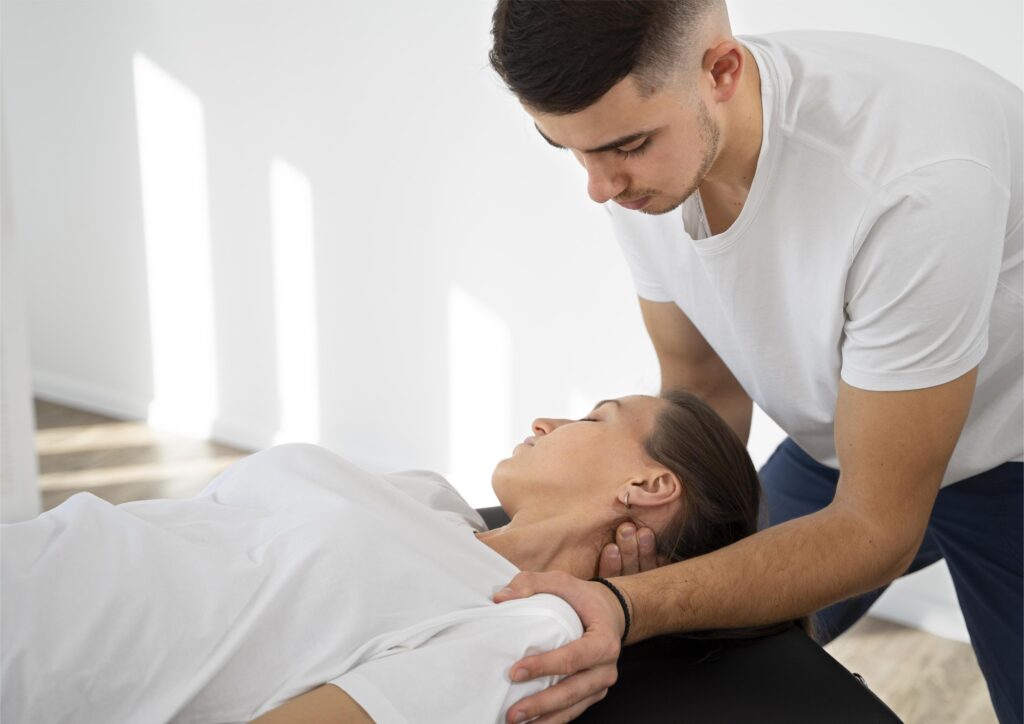
Massage and manual therapy can be powerful allies in your battle against neck pain. These therapies focus on relieving muscle tension, improving circulation, and enhancing mobility in your neck and surrounding areas. When you schedule a session with a licensed massage therapist, you're investing in a tailored approach that targets your specific pain points.
During a massage, the therapist uses various techniques, such as kneading and pressure application, to release knots and tightness in your muscles. This can lead to immediate relief from discomfort and a reduction in stiffness.
Plus, the relaxation induced by massage can also lower stress levels, which often contribute to muscle tension.
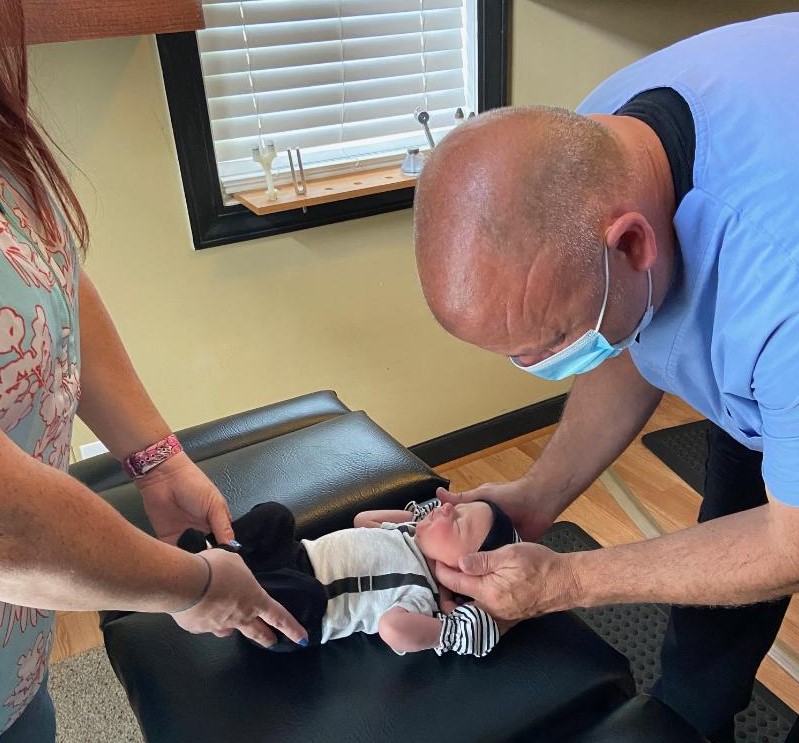
Manual therapy, on the other hand, involves hands-on manipulation of your joints and soft tissues. A skilled practitioner can help align your spine, improve your range of motion, and decrease pain through specific mobilization techniques. This treatment can be particularly beneficial if you've experienced limited movement due to pain.
Both therapies can be integrated into a broader pain management strategy. You might find that regular sessions yield cumulative benefits, gradually reducing the intensity and frequency of your neck pain.
It's important to communicate openly with your therapist about your pain levels and any specific areas of concern, ensuring that they can adjust their techniques to suit your needs.
Incorporating massage and manual therapy into your routine can empower you to take control of your neck pain and enhance your overall well-being.
Lifestyle Modifications
In addition to therapies like massage and manual treatment, making certain lifestyle modifications can greatly impact your neck pain relief. By taking proactive steps in your daily life, you can help reduce discomfort and promote healing. Here are some essential changes you can make:
- Ergonomic Workspace: Adjust your desk, chair, and computer monitor to guarantee you're not straining your neck. Your monitor should be at eye level, and your chair should support your posture.
- Regular Breaks: If you spend long hours at a desk, set a timer to remind yourself to take breaks every 30 to 60 minutes. Stand up, stretch, and move around to relieve tension.
- Hydration and Nutrition: Drink plenty of water and eat a balanced diet rich in anti-inflammatory foods. Staying hydrated helps maintain spinal disc health, while proper nutrition supports muscle recovery.
- Stress Management: Incorporate relaxation techniques like yoga or meditation into your routine. High-stress levels can lead to muscle tension, exacerbating neck pain.
Implementing these lifestyle modifications can lead to significant improvements in your neck pain and overall well-being.
You'll not only feel better physically but also mentally as you take control of your health.
Conclusion
Incorporating these proven methods can help you relieve neck pain without resorting to surgery. By practicing gentle stretches, improving your posture, and using heat or cold therapy, you can find significant relief. Regular massages and lifestyle changes, like staying hydrated and managing stress, also play an essential role in maintaining neck health. Remember, consistency is crucial, so make these techniques part of your daily routine for the best results. Your neck will thank you!