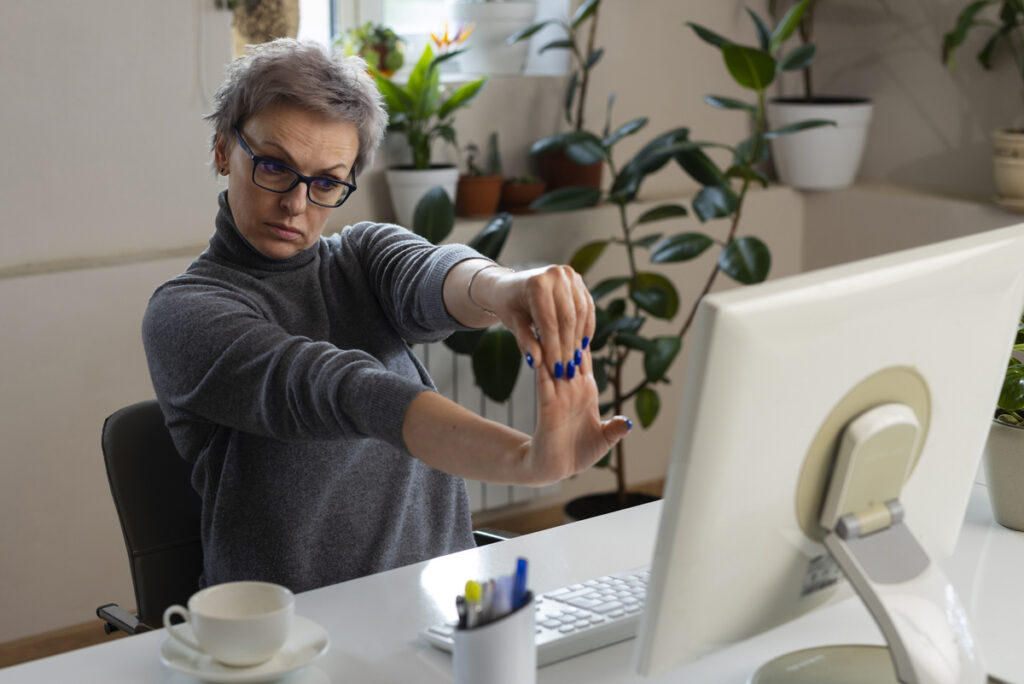
If you're among the 80% struggling with lower back pain, you might be wondering what techniques could provide relief. Many have found success through a combination of physical activity, tailored physical therapy, and mindfulness practices. Engaging in simple exercises like walking or yoga can make a significant difference, but there's more to it than just movement. Understanding how to integrate these methods into your daily routine could be the key to lasting comfort. What if the right approach is just a few adjustments away?
Understanding Lower Back Pain
When it comes to understanding lower back pain, it's vital to recognize that this common issue can stem from various causes. You might experience discomfort due to muscle strain, ligament sprain, or even a herniated disc. Identifying the source of your pain is the first step toward finding effective relief.
Poor posture is another significant contributor to lower back pain. If you spend long hours sitting at a desk or bending over your phone, you could be putting unnecessary strain on your spine. It's important to be mindful of your posture throughout the day.
Additionally, lack of physical activity can weaken your core muscles, which support your back, leading to increased discomfort. Injuries from sports or accidents can also result in lower back pain. If you've recently engaged in an activity that pushed your limits, your back mightn't be ready to handle the stress, leading to inflammation or muscle tears.
Chronic conditions like arthritis can also play a role, often causing stiffness and pain that can linger over time. Lastly, stress can exacerbate lower back pain. When you're stressed, your body tends to tense up, which can lead to muscle tightness and discomfort.
It's important to pay attention to your mental well-being as you work toward addressing your physical pain. By recognizing these various causes, you can take more informed steps toward relief and recovery.
Physical Therapy Approaches
Physical therapy approaches can play an essential role in alleviating lower back pain. When you seek physical therapy, a trained professional will evaluate your specific condition and develop a tailored treatment plan. This personalized approach helps you address the underlying causes of your discomfort.
One common technique used in physical therapy is manual therapy. This hands-on method involves manipulating the soft tissues and joints in your back. By improving circulation and reducing muscle tension, manual therapy can notably ease your pain. You might also experience stretching exercises designed to enhance flexibility and relieve tightness in the lower back.
Another approach is the use of modalities like heat, cold, or electrical stimulation. These treatments can help manage pain and inflammation, providing you with immediate relief. Your therapist may recommend applying heat before exercises to relax muscles or using cold therapy afterward to reduce swelling.
Education is a critical component of physical therapy. You'll learn about proper body mechanics, posture, and ergonomics, which can empower you to prevent future occurrences of lower back pain. Your therapist may also guide you on how to modify daily activities to reduce strain on your back.
Lastly, regular sessions with a physical therapist can help you build strength and improve overall function. With their expertise and support, you'll be better equipped to manage your pain and enhance your quality of life.
Embracing these physical therapy approaches can lead to a notable reduction in lower back discomfort and promote long-term wellness.
Effective Exercise Routines
To effectively relieve lower back pain, incorporating a variety of targeted exercises into your routine can make a significant difference. Focus on strengthening the core, improving flexibility, and enhancing overall stability.
Start with gentle stretches like the cat-cow stretch, which helps mobilize your spine and relieve tension. You can practice this by getting on all fours and arching your back upward and then downward.
Next, consider pelvic tilts. Lying on your back with your knees bent, tighten your abdominal muscles and push your lower back into the floor. Hold for a few seconds, then relax. This exercise strengthens your core while providing relief to your lower back.
Incorporate bridges as well. Lying on your back with knees bent, lift your hips towards the ceiling while squeezing your glutes. This move targets your lower back and strengthens your entire core.
Don't forget about low-impact aerobic exercises like walking or swimming. These activities promote blood flow and help maintain mobility without putting too much strain on your back. Aim for at least 30 minutes several times a week.
Lastly, consider adding yoga to your routine. Poses like child's pose and downward dog can improve flexibility and relieve discomfort.
Always listen to your body, and if any exercise causes pain, stop immediately. With consistency and patience, these effective exercise routines can help you achieve lasting relief from lower back pain.
Mindfulness and Relaxation Techniques
Incorporating mindfulness and relaxation techniques into your daily routine can greatly enhance your ability to manage lower back pain.
These practices help you become more aware of your body and its responses to stress, allowing you to release tension and promote healing.
Here are four techniques you can easily integrate into your life:
- Deep Breathing: Focus on your breath for a few minutes each day. Inhale deeply through your nose, allowing your abdomen to expand, and then exhale slowly through your mouth. This helps calm your mind and reduces muscle tension.
- Progressive Muscle Relaxation: Tense each muscle group in your body for a few seconds, then release. Start from your toes and work your way up to your head. This practice can help you identify where you hold tension and promote relaxation.
- Mindful Meditation: Set aside time to sit quietly and observe your thoughts without judgment. If your mind wanders, gently bring your focus back to your breath. This can improve your mental resilience and decrease pain perception.
- Gentle Yoga: Engage in simple yoga stretches focused on your back and core. Poses like Child's Pose or Cat-Cow can relieve tension and improve your flexibility, which is essential for managing lower back pain.
Alternative Therapies to Consider
Exploring alternative therapies can complement mindfulness and relaxation techniques, providing additional relief for lower back pain. These therapies tap into your body's natural healing abilities and may help you manage pain more effectively.
One popular option is acupuncture. By inserting fine needles into specific points on your body, acupuncture aims to stimulate energy flow and reduce pain. Many people find it beneficial for alleviating lower back pain, often reporting noticeable improvements after just a few sessions.
Chiropractic care is another effective alternative. Chiropractors use hands-on spinal manipulation to restore proper alignment, which can relieve tension in your back. If you're experiencing discomfort, visiting a chiropractor might help you regain mobility and reduce pain levels.
Massage therapy can also be a great option for easing lower back pain. Different techniques, such as deep tissue or trigger point massage, focus on relieving muscle tension and improving circulation. Regular sessions can't only provide immediate relief but also promote long-term wellness.
Herbal remedies may offer additional support. You can explore anti-inflammatory herbs like turmeric or ginger, which may help reduce pain and inflammation. Always consult your healthcare provider before starting any new supplements to ascertain they're safe and effective for you.
Finally, consider yoga or tai chi. These practices combine gentle movement with mindfulness, promoting flexibility and strength in your back while enhancing relaxation.
Lifestyle Modifications for Relief
Making small but impactful lifestyle modifications can greatly ease lower back pain and enhance your overall well-being. You don't have to make drastic changes; even minor adjustments can lead to significant improvements.
Here are four key lifestyle modifications you can consider:
- Improve Your Posture: Pay attention to how you sit, stand, and move. Proper posture helps distribute your body weight evenly and reduces strain on your lower back. Use ergonomic chairs and take breaks to stretch if you sit for long periods.
- Stay Active: Incorporate regular physical activity into your routine. Engaging in low-impact exercises like walking, swimming, or yoga can strengthen your core muscles, which provide support to your spine. Aim for at least 30 minutes of activity most days.
- Maintain a Healthy Weight: Excess weight can put additional stress on your lower back. Focus on a balanced diet rich in fruits, vegetables, lean proteins, and whole grains. Staying hydrated also supports your overall health.
- Get Quality Sleep: Sleep is essential for recovery and overall health. Make certain you're sleeping on a supportive mattress and using pillows that help maintain spinal alignment. Aim for 7-9 hours of quality sleep each night.
When to Seek Professional Help
Even with lifestyle modifications, there are times when lower back pain persists or worsens, signaling a need for professional evaluation. If you've tried various home remedies and pain relief techniques without success, it's essential to consult a healthcare provider.
Persistent pain could indicate an underlying issue that requires expert attention. You should seek professional help if your pain lasts longer than a few weeks, intensifies, or if it's accompanied by other symptoms such as numbness, tingling, or weakness in your legs.
These signs can point to nerve compression or other serious conditions. Additionally, if you experience sudden weight loss, fever, or difficulty controlling your bladder or bowels, don't hesitate to get medical assistance immediately.
A healthcare professional can perform a thorough assessment, including physical examinations and imaging tests like X-rays or MRIs. They'll be able to identify the root cause of your discomfort and recommend appropriate treatments, which may include physical therapy, medication, or even surgical options if necessary.
Conclusion
Incorporating a combination of physical activity, targeted therapies, and mindfulness can greatly enhance your journey toward relief from lower back pain. By engaging in low-impact exercises, seeking out personalized physical therapy, and practicing relaxation techniques, you're taking proactive steps to improve your well-being. Remember, making small lifestyle changes can also make a big difference. If pain persists, don't hesitate to reach out to a healthcare professional for guidance. You've got the tools to find relief!