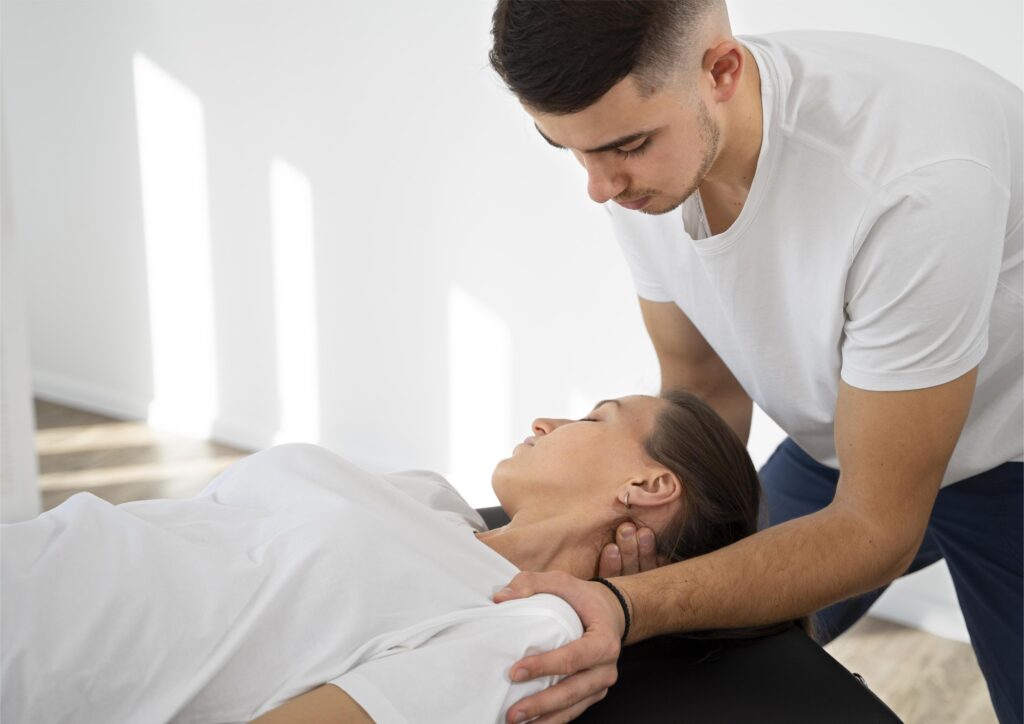
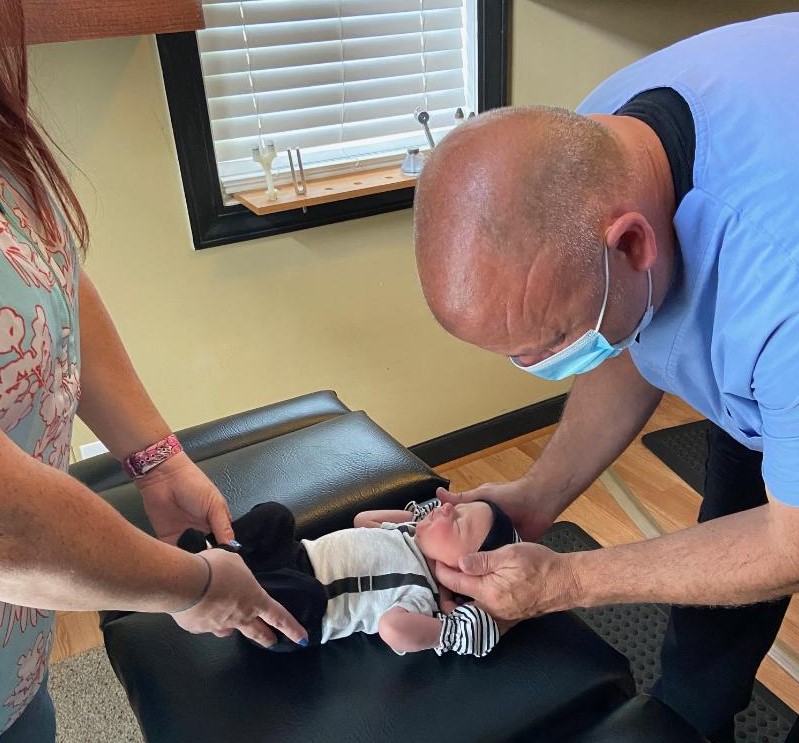
As a local chiropractor, I want to share with you the incredible role that adjustments can play in enhancing your flexibility. Many people overlook this aspect of chiropractic care, but the truth is that by modifying your stretching techniques and incorporating dynamic warm-ups, you can unlock a whole new level of mobility in your body. Flexibility isn't just about how far you can bend; it's about understanding your body's alignment and movement patterns.
When you begin to explore the various methods that chiropractic adjustments offer, you may discover surprising benefits that can truly transform your overall physical practice. Are you curious about how these strategies can make a difference in your flexibility? Let's take a closer look at ten ways adjustments can elevate your flexibility and improve your overall well-being.
Modify Your Stretching Technique
As a local chiropractor, I want to emphasize the importance of flexibility for your overall physical health and how modifying your stretching routine can lead to significant improvements. Many people may not be familiar with the benefits of chiropractic care, but incorporating effective stretching techniques can complement your journey towards better health.
When it comes to stretching, it's essential to focus not only on the quality of your stretches but also on the methods you use. Instead of relying solely on static stretches, I recommend integrating variations that cater to your individual needs. For instance, when working on your hamstrings, rather than simply reaching for your toes, try a seated stretch with one leg extended and the other bent. This modification allows you to concentrate on one side at a time, which can enhance your flexibility more effectively.
You may also want to experiment with the duration of your stretches. Holding a position for too long can sometimes create more tension than relief. Instead, consider holding each stretch for 15 to 30 seconds, then releasing and repeating. This approach can help your muscles adapt better and ultimately increase your range of motion.
Incorporating breath into your stretching routine can also be incredibly beneficial. As you inhale, visualize your body expanding, and as you exhale, gently deepen the stretch. This practice not only promotes relaxation but also fosters a deeper connection between your mind and body, which is a key aspect of natural healing.
Lastly, it's important to listen to your body. If you experience pain during a stretch, it's a sign that you should ease up. Remember that flexibility develops with patience and consistency. By modifying your stretching techniques, you can achieve better results and promote a healthier, more flexible body.
Always keep in mind that adjustments that work for you'll lead to the most beneficial outcomes.
Incorporate Dynamic Warm-Ups
As a local chiropractor, I want to emphasize the importance of incorporating dynamic warm-ups into your routine.
These exercises play a crucial role in enhancing your flexibility and overall performance. By preparing your muscles and joints for activity, dynamic warm-ups can significantly reduce the risk of injury, which is something we often see in our practice.
Let's discuss some effective warm-up exercises that not only help get your body ready for movement but can also complement your chiropractic care and support your journey towards natural healing.
Benefits of Dynamic Warm-Ups
As a local Chiropractor, I want to share with you the significant benefits of incorporating dynamic warm-ups into your fitness routine. These movements aren't just a trend; they play a crucial role in enhancing your performance and minimizing the risk of injury. By engaging in dynamic warm-ups, you prepare your muscles and joints for the physical demands of any workout or sport, ensuring that your body is ready to move efficiently and effectively.
One of the primary advantages of dynamic warm-ups is that they improve your range of motion. This increased flexibility allows you to move more freely, which is essential for preventing injuries. Additionally, these warm-up exercises elevate your heart rate and boost blood flow to your muscles. This increased circulation enhances oxygen delivery, which can make you feel more energized and ready for your session.
You may also notice improvements in your coordination and balance when you incorporate dynamic movements. These warm-ups often mimic the specific activities you'll be performing, helping to prepare your body in a functional way.
Beyond the physical benefits, dynamic warm-ups also serve a mental purpose. They help you focus on your body and movement patterns, creating a positive mindset as you approach your workout. By making dynamic warm-ups a regular part of your routine, you're not only reducing the likelihood of strains and sprains, but you're also setting the stage for optimized performance and better results.
Effective Warm-Up Exercises
As a local chiropractor, I often emphasize the importance of warming up correctly before engaging in physical activities. A well-executed warm-up can significantly enhance your performance and help prevent injuries, which is crucial for maintaining overall health and wellness.
Instead of relying on static stretching, I encourage my patients to focus on dynamic exercises that mimic the movements of the activities they plan to undertake. For instance, starting with leg swings can be particularly beneficial. These movements improve hip flexibility and increase your range of motion. To perform leg swings, simply stand next to a wall for balance, swing one leg forward and backward, and then repeat with the other leg.
Another effective warm-up exercise is arm circles, which help loosen up the shoulders. To do this, extend your arms out to the sides and make small circles, gradually making them larger. This exercise enhances shoulder mobility, preparing your upper body for various workouts.
I also recommend incorporating lunges with a twist into your routine. This exercise involves stepping forward into a lunge position while rotating your torso towards the front leg. Not only does this dynamic stretch open up your hips, but it also engages your core, which is vital for maintaining stability during any exercise.
Lastly, consider adding high knees or butt kicks to your warm-up. These exercises effectively elevate your heart rate and get your blood pumping, ensuring that your muscles are adequately prepared for the work ahead.
Practice Controlled Breathing
As a chiropractor, I want to share with you the importance of practicing controlled breathing and how it can significantly enhance your flexibility—both physically and mentally. When you concentrate on your breath, you create a stronger connection between your mind and body, which can lead to better performance in your flexibility exercises.
Here are four key benefits of controlled breathing that I often discuss with my patients:
- Increased Oxygen Supply: Controlled breathing ensures that your muscles receive more oxygen, which is crucial for optimal function during stretching exercises. This can help you achieve better results in your flexibility training.
- Enhanced Relaxation: By focusing on your breath, you can activate your body's natural relaxation response. This helps reduce muscle tension that may be restricting your flexibility. A relaxed body is much more adaptable.
- Improved Concentration: Mindful breathing encourages you to stay present, sharpening your focus on your body's movements and alignment as you stretch. This mindfulness can lead to a more effective and safe practice.
- Pain Management: Learning to control your breath can serve as a natural pain relief technique. By managing your breathing, you can navigate through discomfort and tension without overexerting your body.
To practice controlled breathing, I recommend finding a comfortable position. Inhale deeply through your nose, allowing your abdomen to expand fully. Hold your breath briefly, then exhale slowly through your mouth. Strive for a steady rhythm, keeping your inhalation and exhalation of equal length.
Incorporate this technique into your stretching routine, and observe how it enhances the fluidity and effectiveness of your movements.
Integrating controlled breathing into your practice not only improves your flexibility but also cultivates a calm and focused mindset. This can empower you to achieve your physical goals with greater ease, supporting your overall journey to natural healing and wellness.
Use Props for Support
As a chiropractor, I often encourage my patients to incorporate props into their stretching routines to enhance flexibility and support their bodies as they work towards improved health and wellness.
Whether you're new to stretching or have some experience, using props like yoga blocks, straps, or bolsters can significantly benefit your practice and overall well-being. These tools can facilitate deeper stretches while ensuring you maintain proper alignment, which is crucial for preventing injury.
For example, utilizing a yoga block can help bring the ground closer to you during stretches such as Triangle or Forward Fold. This added support allows you to ease into the stretch comfortably without straining your muscles, promoting a safer and more effective experience.
It's important to find that balance where you feel the stretch but aren't pushing your body too hard. Similarly, a strap can assist you in reaching your feet during seated stretches or help you keep your arms correctly positioned in poses like Downward Dog.
I encourage you to explore different props to discover what works best for your body. Bolsters, for instance, can offer comfort and stability during restorative poses, enabling you to fully release tension and unwind.
The key is to listen to your body throughout the process and make adjustments as needed. By integrating these props into your routine, you can support your chiropractic care and enhance your journey towards natural healing and improved flexibility.
Adjust Your Body Alignment
Understanding Body Alignment for Better Health
As a chiropractor, I often see patients who are unaware of the importance of proper body alignment. Maintaining correct alignment is crucial not only for enhancing your flexibility but also for preventing injuries and promoting overall well-being.
When your body is aligned properly, your muscles can function more efficiently, which makes it easier to stretch and move without discomfort. Here are four essential tips to help you improve your body alignment:
- Engage Your Core: Your core muscles play a key role in stabilizing your spine and pelvis. By engaging your core, you establish a strong foundation for movement. This can lead to better posture and improved balance, which are vital for your overall health.
- Relax Your Shoulders: Many people hold tension in their shoulders, which can throw off your body alignment. Make a conscious effort to relax your shoulders and let them drop away from your ears. This simple adjustment can open up your chest and enhance your posture significantly.
- Align Your Hips: It's important to ensure that your hips are level and facing forward. Misaligned hips can lead to discomfort and limit your flexibility. Regularly checking your stance can help you maintain proper hip alignment, which is essential for movement and balance.
- Keep Your Head Neutral: Your head should be positioned in line with your spine, neither jutting forward nor tilting back. Maintaining a neutral head position helps you stay balanced and reduces strain on your neck, contributing to better overall alignment.
By focusing on these aspects of body alignment, you can enhance your physical health and well-being.
Focus on Muscle Engagement
As a local chiropractor, I want to emphasize the importance of muscle engagement for enhancing your flexibility and overall physical performance. When you actively engage the muscles involved in a stretch, you not only improve flexibility but also increase stability and control in your movements. This engagement is crucial for maintaining proper alignment, which is essential for effective stretching and overall body function.
To begin focusing on muscle engagement, identify the specific muscles you wish to target during your stretches. For example, if you're working on your hamstrings, try consciously activating your quadriceps and core muscles. Creating this tension helps establish a stable base, allowing you to deepen your stretch without the risk of injury.
As you stretch, pay close attention to the sensations in your body. Are you feeling the muscles you intend to stretch? If not, it may be beneficial to adjust your position. Remember, the goal isn't just to reach further; it's about controlling your movements effectively. By actively engaging your muscles, you'll likely find that your range of motion improves over time.
Breathing is another key element to consider. Deep, controlled breaths can help you maintain focus on muscle engagement. Inhale deeply, allowing your chest and belly to rise, and exhale fully to release any built-up tension. This rhythmic breathing promotes awareness of the muscles at work and helps you stay connected to your body during stretches.
Incorporating a focus on muscle engagement into your flexibility routine can yield significant improvements in your physical well-being. You may notice that your movements feel more fluid, your body feels more balanced, and you can perform physical activities with greater ease and confidence.
As your chiropractor, I'm here to support you in this journey toward natural healing and optimal health.
Break Down Movements
As your local chiropractor, I want to help you understand the importance of breaking down your movements.
By analyzing your joint range, we can determine how far your body can move comfortably. This process also allows us to identify any muscle tension that may be restricting your flexibility.
By addressing these issues, we can improve your movement patterns, which ultimately enhances your overall performance in daily activities and sports.
My goal is to guide you toward better mobility and natural healing through chiropractic care.
Analyze Joint Range
As a chiropractor, it's important to understand how to analyze joint range, as it plays a crucial role in enhancing your overall flexibility and mobility.
By breaking down how your joints move, we can identify areas that may need improvement and help you achieve better health. Here are four essential aspects to consider when we look at your joint range:
- Types of Joints: Your body has various types of joints, such as hinge joints (like your knees) and ball-and-socket joints (like your shoulders). Each type has a different range of motion. Knowing the specifics of these joints helps us set realistic expectations for their movement.
- Movement Patterns: We'll observe how different movements impact your joints. For instance, when you squat, your knees and hips engage in unique ways. By analyzing these patterns, we can pinpoint areas that may require extra attention or care.
- Flexibility Angles: It's beneficial to measure how far your joints can move at different angles. This information is vital for establishing a baseline of your joint health and tracking your progress as we work together to improve your flexibility.
- Practical Implications: Finally, we'll discuss how your joint range affects your daily activities and sports. Understanding any limitations can help us create personalized flexibility routines that cater to your specific needs, enhancing your quality of life.
Together, we can work on improving your joint range and, subsequently, your overall well-being through natural healing methods.
Identify Muscle Tension
As your local chiropractor, I want to help you understand how muscle tension can significantly affect your movement and overall well-being. When we analyze your joint range, we can gain valuable insights into how muscle tension may be holding you back from moving freely.
By breaking down your movements, you may start to notice specific areas where tightness is present. It's important to pay attention to how your muscles feel during everyday activities. Are there certain muscles that feel tight or sore? This tension can limit your range of motion, which in turn affects your flexibility and performance in daily tasks.
Let's focus on specific movements like bending or reaching. If you struggle to touch your toes, for example, it could be a sign that your hamstrings are tight, or perhaps your lower back is compensating for that tightness.
I encourage you to take a moment to perform some basic stretches and really observe how your body responds. Are there areas where you feel tightness? Developing this awareness is crucial for your healing journey.
Additionally, tools like foam rollers or massage balls can be helpful in targeting those tight spots and relieving muscle tension. Remember, muscle tension isn't merely about feeling sore; it can also reveal imbalances within your body.
Improve Movement Patterns
As a local chiropractor, I want to help you understand how improving your movement patterns can lead to better overall health and wellness.
It's important to break down the movements you make every day into smaller components. By dissecting these movements, we can pinpoint areas that may need adjustment, which can enhance your flexibility and performance.
Here are four key components to consider:
- Initiation – First, let's identify where your movement begins. Do you start from your core, hips, or shoulders? Understanding this can help you activate the right muscles, ensuring a more effective movement.
- Range of Motion – Next, we evaluate how far you can move in each direction. This assessment is crucial as it allows us to discover any tightness or restrictions that could interfere with your performance and daily activities.
- Control – It's also vital to assess how well you maintain stability throughout your movements. Improving your control not only enhances the fluidity of your actions but also significantly reduces the risk of injury.
- Shift – Finally, let's examine how you transition from one phase of a movement to another. Smooth shifts in your movements are essential for efficiency and effectiveness, helping you move with ease and comfort.
By focusing on these components, we can work together to improve your movement patterns, leading to a healthier, more active lifestyle.
If you have any questions or need further guidance, I'm here to help!
Gradually Increase Range of Motion
As a local chiropractor, I want to emphasize the importance of gradually increasing your range of motion to enhance your overall flexibility and performance.
It's vital to approach this process with care to prevent injury and ensure long-term improvement. Start by understanding your current limits—pay attention to any stretches or movements that feel tight or restricted.
Once you've identified these areas, focus on gentle stretches that specifically target them. You don't need to push yourself too hard; instead, aim for small, manageable increments. For example, if you can only reach your toes with your fingertips, set a goal to reach a little further each week. Celebrate these small victories; they'll motivate you to continue your progress.
Incorporating dynamic stretches into your routine is another effective strategy. These involve controlled movements that gradually increase your range of motion, helping prepare your muscles and joints for deeper stretches.
As you become more comfortable, consider adding static stretches where you hold positions for longer periods. This combination can significantly enhance flexibility while preventing stiffness and discomfort.
It's crucial to listen to your body during this process. If you experience sharp pain or discomfort, take a step back and allow yourself time to recover.
Consistency is key, so aim to incorporate stretching into your regular routine. Over time, you'll notice substantial improvements in your flexibility and performance in various activities—whether that's playing sports, dancing, or simply performing daily tasks.
By gradually increasing your range of motion, you're not just improving your flexibility; you're also building a stronger foundation for overall physical health.
Explore Different Stretching Styles
As a local chiropractor, I want to help you understand the importance of stretching and how different styles can benefit your overall health and flexibility. Stretching is an essential component of any wellness routine, and exploring various methods can help you find what suits your body best.
Here's a brief overview of some popular stretching techniques that I often recommend to my patients:
- Static Stretching: This technique involves holding a stretch for a specific duration, usually between 15-60 seconds. It's fantastic for enhancing overall flexibility and is often best utilized after workouts or physical activity to help cool down and relax your muscles.
- Dynamic Stretching: Unlike static stretching, dynamic stretching incorporates movement and is typically performed before workouts. Exercises such as leg swings and arm circles are great ways to prepare your muscles for activity, increasing blood flow and enhancing your range of motion.
- Ballistic Stretching: This method includes bouncing or jerking movements to push your body slightly beyond its normal range. While some athletes find it beneficial, it's important to approach this style with caution, as it can increase the risk of injury if done improperly.
- PNF Stretching (Proprioceptive Neuromuscular Facilitation): This advanced technique combines passive stretching and isometric contractions, making it highly effective for improving flexibility. It often works best with a partner who can assist you to ensure proper technique and safety.
By trying out these different stretching styles, you can discover which ones resonate with your body and support your flexibility goals.
Whether you're looking to enhance your athletic performance or simply improve your daily mobility, incorporating a variety of stretching techniques can yield impressive results.
Listen to Your Body
As a local chiropractor, I want to emphasize the importance of listening to your body when it comes to enhancing your flexibility and preventing injuries.
Being attuned to your body's signals is crucial; it allows you to recognize when something isn't quite right and informs you whether you should push through discomfort or take a step back.
By paying attention to these cues, you can make informed adjustments that not only benefit your physical practice but also promote overall wellness and healing.
Body Awareness Importance
As a local chiropractor, I want to emphasize the importance of developing body awareness for your overall health and well-being. Understanding your body is key to recognizing its needs, limits, and potential. When you learn to tune into your body, you're better equipped to engage in physical activities safely and effectively, promoting a healthier lifestyle.
Here are four key benefits of cultivating body awareness that I often share with my patients:
- Improved Posture: Becoming aware of how you carry yourself can lead to significant improvements in your posture. This awareness allows you to make necessary adjustments that enhance your alignment and reduce unnecessary strain, which is crucial for maintaining spinal health.
- Enhanced Movement Quality: When you're in tune with your body, you can move more smoothly and efficiently. This improved movement quality not only makes physical activities feel easier but also supports your overall physical function.
- Injury Prevention: Understanding your body's limits is vital for preventing injuries. By recognizing when to push yourself and when to ease off, you can minimize the risk of injuries during workouts or even in your daily routines, which is essential for maintaining long-term health.
- Mind-Body Connection: Developing body awareness fosters a stronger connection between your mind and body. This enhanced awareness can lead to improved focus and mindfulness in your movements, which is beneficial for both your physical and mental well-being.
By incorporating body awareness into your life, you empower yourself to make informed choices that support your health.
As your chiropractor, I'm here to guide you on this journey towards better awareness and wellness.
Pain Signals Recognition
Pain is your body's way of communicating that something may be off. As a chiropractor, I want to emphasize the importance of listening to these signals, especially when you're stretching or moving. Ignoring pain can lead to injuries that not only set you back but can also hinder your progress towards better flexibility and overall well-being.
If you experience sharp or persistent discomfort, it's a clear indication to ease off and reassess your technique. You may be overexerting yourself or using improper form. It's crucial to modify your movements to find a position that feels comfortable and pain-free.
It's vital to learn how to differentiate between discomfort, which can be a normal part of stretching, and actual pain. Discomfort usually diminishes as you gradually stretch, while true pain tends to linger or even worsen. This distinction is key in preventing injuries and achieving a healthier, more flexible body.
Always take the time to warm up properly before jumping into more intense stretches. This proactive approach can significantly lower the risk of pain and injury.
Conclusion
As a chiropractor dedicated to your well-being, I want to share how incorporating adjustments into your flexibility routine can significantly benefit your body. By modifying your techniques and using supportive props, we can enhance your range of motion and overall performance. It's essential to listen to your body during this process; it knows what it needs.
Additionally, don't underestimate the power of controlled breathing and exploring various stretching styles to discover what resonates with you. Consistency is crucial in this journey, so I encourage you to stay committed to your practice. With time, dedication, and the right adjustments, you will likely experience notable improvements in your flexibility and overall body awareness. Remember, chiropractic care isn't just about addressing pain—it's about fostering a healthier, more flexible you!