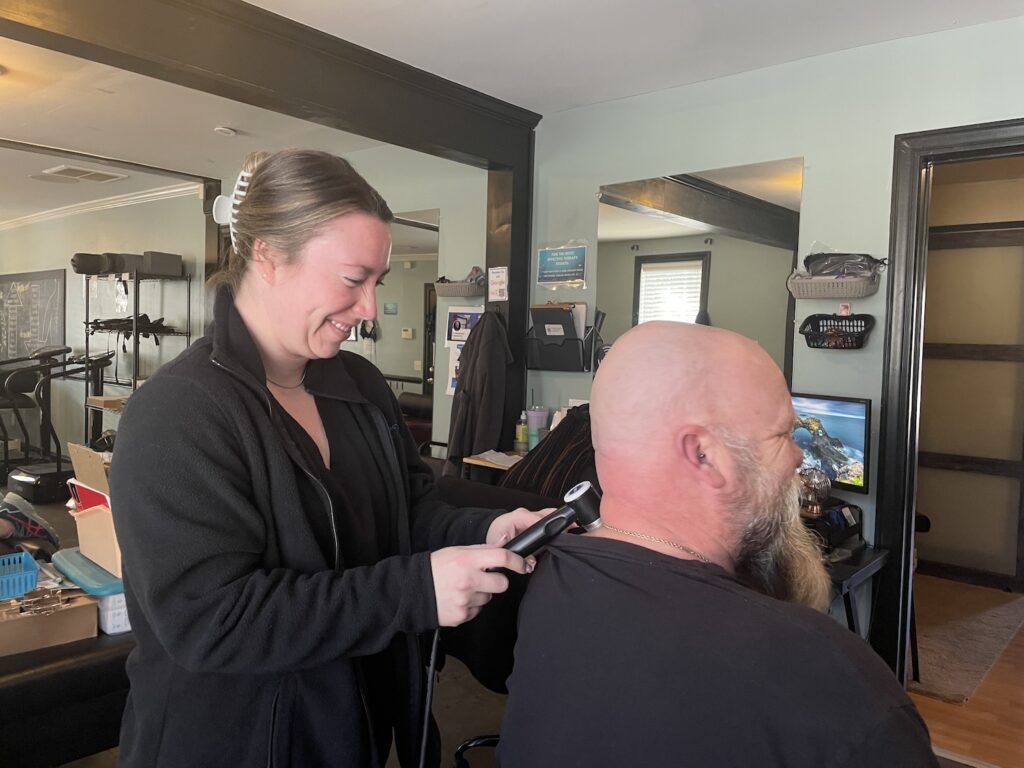
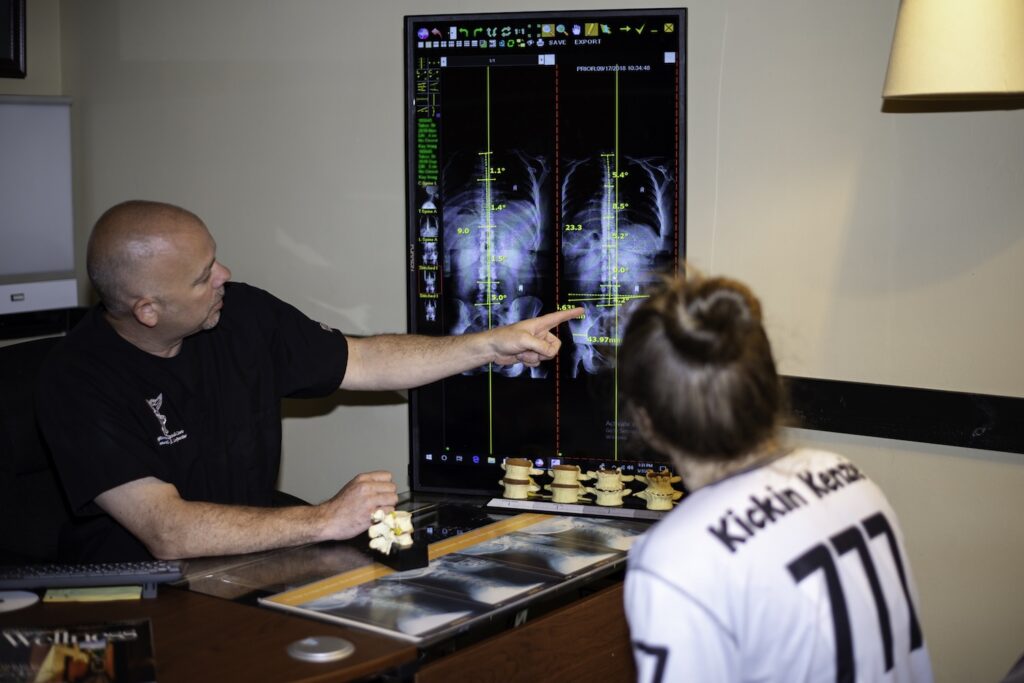
Managing chronic pain goes beyond merely alleviating symptoms; it's about taking a proactive approach to enhance your overall well-being. As your local chiropractor, I believe that incorporating preventive care strategies is crucial in identifying triggers and making lifestyle changes that can significantly reduce your pain. This may include dietary modifications, tailored exercise programs, and effective stress management techniques.
Chiropractic care focuses on the body's natural ability to heal itself, and understanding how to customize these strategies to fit your unique situation is vital. By working together, we can explore various natural healing methods that align with your individual needs. The insights you gain from this journey may completely transform your understanding of pain management and lead to a more fulfilling life. Let's embark on this path to better health together!
Understanding Chronic Pain
Chronic pain can feel like an unending storm, impacting countless individuals each day. Many of my patients come to me hoping for relief, only to realize that the discomfort persists. This ongoing pain can be a result of various conditions, such as arthritis, fibromyalgia, or previous injuries. As a chiropractor, I believe that understanding chronic pain is essential for effective management and healing.
It's important to recognize that chronic pain isn't just a physical issue; it intertwines with emotional and psychological elements. Stress, anxiety, and depression can amplify your pain, creating a challenging cycle. By acknowledging how these factors interact, you can start to break that cycle. For instance, when pain overwhelms you, your body may respond with increased sensitivity, which can lead to even more discomfort.
Identifying your pain triggers is crucial. Activities, changes in weather, or shifts in your mood can all influence your symptoms. I often recommend keeping a pain diary to help track your pain levels alongside your daily activities and emotional states. This practice can reveal patterns that enhance your understanding of your pain and inform your approach to healing.
Remember, you aren't alone in this journey. Many resources and support groups exist where you can connect with others facing similar challenges. Sharing experiences and learning from one another can introduce you to new coping strategies and natural healing methods, which are at the heart of chiropractic care.
Together, we can work towards alleviating your pain and improving your quality of life.
Importance of Preventive Care
As a local chiropractor, I want to emphasize the vital role that preventive care plays in managing chronic pain and enhancing your overall well-being. By addressing potential issues before they escalate, you can significantly improve your quality of life. Regular chiropractic check-ups and screenings allow us to identify pain triggers early, helping you avoid unnecessary suffering.
When you engage in preventive care, you're not just reacting to pain; you're taking control of your health and well-being. One of the key aspects of our practice is maintaining open communication. This ensures that you stay informed about any changes in your condition and the possible interventions we can explore together. This proactive approach empowers you to make educated decisions about your treatment options, allowing you to take charge of your healing journey.
Additionally, preventive care in our chiropractic clinic can help you build a strong support network. Collaborating with physical therapists, pain specialists, and even joining support groups can provide you with invaluable emotional and practical assistance. Surrounding yourself with professionals and peers who understand your journey is essential for long-term success.
By focusing on prevention, you're also more likely to develop and maintain healthier habits. This includes adhering to your treatment plans, managing stress effectively, and making informed choices about your lifestyle and nutrition. These habits can help mitigate pain flare-ups and reduce the severity of your symptoms over time, leading to a more fulfilling life.
I encourage you to prioritize preventive care and explore the benefits of chiropractic treatment as a natural healing solution for your chronic pain. Together, we can work towards achieving your health goals and improving your overall well-being.
Lifestyle Modifications
As a local chiropractor, I want to share how effective lifestyle modifications can significantly impact your ability to manage chronic pain and enhance your overall well-being.
Let's start by examining your daily habits and identifying simple changes that can make a big difference.
Nutrition is a cornerstone of healing. I encourage you to focus on a balanced diet that includes whole foods, lean proteins, and plenty of fruits and vegetables. By reducing processed foods and sugars, you can help decrease inflammation—one of the key contributors to chronic pain.
In addition to nutrition, incorporating regular physical activity is vital. Low-impact exercises such as walking, swimming, or yoga can be particularly beneficial. These activities not only strengthen your muscles and improve flexibility, but they also release endorphins, the body's natural pain relievers. The key is to find an activity that you enjoy and stay consistent with it.
Quality sleep can't be overlooked. If you're struggling with poor sleep, it can heighten your pain levels. I recommend prioritizing good sleep hygiene by creating a calming bedtime routine, limiting screen exposure before bed, and ensuring your sleeping environment is comfortable and dark.
Managing stress is equally important. Chronic pain often goes hand-in-hand with stress, so it's crucial to adopt effective coping strategies. Techniques like mindfulness, meditation, and deep-breathing exercises can all provide relief. Additionally, connecting with friends, family, or support groups can combat feelings of isolation and boost your mood.
Lastly, I suggest keeping track of your progress. Maintaining a journal can help you recognize patterns and triggers related to your pain, enabling you to make more informed choices moving forward.
Physical Therapy Options
As a local chiropractor, I want to share how chiropractic care can be an integral part of managing your chronic pain naturally. Our approach focuses on enhancing your physical function and decreasing discomfort through a variety of targeted techniques and exercises tailored specifically to your needs.
One of the primary methods we utilize in chiropractic care is spinal manipulation, which helps to align the spine and improve mobility while relieving pain. This hands-on technique is vital in restoring proper function to the nervous system, allowing your body to heal itself more effectively.
Additionally, we integrate therapeutic exercises into your treatment plan that are designed to strengthen your muscles, increase flexibility, and boost your overall physical endurance, empowering you to take control of your health without relying solely on pain medications.
We also offer modalities such as electrical stimulation therapy, which utilizes low-voltage electrical currents to provide immediate pain relief and promote healing. This technique can complement other chiropractic adjustments and therapies, enhancing their effectiveness.
For those who may find it challenging to engage in traditional exercises due to pain or mobility issues, aquatic therapy can be an excellent option. Exercising in water minimizes pressure on your joints while allowing you to build strength and flexibility in a supportive environment.
Moreover, we emphasize the importance of proper posture and body mechanics training. Learning to maintain good posture during everyday activities can significantly reduce strain on your body and help prevent future pain.
Mindfulness and Relaxation Techniques
As a local chiropractor, I want to share how mindfulness and relaxation techniques can play a vital role in managing chronic pain.
Many of my patients find that incorporating practices such as deep breathing exercises and guided imagery into their routine can significantly help calm the mind and alleviate tension in the body.
These methods not only foster relaxation but also empower you to take an active part in your journey towards pain management.
Deep Breathing Exercises
As a local chiropractor, I want to share with you an effective technique that can complement your journey toward managing chronic pain: deep breathing exercises. These exercises can serve as a beneficial addition to your chiropractic care, helping you to not only alleviate discomfort but also promote overall well-being.
When you focus on your breath, you can distract yourself from pain and activate your body's natural relaxation response. This response is crucial, as it helps reduce the stress and tension that often magnify your pain levels.
To begin, find a quiet and comfortable space where you can either sit or lie down. Close your eyes and take a slow, deep breath in through your nose, allowing your abdomen to expand fully. Hold that breath for a moment, and then exhale slowly through your mouth, consciously releasing any tension you're holding onto.
Continue this practice for several minutes, paying attention to the rhythm of your breath.
I encourage you to incorporate deep breathing into your daily routine. It's a simple yet powerful tool you can use during times of stress or when you experience flare-ups of pain. You may also find it beneficial to set aside specific times each day for deeper breathing sessions, allowing yourself to fully unwind and rejuvenate.
As you practice deep breathing, you may notice improvements in your mood and a decrease in your perception of pain. Remember, consistency is key—by making deep breathing a regular part of your self-care routine alongside your chiropractic treatments, you'll be better equipped to manage chronic pain and enhance your overall health.
Guided Imagery Practices
As your local chiropractor, I want to introduce you to a valuable technique that can complement your chiropractic care: guided imagery practices. This approach can be a powerful tool for managing chronic pain and enhancing your relaxation techniques. By visualizing calming scenes and experiences, you can create a mental escape that helps alleviate discomfort.
Here's how you can easily incorporate guided imagery into your healing routine:
- Find a Quiet Space: It's important to choose a peaceful environment where you won't be disturbed. This allows your mind to focus without distractions, making it easier to immerse yourself in your imagery. Whether it's a cozy corner of your home or a tranquil spot outdoors, find a place that feels right for you.
- Engage Your Senses: As you visualize, try to engage all your senses. Picture the vibrant colors of a serene landscape, feel the warmth of the sun on your skin, or listen to the gentle sounds of nature. This sensory involvement deepens the relaxation experience and can enhance the effectiveness of your chiropractic adjustments.
- Practice Regularly: Consistency is key in any healing practice. Set aside time each day to practice guided imagery. The more you do it, the more effective it becomes in managing your pain and stress levels. This practice can work hand-in-hand with the adjustments and treatments you receive in our office.
Incorporating guided imagery into your routine can be a beneficial addition to your overall wellness journey. As always, I'm here to support you in finding the best strategies for your health and healing.
Medication Management Strategies
Managing chronic pain effectively is a journey that often involves more than just medication. As a chiropractor, I want to guide you on how to navigate this path using a holistic approach that considers your overall well-being.
First and foremost, it's essential to collaborate with your healthcare provider, including your chiropractor, to develop a personalized pain management plan. This plan may include a variety of interventions, from chiropractic adjustments to nutritional advice, and yes, medications when necessary. Understanding your specific condition will help us determine the best approach for you.
Educating yourself about any medications you're considering is also crucial. Knowing the purpose, potential side effects, and how they might interact with other treatments can empower you to make informed decisions about your health. Keeping a detailed log of what you take, including dosages and times, can help both you and your chiropractor assess the effectiveness of your pain management strategy.
Chiropractic care often works best in conjunction with other modalities. For instance, a combination of spinal adjustments, physical therapy, and possibly anti-inflammatory medications may provide enhanced relief. We can explore various techniques together, such as muscle relaxation methods and topical treatments that complement our chiropractic sessions.
Adhering to a consistent schedule for any prescribed treatments is vital. Inconsistent use can lead to less effective pain relief and may exacerbate your condition. If you ever feel that the approach we're taking isn't yielding the desired results, please reach out to me immediately. Together, we can make necessary adjustments and explore alternative therapies that may better suit your needs.
Lastly, I encourage you to consider non-pharmacological strategies as part of your pain management routine. Integrating practices like physical therapy, chiropractic adjustments, and mindfulness techniques can significantly enhance your pain relief and improve your overall quality of life.
Conclusion
As a local chiropractor, I want to share how managing chronic pain through preventive care can significantly improve your quality of life. Embracing healthier lifestyle habits is essential; this includes maintaining a balanced diet, staying hydrated, and prioritizing sleep. Regular exercise is another vital component—activities like stretching, walking, or gentle yoga can help reduce inflammation and alleviate pain.
In addition, practicing stress management techniques such as mindfulness, deep breathing, or meditation can have a positive impact on your overall well-being. These methods can help you navigate the emotional aspects of chronic pain.
It's also important to collaborate with your healthcare provider, including your chiropractor, to develop personalized strategies that align with your specific needs. Chiropractic care focuses on the alignment of your spine and overall musculoskeletal health, which can play a crucial role in pain management.
By taking a proactive approach to your health, you can empower yourself to manage your pain effectively and lead a more fulfilling life. I'm here to guide you on this journey toward better health through natural healing methods.