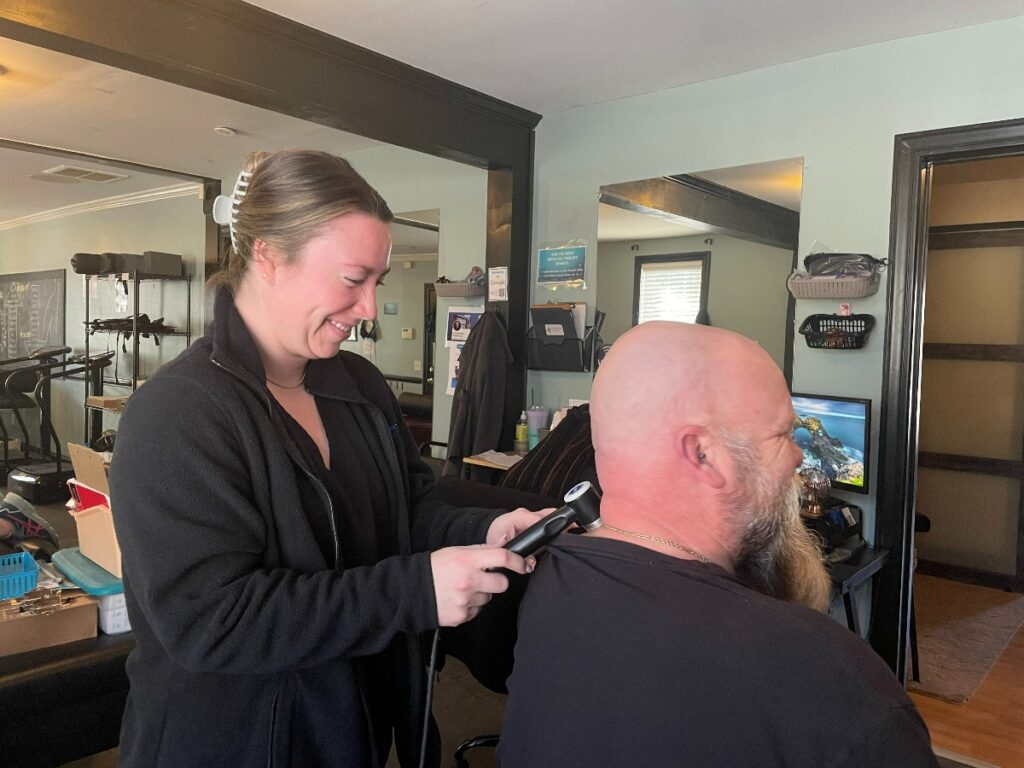
When it comes to chronic pain, many people feel overwhelmed by their ongoing discomfort. However, I want to share with you that there are proactive steps you can take to prevent those painful episodes before they even start. As a chiropractor, I believe that preventive care goes beyond merely addressing symptoms; it involves making informed choices that can help you manage your pain more effectively and improve your overall well-being.
Incorporating lifestyle adjustments is a crucial part of this journey. Simple changes, such as maintaining a healthy posture, engaging in regular exercise, and staying hydrated, can make a significant difference in how you feel. Additionally, working closely with healthcare providers, including chiropractors like myself, can empower you to take control of your chronic pain. Together, we can develop a personalized plan that may include spinal adjustments, physical therapy, and nutritional guidance.
I encourage you to explore these strategies and consider how they can enhance your quality of life. Remember, taking charge of your health is an achievable goal, and with the right support, you can find relief from chronic pain. Let's work together to chart a path toward a healthier, pain-free future.
Understanding Chronic Pain
Understanding chronic pain is crucial, especially when exploring the benefits of chiropractic care and natural healing. As a chiropractor, I want to emphasize that chronic pain is more than just a symptom; it's a complex condition that can significantly impact both your physical and emotional well-being.
Many of my patients find that chronic pain lingers long after an injury or illness has healed, leading to ongoing discomfort that can make it challenging to engage in daily activities or enjoy life to the fullest.
It's important to recognize that chronic pain doesn't solely manifest as physical sensations. It can also affect your mood, contributing to feelings of anxiety and depression. When you're in pain, your body often goes into survival mode, which can alter your mental state. You may notice increased irritability, withdrawal from social interactions, or even feelings of hopelessness as the pain persists without relief.
Chronic pain often arises from a combination of factors, including genetics, past injuries, and psychological influences. This complexity means that treatment approaches can vary widely among individuals. What may work wonders for one person mightn't provide the same relief for another.
At our chiropractic clinic, we offer a range of treatments, from spinal adjustments to physical therapy, and we also emphasize the importance of psychological support and lifestyle changes in your healing journey.
By understanding the connection between your physical and emotional health, you can take charge of your pain management. Our goal is to empower you with knowledge about your condition and help you explore effective strategies tailored to your specific needs.
Acknowledging that chronic pain is a legitimate health issue is the first step toward seeking help. You don't have to navigate this challenge alone; we're here to support you every step of the way on your path to recovery.
Importance of Preventive Care
As a local chiropractor, I want to emphasize the vital role that preventive care plays in managing chronic pain and enhancing your overall well-being. By taking proactive steps, you can significantly reduce both the intensity and frequency of your pain episodes, leading to an improved quality of life. Engaging in preventive care means you're not merely reacting to pain when it arises; you're actively working to prevent it from disrupting your daily activities and personal goals.
One of the key advantages of preventive care, particularly in chiropractic practice, is its ability to help identify potential issues before they develop into more serious problems. Regular visits to my office allow us to monitor any changes in your pain levels or symptoms. This proactive approach ensures that you receive timely interventions, which may include adjustments, physical therapy techniques, or lifestyle recommendations aimed at alleviating pain.
Additionally, preventive care encourages the adoption of healthy habits that can benefit your overall health. This may involve developing a balanced exercise regimen tailored to your needs, maintaining a nutritious diet, or incorporating stress-reduction techniques such as mindfulness or yoga. These practices not only assist in managing chronic pain but also fortify your body's resilience against future challenges.
Moreover, preventive care fosters a collaborative relationship between you and our chiropractic team. Open communication about your experiences and concerns allows us to customize your treatment plan to better suit your individual needs.
Identifying Risk Factors
As your local chiropractor, I want to help you understand the various risk factors that can contribute to chronic pain.
It's important to recognize how your lifestyle choices—such as diet, exercise, and stress management—can significantly impact your overall health and well-being. Additionally, your genetic background may play a role; if there's a family history of pain conditions, you might be at a higher risk.
Don't overlook the environmental stressors you face in your daily life, as these can influence how you experience pain as well.
By addressing these factors through natural healing methods, including chiropractic care, we can work together to improve your quality of life and reduce your pain.
Understanding these elements is the first step toward a healthier, more pain-free existence.
Lifestyle Choices Impact Pain
As a local chiropractor, I want to emphasize how lifestyle choices can significantly impact your experience of chronic pain. Understanding this connection is crucial for managing discomfort effectively and improving your overall health.
The foods you consume play a vital role in your pain levels. Diets high in processed foods and sugars can lead to increased inflammation, which often exacerbates pain. Instead, I encourage you to adopt a balanced diet filled with whole foods—fruits, vegetables, lean proteins, and healthy fats can help reduce inflammation and promote healing.
Another important aspect is physical activity. Regular exercise is beneficial not just for your overall fitness but also for strengthening muscles and improving flexibility. This can help relieve pressure on areas that may be causing you pain. You don't need to commit to an intense workout program; even gentle activities such as walking or yoga can make a significant difference.
Sleep is another critical factor that shouldn't be overlooked. Poor sleep quality can heighten your sensitivity to pain, making daily activities more challenging. Prioritizing good sleep hygiene, such as maintaining a consistent sleep schedule and creating a comfortable sleep environment, can improve both your mood and pain levels.
Lastly, managing stress is essential. Chronic stress can intensify your pain experience, so I recommend incorporating relaxation techniques into your routine. Practices like meditation or deep breathing exercises can help reduce stress and, in turn, alleviate pain.
Genetic Predisposition to Pain
As a local chiropractor dedicated to educating my patients, I want to emphasize the importance of understanding how both lifestyle choices and genetics can influence your pain levels.
While we often discuss the role of physical activity and stress management in our practice, it's equally crucial to consider the impact of genetic factors on chronic pain experiences.
Certain genetic traits can make you more susceptible to pain, and recognizing these factors early can be beneficial. For instance, research indicates that variations in genes associated with pain perception, inflammation, and stress responses can significantly affect how you experience and cope with pain.
If you have a family history of chronic pain conditions—such as fibromyalgia, arthritis, or migraines—it's wise to be aware that you may be at an increased risk. Understanding your genetic predisposition empowers you to take proactive steps in managing your pain.
For example, knowing that you may be genetically inclined towards certain conditions can motivate you to prioritize preventive measures like regular exercise, proper nutrition, and stress-relief techniques.
I encourage you to have open conversations with me about your family health history. Together, we can develop personalized strategies for your pain management that align with your unique needs.
While genetic testing might be an option for some, it's important to remember that awareness of your genetic background can guide us in making informed decisions about your health and the natural healing techniques we implement in our chiropractic care.
Ultimately, our goal is to support you in achieving optimal health and wellness through a holistic approach that considers all aspects of your pain management journey.
Environmental Stressors and Pain
As a local chiropractor, I want to help you understand the significant role that environmental factors play in your chronic pain. By gaining insight into these stressors, you can manage your discomfort more effectively and improve your overall well-being.
Many elements in your surroundings can trigger or worsen your pain. For example, if you're working at a desk with poor posture, it can lead to musculoskeletal problems that contribute to chronic pain. Additionally, excessive noise or harsh lighting in your environment can heighten your sensitivity to discomfort.
Temperature changes are another factor to consider. Cold weather can stiffen your joints, making it harder to move comfortably, while warmth can help relieve muscle tension. Furthermore, exposure to pollutants or allergens in your environment can lead to inflammation, which often exacerbates chronic pain conditions.
It's important to identify the specific environmental stressors that may be affecting you. I encourage you to take a moment to evaluate your daily routine and surroundings. Are there specific times of day or certain situations where you notice your pain intensifying?
Think about your home environment, your workspace, and even your social interactions. By identifying these triggers, you can make informed changes to reduce their impact on your health.
Being proactive about understanding how your environment influences your pain is a powerful step toward taking control of your discomfort. As your chiropractor, I'm here to support you in making those adjustments and promoting a more natural approach to healing.
Let's work together to find solutions that help you feel your best!
Healthy Lifestyle Choices
As a local Chiropractor, I want to emphasize how making healthy lifestyle choices can significantly improve your experience with chronic pain.
By prioritizing balanced nutrition, incorporating regular physical activity, and utilizing stress management techniques, you can elevate your overall well-being. These choices not only support your body but also empower you to take control of your health in a natural way.
Chiropractic care is a holistic approach that complements these lifestyle changes, helping to align your spine and improve your nervous system function.
When paired with a healthy diet and active lifestyle, chiropractic adjustments can enhance your body's ability to heal and manage pain.
Let's explore how these elements work together to create a healthier you.
Balanced Nutrition Choices
As a local chiropractor, I want to emphasize the important connection between balanced nutrition and managing chronic pain. Many people may not realize that what we eat can significantly impact our overall health and pain levels. By consuming a diverse range of foods from all food groups, you can ensure that your body receives the essential nutrients it needs for optimal functioning.
One of the best strategies is to fill your plate with a variety of fruits and vegetables. These foods are packed with antioxidants, which are known to help reduce inflammation and support your immune system—factors that play a key role in pain management.
In addition to fruits and vegetables, it's vital to include whole grains, lean proteins, and healthy fats in your diet. Whole grains are rich in fiber and aid digestion, which can be beneficial for overall wellness. Lean proteins, such as chicken, fish, and legumes, are essential for muscle health and recovery. Healthy fats, found in foods like avocados and nuts, can also help reduce inflammation in the body.
It's also crucial to be mindful of your sugar and salt intake. High levels of added sugars and sodium can worsen chronic pain and lead to other health complications. Instead of reaching for the salt shaker, consider using a variety of herbs and spices to enhance the flavor of your meals without the adverse effects.
Lastly, don't underestimate the power of hydration. Drinking plenty of water is essential for maintaining bodily functions and can help alleviate discomfort.
Prioritizing balanced nutrition isn't only about managing pain; it's also about improving your overall quality of life and supporting your body's natural healing processes. As your chiropractor, I encourage you to make these nutritional choices a part of your journey to better health.
Regular Physical Activity
As a local chiropractor dedicated to your well-being, I want to emphasize the importance of engaging in regular physical activity as a powerful tool for managing chronic pain and enhancing your overall health.
Incorporating movement into your daily routine can significantly strengthen your muscles, improve flexibility, and elevate your mood and energy levels. It's essential to find activities that you genuinely enjoy—whether it's walking, swimming, or practicing yoga—because this enjoyment will help you remain consistent.
I recommend aiming for at least 150 minutes of moderate-intensity exercise each week. Breaking this down into smaller, manageable sessions, such as 30 minutes a day, can make it feel less daunting.
Remember, consistency is crucial. It's important to listen to your body; you don't need to exert yourself excessively. If you experience any discomfort, consider opting for low-impact activities that are easier on your joints.
Moreover, regular physical activity can aid in maintaining a healthy weight, which reduces stress on your body and may alleviate pain.
As you build this routine, you'll likely notice significant improvements in your overall quality of life. So, let's get you moving—lace up those sneakers and take that first step towards better health. Your body will thank you for it!
Stress Management Techniques
As your local chiropractor, I want to share some valuable insights on how effective stress management techniques can significantly improve your well-being, especially when dealing with chronic pain.
It's essential to understand that stress can intensify pain, making it crucial to find ways to relax and cope with daily challenges.
One of the first techniques I recommend is mindfulness practices, such as meditation and deep breathing exercises. By concentrating on your breath, you can reduce anxiety and cultivate a sense of calm throughout your day. This can be especially beneficial in managing your pain levels and enhancing your overall quality of life.
Another technique that I find incredibly useful is progressive muscle relaxation. This involves systematically tensing and then relaxing different muscle groups in your body. It helps you become more aware of where you might be holding tension, which can often contribute to pain.
Additionally, incorporating gentle movements like yoga or tai chi can promote both physical and mental relaxation, aligning perfectly with the principles of chiropractic care.
Don't overlook the importance of social support. Engaging with friends or loved ones can be incredibly therapeutic, providing emotional relief and reducing stress. Journaling is another powerful tool; writing down your thoughts and feelings can help you process emotions and recognize your stress triggers.
Lastly, I encourage you to prioritize self-care in your routine. Simple activities like pursuing hobbies, enjoying nature, or even taking a warm bath can significantly lower your stress levels.
By integrating these techniques into your daily life, you can't only manage stress more effectively but also enhance your overall quality of life while navigating the challenges of chronic pain.
Proactive Pain Management Strategies
As a local chiropractor, I want to share with you the importance of proactive pain management strategies that can significantly enhance your quality of life, especially if you're dealing with chronic pain.
It's essential to understand that effective pain management isn't just about reacting when pain strikes; it's about anticipating and addressing it before it escalates.
One of the first steps I recommend is identifying your pain triggers. Keeping a pain diary can be incredibly beneficial. Track when your pain flares up and note any activities, foods, or stressors that might contribute to your discomfort. This awareness empowers you to make informed choices and tailor your daily routine to better manage your pain.
Incorporating regular physical activity into your life is another crucial element. Movement is essential for alleviating pain, and as your chiropractor, I encourage you to engage in low-impact exercises like swimming or yoga. These activities can improve your flexibility and strength without putting excessive strain on your body.
Additionally, maintaining proper posture and ergonomics, particularly if you have a sedentary job, can help prevent discomfort.
Nutrition also plays a pivotal role in managing chronic pain. A balanced diet that includes anti-inflammatory foods—such as fruits, vegetables, whole grains, and healthy fats—can help minimize pain levels. Staying well-hydrated and steering clear of processed foods will contribute to your overall well-being.
Lastly, I highly recommend exploring mindfulness practices such as meditation or deep breathing exercises. These techniques are excellent for reducing stress and promoting relaxation, which can, in turn, lessen your perception of pain.
Role of Healthcare Providers
As a local chiropractor, I want to emphasize the vital role I play in helping you manage chronic pain through natural healing methods. My focus is on understanding your unique pain experience and guiding you toward effective treatments that align with your body's natural healing abilities.
One of my primary responsibilities is to educate you about your condition. I'll explain the underlying causes of your pain and the various natural therapies available, such as chiropractic adjustments, exercise, and lifestyle modifications. This knowledge empowers you to make informed decisions about your care and encourages a proactive approach to your health.
I also work closely with other healthcare professionals to ensure you receive comprehensive care. This collaboration may involve referrals to physical therapists, nutritionists, or mental health specialists, all aimed at addressing the multifaceted nature of your pain. By taking a holistic approach, we can tackle not just the physical symptoms, but also the emotional and psychological factors that may be contributing to your discomfort.
Regular check-ins are essential in monitoring the effectiveness of your treatment plan. These sessions allow me to assess your progress, listen to your feedback, and make necessary adjustments to your care strategy. This proactive approach is key to preventing worsening symptoms and promoting your overall well-being.
Ultimately, my role as your chiropractor is to be a cornerstone in your journey toward managing chronic pain naturally. My expertise, support, and dedication to your health are fundamental in navigating the complexities of pain management, ensuring you receive tailored care that suits your individual needs.
Together, we can work toward a healthier, pain-free life.
Empowering Individuals for Health
Your journey to better health doesn't end with treatment; it truly begins when you take an active role in your overall well-being. As your local chiropractor, I want to emphasize the importance of empowering yourself, especially when it comes to managing chronic pain effectively.
First and foremost, educate yourself about your condition and how chiropractic care can help. Understanding your pain triggers, available treatment options, and lifestyle changes that promote healing is vital. Chiropractic care focuses on the body's ability to heal itself, and knowledge is a powerful tool in this process.
Next, I encourage you to set realistic health goals. These can be broken down into smaller, manageable steps. For instance, you might aim to incorporate more movement into your daily routine, practice mindfulness techniques, or make healthier dietary choices.
These small, consistent changes can lead to significant improvements in your overall health and well-being. Remember to celebrate every bit of progress, no matter how small it may seem.
It's also important to find a support system. This could be friends, family, or even local support groups. Sharing your experiences and challenges with others who understand can be incredibly beneficial. They can offer encouragement, share practical advice, and help you stay motivated on this journey.
Never underestimate the power of self-advocacy when it comes to your health. Don't hesitate to communicate your needs and concerns with me or other healthcare providers. Ask questions and express your preferences regarding your treatment plan.
Engaging in this way can lead to care that's more tailored to your unique situation.
Lastly, don't forget the importance of self-care. Make time for activities that bring you joy and relaxation—whether that's reading, enjoying nature, or practicing yoga. Prioritizing self-care isn't selfish; it's essential for your healing process.
As your chiropractor, I'm here to guide you through this journey, providing support and effective natural healing strategies tailored to your needs. Together, we can work towards achieving your health goals.
Conclusion
As your local chiropractor, I want to emphasize the importance of preventive care in managing chronic pain and improving your overall quality of life. Understanding the nature of your pain and recognizing potential risk factors is key to taking control of your health. By making informed lifestyle choices, you can support your body's natural healing processes.
Working together with me, we can identify your unique triggers and develop effective strategies tailored to your needs. Chiropractic care focuses on addressing the root causes of pain, promoting balance, and enhancing your body's functionality. Remember, you don't have to navigate this journey alone—empower yourself with knowledge and consider the support of holistic practices. Together, we can help you live a vibrant life, free from unnecessary pain and discomfort.