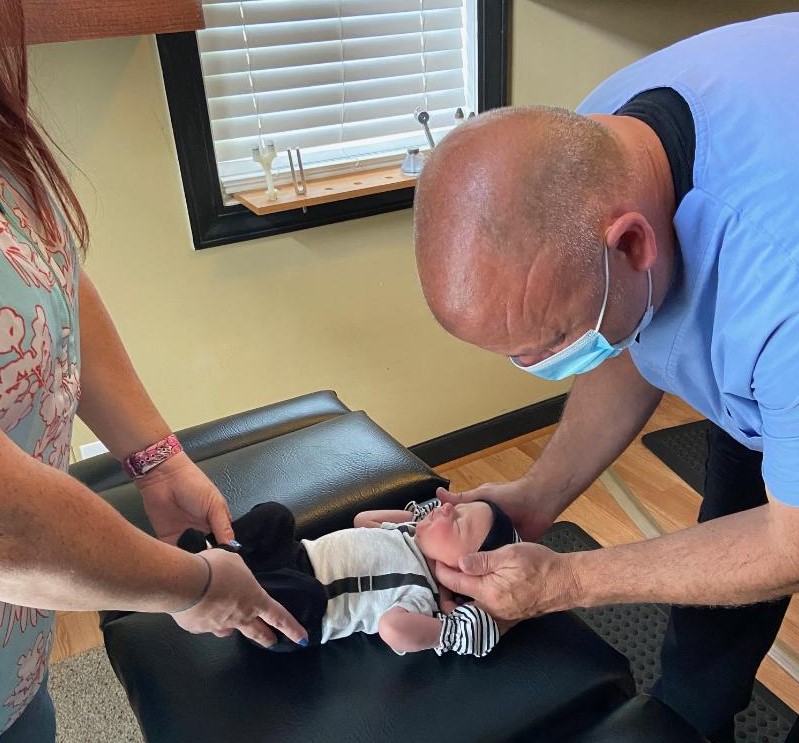
As a local chiropractor, I often hear patients wondering if routine adjustments can genuinely help with their ongoing pain. Many individuals have experienced significant relief through chiropractic care, but it's essential to understand the various factors that contribute to pain. Our lifestyle choices, daily habits, and how our bodies move all play a role in our overall comfort.
The right combination of chiropractic adjustments, along with supportive habits like proper posture, regular exercise, and stress management, can lead to a meaningful reduction in discomfort. It's important to look at pain management from a holistic perspective, which may include not just adjustments but also lifestyle changes that promote healing. As you consider how chiropractic care might fit into your wellness journey, I encourage you to explore the potential benefits it can offer for your overall health.
Understanding Ongoing Pain
Experiencing ongoing pain can be incredibly overwhelming and isolating, and I want you to know that you're not alone in this journey. Many of my patients come to me questioning the cause of their pain, wondering why it persists, and feeling frustrated by the lack of clear answers. That's where understanding ongoing pain becomes vital for effective management, and as a chiropractor, I'm here to help you navigate this process.
It's essential to recognize that pain isn't just a physical sensation; it often intertwines with emotional and psychological aspects of our lives. You might notice that your pain often flares up during stressful times or after a particularly challenging day. This connection shows how your mental state can greatly influence your physical experience.
Ongoing pain can stem from various sources—injuries, chronic conditions, or even unresolved emotional trauma. By identifying these sources, we can work together to address the root causes rather than just treating the symptoms.
We also need to consider how your daily habits might be affecting your pain. Simple things like your posture, sleep patterns, and even your diet can contribute significantly to how you feel. As we examine these factors, you may discover opportunities for adjustments that can help alleviate discomfort and promote healing.
Engaging in conversations about your pain with healthcare professionals, such as myself, is crucial. I can help you understand the mechanisms of pain and explore natural treatment options tailored specifically to your needs.
Remember, many people experience ongoing pain, and learning about it is a significant step toward finding relief and regaining control over your life. Understanding your pain empowers you to take action and seek the support you deserve.
Together, we can work toward a holistic approach that not only addresses your pain but also enhances your overall well-being. Let's embark on this journey to better health together!
The Role of Exercise
As a local chiropractor, I want to share the vital role that exercise plays in managing ongoing pain and enhancing your overall health. Many people often think of exercise solely as a means to lose weight or build muscle, but it goes far beyond that.
Regular physical activity can be a powerful tool for finding relief from pain and improving your quality of life. When you engage in exercise, your body releases endorphins—natural chemicals that act as pain relievers. These endorphins can help reduce feelings of discomfort and foster a sense of well-being.
Moreover, incorporating exercise into your routine can strengthen your muscles and improve your flexibility, which is crucial in preventing injuries that may worsen your pain.
Here are three key benefits of integrating exercise into your daily life:
- Enhanced Flexibility: Activities that focus on stretching and mobility can significantly enhance your joint function and range of motion, making everyday tasks easier and more manageable.
- Strengthened Muscles: By building muscle strength, you can provide better support for your joints, alleviating pressure on painful areas and ultimately leading to reduced discomfort.
- Improved Mood: Engaging in regular physical activity can help alleviate anxiety and depression, which often accompany chronic pain. This uplift in mood can contribute to a more positive outlook on life.
If you're unsure where to begin, consider starting with low-impact activities such as walking, swimming, or cycling. Focus on consistency rather than intensity; even short, regular sessions can yield significant benefits.
As you gradually increase your activity level, you may discover that your ongoing pain becomes more manageable, allowing you to fully enjoy life.
As your chiropractor, I'm here to support you on your journey toward healing and improved health. Remember, exercise is just one part of a holistic approach to wellness that we can work on together.
Nutrition and Pain Management
As your local chiropractor, I want to share how important nutrition can be in managing pain and supporting your overall healing journey. Many people may not realize that what you eat can significantly impact your experience with pain. By incorporating anti-inflammatory foods into your diet, staying well-hydrated, and maintaining a balanced intake of macronutrients, you can enhance your body's natural healing processes.
Let's delve into these nutritional strategies a bit further. Anti-inflammatory foods, such as fruits, vegetables, nuts, and fatty fish, can help reduce inflammation in your body, which is a common contributor to pain.
Additionally, proper hydration is crucial; it helps maintain joint lubrication and supports overall bodily functions.
Finally, balancing your macronutrient intake—ensuring you get the right amounts of carbohydrates, proteins, and fats—can provide your body with the energy it needs to recover.
Anti-Inflammatory Foods
As a local chiropractor, I want to share with you the importance of incorporating anti-inflammatory foods into your diet as a natural way to manage pain and promote healing.
Many people aren't aware of how much what we eat can impact our overall well-being, including inflammation levels in the body. You don't need to completely change your eating habits—simply adding a few specific foods can have a significant positive effect.
Here are some anti-inflammatory foods that I recommend including in your meals:
- Berries: Fruits like blueberries, strawberries, and raspberries are rich in antioxidants, which play a crucial role in fighting inflammation and supporting your body's natural healing processes.
- Fatty Fish: Varieties such as salmon, mackerel, and sardines are excellent sources of omega-3 fatty acids, which are well-known for their powerful anti-inflammatory effects. Including these in your diet can help reduce pain and stiffness.
- Leafy Greens: Greens like spinach, kale, and Swiss chard aren't only packed with essential vitamins and minerals, but they also help combat inflammation, promoting better health overall.
By embracing these foods, you can complement the benefits of chiropractic care and enhance your journey towards better health and pain management.
Hydration's Role
As a local chiropractor, I want to emphasize the vital role hydration plays in managing pain and supporting your overall health. When you stay well-hydrated, your body operates more efficiently, which can help alleviate discomfort you may be experiencing.
Water is crucial for transporting nutrients, lubricating your joints, and regulating your body temperature. All of these functions contribute to reducing pain levels.
If you're not consuming enough water, you may notice increased muscle tension and fatigue, both of which can intensify your pain. Dehydration can also cause your blood to thicken, which makes it more difficult for your body to circulate oxygen and nutrients effectively. This condition can trigger pain signals and lead to inflammation, making it essential to prioritize your hydration.
I encourage you to monitor your fluid intake throughout the day. Aiming for at least eight 8-ounce glasses of water daily is a good goal, but keep in mind that your specific needs may vary depending on your activity level and the climate you live in.
Additionally, incorporating hydrating foods such as fruits and vegetables into your diet can further support your hydration levels.
Don't underestimate the importance of hydration in your pain management journey. By ensuring you're drinking enough water and maintaining proper hydration, you can aid your body in its natural healing processes and reduce discomfort.
Your body will truly appreciate the effort!
Balanced Macronutrient Intake
As a local chiropractor, I want to emphasize how vital nutrition is in managing pain and supporting your overall healing process. One of the key components to consider is maintaining a balanced macronutrient intake. By focusing on the right proportions of carbohydrates, proteins, and fats, you can help reduce inflammation and promote tissue repair, which is essential for your recovery.
Here's why paying attention to these macronutrients is important:
- Carbohydrates: These are your body's primary source of energy, especially when you're recovering from pain or injury. I recommend choosing complex carbohydrates like whole grains and plenty of vegetables. These options provide steady energy without causing spikes in your blood sugar levels.
- Proteins: Protein is crucial for repairing damaged tissues and building muscle. It also plays a key role in supporting your immune system. Incorporate sources of lean proteins into your meals, such as chicken, fish, legumes, and nuts, to help your body heal effectively.
- Fats: Don't shy away from healthy fats! Foods like avocados, olive oil, and fatty fish are packed with nutrients that can help reduce inflammation and contribute to your overall health.
Strive for a well-rounded diet that includes all three macronutrients. It's not merely about eating enough food; it's about choosing the right kinds of foods that will fuel your recovery.
By prioritizing a balanced macronutrient intake, you're laying a nutritional foundation that can help alleviate ongoing pain and enhance your overall well-being.
Sleep's Impact on Pain
As a local chiropractor, I want to emphasize the vital role sleep plays in managing pain and enhancing your overall well-being. When you get quality rest, your body is better equipped to heal itself, making you more resilient to pain. On the flip side, insufficient sleep can intensify your discomfort, making daily activities feel more challenging.
If you often find yourself struggling to get a good night's sleep, you may notice that your pain levels increase. Research indicates that a lack of sleep can heighten your sensitivity to pain, causing even minor discomfort to feel much worse. This creates a troublesome cycle of pain and poor sleep that can affect your mood and overall health.
To improve your sleep quality, I encourage you to establish a consistent sleep routine. Try to go to bed and wake up at the same time each day to help regulate your body's internal clock. Incorporating a calming bedtime ritual, such as reading or meditating, can signal to your body that it's time to relax and prepare for rest.
Additionally, creating a sleep-friendly environment—keeping your room cool, dark, and quiet—can significantly enhance your ability to fall asleep and stay asleep. It's also crucial to limit screen time before bed. The blue light emitted by phones, tablets, and computers can disrupt melatonin production, making it more difficult to drift off.
Instead, consider engaging in calming activities that don't involve screens. By focusing on improving your sleep, you can help manage your pain more effectively and enhance your overall health. As your chiropractor, I'm here to support you on this journey to better sleep and pain relief through natural healing methods.
Stress Reduction Techniques
As your local chiropractor, I want to emphasize how important it's to manage stress, especially when you're experiencing pain.
Implementing techniques such as mindfulness, meditation, and breathing exercises can significantly enhance your overall well-being. These practices can help you achieve a state of balance and alleviate tension in both your body and mind.
Additionally, incorporating regular physical activity into your daily routine not only uplifts your mood but also plays a crucial role in relieving pain.
Movement is vital for your body's healing process, and as we work together on your chiropractic care, I encourage you to explore these natural healing methods to support your journey toward wellness.
Mindfulness and Meditation
As a local chiropractor, I want to share with you the incredible benefits of mindfulness and meditation as complementary practices in your journey toward pain relief. These techniques can help you cultivate a sense of calm amidst the challenges you face, allowing you to navigate through discomfort more effectively.
By honing in on the present moment, you can significantly reduce stress and anxiety, which are often key contributors to chronic pain.
Incorporating mindfulness and meditation into your daily routine can bring about several notable benefits:
- Stress Reduction: Engaging in these practices regularly can lower cortisol levels in your body, resulting in decreased tension and discomfort. This is especially beneficial when paired with chiropractic adjustments that aim to restore balance and alignment.
- Enhanced Emotional Resilience: Mindfulness teaches you to manage your emotional responses to pain. This newfound awareness can make it easier to cope with discomfort and improve your overall quality of life.
- Improved Focus: By practicing mindfulness, you sharpen your attention and become more attuned to your body's signals and needs. This awareness can enhance the results of your chiropractic care as you learn to recognize when something feels off.
To begin your journey with mindfulness and meditation, find a quiet space in your home or office, dedicate a few minutes each day to focus on your breath, and allow yourself to be present in the moment.
As you engage in these practices, you may notice a shift in how you perceive and respond to pain, leading to a more peaceful and fulfilling existence.
Together with chiropractic care, mindfulness and meditation can be powerful allies in your path toward natural healing and wellness. Embrace this journey, and discover the relief and empowerment it can bring to your life.
Breathing Exercises Benefits
As a local chiropractor, I'd like to share how breathing exercises can serve as an invaluable tool for reducing stress and enhancing your overall well-being. When you focus on your breath, you activate your body's natural relaxation response. This not only helps to lower your heart rate but also reduces tension throughout your body.
Incorporating this simple practice into your daily routine can significantly improve how you cope with the stresses of everyday life. You don't need a lot of time or space to practice these exercises. In fact, dedicating just a few minutes each day can lead to noticeable benefits.
Begin by finding a comfortable position, inhaling deeply through your nose, and exhaling slowly through your mouth. This rhythmic breathing not only helps clear your mind but also centers your thoughts, which is essential for maintaining a healthy spine and nervous system.
As you integrate breathing exercises into your routine, you'll likely find that your ability to handle stress improves. An increased awareness of your breathing can lead to calmer reactions during stressful situations.
Moreover, you may experience a boost in your mood and an overall sense of peace—both of which are crucial for maintaining a healthy lifestyle. Remember, chiropractic care and natural healing go hand in hand, and incorporating breathing techniques can enhance the benefits you receive from your chiropractic treatments.
Physical Activity Impact
As a local chiropractor, I want to share how regular physical activity can significantly enhance your mental health and overall well-being. Many of my patients are often surprised to learn that consistent movement not only helps alleviate physical discomfort but also plays a crucial role in reducing stress.
When you engage in exercise, your body releases endorphins—nature's own painkillers—which can shift your perspective and help you manage any ongoing discomfort you may be experiencing.
Here are some key ways physical activity can assist you in stress reduction:
- Elevates Mood: Exercise boosts the production of serotonin, a neurotransmitter that helps lift your spirits and counter anxiety. This is particularly beneficial for those dealing with chronic pain, as a better mood can lead to improved coping mechanisms.
- Enhances Sleep Quality: Regular physical activity can help regulate your sleep patterns, allowing you to fall asleep faster and stay asleep longer. Quality sleep is essential for effective pain management and overall recovery.
- Builds Mental Resilience: The physical challenges you encounter during exercise can strengthen your mental toughness, equipping you to handle stressors in daily life more effectively.
Don't worry if you're new to this—incorporating physical activity into your routine doesn't have to be daunting.
Whether you prefer a brisk walk, yoga, or even dancing, the key is to find an activity that you enjoy. By prioritizing physical activity, you're not just investing in your physical health; you're also nurturing your mental well-being, which is an essential part of the holistic healing approach we embrace in chiropractic care.
Let's work together towards a healthier, more balanced life!
Hydration and Its Benefits
As your local chiropractor, I want to emphasize the critical role hydration plays in your overall health and its significant impact on pain relief. When your body is dehydrated, it can lead to muscle cramps, fatigue, and heightened sensitivity to pain. Water is vital for numerous bodily functions, including regulating your temperature, lubricating your joints, and transporting nutrients throughout your system. If you're not consuming enough fluids, you might experience increased discomfort.
One of the key benefits of proper hydration is its ability to help flush out toxins that can contribute to inflammation. By drinking plenty of water, you support your kidneys in more effectively filtering waste, which can help reduce your body's inflammatory response and, in turn, lessen pain over time.
Additionally, staying hydrated keeps your joints lubricated, which not only helps reduce stiffness but also improves your overall mobility—an important factor in managing pain.
You might find that adequate hydration also boosts your energy levels. When you're well-hydrated, your body operates more efficiently, allowing you to engage in physical activities that can alleviate pain, such as walking or stretching. It creates a positive feedback loop: the more you hydrate, the better you feel, and the more active you can become.
To take advantage of these hydration benefits, I recommend aiming for at least eight 8-ounce glasses of water daily, adjusting based on your activity level and the climate you live in. Additionally, consider adding hydrating foods like fruits and vegetables to your diet.
Mindfulness and Pain Relief
As a local chiropractor, I want to share with you that while staying hydrated is important for your overall well-being, there are other natural approaches that can significantly enhance your comfort and alleviate pain. One of these approaches is mindfulness, which can be a powerful tool in managing discomfort.
By concentrating on the present moment, you can effectively reduce the stress and anxiety that often amplify pain levels. Incorporating mindfulness practices into your routine can shift your perception of pain, making it easier to handle.
Here are some mindfulness strategies that I recommend you try:
- Breath Awareness: Paying attention to your breath can help anchor you in the present. Taking deep, slow breaths can activate your body's natural relaxation response, which can help decrease tension and pain.
- Body Scan: This technique involves mentally checking in with your body to identify areas of tension. By recognizing these sensations without judgment, you can let go of accumulated stress and encourage relaxation throughout your body.
- Mindful Movement: Activities like yoga or tai chi blend movement with mindfulness. These practices not only enhance flexibility and strength but also foster a greater awareness of your bodily sensations, including any pain you may experience.
By integrating mindfulness into your daily life, you can reshape how you relate to pain. Rather than letting discomfort control your life, you can learn to observe it without allowing it to dictate your emotions.
Regularly practicing mindfulness can lead to lasting changes in your pain experience, ultimately improving your quality of life. So, I encourage you to explore mindfulness—sometimes, a little awareness can go a long way in easing your discomfort.
Conclusion
As a local chiropractor, I want to emphasize how incorporating routine adjustments into your healthcare routine can significantly help in managing ongoing pain. Many patients may not realize the vital role that factors like exercise, nutrition, sleep, stress management, hydration, and mindfulness play in their overall health. By making conscious choices in these areas, you can take proactive steps toward alleviating discomfort.
Chiropractic care, combined with these lifestyle adjustments, not only improves your physical well-being but also enhances your overall quality of life. By regularly visiting a chiropractor for adjustments, you can align your spine and nervous system, which allows your body to function more effectively. I encourage you to embrace this holistic approach. Many of my patients have experienced a remarkable reduction in their pain levels and an improvement in their ability to engage in daily activities. Let's work together on this journey toward better health and wellness!