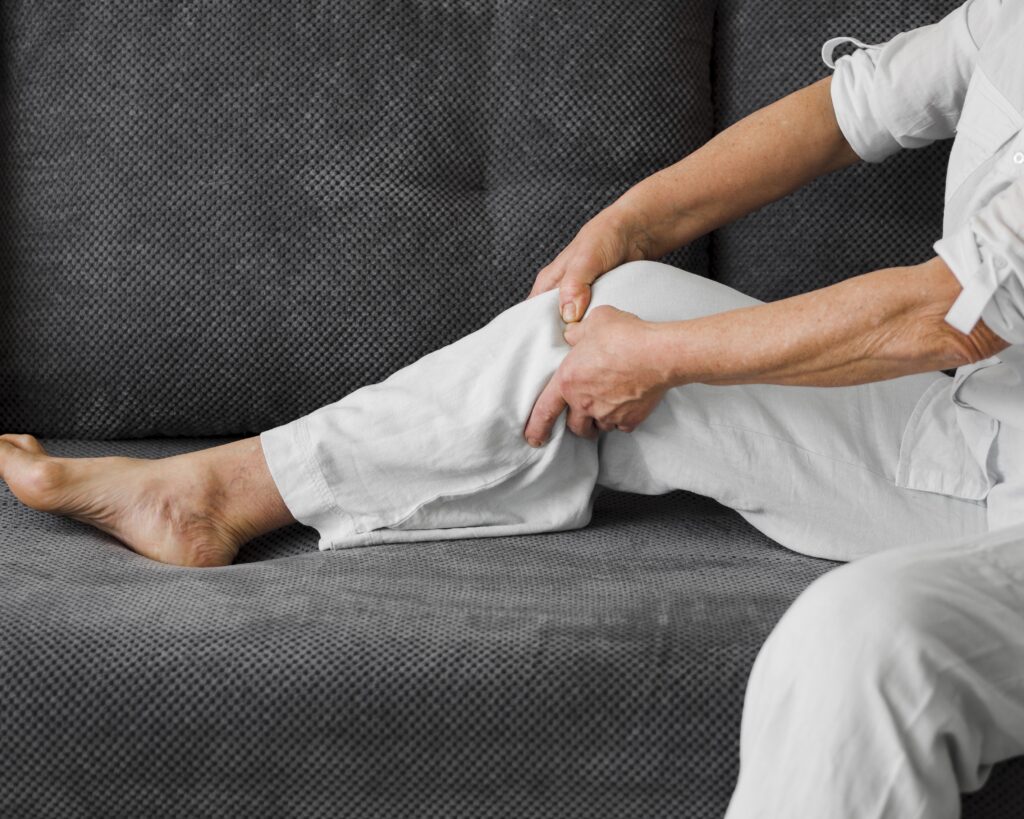
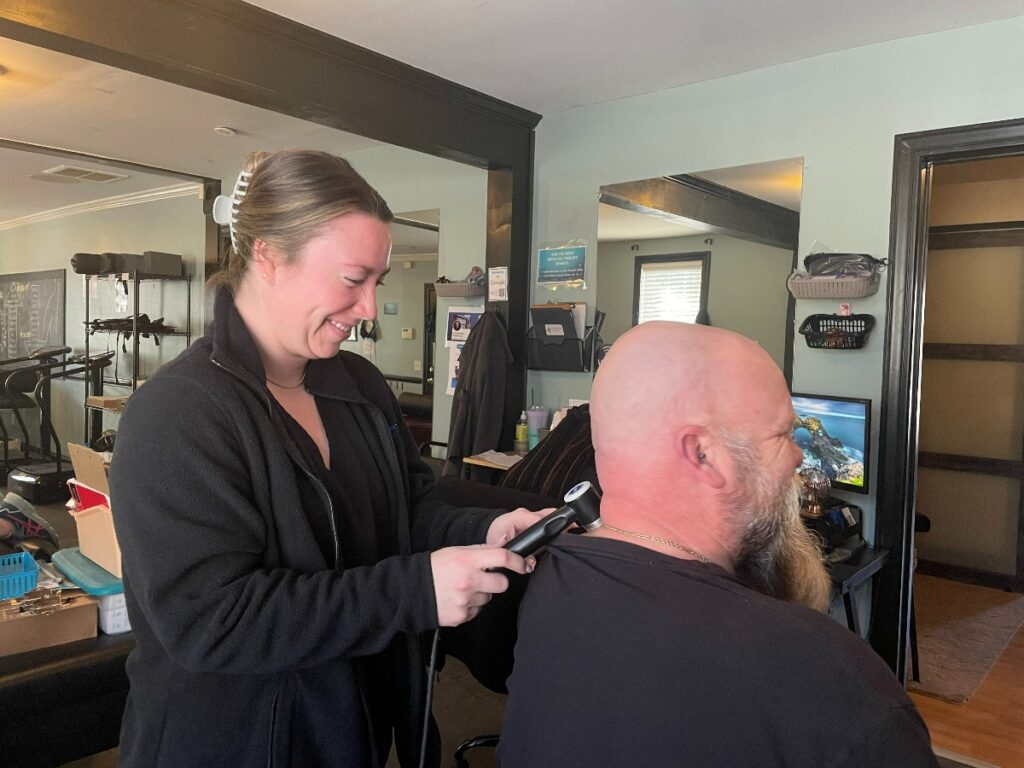
If you're dealing with back pain, you might be wondering about effective non-invasive solutions that can provide relief without resorting to surgery or heavy medications. You're not alone in seeking alternatives like physical therapy, chiropractic adjustments, and mindfulness practices. Each method has its own merits and can be tailored to fit your unique needs. However, the right combination might surprise you, especially when you consider integrating lifestyle changes that support long-term wellness. What if the answer lies in a holistic approach that addresses not just your pain, but your overall quality of life?
Physical Therapy Techniques
Physical therapy techniques can be a game-changer for those struggling with back pain. When you engage with a skilled physical therapist, they'll evaluate your specific condition and tailor a program that addresses your unique needs.
These techniques often involve a combination of exercises, manual therapy, and education to help you regain strength, flexibility, and mobility.
One effective technique is therapeutic exercise, which includes stretching and strengthening exercises designed to improve your core and back muscles. By focusing on these areas, you can alleviate pain and prevent future issues. Your therapist might also introduce low-impact aerobic activities, like walking or swimming, to boost overall fitness without straining your back.
Manual therapy is another essential component. This hands-on approach can involve manipulation or mobilization of your spine and surrounding tissues, promoting blood flow and reducing muscle tension. Your therapist will guide you through these techniques, ensuring you're comfortable and making progress.
Education plays a vital role in your recovery. Your therapist will teach you about proper body mechanics, posture, and ergonomics to avoid exacerbating your pain during daily activities. Learning how to lift correctly or maintain good posture while sitting can have a profound impact on your back health.
Incorporating these physical therapy techniques into your routine can empower you to take control of your back pain. With consistency, patience, and guidance, you'll likely find significant relief and a path toward a more active, pain-free life.
Chiropractic Adjustments
Chiropractic adjustments can offer significant relief for your back pain by realigning your spine and improving mobility.
You'll experience various techniques, tailored to your needs, that help restore balance and function to your body.
Understanding these benefits and methods can empower you to take control of your back health.
Benefits of Chiropractic Adjustments
When you experience back pain, seeking relief through chiropractic adjustments can greatly improve your quality of life. These adjustments target misalignments in your spine, helping restore proper function and mobility. As a result, you might notice a significant reduction in pain and discomfort after just a few sessions.
One of the primary benefits of chiropractic adjustments is their ability to enhance your overall well-being. By reducing tension in your muscles and improving spinal alignment, you'll likely experience better posture and increased flexibility. This can lead to improved performance in daily activities and sports.
Additionally, chiropractic care promotes better circulation, which can speed up healing and reduce inflammation in your back. You'll also find that regular adjustments can help prevent future injuries by keeping your spine in prime condition.
Another benefit is the holistic approach chiropractic care offers. Unlike medication that often masks symptoms, chiropractic adjustments address the root cause of your pain. This means you're not just treating the symptoms, but working toward a long-term solution for your back pain.
Ultimately, incorporating chiropractic adjustments into your routine can lead to a healthier, more active lifestyle.
Techniques Used in Adjustments
Numerous techniques are utilized in chiropractic adjustments to effectively realign the spine and alleviate back pain. One common method is the Diversified technique, which involves high-velocity, low-amplitude thrusts to restore proper alignment. This technique aims to improve mobility and reduce discomfort.
Another popular approach is the Gonstead technique, focusing on specific vertebrae. By using detailed analysis and palpation, chiropractors can target areas of dysfunction to promote healing.
The Activator method employs a handheld instrument to deliver gentle impulses, making it a great option for those who prefer a less forceful adjustment.
You might also encounter the Thompson technique, which uses a specialized table that drops slightly to enhance the effectiveness of the adjustment. This technique can create a smoother and more comfortable experience.
For those with muscle tension, the SOT (Sacral-Occipital Technique) can be beneficial. It emphasizes the relationship between the sacrum and the head to restore balance.
Each of these techniques is tailored to your individual needs, ensuring a personalized approach to your back pain relief. Your chiropractor will determine the best method based on your specific condition and preferences.
Acupuncture Benefits
Acupuncture offers a unique approach to easing your back pain by targeting specific points to reduce discomfort.
Not only can it help alleviate pain, but it also promotes stress relief and enhances your overall mobility.
If you're looking for a holistic solution to your back issues, acupuncture might just be the answer you need.
Pain Reduction Mechanism
Exploring the pain reduction mechanism of acupuncture reveals its remarkable ability to alleviate discomfort through targeted stimulation. When you undergo acupuncture, thin needles are strategically inserted into specific points on your body. This process stimulates your nervous system, triggering the release of endorphins—your body's natural painkillers. As a result, you may experience a significant reduction in pain levels.
Moreover, acupuncture promotes improved blood flow to the affected areas. Enhanced circulation can help deliver essential nutrients and oxygen while removing waste products, accelerating healing. You'll find that the combination of endorphin release and increased blood flow contributes to a more relaxed muscle state, further easing your back pain.
Acupuncture also influences your body's inflammatory response. It helps regulate inflammatory mediators, which can lead to reduced swelling and discomfort. This multifaceted approach guarantees that you're not just masking the pain but addressing its underlying causes.
Incorporating acupuncture into your pain management routine can offer you a holistic solution. You won't just find relief; you'll also be empowering your body to heal itself, creating a lasting impact on your well-being.
Stress Relief Benefits
Finding stress relief through acupuncture can be a transformative experience. This ancient practice not only targets your physical pain but also helps alleviate the mental and emotional stress that often accompanies it.
When you lie down for a session, you'll likely feel an immediate sense of calm as the acupuncture needles stimulate specific points on your body. These points release endorphins, your body's natural feel-good hormones, which can lift your mood and calm your mind.
As you continue with regular sessions, you'll notice a significant decrease in your stress levels. Acupuncture can help balance your body's energy, promoting a sense of harmony and relaxation.
You may find that your ability to cope with daily stressors improves, leading to a more positive outlook on life. Additionally, acupuncture encourages better sleep patterns, which are vital for managing stress effectively.
With improved sleep, you'll wake up feeling refreshed and ready to tackle the day ahead. Overall, incorporating acupuncture into your wellness routine not only addresses back pain but also provides essential stress relief, helping you achieve a more balanced and fulfilling life.
Improved Mobility Outcomes
When you experience back pain, improved mobility can feel like a distant dream. However, acupuncture offers a promising path toward regaining that mobility. By targeting specific points along your body's meridians, acupuncture helps release tension and promote healing. This process can notably reduce inflammation and enhance blood circulation in the affected area, allowing you to move more freely.
You might notice that after a few sessions, everyday activities like bending, lifting, or even sitting become less painful. Improved mobility not only makes life more enjoyable but also encourages you to engage in physical activities that strengthen your back, further preventing future pain.
Additionally, acupuncture can help improve your overall body awareness. As you become more in tune with your physical state, you'll likely adopt better posture and movement habits, reducing strain on your back.
With consistent treatment, many find that they regain their range of motion and flexibility more quickly than with traditional therapies. If you're ready to embrace a more mobile, pain-free lifestyle, consider incorporating acupuncture into your back pain relief strategy. You just might be surprised at how much easier movement can become.
Massage Therapy Options
Relieving back pain through massage therapy can be a game changer for many individuals. It not only eases tension but also promotes relaxation, improves circulation, and enhances overall well-being.
If you're considering massage therapy as a solution for your back pain, there are several options you might explore.
Here are some popular massage therapy techniques that can provide relief:
- Swedish Massage: This technique uses long, flowing strokes and gentle kneading to relax the entire body and improve blood flow.
- Deep Tissue Massage: Focusing on deeper layers of muscle and connective tissue, this method can help alleviate chronic pain and tension in the back.
- Trigger Point Therapy: This technique targets specific points of tightness in the muscle, releasing knots that can cause discomfort and pain.
- Myofascial Release: This approach focuses on releasing tension in the fascia, the connective tissue surrounding muscles, which can often be a source of back pain.
Before starting therapy, it's a good idea to consult a professional therapist who can assess your specific needs. They can tailor the session to your condition, ensuring you get the most benefit.
Remember, consistency is key. Regular sessions may provide long-term relief and help you maintain a more active, pain-free lifestyle.
Don't hesitate to give massage therapy a try; it could be the solution you've been looking for!
Yoga and Stretching
Incorporating yoga and stretching into your routine can greatly improve back pain relief and overall flexibility. Both practices focus on gentle movements that strengthen the muscles supporting your spine while promoting relaxation. By engaging in yoga and stretching, you can alleviate tension, improve blood circulation, and enhance your body's range of motion.
Start with basic poses like Cat-Cow, Child's Pose, and Downward Dog. These positions help stretch and strengthen the back muscles, easing discomfort. As you progress, you might explore poses like Bridge or Sphinx, which target specific muscle groups. Remember to listen to your body and only go as far as feels comfortable. Consistency is key; aim for at least a few sessions each week.
In addition to traditional yoga poses, incorporating dynamic stretching can be beneficial. Simple movements like torso twists or side bends can help loosen tight areas in your back. Pair these stretches with deep, controlled breathing to maximize your relaxation and focus.
You don't need to attend a class or follow a video; just a few minutes each day can lead to significant improvements. Consider setting aside a specific time for your practice, whether it's in the morning to energize your day or in the evening to unwind.
With dedication, you'll likely notice reduced pain, increased flexibility, and an overall sense of well-being. So grab your mat, and start integrating yoga and stretching into your daily life for effective back pain relief.
Heat and Cold Therapy
To effectively manage back pain, you can turn to heat and cold therapy as powerful remedies. Both methods have unique benefits and can be easily incorporated into your daily routine. Understanding when and how to use each is essential for achieving the best results.
Heat therapy is beneficial for relaxing and loosening tissues, improving blood flow, and alleviating stiffness. You might find it helpful to use heat after an activity that aggravates your back pain.
Here are some effective heat therapy options:
- Heating pads or wraps
- Hot water bottles
- Warm baths or showers
- Moist heat packs
On the other hand, cold therapy is excellent for reducing inflammation and numbing sharp pain. If you're experiencing swelling or pain after an injury, cold therapy can be your go-to solution.
Here's how you can apply cold therapy:
- Ice packs wrapped in a cloth
- Frozen gel packs
- Cold compresses
- A bag of frozen vegetables
Typically, you'll want to apply heat for about 15-20 minutes, while cold therapy should also be used for similar durations.
Remember to take breaks between applications to prevent skin irritation.
Lifestyle Modifications
Often, small lifestyle modifications can make a significant difference in managing back pain. One of the simplest changes you can make is to improve your posture. When sitting or standing, keep your shoulders back and your spine aligned. Consider using ergonomic furniture that supports your lower back, especially if you spend long hours at a desk.
Regular physical activity is another important factor. Engaging in low-impact exercises like walking, swimming, or yoga can enhance flexibility and strengthen your core muscles, which support your spine. Aim for at least 30 minutes of exercise most days of the week. If you're unsure where to start, consult a fitness professional for tailored advice.
You should also pay attention to your sleeping habits. Use a mattress that provides adequate support and consider sleeping on your side with a pillow between your knees to maintain spinal alignment. Avoid sleeping on your stomach, as it can strain your back.
Maintaining a healthy weight is essential, too. Excess weight can put added pressure on your back, so adopting a balanced diet rich in fruits, vegetables, lean proteins, and whole grains can help you achieve and maintain a healthy weight.
Finally, be mindful of how you lift objects. Always bend at your knees and keep the object close to your body to minimize strain on your back.
Mindfulness and Relaxation
Managing back pain goes beyond physical adjustments; mindfulness and relaxation techniques can play a significant role in your overall well-being. By practicing these approaches, you can reduce stress, improve your mental health, and ultimately alleviate some of your pain.
When you focus on your body and mind, you empower yourself to take control of your pain management.
Here are some effective mindfulness and relaxation techniques to try:
- Deep Breathing: Take slow, deep breaths to calm your mind and reduce tension in your body. This simple practice can help you reconnect with your body and alleviate pain.
- Progressive Muscle Relaxation: Gradually tense and then relax each muscle group, starting from your toes and working up to your head. This technique helps release built-up tension and promotes relaxation.
- Mindful Meditation: Dedicate a few minutes each day to sit quietly, focusing on your breath or a simple mantra. This practice can help increase your awareness and acceptance of your pain.
- Guided Imagery: Visualize a peaceful scene or a place where you feel safe and relaxed. This technique can help distract you from pain and foster a sense of calm.
Incorporating these mindfulness and relaxation techniques into your daily routine can enhance your ability to cope with back pain.
Conclusion
Incorporating these effective non-invasive solutions can greatly improve your back pain relief journey. By combining physical therapy, chiropractic care, acupuncture, and gentle yoga, you can enhance your mobility and reduce discomfort. Don't forget to embrace lifestyle modifications and mindfulness practices to support your overall well-being. Remember, taking proactive steps today can lead to a healthier, pain-free tomorrow. So, start exploring these options and find what works best for you!