If you're struggling with back pain, you might be interested in exploring effective, non-invasive solutions that can help you reclaim your comfort. Physical therapy, chiropractic care, and mindfulness techniques each offer unique benefits that not only address pain but also promote overall well-being. By understanding how these methods work, you can take proactive steps toward recovery. But which option aligns best with your lifestyle and needs? Let's explore these approaches further to uncover the most suitable path for relief.
Physical Therapy
Physical therapy is one of the most effective non-invasive solutions for back pain, helping millions regain mobility and reduce discomfort. When you seek physical therapy, a trained therapist evaluates your specific condition and develops a customized treatment plan tailored to your needs. This personalized approach guarantees that you're not just addressing the symptoms but also the underlying issues contributing to your pain.
During your sessions, you'll engage in various exercises designed to strengthen your back and core muscles, improve flexibility, and enhance overall functionality. These exercises not only alleviate pain but also boost your confidence in performing daily activities. Your therapist will guide you through proper techniques, making sure you understand how to execute movements safely and effectively.
You'll also learn valuable strategies for managing your pain at home. This may include stretches, posture correction, and ergonomic adjustments to your workspace. By incorporating these practices into your daily routine, you can greatly reduce the risk of future injuries.
In addition to exercises, your therapist might utilize modalities like heat, ice, or electrical stimulation to relieve pain and promote healing. The combination of these techniques fosters a holistic approach to recovery, empowering you to take control of your back health.
Chiropractic Care
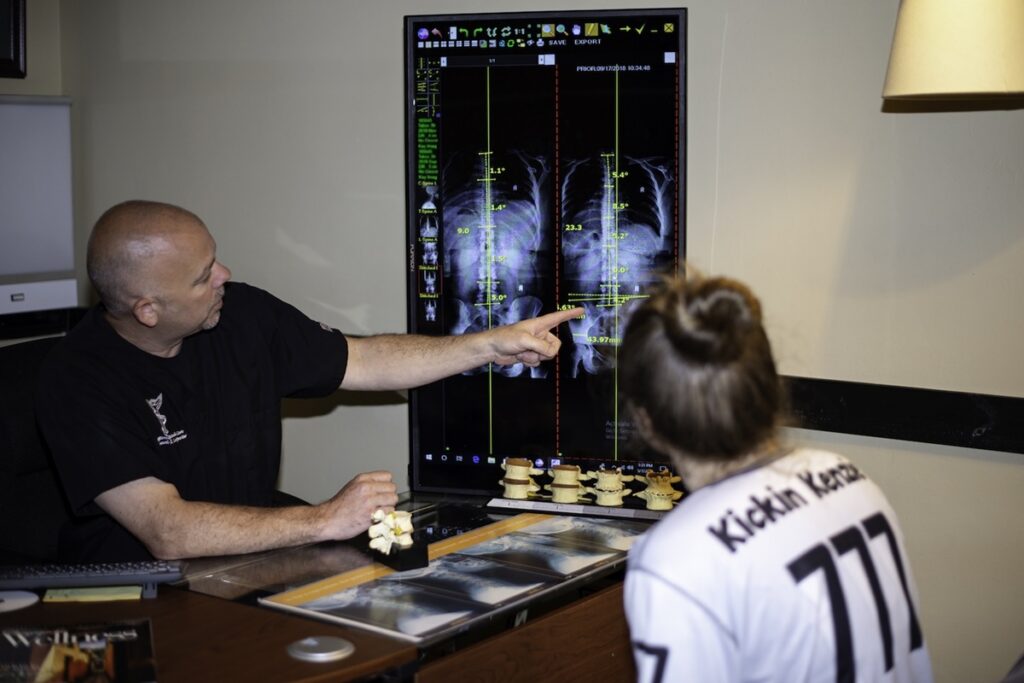
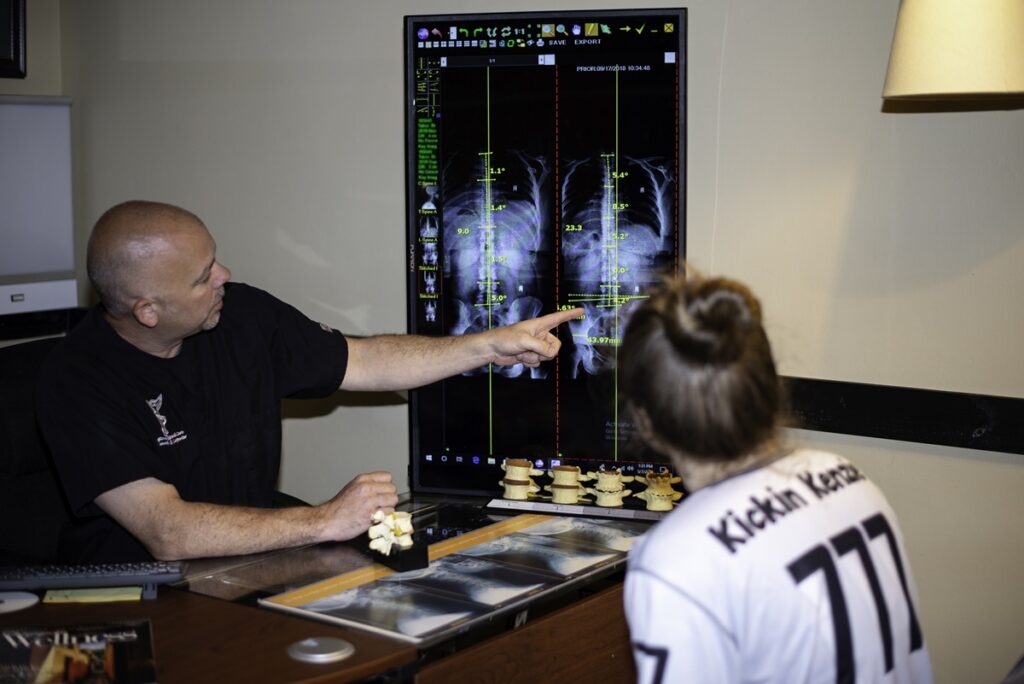
Chiropractic care offers a hands-on approach to alleviating back pain, focusing on spinal alignment and overall musculoskeletal health. When you visit a chiropractor, they'll assess your posture, spinal alignment, and range of motion. This thorough evaluation helps them identify the root causes of your discomfort.
Once they pinpoint the issue, they'll use various techniques, such as spinal manipulation or adjustments, to restore proper alignment and function to your spine.
One of the key benefits of chiropractic care is its ability to relieve pain without the use of medication. You might find that regular adjustments not only alleviate back pain but also improve your overall well-being. Many patients report enhanced mobility and reduced tension after their sessions.
Additionally, chiropractors often provide personalized exercise and stretching recommendations to help you maintain your progress and prevent future injuries.
You'll appreciate that chiropractic care can be tailored to meet your unique needs. Whether you're dealing with chronic pain or a recent injury, your chiropractor will develop a treatment plan specifically for you. This collaborative approach empowers you to take control of your health and promotes long-term recovery.
Moreover, chiropractic care is generally considered safe and non-invasive. Most people can benefit from these treatments, regardless of age or fitness level.
If you're searching for an effective way to manage your back pain, consider incorporating chiropractic care into your wellness routine. It could be the key to revealing a pain-free life.
Mindfulness and Relaxation Techniques
Practicing mindfulness and relaxation techniques can considerably reduce back pain by helping you manage stress and tension in your body. When you experience stress, your muscles can tighten, leading to discomfort and pain in your back. By incorporating mindfulness into your daily routine, you can cultivate a greater awareness of your body and its sensations, allowing you to recognize when tension builds up.
Start with simple breathing exercises. Find a quiet space, sit comfortably, and focus on your breath. Inhale deeply through your nose, letting your abdomen expand, then exhale slowly through your mouth. This practice not only calms your mind but also sends soothing signals to your muscles, promoting relaxation.
You might also consider guided imagery. Visualize a peaceful scene, such as a serene beach or a lush forest. Imagine the sights, sounds, and scents, allowing yourself to fully immerse in this calming environment. This technique can help distract you from pain and reduce anxiety.
Yoga and gentle stretching are excellent ways to combine mindfulness with movement. As you stretch, pay close attention to how your body feels, and breathe deeply. This will help you release muscle tension and improve flexibility, which can alleviate back pain.
Lastly, don't underestimate the power of regular meditation. Setting aside just a few minutes each day to meditate can train your mind to focus, reduce stress, and ultimately, lessen your perception of pain.
Conclusion
Incorporating physical therapy, chiropractic care, and mindfulness techniques into your routine can greatly alleviate back pain. By actively engaging in customized exercises, seeking spinal alignment, and practicing stress-reducing methods, you can take charge of your health and well-being. These non-invasive solutions empower you to find relief without the risks of surgery or medication. Embrace these approaches and start your journey toward a pain-free life today!