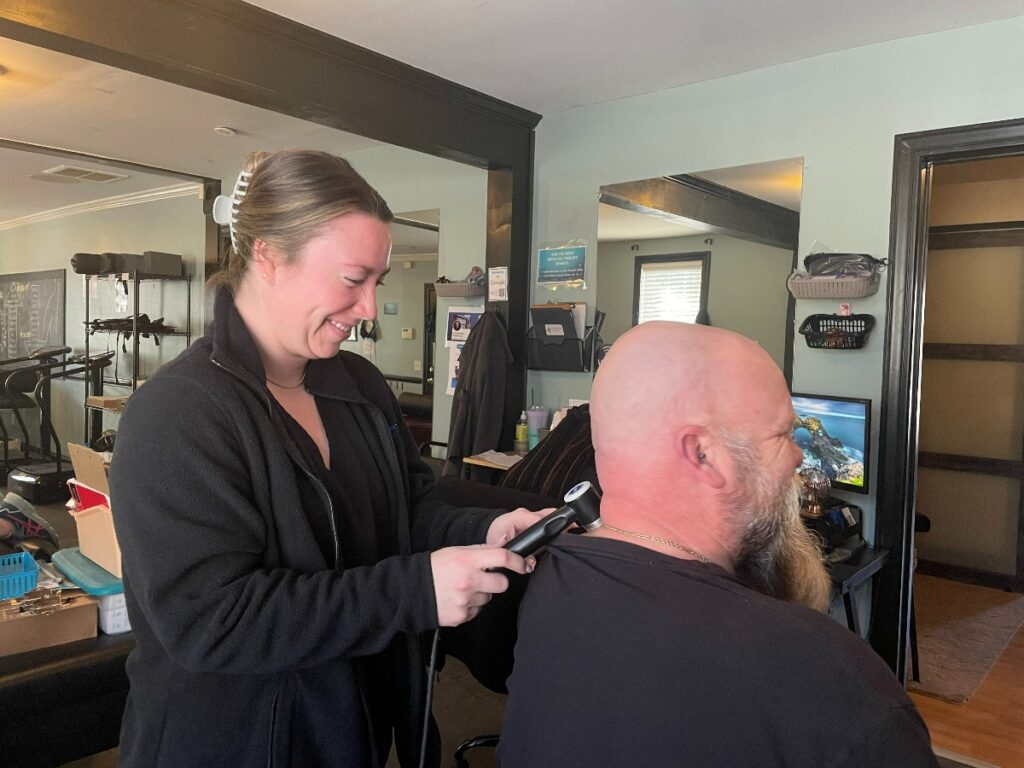
As a local chiropractor, I understand how lower back pain can significantly affect your daily activities and overall quality of life. Many people are unaware that there are effective, natural treatments available that can help ease this discomfort. Among these treatments, chiropractic care stands out as a holistic approach that addresses the root causes of pain rather than just masking the symptoms.
Chiropractic care involves gentle adjustments to realign the spine, which can relieve pressure on nerves and improve mobility. In addition to spinal adjustments, I also recommend complementary therapies such as heat application, physical therapy, and specific exercises tailored to your needs. Each of these options offers unique benefits that can contribute to your healing process.
With so many potential treatments out there, it's essential to understand how each method works and how they can be integrated into your care plan. My goal is to educate you about these options, helping you discover which treatments may be most effective for your specific situation. Together, we can explore the best pathways to achieve the relief and wellness you deserve.
Heat Therapy
As a local chiropractor, I want to share with you a simple yet highly effective method for relieving lower back pain: heat therapy. When you apply heat to the affected area, it can significantly enhance blood flow, relax tense muscles, and alleviate stiffness. The warmth penetrates deep into your tissues, promoting healing and providing immediate comfort. You don't need any special equipment—just a heating pad, a hot water bottle, or a warm towel will suffice.
To begin, find a comfortable place to relax. It's crucial to ensure that your heat source isn't too hot to prevent burns. For optimal results, apply heat for about 15 to 20 minutes at a time. This can be repeated several times throughout the day, particularly after activities that might aggravate your back pain.
I often recommend using heat before stretching or exercising, as it helps to loosen tight muscles, making movement easier and more comfortable.
If you find yourself dealing with chronic lower back pain, consider incorporating heat therapy into your daily routine. It can also be beneficial to combine heat therapy with other natural treatments, such as gentle stretching or over-the-counter pain relievers, to boost its effectiveness.
It's important to listen to your body; if the heat doesn't provide relief or if your pain worsens, please don't hesitate to consult with a healthcare professional. My goal is to help you find the best natural healing options to support your well-being.
Cold Therapy
As a local chiropractor, I want to share with you the benefits of cold therapy for managing lower back pain. This method can be quite effective in providing relief, especially if you're dealing with inflammation or discomfort. When you apply cold to your lower back, it helps to numb the area and reduce swelling, which is particularly important after a recent injury or flare-up.
To get started, you can use a cold pack or even a bag of frozen vegetables wrapped in a towel. It's crucial to avoid direct contact with your skin to prevent frostbite. Apply the cold pack to the painful area for about 15 to 20 minutes at a time. If necessary, you can repeat this process every hour, especially within the first 48 hours following an injury.
Just be mindful not to extend the application time too long, as prolonged exposure can lead to skin damage. Cold therapy isn't just for acute injuries; it can also be beneficial for chronic pain. If you notice that certain activities lead to discomfort, using cold therapy afterward can help ease any soreness that may arise.
Always pay attention to how your body responds; if the cold increases your pain or discomfort, it's best to discontinue use. Incorporating cold therapy into your routine, particularly during times of increased activity, can be a quick and effective method for managing pain and enhancing your overall comfort.
As you explore various natural healing methods, consider adding cold therapy to your toolkit for pain management. It's a simple yet powerful approach that can complement your chiropractic care and contribute to your overall well-being.
Physical Therapy
Chiropractic care can be a transformative approach for managing lower back pain and restoring your mobility naturally. When you visit a qualified chiropractor, you'll receive a personalized treatment plan that addresses your specific needs. This plan often includes adjustments aimed at realigning your spine, enhancing your overall posture, and improving your body's function—all critical components for alleviating lower back pain.
During your visits, I'll guide you through various techniques designed to help you regain strength and stability. You may experience a combination of spinal adjustments and soft tissue therapies to relieve pain and prevent future injuries. I'll also educate you on proper body mechanics, ensuring you move in ways that reduce strain on your back.
In addition to manual adjustments, chiropractic care often incorporates other natural modalities such as heat therapy, cold therapy, or electrical stimulation to alleviate discomfort and support healing. These methods can provide immediate relief as we work together on long-term solutions for your pain.
I believe it's important for you to understand your condition and what to expect throughout your recovery process. Knowledge empowers you to take an active role in your healing journey, making informed decisions about your health.
As you progress with your treatments, you'll likely notice improvements in your range of motion and overall functionality, allowing you to return to the activities you enjoy.
Chiropractic Care
As a local chiropractor, I want to share how chiropractic care can be an effective and holistic approach to managing lower back pain, especially alongside the benefits you may have experienced with physical therapy. My goal is to help you understand how we diagnose and correct spinal misalignments that often contribute to pain and discomfort.
By restoring proper alignment, we can facilitate your body's natural healing process and improve your overall function.
When you come in for a chiropractic session, I'll conduct a comprehensive assessment to evaluate your spine and posture. Based on my findings, I'll develop a personalized treatment plan tailored specifically to your needs.
One of the primary techniques I use is spinal manipulation, where I apply controlled force to the joints in your back. This technique not only alleviates pain but also helps reduce inflammation and enhances your mobility.
In addition to spinal manipulation, I often incorporate other therapies into your chiropractic care. These may include rehabilitative exercises and lifestyle advice that can help strengthen your core, improve flexibility, and prevent future injuries.
I also take the time to educate you on proper body mechanics and ergonomics, empowering you to make healthier choices in your daily activities.
Many of my patients report not only relief from their lower back pain but also an improvement in their overall well-being after receiving chiropractic care.
I encourage open communication about your pain levels and any concerns you may have during our sessions. This collaborative approach ensures that your treatment is effective and focused on your recovery journey.
If you haven't yet considered chiropractic care, I invite you to explore it as a complementary option in your pain management strategy. Together, we can work towards a healthier, pain-free life.
Massage Therapy
As a local chiropractor, I want to share insights about the role of massage therapy in alleviating lower back pain.
There are numerous techniques and methods that can be tailored to your individual needs, and incorporating massage into your care plan can significantly enhance your healing process and overall health.
It's important to find a skilled therapist who understands how to address your specific pain points effectively.
Techniques and Approaches
As a local chiropractor, I want to share with you some effective natural healing techniques that can help alleviate lower back pain. Many people turn to massage therapy for relief, and it's a great option to consider. Various massage techniques can target your specific pain points and enhance your overall well-being.
One popular method is Swedish massage, which uses long strokes and kneading to help relax tight muscles and improve circulation. If you're seeking deeper relief, deep tissue massage may be more suitable for you. This technique focuses on the deeper layers of muscle and connective tissue, effectively breaking down knots and tension that can contribute to your discomfort.
Another approach worth exploring is trigger point therapy. This method targets specific tight areas that can refer pain to other parts of your body. By applying pressure to these points, you may experience immediate relief.
Additionally, myofascial release techniques involve gentle stretching of the connective tissue surrounding your muscles. This can help restore mobility and reduce discomfort, making it an excellent complementary therapy.
It's important to communicate your specific needs and preferences to your therapist, whether you prefer a gentle touch or a firmer approach. Regular sessions can help maintain flexibility and prevent future flare-ups, promoting long-term wellness.
Benefits of Massage
As a local chiropractor, I want to share how the benefits of massage therapy can play a vital role in your journey toward relief from lower back pain. When you opt for massage, you're not merely indulging in relaxation; you're taking an active approach to alleviate pain and tension in your back. The gentle manipulation of muscles enhances blood circulation, which is crucial for promoting healing and reducing inflammation.
Moreover, massage therapy stimulates the release of endorphins—your body's natural painkillers. This means you could experience a significant reduction in discomfort, allowing you to move more freely and engage in daily activities with ease.
Additionally, by reducing muscle tension, massage can have a positive impact on your posture, which is essential for maintaining a healthy spine. Many of my patients find that incorporating regular massage sessions into their routine helps them manage pain more effectively over time.
Not only does massage provide immediate relief, but it also plays a preventive role by keeping your muscles relaxed and flexible, which can reduce the likelihood of future flare-ups.
Integrating massage therapy with chiropractic care can be a transformative strategy in your quest for lower back pain relief. It's a proactive step that empowers you to take control of your health and well-being.
If you haven't tried it yet, I encourage you to consider adding massage to your wellness routine—you might be pleasantly surprised by the positive results!
Choosing a Therapist
Choosing the right chiropractor is essential to maximizing the benefits of chiropractic care in your journey toward alleviating lower back pain. Start by seeking out a licensed chiropractor who specializes in spinal health and pain management. Verify their credentials and experience to ensure they're equipped to address your specific concerns.
Next, consider the chiropractor's treatment philosophy. Some focus on spinal manipulation and adjustments, while others may incorporate techniques such as soft tissue therapy or rehabilitative exercises. It's crucial to select a practitioner whose methods align with your preferences and comfort level.
Don't hesitate to inquire about their approach and techniques during your initial consultation.
Pay attention to how the chiropractor communicates with you. A good chiropractor will listen attentively to your concerns, ask relevant questions, and customize their treatment plan based on your feedback. It's important that you feel at ease discussing your pain and any other health issues you may have.
Lastly, trust your instincts. If you don't feel a connection or sense of confidence with a chiropractor, it's perfectly acceptable to continue your search. Finding someone who makes you feel comfortable can significantly enhance your chiropractic experience and contribute to effective pain relief.
Acupuncture
As a local chiropractor, I want to introduce you to an effective approach for alleviating lower back pain—one that complements the principles of chiropractic care: acupuncture. This ancient practice, deeply rooted in Traditional Chinese Medicine, focuses on targeting specific points in the body to promote healing and restore balance.
During an acupuncture session, thin needles are gently inserted into strategic locations on the skin. This process can stimulate your body to release endorphins, which are natural pain relievers, potentially leading to significant reductions in discomfort.
While chiropractic adjustments focus on aligning the spine and improving posture, acupuncture offers an additional layer by addressing the body's energy flow and alleviating pain through different pathways.
Many patients find that acupuncture not only helps with the physical symptoms of lower back pain but also effectively manages stress and anxiety, which can amplify pain perception. By improving your overall well-being, this method can enhance your ability to cope with chronic pain issues.
In a typical session, a licensed acupuncturist will assess your condition and customize the treatment to address your specific needs. While you may feel a slight prick as the needles are inserted, most individuals report minimal discomfort and often experience a sense of relaxation during the process.
Sessions generally last between 30 to 60 minutes. While some may find immediate relief, others may require several treatments to achieve optimal results.
It's crucial to maintain open communication with your acupuncturist about your pain levels and any concerns you may have. This collaborative approach can enhance both your experience and the effectiveness of the treatment.
As you consider adding acupuncture to your pain management toolkit, remember that consistency is essential—regular sessions can lead to lasting benefits and an improved quality of life.
Combining acupuncture with chiropractic care can provide a holistic solution to managing your lower back pain effectively.
Over-the-Counter Medications
When lower back pain hits, many people turn to over-the-counter medications for quick relief. As a local chiropractor, I want to help you understand how these medications can be used effectively, while also emphasizing the importance of natural healing methods in managing your pain.
Two primary categories of OTC medications are nonsteroidal anti-inflammatory drugs (NSAIDs) and acetaminophen. Both can help reduce pain, but they work in different ways. NSAIDs, such as ibuprofen and naproxen, are particularly effective at reducing inflammation, which can be a contributing factor to your back pain. If you're experiencing swelling alongside your discomfort, these medications may provide the relief you need.
However, it's important to adhere to the recommended dosage and consult with a healthcare professional, especially if you have conditions like stomach ulcers or kidney issues, which could be worsened by these drugs.
Acetaminophen, on the other hand, is a great alternative if you're looking for a pain reliever that doesn't target inflammation. It's generally gentler on the stomach and can be particularly effective for mild to moderate pain. Just like with NSAIDs, it's crucial to stick to the recommended dosage to prevent potential liver damage.
If you're unsure about which medication to choose, I often suggest starting with acetaminophen to see how it affects your pain. If it doesn't provide adequate relief, then you might consider trying an NSAID.
However, it's essential to remember that while these OTC options can be useful for short-term pain management, they aren't a long-term solution.
As a chiropractor, I encourage you to explore natural healing methods as part of your pain management strategy. Techniques such as spinal adjustments, physical therapy, and exercises tailored to your specific needs can help address the root cause of your pain.
If your discomfort persists, I urge you to seek a consultation to discuss further evaluation and comprehensive treatment options that focus on healing your body naturally.
Prescription Medications
If over-the-counter medications haven't provided the relief you're looking for, exploring alternative methods like chiropractic care may be a beneficial next step for managing your lower back pain. Chiropractic treatment focuses on addressing the root causes of pain, rather than just masking symptoms with medications.
It's essential to discuss your situation with a qualified chiropractor who can tailor a plan specifically for you.
Here are some common approaches you might encounter in chiropractic care:
- Spinal Adjustments: These adjustments can help realign the spine, reducing tension and improving mobility, which may alleviate pain and discomfort.
- Therapeutic Exercises: A chiropractor may guide you through exercises designed to strengthen your core and back muscles, promoting better posture and support for your spine.
- Soft Tissue Therapy: Techniques such as massage or myofascial release can target tight muscles and fascia, relieving muscle spasms that contribute to lower back pain.
While chiropractic care can be highly effective in managing pain, it's important to remain aware of your body's response to treatment.
Open communication with your chiropractor will ensure that your care plan is adjusted as needed, allowing for optimal healing and recovery.
Exercise and Stretching
As your local chiropractor, I want to emphasize the importance of incorporating exercise and stretching into your daily routine to help alleviate lower back pain and enhance your overall mobility.
Regular physical activity is crucial because it strengthens the muscles that support your spine, which in turn promotes stability and reduces discomfort. I recommend aiming for a balanced routine that includes both aerobic activities—like walking or swimming—and strength training that targets your core, hips, and legs.
Stretching is just as vital for your well-being. It increases flexibility and can relieve tension in your lower back. Simple stretches like the cat-cow stretch or child's pose can provide immediate relief, while more targeted stretches, such as the piriformis stretch or hamstring stretch, can address specific tightness contributing to your discomfort.
I encourage you to start slowly and pay attention to how your body feels. If you experience sharp pain or discomfort while exercising, please stop immediately. It's essential to work within your limits and gradually increase intensity as your strength and flexibility improve.
Ideally, you should aim for at least 150 minutes of moderate aerobic activity each week, along with muscle-strengthening exercises on two or more days.
Integrating exercise and stretching into your daily life not only offers immediate relief but also plays a significant role in preventing future episodes of lower back pain. By committing to a regular routine, you're likely to notice increased strength, improved posture, and better overall health.
Lifestyle Modifications
As a local chiropractor, I want to share how simple lifestyle modifications can significantly alleviate your lower back pain. One of the first steps you can take is to set up an ergonomic workspace. This means arranging your desk, chair, and computer in a way that promotes good posture and supports your spine.
In addition, incorporating a regular exercise routine into your daily life is essential. Gentle stretches and strengthening exercises can help maintain flexibility and build the muscles that support your back.
Finally, managing your weight is crucial for reducing strain on your lower back. By maintaining a healthy weight, you can minimize the pressure on your spine and improve your overall mobility.
Let's dive deeper into how each of these changes can contribute to your comfort and well-being.
Ergonomic Workspace Setup
As a local chiropractor, I often see patients who struggle with lower back pain, especially those who spend long hours sitting at a desk. A well-designed ergonomic workspace can be a game changer in alleviating discomfort and enhancing your overall well-being.
By making some simple adjustments to your setup, you can create an environment that supports your spine and helps prevent strain.
First and foremost, consider investing in an adjustable chair that provides adequate support for your lower back. It's essential that this chair allows you to maintain a straight posture, with your feet flat on the ground. This alignment is crucial for reducing pressure on your spine.
Next, pay attention to the height of your computer monitor. Ideally, it should be at eye level, which helps to minimize neck strain. This small adjustment can significantly impact your comfort throughout the day.
Additionally, ensure that your keyboard and mouse are positioned close enough for you to keep your arms relaxed. This prevents unnecessary tension in your shoulders and upper back.
Here are three key elements to focus on for your ergonomic workspace:
- Chair Height: Adjust your chair so that your knees are bent at a 90-degree angle and your thighs are parallel to the floor. This helps maintain proper spinal alignment.
- Desk Setup: Make sure your desk is at a comfortable height. This will help you avoid hunching over or reaching excessively, both of which can contribute to back pain.
- Foot Support: If your feet don't reach the floor comfortably, consider using a footrest. This will provide the necessary support and encourage good posture.
By implementing these changes, you can experience significant improvements in your comfort and productivity.
Regular Exercise Routine
As a local chiropractor, I want to share with you one of the most effective approaches to alleviating lower back pain: establishing a regular exercise routine. It may seem counterintuitive to engage in physical activity when you're experiencing discomfort, but moving your body can actually promote healing and enhance flexibility.
I recommend focusing on low-impact activities such as walking, swimming, or cycling. These exercises are gentler on your joints while still allowing for essential movement that benefits your overall health.
In addition to aerobic activities, incorporating stretching exercises into your routine can significantly improve flexibility and reduce tension in your back. Simple stretches aimed at your hamstrings, hip flexors, and core can provide substantial relief from discomfort.
Aim for at least 30 minutes of moderate exercise most days of the week, and feel free to break it into smaller, manageable sessions if that feels better for you.
Strengthening your core muscles is crucial since they play a vital role in supporting your spine. Consider exercises like planks, bridges, and gentle abdominal workouts to help build stability and strength.
Always listen to your body—if something doesn't feel right, don't hesitate to modify the exercise or take a break.
If you're unsure where to start or want guidance tailored to your specific needs, I highly recommend consulting with a physical therapist or a chiropractor. We can work together to create a personalized exercise routine that addresses your unique situation.
With consistency and the right approach, you'll not only reduce your lower back pain but also enhance your overall health and well-being. Remember, natural healing is a journey, and I'm here to support you every step of the way.
Healthy Weight Management
As a local chiropractor, I want to share how managing your weight can significantly impact your lower back health. Carrying excess weight, particularly around your midsection, can create extra strain on your spine and surrounding muscles, potentially worsening any existing pain and leading to further complications.
By maintaining a healthy weight, you can alleviate this pressure and enhance your overall mobility, which is crucial for a pain-free lifestyle.
Here are some strategies I recommend to help you achieve and maintain a healthy weight:
- Balanced Diet: It's important to focus on a well-rounded diet that includes a variety of fruits, vegetables, lean proteins, and whole grains. This approach not only provides essential nutrients your body requires but also helps you manage your calorie intake effectively.
- Regular Physical Activity: Engaging in both cardiovascular and strength-training exercises is vital. These activities not only burn calories but also strengthen the muscles that support your back, which can help reduce pain and improve your overall stability.
- Mindful Eating: Being aware of your portion sizes and avoiding eating in response to emotions can lead to better control over your eating habits. This mindfulness can prevent weight gain and support your journey toward a healthier weight.
By incorporating these strategies into your daily routine, you can work towards a healthier weight, which may lead to improved back health and overall well-being.
Conclusion
As a local chiropractor, I want to emphasize how incorporating various treatments can greatly enhance your ability to manage lower back pain. Whether it's through heat therapy, regular exercise, or making lifestyle adjustments, each method presents its own unique advantages. I encourage you to consider options like chiropractic care, as it offers personalized support tailored to your specific needs. Consistency in these practices is essential, and it may take some time to discover what works best for you. Prioritizing your back health is crucial, and with the right approach, you can look forward to a more active and comfortable life. Don't hesitate to reach out for guidance on how to integrate these natural healing methods into your routine.