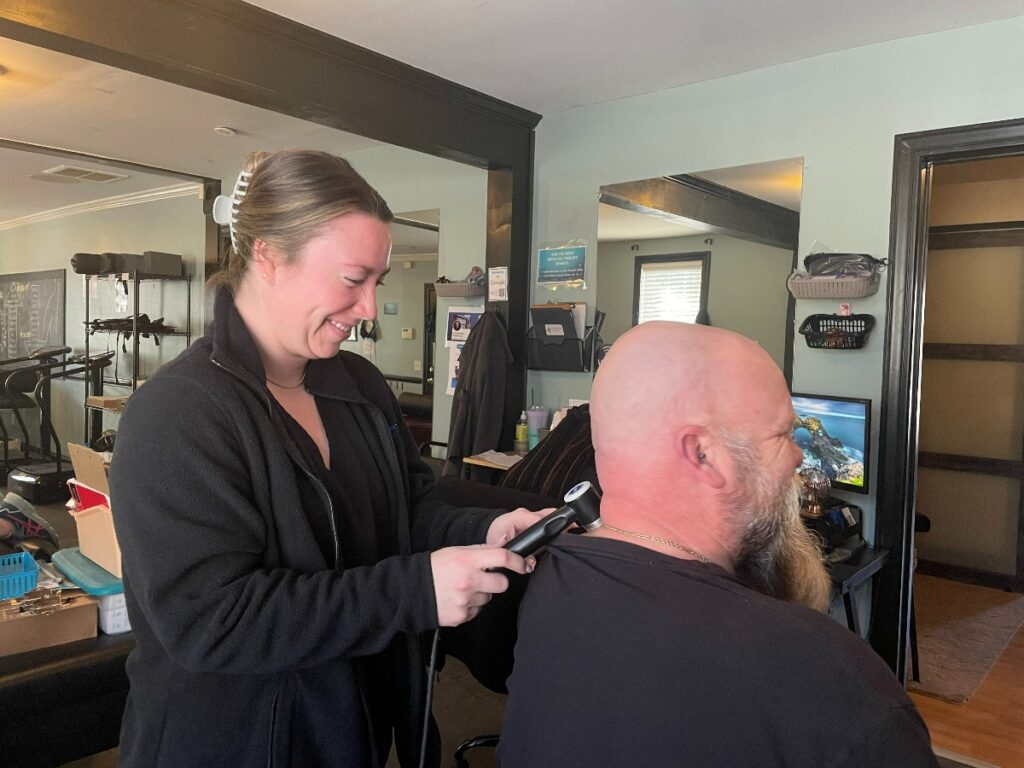
As a local chiropractor, I understand that dealing with lower back pain can be overwhelming, especially if you're not familiar with the various treatment options available. Many patients find that a holistic approach, which includes chiropractic care, physical therapy, and lifestyle modifications, can be incredibly effective in alleviating discomfort.
Chiropractic adjustments focus on realigning the spine and improving mobility, which can provide immediate relief and promote long-term healing. Additionally, incorporating physical therapy exercises can help strengthen your back muscles and enhance your posture, ultimately reducing the likelihood of future pain.
While over-the-counter medications might provide temporary relief, they do not address the underlying issues causing your pain. That's why I encourage patients to consider the benefits of natural healing methods like chiropractic care. Together, we can explore a personalized treatment plan that not only alleviates your current discomfort but also empowers you to take charge of your health.
If you're experiencing persistent lower back pain, it may be time to consult with a healthcare professional like myself. I can guide you on the next steps to take, ensuring you receive the most effective and sustainable treatment for your needs. Let's work together to find the best solution for your back pain!
Understanding Lower Back Pain
As a local chiropractor, I often see patients who feel overwhelmed by their lower back pain, whether it's a dull ache or a sharp twinge. It's important to understand that this discomfort can arise from various factors, such as muscle strain, herniated discs, or even poor posture. By getting to the root of the issue, we can work together to address it more effectively.
Many times, lower back pain results from improper bending, lifting, or twisting, which puts stress on your muscles or ligaments. That's why it's crucial to be mindful of your body mechanics. Additionally, repetitive movements or prolonged sitting can contribute to this discomfort, impacting your daily activities and overall quality of life.
In some cases, underlying conditions like arthritis or spinal stenosis may play a role in your pain. While these terms can sound intimidating, understanding them can empower you to take charge of your health. Simple lifestyle adjustments, such as incorporating stretching or strength exercises into your routine, can significantly benefit your back health.
Don't overlook the importance of your sleeping position and mattress choice. A poor night's sleep can aggravate lower back pain. By focusing on improving your sleep hygiene, you can enhance your overall comfort and promote healing.
If you're unsure about the cause of your pain, I encourage you to consult with a healthcare professional like myself. I can help identify the underlying issues and guide you toward appropriate treatments, including chiropractic care, which focuses on natural healing methods.
Physical Therapy Options
When it comes to managing lower back pain, many patients find that exploring chiropractic care can be a transformative experience. Chiropractic treatment emphasizes the body's natural ability to heal itself by focusing on spinal alignment, which plays a crucial role in overall health and well-being. As a local chiropractor, I'm dedicated to assessing your unique condition and developing a personalized plan that addresses your specific needs.
A fundamental approach in chiropractic care is spinal adjustments. These gentle manipulations help to realign the vertebrae in your spine, improving your body's function and reducing discomfort. By restoring proper alignment, we can enhance the stability of the spine and support the muscles that surround it, ultimately reducing the risk of further injury.
In addition to spinal adjustments, we also incorporate therapeutic exercises into your treatment plan. These exercises are designed to strengthen the muscles that support your spine, which can lead to improved flexibility, better posture, and reduced tension—all critical components in managing lower back pain.
Another effective technique we utilize is manual therapy. This hands-on approach allows me to work directly with your spine and surrounding tissues, helping to alleviate pain and restore mobility. Many patients find that this treatment not only eases their discomfort but also accelerates their recovery process.
We also utilize various modalities, such as heat therapy, cold therapy, and electrical stimulation, to enhance your healing journey. These methods can provide immediate relief by reducing inflammation, relaxing tight muscles, and promoting increased blood flow to the affected areas.
Education is a cornerstone of chiropractic care. I'll guide you on proper body mechanics and ergonomics to help you avoid future flare-ups. Understanding how to move correctly during daily activities empowers you to take control of your lower back pain and maintain your well-being.
Through a comprehensive chiropractic program, you can reclaim your health and improve your quality of life naturally. Together, we can work towards a pain-free future where you feel empowered to live your life to the fullest.
Medications for Pain Relief
As a local chiropractor dedicated to helping you manage lower back pain, I want to emphasize the importance of a holistic approach to treatment. While chiropractic care is an excellent way to address the underlying issues contributing to your pain, medications can also be a part of your overall recovery plan. It's essential to understand the different options available to you, so you can make informed choices about your health.
Many people start with over-the-counter (OTC) medications, such as acetaminophen or nonsteroidal anti-inflammatory drugs (NSAIDs) like ibuprofen and naproxen. These medications can effectively reduce inflammation and alleviate pain, providing some immediate relief. However, it's crucial to adhere to the recommended dosages and consult with your healthcare provider, especially if you have any pre-existing health conditions.
If you find that OTC medications aren't providing sufficient relief, your doctor may suggest stronger options. For instance, muscle relaxants can be beneficial if muscle spasms are contributing to your discomfort. Prescription NSAIDs may also offer enhanced anti-inflammatory effects.
While opioids can be effective for managing severe pain, they're typically reserved for short-term use due to the potential for dependency.
Additionally, topical treatments, such as creams or patches containing analgesics, can deliver targeted relief. These alternatives can be particularly appealing if you prefer to avoid systemic medications and focus on localized pain management.
Alternative Therapies
As a local chiropractor, I want to take a moment to educate you about the benefits of chiropractic care and other alternative therapies for managing lower back pain.
Many of my patients find that treatments like chiropractic adjustments and acupuncture provide significant relief. These holistic approaches not only help alleviate discomfort but also enhance your overall well-being.
By focusing on the alignment of your spine and the proper function of your nervous system, chiropractic care can improve your mobility and comfort.
If you're unfamiliar with these natural healing methods, I encourage you to explore how they can work in conjunction with your body's innate ability to heal itself.
Let's work together to help you regain the quality of life you deserve!
Acupuncture Benefits
As a local chiropractor, I want to introduce you to the benefits of acupuncture, a natural healing method that complements our chiropractic care, especially when it comes to managing lower back pain.
This ancient practice offers a holistic approach by addressing both the symptoms and the underlying issues contributing to your discomfort. Here are four key advantages of incorporating acupuncture into your pain management plan:
- Pain Reduction: One of the primary benefits of acupuncture is its ability to stimulate the release of endorphins, the body's natural painkillers. This can provide significant relief from discomfort, making it an effective addition to your treatment routine.
- Improved Mobility: Acupuncture helps to relax tense muscles and promote better blood flow. This can enhance your range of motion, allowing you to perform daily activities with greater ease and less pain.
- Stress Relief: Stress can often manifest as muscle tension and pain flare-ups. Acupuncture encourages relaxation and helps to reduce stress levels, which can be beneficial in managing your overall back pain.
- Enhanced Healing: By restoring balance to your body's energy systems, acupuncture promotes overall healing. This not only addresses the symptoms of lower back pain but also targets the root causes, leading to long-term relief.
If you're curious about how acupuncture can fit into your chiropractic care plan, I encourage you to consult with a licensed practitioner.
Many of my patients have found that integrating acupuncture into their treatment enhances their recovery and allows them to lead a more active, fulfilling life.
Together, we can work towards your wellness goals through a combination of chiropractic care and natural healing practices.
Chiropractic Adjustments
As a local chiropractor, I want to share how integrating various therapies can significantly enhance your recovery, especially when it comes to managing lower back pain. Chiropractic adjustments are a fundamental part of this process, focusing on realigning your spine to improve mobility and alleviate discomfort.
When you come to my office, the first step is a thorough assessment of your posture, movement patterns, and specific pain points. This allows me to tailor a treatment plan that meets your unique needs.
Chiropractic adjustments primarily involve gentle, manual manipulation of the spine. This technique is designed to restore proper alignment, reduce muscle tension, and enhance your overall function. Many of my patients report experiencing immediate relief after their sessions, enjoying increased range of motion and decreased pain levels.
In addition to adjustments, I often incorporate complementary techniques such as spinal decompression and soft tissue therapy into your treatment plan. This holistic approach not only addresses your symptoms but also targets the underlying issues that may be contributing to your back pain.
Regular visits to my practice can help enhance your body's natural healing process, enabling you to return to your daily activities more quickly.
It's always important to consult with your healthcare provider before starting any new treatment to ensure it's the right fit for you. With dedicated care and the right adjustments, you can take significant steps toward effectively alleviating your lower back pain and improving your overall well-being.
Lifestyle Modifications
As a local chiropractor, I want to share some important lifestyle modifications that can help you manage lower back pain effectively.
First and foremost, incorporating regular exercise into your routine can strengthen your back muscles and improve flexibility.
Additionally, it's crucial to optimize your workspace to promote better posture; simple adjustments can make a world of difference in how your back feels throughout the day.
Maintaining a healthy weight is another vital factor, as excess weight can put unnecessary strain on your back.
By making these changes, not only will you enhance your overall well-being, but you can also experience significant relief from back pain.
Remember, natural healing through lifestyle adjustments is a powerful way to support your body's health.
If you have any questions or need guidance, don't hesitate to reach out!
Exercise and Physical Activity
As a local chiropractor, I want to emphasize the importance of regular exercise and physical activity in managing lower back pain naturally. Engaging in these activities not only strengthens your muscles but also enhances flexibility and supports better posture, which are crucial for spinal health.
Here are some key activities I recommend incorporating into your routine:
- Stretching: Gentle stretching is vital for enhancing flexibility and relieving tension in your back. Focus on stretches that target the hamstrings, hip flexors, and lower back to help alleviate discomfort.
- Strength Training: Building core strength plays a significant role in supporting your spine. Simple exercises like planks and bridges can help strengthen your abdominal and back muscles, contributing to pain relief.
- Low-Impact Aerobics: I encourage you to engage in low-impact activities such as walking, swimming, or cycling. These exercises elevate your heart rate while minimizing strain on your back, making them ideal for maintaining overall fitness without exacerbating pain.
- Yoga or Pilates: These practices are excellent for improving body awareness and breathing techniques. They can help enhance your posture, increase flexibility, and reduce stress, all of which are beneficial for your spine.
As you start to incorporate these activities into your daily routine, it's crucial to listen to your body.
Begin slowly and gradually increase the intensity of your workouts. Consistency is key; aim for at least 30 minutes of exercise most days.
Ergonomic Workspace Setup
As a local chiropractor, I want to emphasize the importance of creating an ergonomic workspace, especially for those of you who may be struggling with lower back pain from long hours spent sitting at a desk.
One of the first steps in alleviating discomfort is to adjust your chair to provide proper support for your lower back. Ideally, your feet should be flat on the ground and your knees should be at or slightly below hip level. If your chair lacks sufficient lumbar support, consider using a lumbar roll or cushion to help maintain the natural curve of your spine.
Next, let's talk about your computer screen. It's crucial to position your monitor at eye level to avoid straining your neck and to promote good posture. Your keyboard and mouse should be within easy reach, allowing you to use them comfortably without having to stretch or lean forward. Your elbows should stay close to your body, creating a 90-degree angle, which helps reduce strain on your back and shoulders.
Don't overlook the height of your desk, either. If your desk is too high or too low, it can force your body into awkward positions, leading to further discomfort. If possible, I recommend investing in a height-adjustable desk. This way, you can change your position throughout the day and find what feels best for you.
Lastly, I can't stress enough the importance of taking regular breaks. Make it a habit to stand up, stretch, and walk around for a few minutes every hour.
These small adjustments can significantly reduce discomfort and enhance your overall productivity while safeguarding your lower back health. Remember, taking care of your spine is a vital part of maintaining your overall well-being.
Healthy Weight Management
As a local chiropractor, I want to emphasize how maintaining a healthy weight can significantly influence your lower back pain and overall health. Carrying excess weight can put extra strain on your spine and surrounding muscles, leading to discomfort and pain. By effectively managing your weight, you can relieve some of this pressure and enhance your quality of life.
Here are four practical strategies that I encourage my patients to adopt for achieving and maintaining a healthy weight:
- Balanced Diet: It's essential to focus on consuming whole foods, including a variety of fruits, vegetables, lean proteins, and whole grains. These nutrient-rich foods not only provide vital nutrients but also help keep you feeling satiated for longer periods, reducing the likelihood of overeating.
- Regular Exercise: I recommend aiming for at least 150 minutes of moderate aerobic activity each week, along with incorporating strength training exercises. This combination is beneficial for building muscle mass, which supports your spine and can help alleviate back pain.
- Stay Hydrated: Proper hydration plays a crucial role in weight management. Drinking plenty of water can help regulate your appetite and support your metabolism. I suggest aiming for at least 8 cups of water per day to stay well-hydrated.
- Mindful Eating: Being mindful about what you eat is key. Pay attention to your body's hunger signals and try to avoid distractions while eating, such as watching TV or scrolling through your phone. This practice can help prevent overeating and allow you to savor your meals more fully.
By integrating these strategies into your daily routine, you can't only manage your weight but also support your spinal health and overall well-being.
Chiropractic Care
As a local chiropractor, I want to help you understand the vital connection between your spine and nervous system, and how chiropractic care can enhance your overall well-being. If you're experiencing lower back pain, seeking the expertise of a chiropractor could be a beneficial step for you. We specialize in diagnosing and treating musculoskeletal disorders, especially those that involve the spine.
During your first visit to my office, I'll conduct a comprehensive assessment to get to the heart of your discomfort. I'll take the time to discuss your symptoms, review your medical history, and perform physical examinations that will help us identify the underlying cause of your pain. From there, I'll develop a personalized treatment plan that's tailored specifically to your needs and lifestyle.
One of the primary techniques I use in my practice is spinal manipulation, commonly referred to as spinal adjustments. This method involves applying controlled force to specific joints in your spine to promote better alignment, alleviate pain, and restore mobility. Many of my patients experience immediate relief after their adjustments, while others may find that multiple sessions are necessary to achieve lasting results.
In addition to spinal manipulation, I often recommend complementary therapies, such as targeted exercises, stretches, and lifestyle changes. These strategies are designed to strengthen your back, enhance flexibility, and reduce the likelihood of future pain episodes.
Chiropractic care is generally safe when provided by a trained professional like myself. However, it's essential that you feel comfortable sharing any concerns or questions you may have. Open communication will allow me to adjust your treatment plan to ensure you receive the best possible care for your lower back pain.
Embracing chiropractic care can be a powerful step toward natural healing and improved health. I'm here to support you on your journey to a pain-free life!
Injections and Procedures
As a local chiropractor, I want to share some insights about managing lower back pain and the role of injections and procedures in your treatment options. While chiropractic care can effectively relieve discomfort by addressing spinal alignment and muscle tension, there may be times when additional interventions are necessary, especially if your pain persists despite our conservative approaches.
Here are four common injections and procedures that might be considered to help alleviate your discomfort:
- Epidural Steroid Injections: These involve delivering steroids directly into the epidural space around your spinal cord. This can help reduce inflammation and alleviate pain, providing temporary relief for those struggling with significant discomfort.
- Facet Joint Injections: If your pain is suspected to be originating from the facet joints in your spine, these injections can serve two purposes: they can help confirm the source of your pain and provide relief by blocking the pain signals from those joints.
- Nerve Blocks: Targeting specific nerves that may be responsible for your pain, nerve blocks involve injecting anesthetics. This can interrupt the pain signals, offering you temporary relief and allowing you to regain some normalcy in your daily activities.
- Radiofrequency Ablation: This innovative procedure uses heat generated by radio waves to disrupt the nerve fibers that send pain signals, which can provide longer-lasting relief and improve your quality of life.
Before considering any of these treatments, it's essential to have a thorough discussion with your healthcare provider. Together, we can determine the best approach tailored to your specific needs.
When to Seek Surgery
As a local chiropractor dedicated to helping you achieve optimal health, I want to share some important insights about when it may be appropriate to consider surgical options for back pain.
While many people find relief through chiropractic care and natural healing methods, there are situations where surgery might be necessary.
If you've been experiencing persistent back pain that significantly impacts your daily activities and hasn't improved after several months of chiropractic adjustments, physical therapy, or other conservative treatments, it may be time to explore further options.
Additionally, if you're dealing with severe leg pain, numbness, or weakness, these could be signs of nerve compression, which should prompt a visit to a specialist. Addressing these symptoms early is crucial to prevent potential complications.
Another critical sign that warrants immediate attention is any loss of bladder or bowel control. This could indicate a serious condition known as cauda equina syndrome, which requires urgent medical intervention.
Other circumstances that might lead to considering surgery include a confirmed diagnosis of conditions such as a herniated disc, spinal stenosis, or spondylolisthesis that haven't responded to conservative treatments.
I encourage you to have open and honest discussions with your healthcare provider about the potential benefits and risks of any surgical options.
They can help guide you through the decision-making process, taking into account your specific condition, lifestyle, and overall health.
Remember, surgery isn't always the best or only solution, and together we can explore the best path for your individual healing journey.
Your well-being is our priority, and we're here to support you every step of the way.
Conclusion
As a local chiropractor, I want to emphasize that effectively managing lower back pain often requires a comprehensive approach tailored to your unique situation. Chiropractic care plays a crucial role in this journey by focusing on spinal alignment and joint function, which can significantly reduce discomfort.
In addition to chiropractic adjustments, I encourage incorporating physical therapy into your routine. This combination can enhance your mobility and strengthen the muscles that support your back. Don't forget the importance of making healthy lifestyle changes, such as maintaining a balanced diet and engaging in regular exercise, as these can also contribute to your overall well-being.
While medications can provide temporary relief, exploring alternative therapies such as acupuncture or massage can offer further benefits and complement your treatment plan. If your pain continues to linger, it's essential to consult with healthcare professionals who can provide targeted interventions specific to your needs.
Remember, taking action early and being proactive in your care is vital to reclaiming your comfort and mobility. I'm here to support you on this journey to a healthier back!