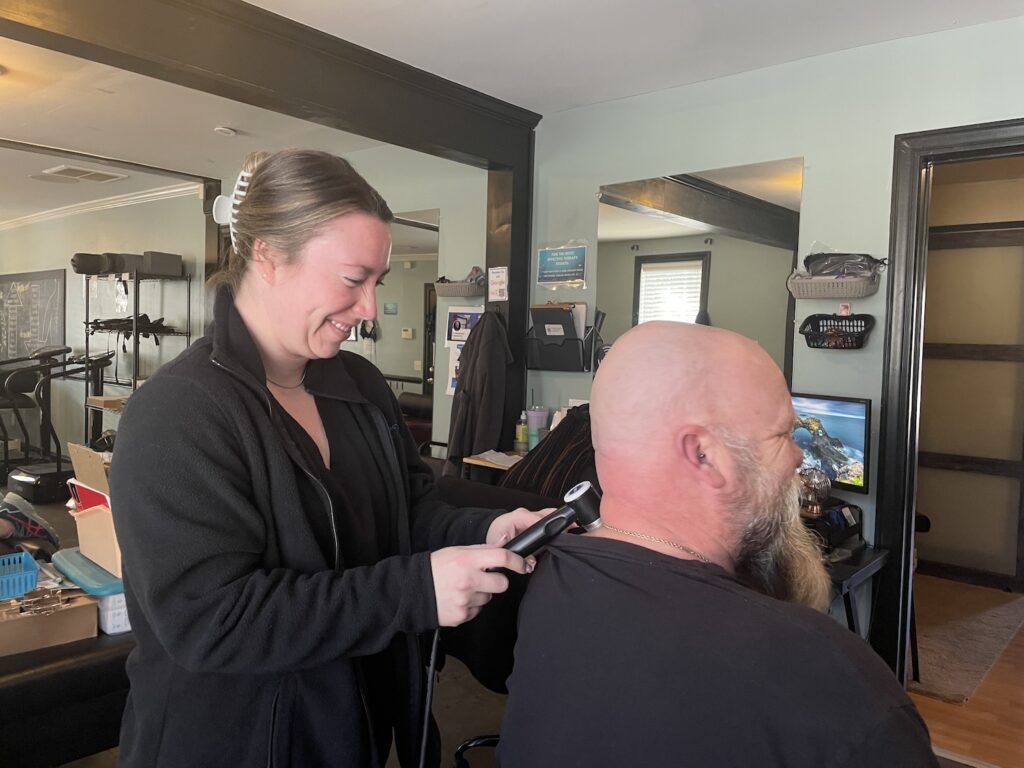
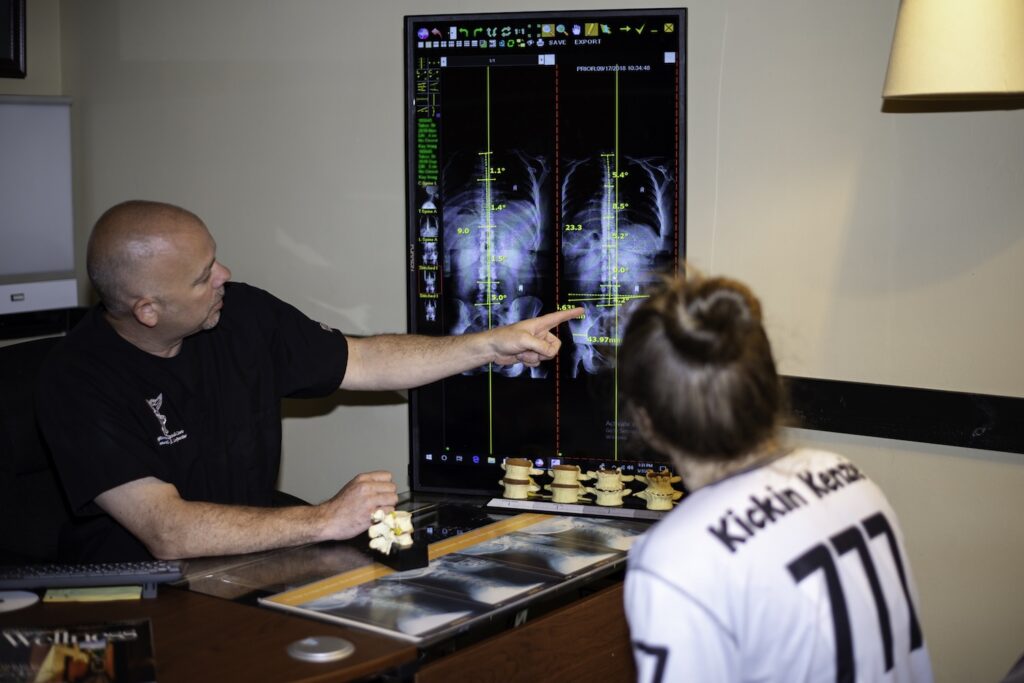
When you experience sports-related pain, it's easy to brush it off as a minor setback. However, ignoring these signals can lead to chronic issues that jeopardize your performance and overall health. Seeking help early not only aids in accurate diagnosis but also opens the door to effective treatment options tailored for you. By addressing pain promptly, you can guarantee a smoother recovery and a stronger return to your sport. But what exactly should you consider before making that first appointment?
Understanding Sports-Related Pain
When you're pushing your body to its limits in sports, it's common to experience pain, but understanding the reasons behind that discomfort is vital. Pain during physical activity can stem from various sources, including muscle fatigue, overuse, or improper technique. Recognizing how your body reacts to stress can help you make better decisions about your training and recovery.
One reason you might feel pain is due to muscle fatigue. When you engage in intense workouts, your muscles can become overworked, leading to soreness. This type of discomfort usually subsides with rest and proper recovery techniques, such as stretching and hydration.
Another factor is overuse injuries, which occur when you push your body beyond its capacity. These injuries often develop gradually and can affect tendons, ligaments, and joints. It's important to listen to your body's signals and avoid ignoring persistent pain, as this can lead to more severe issues down the line.
Finally, improper technique can lead to pain and injury. Whether you're running, cycling, or lifting weights, using the wrong form can place undue stress on your body. Taking the time to learn and practice correct techniques can greatly reduce your risk of injury.
Understanding these aspects of sports-related pain will empower you to make informed decisions about your training and seek help when necessary. By addressing the root causes of your discomfort, you'll be better equipped to enjoy your sport and stay injury-free.
Common Types of Sports Injuries
When you play sports, injuries can happen in two main ways: suddenly or over time.
Acute injuries occur from specific incidents, like a fall or collision, while chronic injuries develop gradually due to repetitive stress.
Understanding these types can help you recognize symptoms and seek the right treatment.
Acute Injuries Overview
Sports injuries can be a frustrating part of an athlete's journey, especially when they occur suddenly and without warning. Acute injuries are among the most common types you might face during your sporting activities. These injuries typically happen due to a specific incident, like a fall, collision, or awkward landing.
Some common examples include sprains, strains, fractures, and contusions. A sprain involves the stretching or tearing of ligaments, while a strain affects muscles or tendons. Fractures can range from minor cracks to complete breaks in the bone, often resulting from high-impact collisions. Contusions, or bruises, occur when blood vessels break due to a direct blow.
Recognizing the signs of an acute injury is essential. If you experience sudden pain, swelling, or difficulty moving the affected area, it's important to seek medical attention. Early intervention can help prevent further damage and speed up your recovery.
Chronic Injuries Explained
Chronic injuries are often the result of repetitive stress on the body, gradually developing over time rather than occurring from a single incident. You might experience these injuries if you participate in sports that require repetitive movements, like running, swimming, or tennis. Common types include tendonitis, stress fractures, and bursitis.
Tendonitis, for instance, occurs when tendons become inflamed due to overuse, often affecting areas like your elbows or knees. Stress fractures are tiny cracks in your bones that develop from repetitive impact, commonly seen in runners. Bursitis involves inflammation of the bursae, small fluid-filled sacs that cushion joints, leading to pain and stiffness.
Recognizing the signs of chronic injuries is essential. If you notice persistent pain that worsens with activity, or stiffness that doesn't improve with rest, it's time to seek help. Ignoring these symptoms can lead to more severe issues and prolonged recovery.
Addressing chronic injuries early can help you maintain your active lifestyle while preventing further complications. Remember, listening to your body is key to staying healthy and performing at your best.
Risks of Ignoring Pain
Ignoring pain might seem like a minor issue, but it can lead to chronic injuries that stick around longer than you'd like.
As you push through discomfort, you could find your performance slipping, making it harder to do what you love.
Ultimately, neglecting these signals can have serious long-term health consequences you won't want to face.
Chronic Injury Development
When you push through pain, you risk developing chronic injuries that can sideline you for good. Ignoring those warning signs your body sends can lead to persistent issues that don't just affect your performance but your overall well-being.
For instance, a small strain or discomfort can escalate into a more serious condition, like tendonitis or stress fractures, if left unaddressed.
Every time you ignore pain, you're giving it the chance to worsen. You might think you're toughing it out, but in reality, you're setting yourself up for a longer recovery period and potentially permanent damage.
This means more time away from your sport and less enjoyment in your activities.
The longer you wait, the more complicated the treatment can become. Early intervention is key to preventing chronic issues from developing.
If you address pain promptly, you can often avoid invasive treatments or lengthy rehabilitation periods.
Performance Decline
Pain doesn't just signal an injury; it can also lead to a noticeable decline in your performance. When you ignore pain, you might find yourself unable to train effectively, which can ultimately affect your skills and confidence.
Here are three key ways that performance can decline when you overlook pain:
- Reduced Strength and Endurance: Pain can limit your ability to push through workouts, leading to decreased strength and stamina. You might find it harder to complete your usual routines.
- Altered Technique: To avoid pain, you may unconsciously adjust your form. This can lead to poor technique, which not only affects your performance but also increases the risk of further injuries.
- Mental Fatigue: Constant pain can be mentally draining. You may lose focus and motivation, leading to a lack of drive during competitions and training sessions.
Ignoring pain can create a vicious cycle of declining performance. It's crucial to address any discomfort you experience, as seeking help can prevent further deterioration and help you get back to your peak performance.
Don't let pain hold you back—take action today!
Long-term Health Consequences
Continuing to push through pain can lead to serious long-term health issues that extend beyond immediate performance declines. Ignoring your body's signals can result in chronic conditions, such as arthritis, tendonitis, or even permanent joint damage. These issues often stem from overuse, where minor injuries accumulate into more significant problems that may require extensive treatment or surgery.
You might think that toughing it out will make you stronger, but in reality, it's likely to set you back. When you dismiss pain, you risk altering your biomechanics, leading to compensatory injuries elsewhere in your body. This domino effect can create a cycle of pain that's not only frustrating but debilitating.
Moreover, mental health isn't immune from the toll of ignoring physical pain. Chronic pain can lead to anxiety and depression, affecting your overall well-being and enjoyment of sports.
By seeking help early, you can address pain effectively, reducing your risk of these long-term health consequences. Remember, your health should always come first. Taking proactive steps now can preserve your athletic future and enhance your overall quality of life.
Don't let pain dictate your path; seek help and stay in the game for the long haul.
Benefits of Early Intervention
Acting quickly on sports-related pain can greatly enhance recovery outcomes. When you address discomfort early, you're not just treating a symptom; you're preventing further complications.
By taking prompt action, you can enjoy several key benefits that support both your physical health and athletic performance.
- Reduced Recovery Time: The sooner you intervene, the less likely your injury will worsen. Early treatment often leads to faster healing, allowing you to return to your sport sooner.
- Prevention of Chronic Issues: Ignoring pain can lead to more significant injuries or chronic conditions that can sideline you for extended periods. By addressing issues promptly, you can minimize the risk of long-term complications that might haunt you later.
- Improved Performance: When you take care of pain early, you maintain your strength and agility, which are essential for peak performance. Staying ahead of injuries keeps you at the top of your game, enabling you to compete and train effectively.
Incorporating early intervention into your routine helps you stay proactive about your health.
Whether it's a minor ache or a more significant issue, addressing it promptly can make all the difference. You'll not only preserve your current fitness level but also guarantee a more sustainable and enjoyable athletic career.
Role of Medical Professionals
When you experience sports-related pain, seeking help from medical professionals plays an essential role in your recovery process. These experts can assess your condition accurately, determining the extent of your injury and guiding you toward the best course of action. They bring a wealth of knowledge and experience that's invaluable, ensuring you don't overlook any underlying issues that could slow down your healing.
Medical professionals, such as sports physicians and physical therapists, understand the specific demands of your sport. They can tailor their advice to your unique situation, recommending appropriate exercises or modifications that align with your athletic goals. Their insights help you avoid common pitfalls that could exacerbate your injury or lead to new ones.
Another vital aspect of involving medical professionals is their ability to monitor your progress. They can adjust your rehabilitation plan based on how your body responds, ensuring that you're not pushing yourself too hard too soon. This ongoing support can boost your confidence as you return to your sport, knowing you're doing so safely.
Moreover, medical professionals often have access to advanced diagnostic tools that can provide a clearer picture of your injury. This can help in forming a precise treatment strategy that's tailored to your needs.
Treatment Options Available
Many athletes wonder about the best treatment options available for sports-related pain. When you're dealing with discomfort, knowing your options can help you bounce back quickly and safely.
Here are three effective treatment strategies that you might consider:
- Physical Therapy: Working with a physical therapist can help you regain strength, flexibility, and function. They'll tailor a program specifically for your needs and guide you through exercises designed to alleviate pain and prevent future injuries.
- Medication: Over-the-counter pain relievers, like ibuprofen or acetaminophen, can provide temporary relief for mild pain. In some cases, your doctor may prescribe stronger medications to manage more severe discomfort. Always follow a professional's advice regarding dosage and duration.
- Alternative Therapies: Techniques such as acupuncture, massage, and chiropractic adjustments can complement traditional treatments. Many athletes report positive results from these methods, helping to relieve tension and improve blood flow to the affected areas.
It's essential to remember that the best treatment for you may vary based on the type and severity of your injury.
Always consult with a healthcare professional to discuss your symptoms and develop a personalized treatment plan.
Prioritizing appropriate care not only alleviates pain but also enhances your overall performance in your chosen sport.
Don't let pain hold you back; take the steps necessary to heal and get back to doing what you love.
Importance of Proper Diagnosis
Proper diagnosis plays an important role in addressing sports-related pain effectively. When you experience discomfort, it's vital to pinpoint the exact cause, whether it's a sprain, strain, or something more complex. Without a clear diagnosis, you risk mismanaging your condition, which can lead to prolonged pain or even serious injuries.
When you consult a healthcare professional, they'll assess your symptoms and may perform physical examinations or imaging tests. This thorough evaluation helps identify the root cause of your pain, guiding you toward the most appropriate treatment. If you simply treat the symptoms without understanding the underlying issue, you might mask the pain temporarily, but the problem could persist or worsen over time.
Moreover, an accurate diagnosis makes sure that you don't engage in activities that could exacerbate your injury. Imagine continuing to play your favorite sport with an undiagnosed condition—it could lead to further damage and a longer recovery period. By knowing precisely what you're dealing with, you can make informed decisions about your training and activities.
Proper diagnosis also aids in setting realistic expectations for your recovery. Understanding the severity and nature of your injury allows you to follow a tailored recovery plan, optimizing your chances of returning to your sport stronger than before.
Rehabilitation and Recovery Strategies
After receiving a proper diagnosis, the next essential step is implementing effective rehabilitation and recovery strategies tailored to your specific injury.
It's imperative to follow a structured plan to guarantee you heal effectively and get back to your sport without complications. Here are three key strategies you should consider:
1. Physical Therapy: Working with a trained physical therapist can greatly enhance your recovery. They'll design a personalized exercise program that focuses on regaining strength, flexibility, and range of motion. Regular sessions can help you correct movement patterns and prevent future injuries.
2. Rest and Recovery: Don't underestimate the power of rest. Allowing your body to heal is essential. This includes taking breaks from physical activities that aggravate your injury, getting adequate sleep, and incorporating rest days into your training schedule.
Listen to your body; if you feel pain, it's a sign to slow down.
3. Gradual Return to Activity: Once you start feeling better, ease back into your sport gradually. Avoid jumping back into your previous intensity or volume right away. Instead, progressively increase your activity level, monitoring how your body responds.
This approach helps build your strength and endurance without risking re-injury.
Implementing these rehabilitation and recovery strategies can considerably affect your healing process.
Enhancing Long-Term Athletic Performance
To achieve long-term athletic performance, it's vital to focus on a holistic approach that combines training, nutrition, and mental resilience. You can't just rely on physical strength; your mind plays an important role in how well you perform. Incorporating mental training techniques, like visualization and mindfulness, can help you stay focused and manage stress during competition.
Your training regimen should include a balanced mix of strength, endurance, and skill-specific drills. This variety not only boosts your performance but also reduces the risk of overuse injuries. Be certain to listen to your body; if something feels off, don't hesitate to seek professional advice. Ignoring pain can lead to chronic issues that sideline you for longer periods.
Nutrition is another cornerstone of sustained athletic performance. Fueling your body with the right nutrients enhances recovery and energy levels. Focus on a diet rich in whole foods, lean proteins, and healthy fats, while staying hydrated.
Supplements can be beneficial, but consult with a nutritionist to verify they fit your specific needs.
Finally, prioritize recovery. Adequate sleep, stretching, and active recovery days are vital for preventing burnout and injuries. Engaging in activities like yoga or swimming can complement your training without putting excessive strain on your body.
Conclusion
To summarize, don't underestimate the importance of seeking help for sports-related pain. Addressing issues early can prevent minor setbacks from turning into chronic injuries that hinder your performance. By consulting medical professionals, you gain access to accurate diagnoses and effective treatment options tailored to your needs. Focus on your recovery and rehabilitation to guarantee a healthier return to your sport. Prioritizing your well-being now sets the foundation for long-term athletic success.