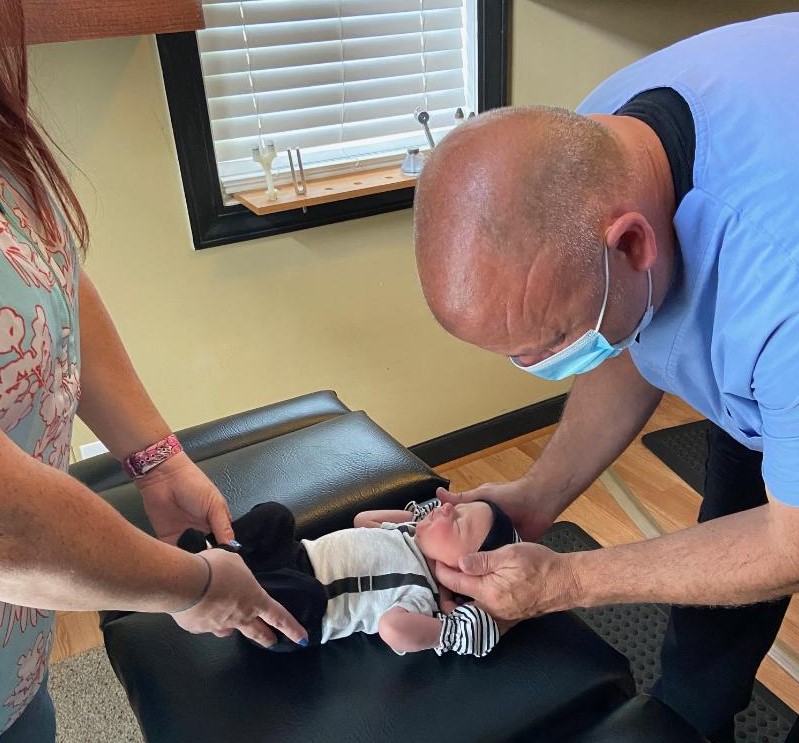
When it comes to managing back pain, a one-size-fits-all approach often falls short. You might find that standard treatments only mask your symptoms without addressing the underlying issues. Personalized back pain plans take into account your unique medical history, lifestyle, and specific pain triggers, offering a more effective path to relief. This tailored method can not only speed up recovery but also enhance your daily function. So, what are the essential components that make these plans so effective, and how can you start to benefit from them?
Understanding Back Pain
Back pain is a common issue that many people experience at some point in their lives. You might find it can stem from various causes, including muscle strain, herniated discs, or even poor posture. Understanding the root of your back pain is essential for effective management.
Identifying whether it's acute or chronic pain can help you determine the best course of action. Acute back pain usually comes on suddenly, often due to an injury or strain, and typically lasts less than six weeks. On the other hand, chronic back pain persists for three months or longer, often requiring a more thorough approach to treatment.
You should also consider the location of the pain. Lower back pain is particularly common and can affect your ability to perform daily activities.
It's vital to pay attention to accompanying symptoms, such as numbness, tingling, or weakness in your legs. These could indicate nerve involvement, which might require immediate medical attention.
Additionally, lifestyle factors play a significant role in your back health. Regular exercise, maintaining a healthy weight, and practicing good ergonomics can all contribute to reducing your risk of back pain.
Limitations of Standard Treatments
While standard treatments for back pain, such as over-the-counter medications and physical therapy, can provide relief for some, they often have limitations that may not address the underlying issues.
You might find that these approaches offer temporary relief but don't tackle the root cause of your discomfort. Here are three key limitations to take into account:
- Symptom Management: Standard treatments primarily focus on alleviating symptoms rather than identifying and treating the underlying condition. This can lead to a cycle of chronic pain that persists despite treatment.
- One-Size-Fits-All Approach: Many standard treatments are designed for the average patient, which means they mightn't suit your specific needs or conditions. Each person's back pain is unique, and what works for one individual may not work for another.
- Potential Side Effects: Over-the-counter medications can have side effects that range from mild to severe. Relying on these medications can lead to other health issues, such as gastrointestinal problems or dependency, creating an additional layer of complications.
Understanding these limitations is vital in recognizing why standard treatments may not be enough for you.
If you find yourself stuck in a cycle of temporary relief, it might be time to explore alternative approaches that better align with your unique situation and needs.
Personalized back pain plans can be a game-changer in this regard.
Benefits of Personalization
Personalized back pain plans offer considerable advantages that cater specifically to your unique needs and circumstances. Unlike standard treatments, these plans consider your lifestyle, medical history, and specific pain triggers, which means you're more likely to see real improvements. By addressing your individual situation, a personalized plan can help identify the root causes of your pain, allowing for targeted interventions that standard treatments might overlook.
One major benefit is that personalized plans often lead to quicker relief. Since your plan is tailored to you, it can incorporate effective techniques that resonate with your body's specific responses. This approach minimizes the trial-and-error phase common in generic treatments, saving you valuable time and reducing frustration.
Additionally, these plans empower you to take an active role in your recovery. You'll learn techniques and strategies that fit your unique circumstances, which not only promotes a sense of control but also boosts your confidence. When you're engaged in your healing process, you're more likely to stick with the plan and follow through on recommended exercises or lifestyle changes.
Another advantage is that personalized plans can adapt over time. As your condition improves or changes, your treatment can evolve alongside you, ensuring that you continue to receive the most effective care. This flexibility allows for ongoing support and adjustment, making it easier to maintain long-term back health.
Ultimately, embracing a personalized back pain plan can considerably enhance your quality of life.
Key Components of a Personalized Plan
To create an effective personalized back pain plan, you'll need a thorough individual assessment.
This evaluation helps identify your specific pain triggers and needs.
From there, you can explore tailored treatment approaches that fit your unique situation.
Individual Assessment Importance
A thorough individual assessment is essential for crafting an effective back pain management plan that truly addresses your unique needs. This process helps identify the specific factors contributing to your pain, ensuring that your plan is both relevant and actionable.
Here are three key components of an individual assessment you should consider:
- Medical History: Understanding your past medical conditions, injuries, and treatments is vital. This info helps pinpoint potential causes of your back pain and guides your treatment approach.
- Physical Examination: A detailed physical exam can reveal limitations in movement, muscle strength, and flexibility. This assessment helps identify specific areas that need attention and informs your plan's focus.
- Lifestyle Factors: Your daily habits, including activity levels, posture, and stress management, play significant roles in back pain. Taking these into account allows for a more thorough approach, addressing not just the symptoms but the underlying causes.
Through this individual assessment, you set the stage for a personalized back pain plan that's tailored to address your specific challenges, ultimately leading to more effective management and relief.
Tailored Treatment Approaches
When it comes to managing back pain effectively, tailored treatment approaches are vital for addressing your specific needs and circumstances. A one-size-fits-all strategy simply won't cut it; everyone's pain is unique. By focusing on personalized methods, you can target the root causes of your discomfort rather than just masking the symptoms.
First, consider physical therapy. A therapist can design a customized exercise regimen that strengthens your back and improves flexibility. These exercises can help alleviate pain and prevent future issues.
Next, look into pain management options that suit your lifestyle, whether that's medication, acupuncture, or mindfulness techniques.
Nutrition also plays a significant role in your recovery. A diet rich in anti-inflammatory foods can support healing and reduce pain. Additionally, your mental health shouldn't be overlooked; strategies like cognitive behavioral therapy can help you cope with chronic pain more effectively.
Finally, stay engaged with your healthcare provider. Regular check-ins can help adjust your plan as your situation changes, ensuring your treatment remains effective.
Success Stories and Case Studies
You're about to hear inspiring success stories from people just like you who transformed their lives with personalized back pain plans.
These real-life examples highlight how tailored treatments led to remarkable outcomes.
Get ready to see the difference a customized approach can make in your journey to relief.
Real-Life Transformations
In the journey to overcome back pain, real-life transformations often inspire hope and motivation. You might wonder if a personalized approach can truly lead to lasting change. The stories of those who've successfully navigated their pain can help you see the possibilities ahead.
Here are three inspiring examples:
- Sarah's Journey: After struggling with chronic lower back pain for years, Sarah discovered a tailored plan focusing on strength training and flexibility exercises. Within months, she regained her active lifestyle, hiking and playing with her kids again.
- Mike's Resilience: Mike, a desk worker, faced debilitating pain due to prolonged sitting. His personalized plan included ergonomic adjustments and regular movement breaks. In just weeks, he noticed significant improvements, enhancing both his work performance and overall well-being.
- Linda's Empowerment: After an injury, Linda felt trapped in her body. A customized rehabilitation program that combined physical therapy and mindfulness practices helped her reclaim her confidence and mobility, allowing her to return to her favorite activities.
These transformations highlight that with the right support and a personalized plan, you too can undertake a path toward relief and a better quality of life.
Tailored Treatment Outcomes
Tailored treatment outcomes demonstrate the profound impact personalized plans can have on individuals dealing with back pain.
Imagine you're struggling with chronic discomfort that limits your daily activities. You seek a solution tailored specifically for you, considering your unique lifestyle, medical history, and pain triggers. This is where personalized plans come into play.
Take Sarah, for example. After years of trying generic therapies without success, she finally received a customized treatment plan. It included a combination of targeted physical therapy, specific exercises to enhance her core strength, and mindfulness practices to help manage stress.
Within weeks, Sarah noticed a significant reduction in pain, allowing her to return to her favorite activities like hiking and yoga.
Or consider Mike, who faced severe back pain due to a previous injury. His personalized plan incorporated not just physical rehabilitation, but also dietary adjustments and ergonomic changes at work.
The results? Mike's pain diminished, and he regained his mobility, transforming his quality of life.
These success stories highlight that tailored treatment outcomes aren't just about alleviating pain. They're about restoring lives and empowering individuals to reclaim their enjoyment and functionality in everyday activities.
How to Get Started
Starting a personalized back pain plan can seem overwhelming, but it doesn't have to be. With the right approach, you can create a manageable and effective strategy to alleviate your pain. Here's how to get started:
- Consult a Professional: Begin by visiting a healthcare provider who specializes in back pain. They'll assess your condition and recommend tailored treatments. This step is essential for understanding the root cause of your pain.
- Set Specific Goals: Once you have a clear diagnosis, set realistic and specific goals for your recovery. Whether it's improving your flexibility, reducing pain intensity, or returning to specific activities, having defined objectives will keep you focused and motivated.
- Create a Routine: Develop a daily or weekly routine that incorporates exercises, stretches, and any recommended therapies. Consistency is key to seeing progress.
Make sure you include time for rest and recovery, as this is just as important as your active efforts.
Conclusion
Incorporating a personalized back pain plan can transform your recovery journey. By addressing your unique needs and focusing on the root causes of your pain, you can experience quicker relief and improved function. Don't settle for standard treatments that only mask symptoms; take charge of your health and well-being. With the right approach, you can enhance your quality of life and regain control over your daily activities. Start your journey toward a pain-free life today!