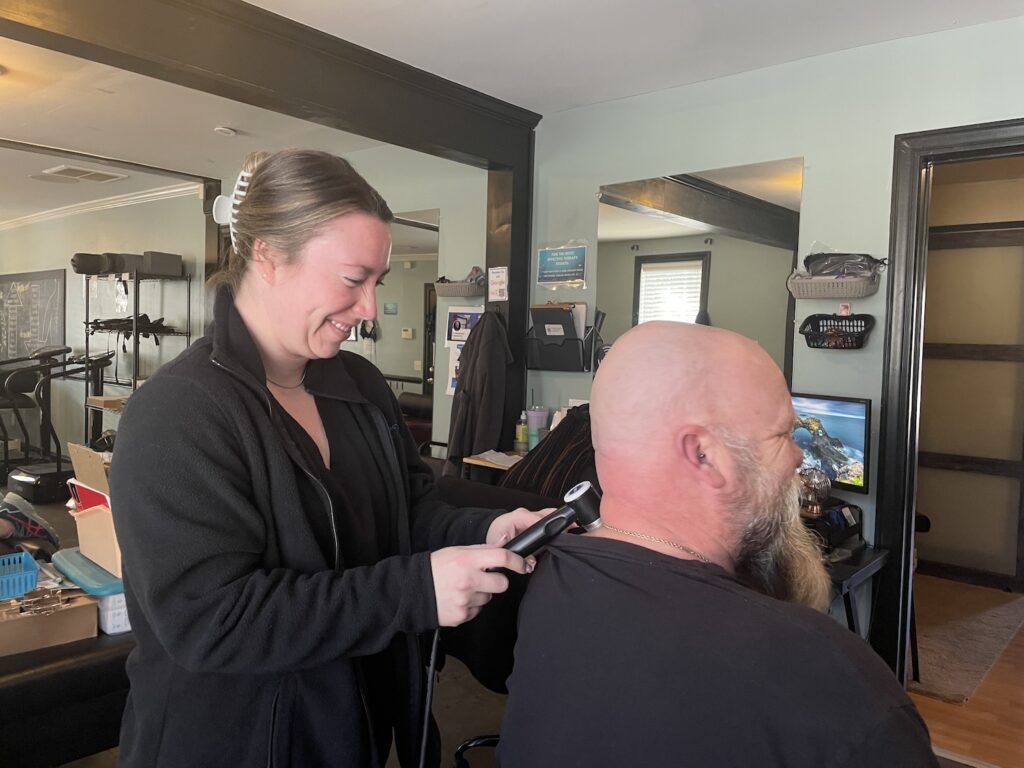
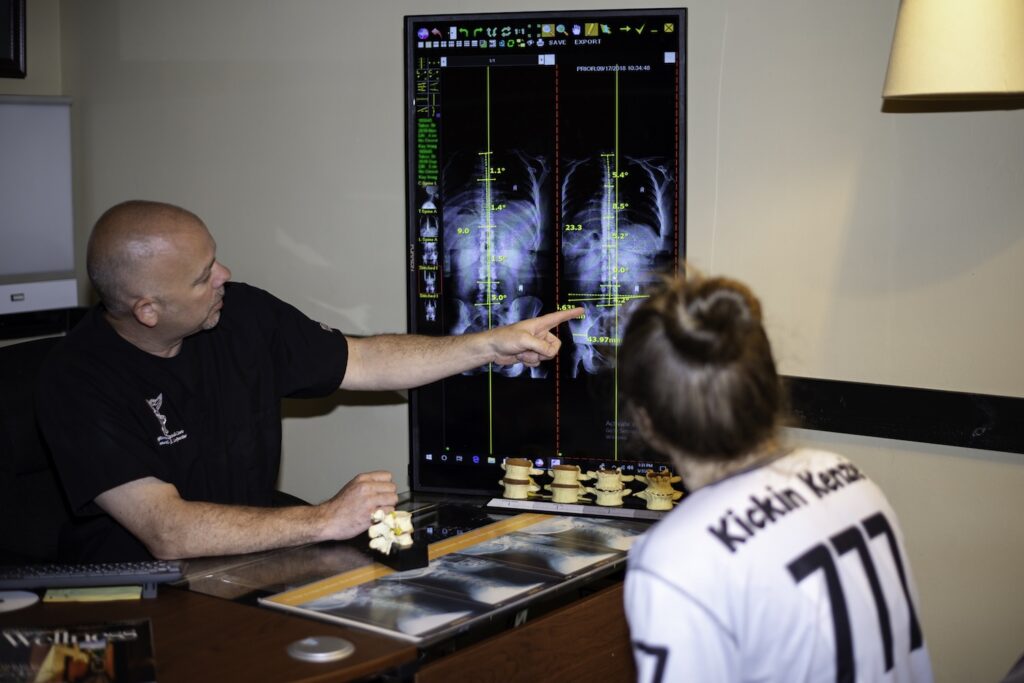
When it comes to relieving back pain, one size doesn't fit all. You might find that a personalized plan, tailored specifically to your unique triggers and lifestyle, can make a significant difference. By evaluating your individual needs, these plans not only target your pain sources but also incorporate effective strategies that resonate with you. This approach can empower you and foster a proactive attitude towards your recovery. But what specific elements should you consider to truly tailor your plan for best relief?
Understanding Back Pain Causes
When you experience back pain, understanding its causes can be vital for finding relief. Back pain can stem from various sources, and recognizing these can help you address the issue more effectively. One common cause is muscle strain. If you've lifted something heavy or twisted awkwardly, you might've strained your back muscles. This type of pain often resolves with rest and gentle stretching.
Another potential culprit is poor posture. If you spend long hours sitting at a desk or hunched over your phone, your back may suffer. Over time, these habits can lead to chronic discomfort. Paying attention to your posture and making adjustments can greatly improve your situation.
In some cases, underlying medical conditions contribute to back pain. Herniated discs, for example, occur when the soft material between your vertebrae pushes out and compresses nearby nerves. Arthritis, osteoporosis, and scoliosis can also lead to ongoing pain. If you suspect an underlying condition, consulting a healthcare professional is essential.
Injuries from sports or accidents can also play a role in your back pain. You might experience discomfort immediately or notice it developing over time. Recognizing the source of your pain is the first step toward effective management.
Ultimately, understanding the various causes of your back pain empowers you to take the right actions. By identifying the specific issues at play, you can move towards more targeted solutions for relief.
Importance of Personalized Plans
Personalized plans are essential for effectively managing your back pain.
By focusing on tailored exercises and techniques, you can address your unique needs and preferences.
An individualized assessment helps set achievable goals, ensuring you stay on track toward recovery.
Tailored Exercises and Techniques
Finding the right exercises and techniques can make a world of difference in managing back pain. When you tailor your approach to your specific needs, you're more likely to experience relief and improve overall function.
Generic exercises may not address your unique pain triggers or muscle imbalances, but personalized plans focus directly on your situation.
Incorporating targeted stretching and strengthening exercises can help alleviate discomfort and enhance mobility. For instance, if you struggle with tight hip flexors, specific stretches can loosen those muscles and take pressure off your lower back.
Similarly, if you have weak core muscles, strengthening them can provide better support for your spine.
Techniques like Pilates or yoga can also be adapted to your requirements, ensuring you engage in movements that promote stability without exacerbating pain.
Additionally, practicing proper body mechanics during daily activities can prevent strain and further injury.
Individualized Assessment and Goals
Understanding your unique situation is key to creating an effective back pain management plan. Each person's experience with back pain is different, influenced by factors like lifestyle, medical history, and specific symptoms. That's why an individualized assessment is so important. It helps identify the root causes of your pain, enabling you to set realistic and achievable goals.
During the assessment, you'll discuss your daily activities, any previous injuries, and how your pain affects your life. This information allows healthcare professionals to tailor a plan that fits your needs, rather than using a one-size-fits-all approach.
You'll work together to establish both short-term and long-term goals, ensuring they align with your lifestyle and preferences. Having personalized goals keeps you motivated and focused on your recovery.
You'll be more likely to stick to your plan when you see progress that matters to you. Whether it's returning to a favorite activity or simply improving your quality of life, individualized assessments pave the way for effective strategies.
With a customized approach, you're not just managing pain; you're taking control of your health and well-being.
Assessing Individual Needs
To create an effective plan for your back pain, you first need to identify your specific pain triggers.
Once you know what exacerbates your discomfort, you can customize treatment approaches that work best for you.
This personalized assessment is vital for achieving lasting relief and improving your quality of life.
Identifying Pain Triggers
Identifying the specific triggers of your back pain is essential for tailoring an effective treatment plan. You'll need to pay attention to the activities, positions, or habits that lead to discomfort. By pinpointing these triggers, you can take proactive steps to avoid or manage them.
Consider the following common triggers:
- Posture: Slouching while sitting or standing can strain your back muscles.
- Repetitive Activities: Engaging in tasks that require twisting or heavy lifting can exacerbate pain.
- Sedentary Lifestyle: Lack of movement can weaken muscles, making them more susceptible to injury.
- Stress and Tension: Emotional stress can lead to muscle tightness and exacerbate pain.
Take some time to reflect on your daily routine and how it might contribute to your back pain. Keeping a pain diary can help you track when and where the pain occurs, allowing you to see patterns over time.
This information is vital in understanding your body and creating a personalized plan that addresses your unique needs. By recognizing your triggers, you're one step closer to effective relief and a healthier back.
Customizing Treatment Approaches
Customizing treatment approaches for back pain requires a keen assessment of your individual needs. Everyone's experience with back pain is unique, so it's crucial to evaluate factors like your lifestyle, medical history, and the specific characteristics of your pain.
Begin by tracking your symptoms, noting when they occur and what activities exacerbate them. This information can help identify patterns and potential causes.
Next, consider your daily routines. Are you sitting for long periods, or do you engage in heavy lifting? Understanding your habits allows you to tailor interventions effectively. You might benefit from physical therapy focused on strengthening your core or learning proper lifting techniques.
Don't forget to think about your emotional well-being. Stress and anxiety can exacerbate pain, so incorporating relaxation techniques, such as mindfulness or gentle yoga, can be beneficial.
Collaborating with healthcare professionals guarantees you're not just treating symptoms but addressing the root causes of your discomfort.
Ultimately, a thorough approach that considers all aspects of your life will lead to more effective pain management. By personalizing your treatment plan, you're more likely to find relief and regain control over your daily activities.
Customized Exercise Regimens
Your back pain can greatly improve with a customized exercise regimen tailored specifically to your needs. Unlike generic exercise plans, a personalized approach takes into account your unique condition, lifestyle, and fitness level. By focusing on exercises that strengthen your back and improve flexibility, you can alleviate pain and prevent future issues.
Creating a regimen that works for you involves understanding which movements are beneficial and which ones might exacerbate your pain. Here are some key components to take into account when crafting your customized plan:
- Strengthening exercises: Target the core, back, and hip muscles to provide better support for your spine.
- Flexibility routines: Incorporate stretching to enhance mobility and reduce tension in the muscles surrounding your spine.
- Low-impact activities: Engage in exercises like swimming or walking that minimize strain on your back while promoting overall fitness.
- Progress tracking: Monitor your progress and adjust your regimen as needed to guarantee continuous improvement and prevent potential setbacks.
Working closely with a qualified professional can help you identify the right mix of exercises. They can provide guidance on proper form and guarantee you're not putting yourself at risk of injury.
With a customized exercise regimen, you'll not only relieve your current back pain but also empower yourself to maintain a healthier, more active lifestyle in the long run.
Nutrition's Role in Pain Relief
When it comes to managing back pain, what you eat can make a big difference.
Incorporating anti-inflammatory foods and staying hydrated can help reduce discomfort and promote healing.
Let's explore how your nutrition choices can support your journey to relief.
Anti-Inflammatory Foods
Incorporating anti-inflammatory foods into your diet can greatly ease back pain and enhance overall health. These foods help reduce inflammation, which often contributes to discomfort and stiffness in your back. By making conscious choices about what you eat, you can support your body's healing processes and potentially alleviate pain.
Here are some key anti-inflammatory foods to think about adding to your meals:
- Fatty Fish: Rich in omega-3 fatty acids, which have powerful anti-inflammatory properties.
- Berries: Packed with antioxidants, they help combat oxidative stress and inflammation.
- Leafy Greens: Vegetables like spinach and kale are loaded with vitamins and minerals that promote overall health.
- Turmeric: This spice contains curcumin, a compound known for its strong anti-inflammatory effects.
Including these foods in your diet not only aids in pain relief but also contributes to your overall well-being.
It's important to pay attention to how your body responds to different foods. By making simple dietary adjustments, you can take significant steps toward managing back pain more effectively and improving your quality of life.
Hydration and Pain Relief
Staying well-hydrated plays an essential role in managing back pain and overall health. When your body is adequately hydrated, it helps maintain the elasticity of your spinal discs, which act as cushions between your vertebrae. Dehydration can lead to stiffness and increased pain in your back.
Additionally, water supports nutrient transport to your muscles and tissues, aiding recovery and reducing inflammation. If you're not drinking enough, you might experience muscle cramps, which can exacerbate back discomfort.
To improve your hydration, aim for at least eight 8-ounce glasses of water daily, but remember that individual needs may vary depending on activity level and climate. You can also hydrate through fruits and vegetables, which contain high water content.
Keep track of your fluid intake, especially during exercise or hot weather. If you notice signs of dehydration, like dry mouth or fatigue, increase your water consumption immediately.
Integrating Physical Therapy
Integrating physical therapy into your personalized back pain plan can greatly enhance your recovery. Physical therapists offer tailored exercises and techniques that target your specific pain points, helping you regain strength and flexibility.
They assess your condition and design a program that suits your needs, ensuring you're not only treating the symptoms but addressing the underlying causes of your discomfort.
Working with a physical therapist provides numerous benefits:
- Customized Exercise Plans: You'll receive exercises that focus on your unique situation, which can lead to faster and more effective recovery.
- Expert Guidance: A physical therapist can teach you proper techniques to avoid further injury while engaging in daily activities or workouts.
- Pain Management Strategies: They can introduce you to various pain relief methods, such as stretches, mobilizations, and modalities like heat or ice therapy.
- Progress Tracking: Regular sessions allow your therapist to monitor your progress and make adjustments to your program as needed, keeping you on track toward your goals.
Mindfulness and Stress Reduction
Mindfulness and stress reduction techniques can play an essential role in managing back pain. When you're mindful, you focus on the present moment, which can help you become more aware of how stress affects your body.
Stress often leads to muscle tension, particularly in your back, which can exacerbate pain. By practicing mindfulness, you can learn to recognize and reduce that tension.
Incorporating techniques like meditation, deep breathing, or yoga into your daily routine can greatly impact how you experience back pain. For instance, taking a few minutes each day to sit quietly and breathe deeply allows you to calm your mind and release built-up stress.
You might find that simply focusing on your breath helps you tune into your body, making it easier to identify areas of tension.
Yoga can be particularly beneficial, as it combines movement with breath awareness. Gentle stretches can help enhance flexibility and strength while simultaneously promoting relaxation.
As you become more attuned to your body through mindfulness, you may also develop healthier coping strategies for dealing with pain.
Monitoring Progress and Adjustments
Your back pain management plan should include regular monitoring of your progress and necessary adjustments. This ongoing process helps you stay on track, ensuring that the strategies you're using remain effective.
By keeping a close eye on your symptoms and their triggers, you can better understand what works for you and what doesn't. Consider scheduling regular check-ins with your healthcare provider or physical therapist to evaluate your progress and make any needed changes.
Here are some key aspects to monitor:
- Pain Levels: Keep a daily journal of your pain levels. Note when it worsens and what you were doing at the time.
- Activities: Track your daily activities and how they impact your back. Identifying patterns can help you adjust your routine.
- Exercise and Therapy: Assess how your exercise regimen or therapy sessions are affecting your pain. Are you noticing improvements or setbacks?
- Lifestyle Factors: Consider how factors like sleep, diet, and stress influence your back pain. Adjustments in these areas can lead to significant improvements.
Long-Term Benefits of Personalization
Personalization in back pain management offers significant long-term benefits that extend beyond immediate relief. When you tailor your treatment plan to your specific needs, you're not just addressing the pain; you're also creating a sustainable path toward overall wellness. This approach allows you to identify the root causes of your discomfort, enabling you to make informed lifestyle choices that promote long-term health.
One of the key advantages of personalized plans is their ability to adapt as your situation evolves. As you progress, your needs may change, and a personalized plan can be adjusted to reflect that. This flexibility guarantees you're always working with the most effective strategies, reducing the risk of recurring pain and allowing you to maintain an active lifestyle.
Moreover, personalized plans often incorporate a variety of techniques, from physical therapy to mindfulness practices. This multi-faceted approach not only targets your back pain but also enhances your overall physical and mental well-being. You'll likely find that as you invest in your personalized plan, you experience improvements in your strength, flexibility, and resilience.
Additionally, the empowerment that comes from taking an active role in your treatment fosters a sense of control over your health. This mindset can lead to better adherence to your plan, further increasing your chances of long-term success.
Fundamentally, investing in a personalized approach not only alleviates your back pain but also lays the groundwork for a healthier, more fulfilling life.
Success Stories and Testimonials
Many individuals have transformed their lives through personalized back pain management plans, sharing inspiring success stories that highlight the potential of this tailored approach.
You might find it uplifting to hear how real people have overcome their struggles with back pain, leading to a renewed sense of freedom and wellness. These testimonials reveal not just the effectiveness of personalized plans, but also the emotional and physical benefits that come with them.
One individual, Sarah, experienced chronic pain for years. After beginning a customized plan that combined targeted exercises, mindfulness techniques, and ergonomic adjustments, she reported a significant reduction in her discomfort.
Now, she enjoys hiking again—something she thought was lost forever.
Similarly, Mark shared how a personalized approach helped him return to enjoying family activities. With a plan designed around his specific needs and lifestyle, he found relief and regained his confidence.
Here are a few key takeaways from these success stories:
- Individualized Attention: Tailored plans address unique pain triggers and lifestyle factors.
- Empowerment: Clients feel in control of their health, fostering a proactive mindset.
- Community Support: Many find encouragement and shared experiences through support groups.
- Lasting Change: Long-term commitment to personalized plans leads to sustainable pain relief.
These stories remind you that with the right guidance and dedication, overcoming back pain is achievable.
Your journey could be the next inspiring story shared, so don't hesitate to explore personalized plans for your relief.
Conclusion
Incorporating personalized plans for back pain relief can transform your recovery journey. By addressing your unique needs and triggers, you empower yourself to take charge of your health. Customized exercises, mindful practices, and nutritional adjustments create a holistic approach that not only alleviates pain but also enhances your overall well-being. As you monitor your progress and make necessary adjustments, you'll experience the long-term benefits of this tailored strategy, leading to a healthier, more fulfilling life.