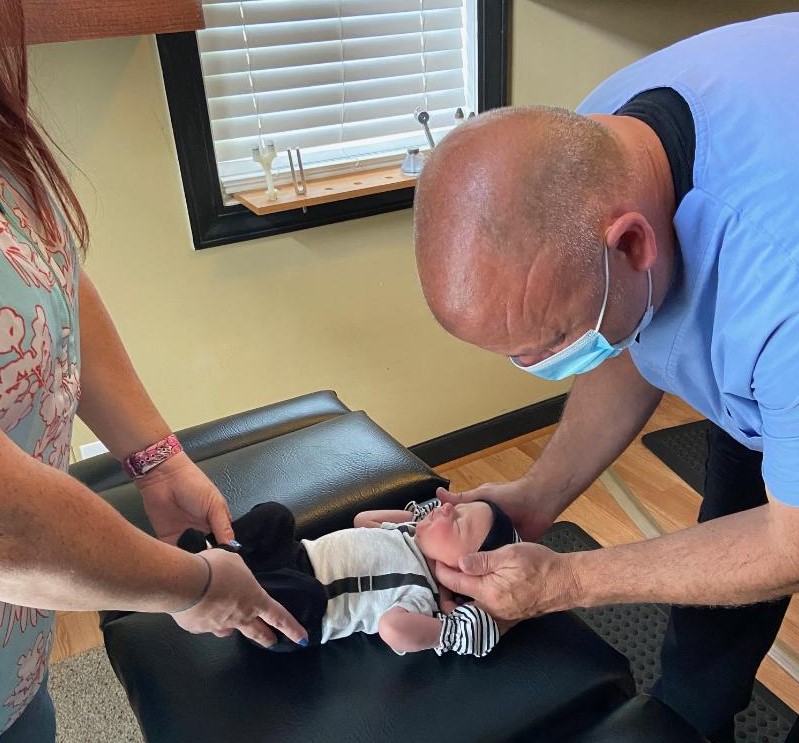
As a local chiropractor, I want to shed light on how various remedies can effectively alleviate back pain and contribute to your overall healing process. Many people are unfamiliar with the benefits of chiropractic care and natural healing methods, so let’s break it down.
When you experience back pain, there are various approaches that can help, such as heat therapy and stretching exercises. Each of these methods targets specific sources of discomfort and tension in your body. You may be curious about how these remedies work not just for immediate relief, but also for promoting long-term healing.
The key lies in their ability to address the root causes of your pain. For example, heat therapy increases blood flow, which can help relax tight muscles and improve mobility. Stretching exercises, on the other hand, can enhance flexibility and strengthen the muscles that support your spine.
As a chiropractor, my goal is to help you understand how these natural remedies improve your overall well-being. By focusing on the underlying issues and incorporating holistic approaches, we can work together to not only relieve your back pain but also prevent future discomfort. Let’s delve into the mechanics behind these effective solutions and explore how we can enhance your journey to health.
Understanding Back Pain: Causes and Types
Back pain can be an incredibly frustrating and debilitating issue, and as your local chiropractor, I’m here to help you understand its origins and how we can work together for relief.
Many people often wonder why they experience back pain or what might’ve caused it. The truth is, back pain can arise from a variety of sources, including muscle strain, poor posture, or even more serious conditions like herniated discs.
It’s important to recognize the type of back pain you’re dealing with. Acute pain often comes on suddenly, typically due to an injury or overexertion. Chronic pain, in contrast, lingers for months and could be tied to underlying health issues.
You may also experience specific types of pain, such as radicular pain, which radiates down your leg due to nerve compression. Understanding these causes and types of pain is crucial for navigating your treatment options effectively.
The Role of Heat Therapy in Pain Relief
When it comes to managing back pain, it’s crucial to explore effective relief methods, and one approach that I often recommend in my practice is heat therapy. This natural remedy can provide comforting relief and help ease discomfort. By applying heat to your back, you can enhance blood circulation, which promotes healing and reduces muscle stiffness.
As a chiropractor, I frequently suggest using tools like a heating pad, a warm towel, or a hot water bottle to target specific areas of pain. Heat therapy is particularly beneficial for those suffering from chronic pain or muscle tension, as it works to relax tight muscles and alleviate spasms.
Many of my patients have found that using heat before physical activities helps prepare their muscles, leading to smoother movements and less pain during their daily routines.
However, it’s essential to listen to your body. If you find that heat worsens your pain or doesn’t provide relief, it may be time to reassess your approach.
Combining heat therapy with other treatment methods, such as chiropractic adjustments or gentle stretching, can enhance your overall pain relief journey. My goal is to support you in finding the most effective strategies for managing your pain naturally and improving your quality of life.
Stretching Exercises: Enhancing Flexibility and Strength
As your local chiropractor, I want to emphasize the importance of incorporating stretching exercises into your daily routine. These exercises aren’t just beneficial; they’re crucial for enhancing both your flexibility and strength, especially when it comes to managing back pain.
When you engage in regular stretching, you significantly improve blood circulation to your muscles, which in turn increases your range of motion. This can alleviate tension and help prevent injuries, ultimately keeping your back in optimal condition.
Let me share some key benefits of stretching exercises that can transform your overall well-being:
- Improves Posture: Stretching is vital for aligning your spine, which reduces the strain on your back. This is particularly important for those of you who may spend long hours sitting or standing.
- Enhances Muscle Performance: Flexible muscles are far more efficient in their function, providing better support for your body during everyday activities.
- Reduces Muscle Tightness: Many individuals experience tightness that contributes to back pain. Regular stretching can ease this discomfort and help you feel more at ease.
- Promotes Relaxation: Stretching stimulates the release of endorphins, which are natural stress relievers. This can help you manage stress and tension effectively.
By understanding these benefits, you can take proactive steps toward a healthier back and overall wellness.
Herbal Supplements: Natural Remedies for Pain Management
As a local chiropractor, I often see patients seeking relief from back pain, and I want to share some insights about herbal supplements as a natural alternative for pain management.
It’s essential to explore common herbal ingredients and understand how they interact with your body to promote healing.
Incorporating herbal remedies can complement the chiropractic care I provide, enhancing your overall wellness.
However, safety and proper dosage are crucial. I always recommend discussing any new supplements with me or your healthcare provider to ensure they’re appropriate for your specific situation and to maximize their effectiveness.
Together, we can create a holistic approach to your pain management that supports your health and healing journey.
Common Herbal Ingredients
As a local chiropractor, I often see patients seeking relief from back pain. Many individuals are unaware that herbal supplements can serve as effective natural remedies to complement chiropractic care.
Incorporating these natural ingredients into your wellness routine may enhance your overall well-being and aid in pain management. Here are some common herbal ingredients I recommend considering:
- Turmeric: This vibrant spice is renowned for its anti-inflammatory properties. It may help alleviate pain and reduce swelling, providing a natural option to support your recovery.
- Ginger: A powerful root with natural analgesic effects, ginger may help ease discomfort and promote a sense of well-being.
- Willow Bark: Often referred to as nature’s aspirin, willow bark has been traditionally used to relieve pain and inflammation, making it a valuable addition to your pain management strategy.
- Devil’s Claw: Known for its ability to alleviate joint pain, this herb may also be beneficial for back pain, offering another avenue for relief.
Integrating these herbal supplements into your daily routine could be a productive step towards managing your back pain.
However, it’s essential to consult with a healthcare professional before starting any new supplement, especially if you’re already undergoing chiropractic treatment.
Together, we can create a holistic approach to your health that encompasses both chiropractic care and natural healing methods.
Mechanisms of Action
As a chiropractor, I want to help you understand how herbal supplements can play a valuable role in managing pain. These natural remedies contain bioactive compounds that can effectively target the pain pathways in your body.
For example, curcumin found in turmeric is known for its anti-inflammatory properties, which can help reduce swelling and discomfort you may be experiencing. Similarly, ginger has been shown to inhibit pain signaling, making it a great option for muscle pain relief.
Many herbs also work by naturally boosting your body’s endorphin levels, which act as your body’s own painkillers. Some supplements can enhance blood circulation, promoting faster healing in areas that may be injured.
Additionally, certain herbs have calming effects on the nervous system, which can help lessen your perception of pain. By understanding these mechanisms, you can make informed choices about how to incorporate herbal supplements into your pain management routine alongside chiropractic care.
This holistic approach can lead to a more comprehensive understanding of your health and well-being.
Safety and Dosage
As a local chiropractor committed to your overall well-being, I want to emphasize the importance of safety and proper dosage when it comes to herbal supplements for pain management. While these natural remedies can be beneficial, it’s essential to approach them with caution to avoid any negative effects or interactions with other medications you may be taking.
Here are some important points to consider:
- Before starting any new supplement, please consult with me or another qualified healthcare professional, especially if you have existing health conditions. Your safety is our top priority.
- Begin with the lowest effective dose to see how your body responds, and only increase it gradually if needed. This way, we can ensure you’re getting the right amount for your needs.
- Stay informed about potential side effects. If you notice any adverse reactions, please discontinue use and let me know right away.
- It’s also important to research the quality and source of the supplements you choose. Not all products are created equal, and I can help guide you to reputable options.
Your health journey is important to me, and I’m here to support you every step of the way!
Acupuncture: A Traditional Approach to Treating Back Pain
As a local chiropractor, I’d like to introduce you to acupuncture, a time-honored approach that many people have turned to for relief from back pain.
You may be wondering how acupuncture works and what kind of scientific backing there’s for its effectiveness. Let’s take a closer look at its historical origins, how it helps alleviate pain, and the most recent research that highlights its benefits.
Acupuncture has been practiced for thousands of years, rooted in traditional Chinese medicine. It involves the insertion of fine needles at specific points on the body, promoting natural healing and balance.
The process may stimulate the release of endorphins and other chemicals, which can help reduce pain and inflammation.
Recent studies have shown that acupuncture can be an effective complement to chiropractic care, enhancing your overall healing journey.
As we work together to address your back pain, incorporating acupuncture may provide additional relief and support your body’s natural ability to heal.
Historical Background of Acupuncture
As a chiropractor dedicated to promoting natural healing, I want to share some fascinating insights about acupuncture, a practice that has stood the test of time. This method, which dates back over 2,000 years in China, is a remarkable way to help alleviate pain and enhance overall wellness. Here are some key points that highlight its significance and evolution:
- Cultural Exchange: Just like chiropractic care, acupuncture has traveled through time and across cultures, enriching various healing traditions. Its influence can be seen in the way we approach health today.
- Philosophical Roots: The principles behind acupuncture are deeply rooted in traditional Chinese medicine, particularly concepts like yin and yang, which emphasize balance in the body—something we also value in chiropractic practice.
- Documentation: Early texts, such as the Huangdi Neijing, laid out the foundational theories of acupuncture. These historical documents serve as important references for understanding how such practices can support our health.
- Modern Adaptation: Today, acupuncture is embraced globally as a holistic health approach, complementing chiropractic care. It showcases the enduring relevance of natural healing methods in managing pain and promoting well-being.
Mechanism of Pain Relief
As a local chiropractor, I want to share how acupuncture can be a valuable part of your back pain relief journey. This time-honored practice focuses on specific points along your body’s energy pathways, known as meridians.
By using thin needles at these strategic points, acupuncture effectively stimulates your nervous system, leading to the release of endorphins—your body’s own natural pain relief chemicals. This process can significantly interrupt the pain signals that travel to your brain, helping to reduce your overall perception of discomfort.
In addition to this, acupuncture enhances blood flow to the areas that are hurting, which can help in the healing process and reduce inflammation. Many of my patients also find that acupuncture helps to relax tight muscles, further alleviating their pain.
Overall, acupuncture provides a holistic approach to managing back pain, addressing both physical discomfort and the emotional aspects that often accompany it. By incorporating this technique into your treatment plan, you can achieve a greater sense of balance and control over your well-being.
If you’re curious about how chiropractic care and acupuncture can work together for your health, I’m here to help guide you on your path to recovery.
Scientific Evidence and Studies
As a local chiropractor, I often encounter patients who are seeking relief from back pain through various methods.
It’s important to understand that there are effective natural treatment options available, one of which is acupuncture. This traditional practice has garnered attention from the scientific community for its positive impact on chronic back pain.
Here are some key points to consider:
- Research demonstrates that acupuncture can trigger the release of endorphins, which are the body’s natural pain-relieving chemicals.
- Clinical trials have shown that patients who undergo acupuncture often experience significant reductions in pain compared to those receiving placebo treatments.
- Acupuncture also works to restore balance in the body’s energy pathways, contributing to overall wellness and improved function.
- Notably, reputable health organizations, including the World Health Organization, advocate for acupuncture as a valid treatment for various pain conditions, including back pain.
These findings underscore acupuncture’s potential as a valuable component of your journey toward pain relief and better health.
As your chiropractor, I encourage you to explore all natural healing options that can complement your treatment plan.
The Importance of Posture in Back Health
As a local chiropractor, I want to emphasize the vital role good posture plays in maintaining your back health. The way you hold your body can significantly impact the pressure exerted on your spine and the surrounding muscles.
When you practice proper alignment while sitting, standing, or moving, you help distribute weight evenly across your body, which in turn reduces strain on your back. Conversely, poor posture can lead to muscle imbalances and increased stress on your spine, often resulting in pain and discomfort.
To enhance your posture and promote a healthier back, I encourage you to be aware of your body’s alignment throughout the day. Keep your shoulders relaxed, maintain a straight back, and ensure your head is aligned over your spine.
Incorporating ergonomic furniture into your workspace can also make a significant difference. Additionally, remember to take regular breaks to stretch and adjust your position—these small changes can lead to substantial improvements in your overall well-being.
Massage Therapy: Reducing Muscle Tension and Stress
As a local chiropractor, I want to share how massage therapy can be a valuable ally in managing muscle tension and stress, especially when it comes to back pain. When pressure and stress accumulate in your body, massage therapy offers a natural and effective solution. This hands-on technique not only targets sore and tight muscles but also encourages relaxation, allowing you to feel more comfortable and at ease.
One of the key benefits of massage therapy is its ability to stimulate blood flow. This increased circulation is essential as it delivers vital nutrients to your muscles, aiding in their recovery. Additionally, massage can help reduce inflammation, which is crucial for healing any injuries or chronic pain you may be experiencing.
Another important aspect of massage therapy is its role in improving flexibility. By gently stretching tight muscles, massage can enhance your range of motion, making daily activities easier and more enjoyable.
Furthermore, the calming effects of massage therapy can significantly alleviate stress and anxiety, contributing to an overall sense of well-being.
Incorporating regular massage therapy into your wellness routine can be a powerful strategy for managing back pain and promoting a healthier lifestyle. As a chiropractor, I encourage you to consider this natural approach to healing as part of your journey toward improved health and vitality.
Physical Therapy: Tailored Treatments for Individual Needs
As a local chiropractor, I want to shed light on the benefits of chiropractic care for managing back pain, offering a natural and holistic approach tailored to your individual needs.
When you first visit my practice, I conduct a comprehensive assessment to understand your unique condition and identify the underlying causes of your discomfort.
Based on this evaluation, I develop a personalized treatment plan that may incorporate spinal adjustments, therapeutic exercises, and other natural healing techniques designed specifically for you. My goal is to address not just the symptoms but also the root of the problem, promoting long-term wellness.
Throughout your journey, I’ll closely monitor your progress and adjust your treatment as necessary to ensure optimal results.
You’ll also gain valuable insights into proper body mechanics and posture, which are critical for preventing future injuries. This hands-on, patient-centered approach not only helps alleviate your pain but also empowers you with the knowledge to take charge of your back health naturally.
Mind-Body Techniques: The Impact of Stress on Pain Perception
As a local chiropractor, I want to emphasize the importance of understanding how stress can significantly impact your experience of pain, particularly back pain.
While chiropractic care is highly effective in addressing musculoskeletal issues, it’s crucial to recognize that your mental and emotional state plays a vital role in how you perceive pain.
When you’re under stress, your body can hold onto tension, which may intensify your pain sensations. By managing stress, you may find that your discomfort diminishes.
Here are some mind-body techniques that can assist you in managing stress and pain:
- Deep Breathing: This simple practice involves slow, deep breaths that help calm your nervous system and alleviate muscle tension, which can be beneficial during a chiropractic adjustment.
- Mindfulness Meditation: By focusing on the present moment and becoming aware of your thoughts and feelings, you can create a sense of detachment from pain, allowing for a more positive experience during your healing journey.
- Visualization: Picture a serene scene or imagine a state of being pain-free. This mental imagery can redirect your attention away from discomfort, promoting relaxation and healing.
- Progressive Muscle Relaxation: This technique involves tensing and then relaxing different muscle groups in a systematic way, which can help reduce physical tension and enhance your overall sense of well-being.
By incorporating these practices alongside your chiropractic care, you can foster a holistic approach to healing that addresses both your body and mind.
Lifestyle Changes: Preventing Recurrence of Back Pain
As a local chiropractor, I want to share some valuable insights on preventing the recurrence of back pain through intentional lifestyle changes.
It’s essential to start by being mindful of your posture. Whether you’re working at a desk or lifting objects, maintaining proper alignment is key to reducing strain on your back. I encourage you to adopt good posture habits, as this can significantly impact your spinal health.
Incorporating regular physical activity into your routine, such as walking or stretching, is also vital. These activities help strengthen your core muscles and improve flexibility, both of which play a crucial role in supporting your spine.
Weight management is another important factor to consider; carrying excess weight can place additional pressure on your spine. I recommend a balanced diet rich in anti-inflammatory foods to promote overall spinal health.
Don’t overlook the importance of sleep! Quality rest is essential, so ensure you’re using a supportive mattress that aligns with your spine’s natural curves.
Lastly, managing stress is key, as it can lead to physical tension in your body. Techniques such as yoga or mindfulness practices can be incredibly beneficial for relaxation and stress relief.
By embracing these lifestyle changes, you can’t only alleviate current discomfort but also establish a strong foundation for long-term back health.
Prioritizing your well-being is crucial, and with these adjustments, you’re well on your way to enjoying a pain-free lifestyle.
Conclusion
As a local chiropractor, I want to share with you how incorporating various natural remedies can significantly alleviate your back pain and support your healing journey. It’s essential to understand the underlying causes of your discomfort, and through techniques such as heat therapy, stretching, herbal supplements, and acupuncture, you can take charge of your health.
Additionally, I can’t stress enough the importance of lifestyle changes and mind-body techniques in preventing future pain. By empowering yourself with knowledge and adopting proactive measures, you’ll discover a pathway not only to relief but also to a healthier, more flexible back. Let’s work together to explore these options and find what suits you best for your recovery and well-being.