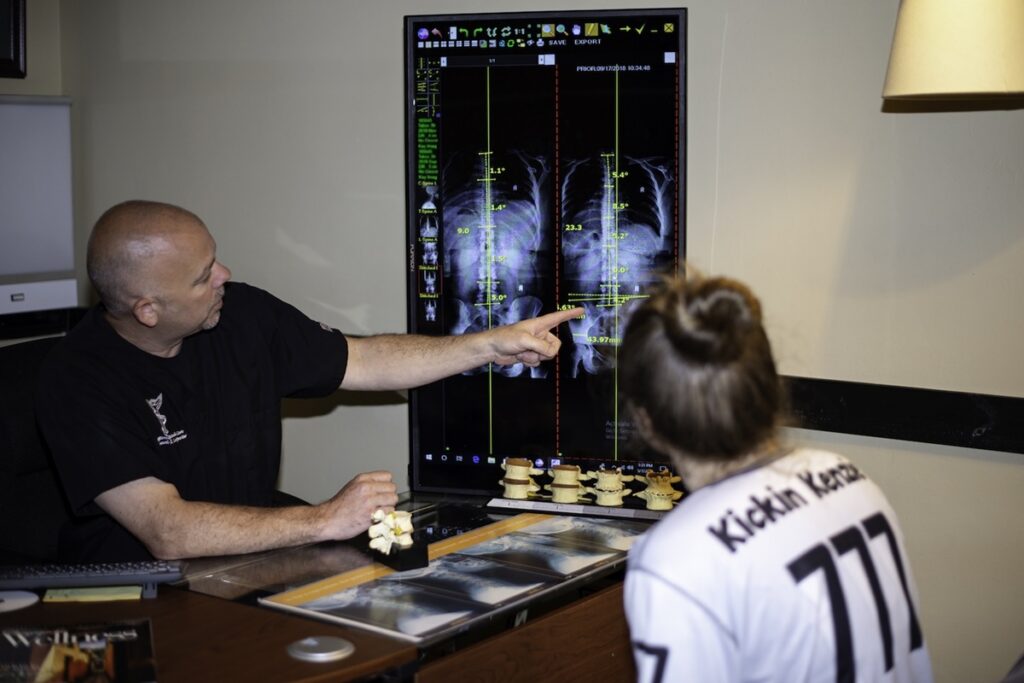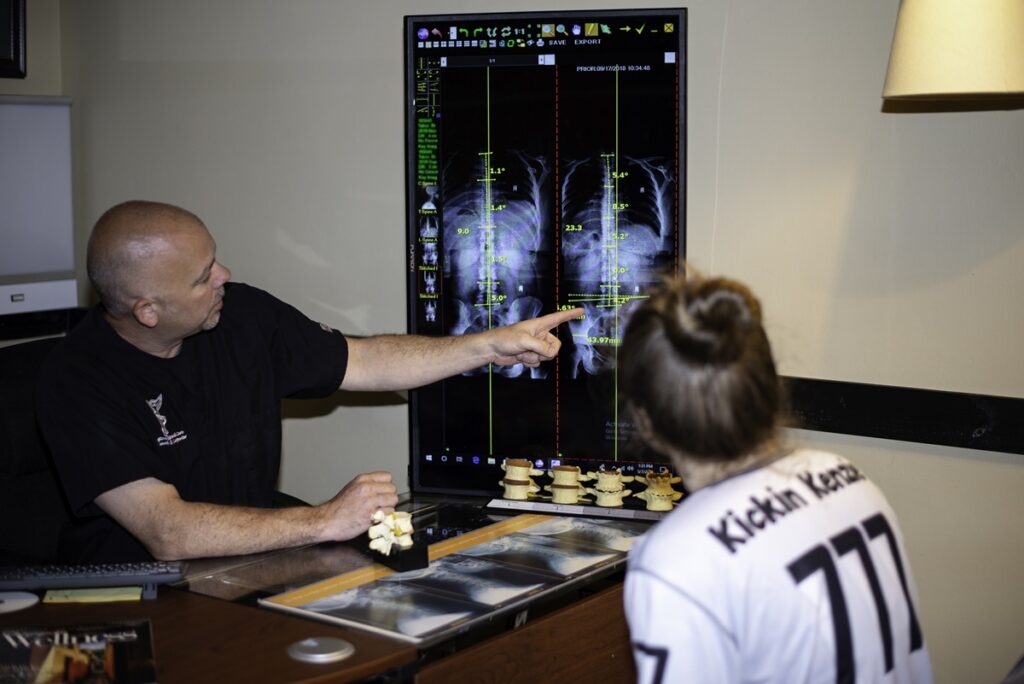
You've probably noticed how adjustments can lead to a significant increase in your mobility and flexibility, but have you ever wondered why that is? When your spine and joints are aligned properly, tension in your muscles and connective tissues decreases, allowing for a greater range of motion. This not only makes movement smoother but also enhances your overall physical performance. Understanding the mechanics behind these changes can provide deeper insights into the benefits of adjustments. What might surprise you is how these principles apply to everyday activities and recovery strategies.
Understanding Mobility and Flexibility
Mobility and flexibility are essential components of physical fitness, and understanding their differences can enhance your overall performance.
Mobility refers to your ability to move freely and easily through a range of motion in your joints. It involves not just the muscles, but also the nervous system, connective tissues, and joint structures. When you work on mobility, you're improving your body's capability to perform dynamic movements, which is vital for athletic performance and everyday activities.
On the other hand, flexibility focuses specifically on the length of your muscles and tendons. It's about how far a muscle can stretch without causing injury. While flexibility is important, it's only one piece of the puzzle. You can be flexible but still lack mobility, which can limit your functional movements. For example, you might be able to touch your toes (flexibility) but struggle to squat properly (mobility).
To improve your overall fitness, you need to address both aspects. Incorporate mobility exercises like dynamic stretches and joint movements to enhance your range of motion.
At the same time, include static stretching to work on your flexibility. By doing this, you'll not only reduce the risk of injury but also improve your strength, balance, and coordination.
Understanding how mobility and flexibility interact empowers you to tailor your workouts effectively, leading to better performance in sports and daily life.
The Role of Adjustments
To maximize your fitness gains, making adjustments in your training routine can greatly enhance both mobility and flexibility. These adjustments play a vital role in guaranteeing that your body functions at its best, allowing you to perform exercises more effectively and with less risk of injury.
By modifying your approach, you can access new levels of performance and comfort.
Here are some key adjustments you might consider:
- Incorporating Dynamic Stretching: Integrate dynamic stretches before workouts to prepare your muscles and joints for action.
- Varying Your Exercise Intensity: Alternate between high and low-intensity sessions to promote recovery and improve overall flexibility.
- Focusing on Weak Points: Identify any areas where you lack mobility and target those with specific stretches and movements.
- Adjusting Body Mechanics: Pay attention to your form and technique to guarantee your body moves efficiently through its full range of motion.
Making these adjustments not only helps improve your mobility and flexibility but also fosters a deeper connection with your body.
You'll find that as you become more aware of your movements, you can better tune your routine to fit your individual needs. Listening to your body during workouts is essential for growth, so don't hesitate to tweak your approach as necessary.
Benefits of Chiropractic Care
Chiropractic care often provides significant benefits for enhancing your overall well-being and physical performance. By addressing misalignments in your spine and joints, chiropractic adjustments can help restore proper function, leading to improved mobility and flexibility. This realignment reduces tension in your muscles and alleviates discomfort, allowing you to move more freely.
One of the most notable benefits of chiropractic care is pain relief. Many individuals experience chronic pain due to poor posture, repetitive movements, or injuries. Regular adjustments can target the source of this pain, helping you manage it more effectively without relying solely on medication. You'll likely find that you can engage in daily activities with greater ease and less discomfort.
In addition to pain management, chiropractic care can boost your athletic performance. Whether you're a weekend warrior or a professional athlete, maintaining ideal spinal alignment is essential. Adjustments can enhance your body's biomechanics, improving your strength, balance, and coordination. You might notice a significant improvement in your endurance and overall performance in sports and exercise.
Furthermore, chiropractic care promotes better posture and reduces the risk of future injuries. By developing a care routine that includes regular adjustments, you're investing in your long-term health. You'll not only feel better but also gain a deeper understanding of your body's mechanics, enabling you to make healthier lifestyle choices.
Ultimately, chiropractic care empowers you to live an active, vibrant life.
Impact of Physical Therapy
Physical therapy plays an essential role in enhancing your mobility through targeted techniques and exercises.
By incorporating stretching exercises, you can improve flexibility and reduce stiffness in your muscles.
Let's explore how these strategies can make a significant difference in your everyday movement.
Techniques for Improved Mobility
Improving mobility often starts with effective physical therapy techniques tailored to your unique needs. These techniques focus on enhancing your range of motion, reducing pain, and building strength.
By working closely with a physical therapist, you can identify the best strategies to optimize your mobility. Here are some key techniques that can help you achieve better movement:
- Manual Therapy: Hands-on techniques that help relieve tension and improve tissue mobility.
- Therapeutic Exercise: Customized exercises designed to strengthen specific muscle groups and enhance function.
- Balance Training: Exercises that improve your stability and coordination, reducing the risk of falls.
- Neuromuscular Re-education: Techniques that help retrain your nervous system to improve movement patterns and coordination.
Incorporating these physical therapy techniques into your routine can have a profound impact on your overall mobility.
By addressing your unique challenges, you'll not only experience improved movement but also increased confidence in your physical abilities.
Role of Stretching Exercises
Stretching exercises play an important role in enhancing flexibility and overall mobility, acting as a bridge between tight muscles and fluid movement. When you incorporate stretching into your routine, you're not just warming up your muscles; you're actively working to improve your range of motion. This increased flexibility helps you perform daily activities with ease and reduces the risk of injuries.
Dynamic stretches, like leg swings and arm circles, prepare your body for movement by increasing blood flow to your muscles. Meanwhile, static stretches, such as hamstring and quadriceps stretches, promote relaxation and lengthen the muscles after activity. You'll notice that consistent stretching can also alleviate muscle tension, which can hinder your mobility.
Moreover, stretching exercises contribute to better posture and alignment, enhancing the effectiveness of other physical therapy techniques. As you stretch, you're encouraging your body to maintain proper alignment, which is vital for ideal movement patterns.
Stretching Techniques and Adjustments
When you incorporate effective stretching techniques into your routine, you not only enhance your mobility but also reduce the risk of injury. Stretching prepares your muscles for activity, improves blood flow, and increases your flexibility.
To get the most out of your stretching, combine different techniques that target various muscle groups.
Here are some key stretching techniques you should consider:
- Static Stretching: Hold a stretch for 15-30 seconds to lengthen the muscle and improve flexibility.
- Dynamic Stretching: Incorporate movement into your stretches to warm up muscles and improve range of motion.
- Proprioceptive Neuromuscular Facilitation (PNF): Involves contracting and relaxing muscles during stretching, which can lead to greater gains in flexibility.
- Active Stretching: Engage the muscles opposite to the ones you're stretching, helping to strengthen them while increasing flexibility.
Integrating these techniques into your routine not only helps maintain flexibility but also aids in muscle recovery post-exercise.
Pay attention to your body and avoid pushing yourself too hard, as this can lead to strains or injuries. Adjustments, when done correctly, can amplify the benefits of your stretching routine.
By focusing on your body's needs, you can develop a personalized stretching plan that enhances your overall mobility and flexibility.
Remember to listen to your body, and over time, you'll notice an improvement in your movement quality and a decrease in discomfort during physical activities.
Realignment and Body Mechanics
Realigning your body and understanding mechanics can greatly enhance your mobility and reduce discomfort during movement. When your body is properly aligned, every part works in harmony, allowing for smoother and more efficient movements. You mightn't realize it, but misalignments can create unnecessary tension and strain, leading to discomfort and limiting your range of motion.
Your body's mechanics involve how different parts interact during various activities. For instance, if your hips aren't aligned correctly, you may find that your knees or back compensate, leading to pain or injury over time. By focusing on realignment, you can guarantee that your joints and muscles function at their best. This means paying attention to your posture, whether you're sitting, standing, or moving.
Incorporating adjustments into your routine can help correct imbalances that may have developed due to poor posture or repetitive movements. Think of it as recalibrating a machine; when each part is in the right place, everything runs more smoothly.
Simple practices like maintaining a neutral spine or engaging your core can support your body mechanics. You'll notice that when your body is aligned, you'll move with greater ease, whether you're exercising or just going about your daily tasks.
Ultimately, realigning your body isn't just about comfort; it's about enhancing your overall functionality. By understanding and applying proper body mechanics, you'll experience a newfound freedom in your movements, making every step, bend, or twist feel effortless.
Integrating Adjustments Into Daily Life
Incorporating adjustments into your daily routine can greatly improve your mobility and overall well-being. Making small changes can create a ripple effect on how you feel and move throughout the day.
Here are some effective strategies to integrate adjustments seamlessly into your life:
- Start with posture: Be mindful of how you sit, stand, and walk. Good alignment can prevent discomfort and enhance your overall mobility.
- Use stretching breaks: Set reminders to take short breaks throughout the day to stretch your muscles. Even a few minutes can provide significant relief and flexibility.
- Incorporate movement into tasks: Whether you're doing household chores or running errands, find ways to add more movement. Take the stairs instead of the elevator, or do light stretches while waiting.
- Practice mindfulness: Incorporate breathing exercises or meditation into your routine. This not only helps with mental clarity but also promotes physical relaxation and body awareness.
Conclusion
Incorporating adjustments into your routine can greatly enhance your mobility and flexibility. By realigning your spine and joints, you're not only reducing tension in your muscles but also improving your overall body mechanics. This leads to smoother movements and better posture, essential for daily activities and physical performance. Embracing chiropractic care alongside stretching techniques can help you maintain ideal alignment, making it easier to stay active and injury-free in your daily life.