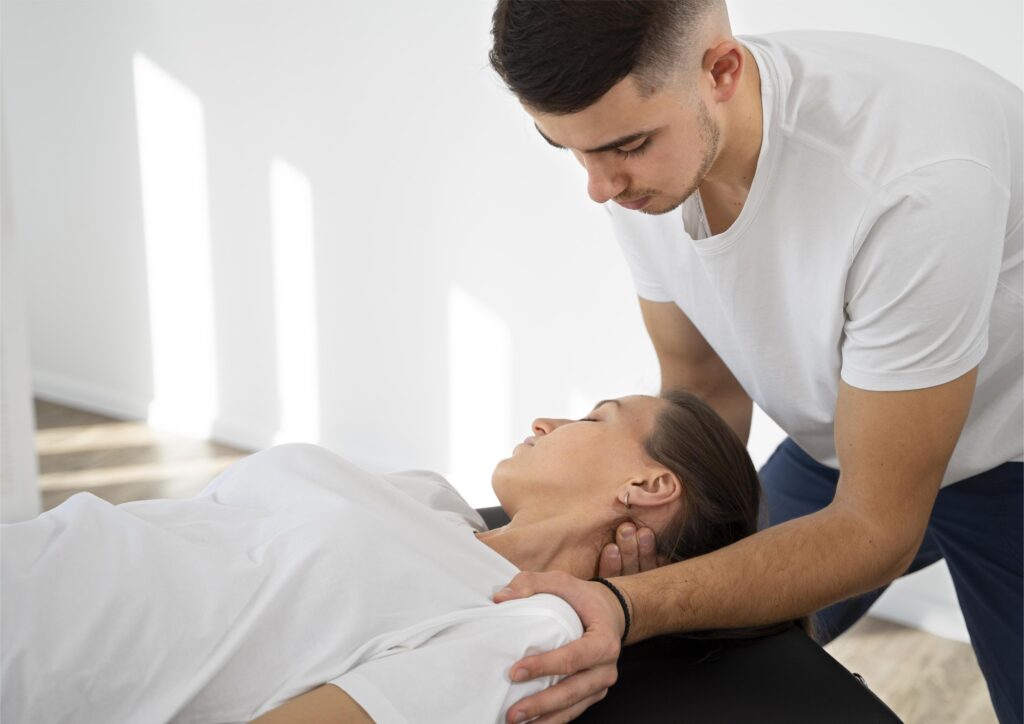
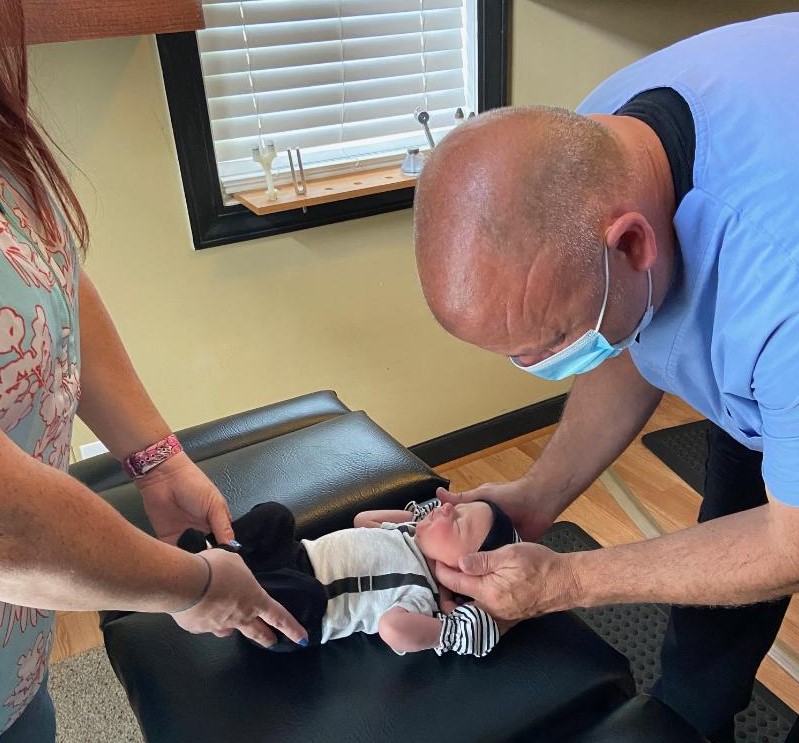
As a local chiropractor, I want to share with you the importance of soft techniques in the recovery process for neck injuries. Many people underestimate the effectiveness of methods such as myofascial release and gentle stretching. These techniques can significantly alleviate pain and improve mobility by tapping into your body's natural healing abilities.
By enhancing circulation and reducing muscle tension, these approaches not only promote recovery but also empower you to take an active role in your health. It's crucial to understand how these techniques work and when it's appropriate to seek professional guidance. If you're curious about specific methods and the unique benefits they offer, I'm here to help you navigate your healing journey!
Understanding Soft Techniques
As a local chiropractor, I want to share some insights about treating neck injuries using soft techniques. These approaches can significantly improve your healing process by focusing on gentle manipulation, which promotes recovery without adding strain or discomfort to your neck.
You may be surprised to learn that soft techniques include various methods such as myofascial release, gentle stretching, and soft tissue mobilization, all designed to enhance circulation, alleviate muscle tension, and improve mobility in the affected area.
One of the key principles of soft techniques is their emphasis on the body's natural healing abilities. For example, myofascial release specifically targets the connective tissues in your neck, helping to relieve tension and discomfort. By applying gentle pressure to certain points, we can effectively release restrictions, leading to a sense of relief.
Gentle stretching is another important aspect; it helps maintain flexibility and promotes an optimal range of motion. Incorporating these stretches into your daily routine can be incredibly beneficial, as they're easy to perform and can be customized to meet your individual needs.
Soft tissue mobilization is a skilled hands-on technique that focuses on the muscles and fascia surrounding your neck. Many patients find these techniques particularly useful for breaking up adhesions or knots that may be contributing to their pain.
Benefits of Soft Techniques
As a local chiropractor, I want to share with you the incredible benefits of using soft techniques for neck injuries.
Many patients have found that these gentle methods can lead to significant pain relief. Not only do they help alleviate discomfort, but they also improve your mobility, allowing for greater freedom of movement.
By integrating these soft techniques into your care routine, you may notice a remarkable improvement in your overall neck health. It's a natural approach that focuses on healing and restoring balance in your body.
If you're curious about how these methods can work for you, I encourage you to explore the options available in chiropractic care.
Pain Relief Methods
As your local chiropractor, I want to share with you some effective pain relief methods specifically designed for neck injuries. These soft techniques prioritize gentle manipulation and relaxation, which can significantly enhance your recovery process.
Not only do these approaches help alleviate discomfort, but they also foster a soothing experience that can help you regain your sense of well-being.
- Gentle Massage: Our skilled practitioners use gentle massage techniques to release tight muscles in your neck. This not only alleviates tension but also improves blood flow, promoting healing.
- Heat Therapy: Applying a heat pack can do wonders for stiff muscles. The comforting warmth helps to relax these muscles and soothe discomfort, making it an excellent addition to your recovery routine.
- Cold Therapy: For instances of inflammation or sharp pain, cold packs can provide invigorating relief. They work by numbing the area and reducing swelling, which can be particularly helpful post-injury.
- Stretching Exercises: We encourage gentle stretching exercises to promote flexibility in your neck. These stretches help release built-up tension and can be easily integrated into your daily routine for ongoing relief.
- Breathing Techniques: Don't underestimate the power of your breath. Practicing deep breathing can calm your mind and reduce the perception of pain, significantly enhancing your comfort during the healing process.
By incorporating these natural healing methods, you can take proactive steps toward recovery and improved well-being.
If you have any questions or would like to explore these techniques further, feel free to reach out during your next visit!
Improved Mobility Techniques
As a local chiropractor, I want to emphasize the importance of improving your mobility, especially when it comes to neck injuries. Utilizing gentle techniques, such as soft tissue manipulation and gentle stretching, can significantly aid in restoring your range of motion while minimizing the risk of aggravating your condition.
When we incorporate these soft techniques into your treatment plan, we encourage healthy blood flow and reduce stiffness in your neck. This can lead to a more flexible and functional neck, making everyday tasks much easier. For example, turning your head to check blind spots while driving or simply looking over your shoulder can become less uncomfortable as your mobility improves.
Moreover, enhancing your mobility has a positive impact on your overall posture, which is crucial in preventing further injuries down the line. Good posture not only supports your neck but also contributes to your overall well-being.
One of the remarkable benefits of these gentle techniques is that they allow you to reconnect with your body. By becoming more aware of how your neck feels during movement, you can identify areas of tension and address them before they escalate into larger issues. This proactive approach not only aids in your recovery but also empowers you to take control of your health and well-being.
Incorporating improved mobility techniques into your recovery routine can pave the way for a more active lifestyle. As you regain confidence and capability, you'll find yourself participating in the activities you love without hesitation.
If you're new to chiropractic care, I invite you to explore these natural healing methods that can make a significant difference in your daily life.
Common Soft Techniques
As your local chiropractor, I want to share some valuable insights about treating neck injuries using gentle, natural techniques. Many people aren't aware of how effective soft techniques can be in promoting healing and relieving pain.
In our practice, we often utilize gentle mobilization techniques that help restore movement and flexibility to the neck. Myofascial release methods are another essential part of our approach, targeting the connective tissue to alleviate tension and discomfort.
Additionally, soft tissue manipulation plays a crucial role in addressing muscle tightness and improving circulation.
By understanding and incorporating these techniques, you can significantly enhance your recovery process. Our goal is to empower you with knowledge of these natural healing methods so that you can experience relief and regain your quality of life.
If you have any questions or would like to know more about how chiropractic care can help you, please don't hesitate to ask!
Gentle Mobilization Techniques
As a local chiropractor, I want to emphasize the importance of gentle mobilization techniques in your recovery from neck injuries.
These methods are designed to enhance flexibility and reduce stiffness, which are crucial for healing. By moving your neck in a controlled and gentle manner, we can work together to restore your range of motion and alleviate discomfort.
Incorporating these gentle movements into your routine can significantly aid your body's natural healing process.
Here are some gentle mobilization techniques that I recommend you try:
- Neck Tilts: Slowly tilt your head to one side and hold for a few seconds before switching to the other side. This simple movement helps to loosen tight muscles.
- Chin Tucks: Gently draw your chin toward your chest, which stretches the muscles in the back of your neck. This technique can help improve posture as well.
- Shoulder Rolls: Roll your shoulders forward and backward in a circular motion. This not only releases tension in your neck but also promotes relaxation throughout your upper body.
- Gentle Head Rotations: Turn your head slowly from side to side, ensuring you don't push through any pain. This movement helps maintain mobility and reduces stiffness.
- Scalene Stretch: Sit up straight and lean your head to one side. You should feel a gentle stretch along the opposite side of your neck, which can be beneficial for tight scalene muscles.
Regular practice of these techniques can significantly enhance your recovery process, making daily activities more comfortable and enjoyable.
If you have any questions or need guidance on these movements, feel free to reach out during your next visit!
Myofascial Release Methods
As a local chiropractor, I want to introduce you to the benefits of myofascial release methods, which are gentle yet effective techniques that can significantly aid in your recovery from neck injuries.
These methods focus on the fascia, the connective tissue that surrounds your muscles, and aim to release tension and restore proper movement that may have been restricted due to injury or stress.
During myofascial release, gentle pressure is applied to specific areas of your neck, allowing the fascia to elongate and facilitating pain relief. You can use your fingertips, hands, or even tools like foam rollers to apply this pressure.
It's crucial to approach this process slowly and mindfully, ensuring that you listen to your body's signals. The key is to relieve tension without adding to your discomfort.
While you can practice myofascial release techniques on your own, working with a trained therapist – like a chiropractor – can greatly enhance your experience.
We're skilled in identifying tight spots and applying targeted techniques tailored to your needs. Regular sessions can significantly improve flexibility, boost blood circulation, and support your overall recovery journey.
By incorporating myofascial release into your wellness routine, you may find it to be a transformative approach for managing neck injuries.
With a proactive mindset and dedication to your healing, you can reduce pain and improve your mobility, helping you return to your everyday activities with greater ease and comfort.
If you're interested in learning more about how myofascial release can benefit you, feel free to reach out!
Soft Tissue Manipulation
As a local chiropractor, I want to introduce you to the concept of soft tissue manipulation, a vital aspect of chiropractic care that can significantly alleviate pain and enhance function in your neck and surrounding areas.
This approach focuses on the muscles, tendons, and ligaments, working to release tension and improve mobility. You may be surprised to discover that gentle pressure and targeted movements can greatly reduce discomfort and foster healing.
Here are some common soft tissue manipulation techniques that I often recommend for my patients:
- Massage Therapy: This involves a skilled therapist using various hands-on techniques to relax tight muscles and boost blood circulation, helping to promote overall wellness.
- Trigger Point Therapy: This specific technique addresses knots within your muscles. By applying focused pressure to these areas, we can relieve pain and tension effectively.
- Myofascial Release: This method involves gentle stretching and pressure applied to the fascia, the connective tissue enveloping your muscles, which helps to release any restrictions and improve your range of motion.
- Craniosacral Therapy: A gentle technique that targets the skull and spine, this therapy promotes relaxation and alleviates tension in the neck region, contributing to overall balance in the body.
- Strain-Counterstrain: This passive technique positions the body in a way that minimizes strain on sensitive points, encouraging pain relief and promoting relaxation.
Incorporating these soft tissue manipulation methods into your recovery routine can lead to significant improvements in your neck health and overall well-being.
If you're curious about how these techniques can benefit you, feel free to reach out for more information or to schedule a consultation.
How Soft Techniques Work
As a local chiropractor, I want to help you understand how soft techniques can be beneficial for neck injuries. These gentle manipulations are designed to alleviate pain and restore mobility by focusing on the soft tissues surrounding your neck, including the muscles, tendons, and ligaments. Through controlled pressure and stretching, these techniques promote relaxation and significantly reduce tension in the affected areas.
When you come in for a treatment session, I typically start with a light touch or gentle pressure. This gradual approach allows your body to ease into the manipulation process comfortably. As your muscles begin to relax, I can then apply deeper pressure or gentle stretches to target specific points of tension. This not only helps to relieve pain but also enhances blood circulation, which is crucial for delivering essential nutrients to the injured tissues.
One of the key benefits of soft techniques is their ability to improve your range of motion. As tension decreases and flexibility increases, you'll find it much easier to move your neck without discomfort. This improvement is vital for your overall recovery, as maintaining mobility can help prevent further injuries and promote healing.
Additionally, soft techniques often incorporate elements of mindfulness and body awareness. By focusing on the sensations in your body during treatment, you can become more attuned to your physical state. This awareness can empower you to identify areas of tension or discomfort in your daily life, enabling you to make necessary adjustments and support your ongoing recovery.
Ultimately, soft techniques offer a holistic approach to healing neck injuries, addressing both the physical and emotional aspects of your recovery journey. If you're looking for a natural way to heal and regain mobility, I encourage you to consider these techniques as part of your chiropractic care.
Incorporating Techniques in Recovery
As a local chiropractor, I want to share how incorporating gentle techniques into your recovery plan can significantly enhance your healing journey.
These methods are designed not only to relieve discomfort but also to help your body regain balance and promote flexibility in a natural way. Each technique is tailored to meet your individual needs during recovery.
Here are some effective ways to integrate these gentle approaches into your daily life:
- Gentle stretching: Engage in slow, controlled movements to alleviate stiffness and improve your range of motion. Think of your muscles gradually loosening up, much like a rubber band regaining its elasticity.
- Heat therapy: Consider using a warm compress or heating pad to relax tight muscles. Imagine the soothing warmth wrapping around your neck and shoulders, gently melting away any tension you may be holding.
- Mindfulness meditation: Dedicate a few minutes each day to focus on your breathing and be present in the moment. Envision a peaceful landscape, allowing any stress or worries to drift away as you center your mind.
- Light massage: Use your fingertips to apply gentle pressure to areas like your neck and shoulders. Visualize the knots in your muscles slowly unwinding, releasing built-up tension under your touch.
- Restorative yoga: Incorporate poses that emphasize relaxation and gentle stretching into your routine. Picture yourself flowing gracefully through each pose, feeling supported and grounded by the earth beneath you.
These gentle techniques can be a wonderful complement to your chiropractic care, helping you to heal more effectively and enjoy a more balanced life.
If you have any questions or would like to learn more about how these methods can benefit you, feel free to reach out!
Precautions and Considerations
As a local chiropractor, I want to emphasize the importance of prioritizing your safety and listening to your body when dealing with neck injuries. It's essential to consult with a healthcare professional before starting any gentle techniques. This step ensures that your injury isn't severe and that these approaches are safe for your specific situation. Skipping this check can lead to complications and may prolong your recovery.
When you begin to explore gentle techniques for your neck, pay close attention to how your neck responds during and after each exercise or stretch. If you feel any pain or discomfort, it's crucial to stop right away and reassess your method. Applying too much pressure or pushing yourself can worsen your injury. Remember to take it slow and gradually increase the intensity as your neck starts to heal.
Make sure you're in a comfortable position when practicing these techniques. A supportive surface can greatly enhance your experience and effectiveness. Steer clear of any movements that involve twisting or sudden jerking of the neck, as these can be harmful and counterproductive to your recovery.
Additionally, it's vital to be aware of your posture throughout the day. Poor posture can exacerbate neck injuries, so strive to maintain a neutral spine and avoid slumping. Taking regular breaks during extended periods of sitting can also help alleviate tension.
Lastly, don't underestimate the power of relaxation techniques such as deep breathing or meditation. These practices can reduce stress and significantly contribute to your healing process.
Personalizing Your Approach
As a local chiropractor, I want to emphasize the importance of personalizing your approach to neck injury recovery. Each individual's body is different, and recognizing your unique needs can significantly enhance your healing journey.
Begin by assessing your symptoms and how they impact your daily activities. This understanding will help you choose the most effective recovery techniques tailored to your situation.
Here are some gentle methods that I often recommend to my patients, which can be beneficial:
- Gentle stretches: Incorporating simple stretches into your routine can enhance flexibility and alleviate tension in your neck muscles, aiding in recovery.
- Warm compresses: Applying heat to the affected area can help soothe discomfort and improve blood flow, promoting healing.
- Mindfulness practices: Techniques such as meditation or deep breathing exercises can effectively help you manage pain and reduce stress, supporting overall well-being.
- Self-massage: Utilizing your hands or a massage tool can specifically target areas of tension, providing much-needed relief.
- Posture adjustments: Being aware of your posture throughout the day is crucial; it can prevent additional strain on your neck and support a healthier spine.
By implementing these techniques and staying in tune with your body, you can enhance your recovery process and achieve better results.
When to Seek Professional Help
As a local chiropractor, I want to emphasize the importance of recognizing when it's time to seek professional help for a neck injury. If you've sustained a sudden injury from a fall or an accident, I encourage you to consult a healthcare provider without delay. An immediate assessment is vital in preventing further complications and ensuring proper healing.
Even if your neck injury appears minor, please pay attention to any persistent discomfort or the emergence of new symptoms. If you're having difficulty moving your neck, experiencing tingling or numbness in your arms, or noticing weakness in your hands, these could indicate nerve damage that needs prompt evaluation.
It's essential to listen to your body—if something doesn't feel right, it's always wise to err on the side of caution.
If you've tried conservative approaches like gentle stretching, heat therapy, or massage but haven't found relief after a few days, it may be time to consider chiropractic care. As a chiropractor, I specialize in natural healing techniques and can provide tailored treatments to address your specific condition.
Furthermore, if your symptoms are worsening over time or if you start to experience headaches, dizziness, or vision issues, don't hesitate to reach out for help. Early intervention through chiropractic care can significantly enhance your chances of a complete recovery, allowing you to return to your daily activities without the burden of pain or limitations.
Your health is my top priority, and seeking the right care promptly can truly make a difference in your healing journey.
Conclusion
As a local chiropractor, I want to emphasize the importance of incorporating soft techniques for neck injuries into your recovery process. These gentle manipulations focus on enhancing your body's natural healing abilities, which can significantly alleviate pain and improve mobility in your neck.
It's essential to personalize your approach—what works for one person might not work for another. That's why I recommend considering a consultation with a trained therapist who specializes in chiropractic care. Together, we can tailor a treatment plan that best suits your needs.
Always pay attention to what your body is telling you. If something doesn't feel right, don't hesitate to seek professional guidance. With patience and consistency, you'll be well on your way to achieving a healthier and more comfortable neck. Remember, your well-being is our priority, and we're here to support you every step of the way.