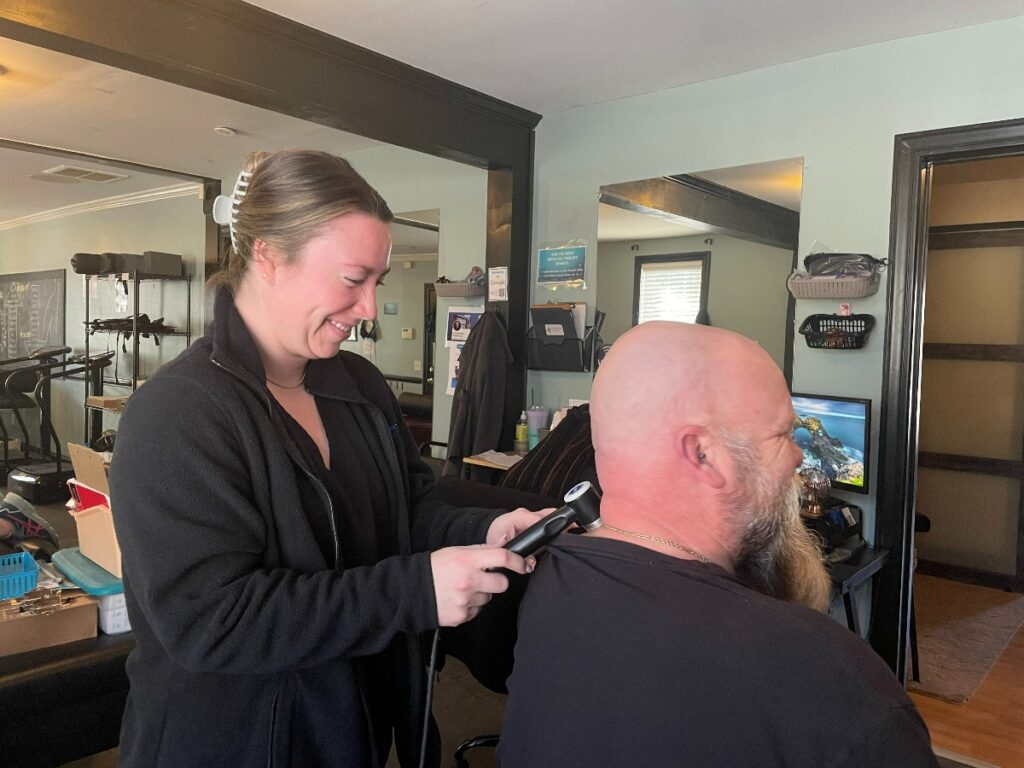
As a local chiropractor, I understand how overwhelming it can feel when you've sustained a neck injury. The discomfort and uncertainty about recovery can be daunting. However, I want to reassure you that gentle techniques can significantly facilitate your journey back to wellness.
Incorporating simple stretching exercises into your routine, along with mindful practices, can be incredibly beneficial. These methods not only improve flexibility but also help in reducing muscle tension in the neck area. By focusing on these gentle approaches, you actively support your body's natural healing process.
If you're wondering what specific techniques to include, we can work together to tailor them to your unique situation. Whether it's gentle neck stretches, postural awareness, or relaxation techniques, I'm here to guide you through each step. Remember, recovery is a journey, and with the right support, you can regain your normalcy and feel better in no time.
Understanding Neck Injuries
As a local chiropractor, I want to help you understand neck injuries and the importance of recognizing their nature for effective recovery. Neck pain can vary widely, from minor muscle strains to more serious conditions like herniated discs or fractures. When you experience discomfort in your neck, it's crucial to distinguish between a simple muscle strain and a more significant issue that may require professional intervention.
Minor strains often occur due to poor posture or sudden movements, resulting in stiffness and mild pain. These issues can usually be addressed with basic self-care techniques such as gentle stretching, heat application, and maintaining proper posture. However, if you notice persistent tightness or discomfort, it might be a sign that your body needs a little extra help.
On the other hand, more severe neck injuries, such as fractures, typically arise from accidents or falls. These can lead to intense pain, swelling, and possibly numbness if nerves are impacted. It's vital to be aware of serious injury signs, such as loss of function, severe headaches, or radiating pain. If you experience any of these symptoms, I urge you to seek immediate medical attention.
Additionally, many patients come to me with recurring neck issues. Previous injuries can lead to chronic pain or instability, which can significantly impact your daily life. Understanding the specific type of injury you're facing is key to determining the best course of action for recovery. Keeping track of your symptoms can provide valuable information when you consult with a healthcare professional.
Ultimately, knowledge about your neck injury empowers you to make informed decisions regarding your treatment options. Chiropractic care focuses on natural healing and restoring proper function to your body. By understanding your condition, you can take meaningful steps toward healing and regaining full function, laying a solid foundation for your recovery journey.
Don't hesitate to reach out for a thorough evaluation, as I'm here to guide you every step of the way.
Importance of Rest and Recovery
As a chiropractor, I want to emphasize the crucial role that rest and recovery play in healing your neck injury.
It's important to recognize that getting proper sleep and paying attention to what your body is telling you can significantly influence how quickly you recover.
By prioritizing these elements, you won't only enhance your healing process but also expedite your return to normal activities.
Healing Time Matters
As a local chiropractor, I want to emphasize the significance of healing time when it comes to neck injuries. I understand that it can be tempting to jump back into your daily activities, but it's crucial to recognize that rushing your recovery can lead to setbacks and prolonged discomfort. Your body requires adequate time to heal and repair any damaged tissues, so prioritizing rest is essential for an effective recovery.
During your healing journey, it's important to listen to your body. If you find yourself experiencing discomfort or pain, don't hesitate to give yourself permission to take a break. Gentle movements or stretches can be beneficial, but it's vital to avoid any activities that may worsen your symptoms.
Remember, recovery isn't solely about the physical aspect; your mental well-being plays a significant role too. Be kind to yourself and take the time to relax and nurture your body.
Incorporating short breaks throughout your day can help alleviate tension and promote healing. You might also consider engaging in light activities that won't strain your neck.
As you begin to feel better, gradually increase your activity level while always being mindful of your body's signals. The more you respect your healing time, the smoother your recovery will be. Together, we can work towards a healthier, pain-free future.
Sleep and Recovery
As a chiropractor, I can't stress enough the importance of quality sleep for your recovery, especially following a neck injury. When you sleep, your body enters a vital repair mode, working diligently to heal tissues, reduce inflammation, and replenish energy levels. If you compromise on sleep, you may inadvertently prolong your recovery and delay the healing process.
To enhance your sleep quality, I recommend establishing a soothing bedtime routine. Consider incorporating activities like reading, meditating, or enjoying a warm bath to help signal to your body that it's time to wind down.
Additionally, ensuring that your sleep environment is comfortable is crucial; using a supportive pillow can help maintain proper neck alignment, which is essential for your healing.
It's also beneficial to maintain a consistent sleep schedule by going to bed and waking up at the same time every day. If you struggle to fall asleep, try relaxation techniques such as deep breathing exercises or gentle neck and shoulder stretches.
These practices can alleviate tension and promote a more restful sleep, ultimately supporting your recovery journey. Remember, prioritizing your sleep is a natural and effective way to foster healing and wellness!
Listen to Your Body
Listening to your body is crucial as you recover from a neck injury, and as your chiropractor, I want to emphasize how important it's to heed those signals during your healing journey. Your body is incredibly intuitive; when you experience pain or discomfort, it's a clear indication that it may need more time to heal or that you might be overexerting yourself.
Take the time to rest when you feel fatigued. Rest isn't a sign of weakness; rather, it's a vital component of the recovery process. If you notice that certain movements exacerbate your pain, it's wise to modify or avoid them until you're ready to try again.
Gentle stretching and mobility exercises can be beneficial, but always listen closely to how your neck responds during these activities.
It's also important to consider your emotional well-being. Feelings of frustration and anxiety can often accompany recovery, and recognizing these emotions can help you manage them effectively. Surrounding yourself with supportive friends and family who understand your journey can be incredibly beneficial.
Ultimately, your body has a unique way of communicating its needs. Prioritize rest and resist the urge to rush through the process. By respecting your limits and adjusting your activities as needed, you can foster a more effective recovery.
Trust your instincts, and remember, healing is a journey that takes time. If you have any questions about how chiropractic care can assist in your recovery, feel free to ask.
Gentle Stretching Techniques
As your local chiropractor, I want to emphasize the importance of incorporating gentle stretching techniques into your routine, especially after focusing on rest and recovery.
These techniques can significantly enhance your neck's flexibility and overall well-being.
Start with simple neck flexibility exercises to help loosen tight muscles. Incorporate shoulder relaxation stretches, which can alleviate tension in the upper body.
Additionally, gentle rotational movements can help improve your range of motion and ease any discomfort.
These straightforward practices can play a crucial role in your healing journey, promoting natural recovery and enhancing your overall health.
Neck Flexibility Exercises
As a chiropractor, I want to emphasize the importance of incorporating gentle neck flexibility exercises into your recovery routine. These exercises can significantly enhance your mobility and alleviate tension in your neck, helping you regain your range of motion and promote relaxation, which is essential for managing discomfort.
To get started, I recommend beginning with simple movements that feel comfortable for you. As you become more familiar with these exercises, you can gradually increase their intensity. Here are some effective neck flexibility exercises to consider:
- Neck Tilts: Slowly lean your head toward one shoulder. You'll feel a gentle stretch along the opposite side of your neck. This movement helps to release tightness and improve flexibility.
- Chin Tucks: Gently draw your chin toward your chest. This action creates more space in the neck area, relieving pressure and promoting better alignment.
- Side Turns: Turn your head to the right and then to the left, holding each position for a few seconds. This exercise stretches the neck muscles and enhances range of motion.
- Shoulder Shrugs: Raise your shoulders toward your ears and then release them back down. This simple action helps to ease tension in both your neck and shoulders.
- Gentle Neck Rolls: Slowly roll your head in a circular motion, which can help to loosen tight areas and promote healthy blood flow.
As you practice these exercises, remember to breathe deeply and pay attention to how your body feels. If you experience any discomfort, don't hesitate to adjust your movements to find what feels best for you.
Consistency is key in your journey to recovery, and these exercises can play an important role in your overall well-being. If you have any questions or need further guidance, please feel free to reach out!
Shoulder Relaxation Stretches
As a local chiropractor, I want to emphasize the importance of shoulder relaxation for easing tension and enhancing your comfort during your neck injury recovery. Many patients may not realize that tight shoulders can contribute to unnecessary strain on the neck, which is why incorporating gentle shoulder relaxation stretches can be incredibly beneficial for your healing process.
Begin by finding a comfortable seated or standing position. Take a deep breath in, and as you exhale, consciously let your shoulders drop away from your ears. Hold this position for a few seconds to really feel the tension release.
Next, let's try a shoulder roll: lift your shoulders towards your ears, then smoothly roll them back and down. Repeat this motion several times; it can work wonders in loosening up those tight muscles and improving blood flow.
Another excellent stretch is the overhead reach. Raise one arm above your head and reach toward the opposite side. This should create a gentle stretch along the side of your neck and shoulder. Hold this position for 15-30 seconds before switching to the other side, allowing each side to benefit equally.
Lastly, consider practicing the seated twist. While maintaining an upright posture, gently twist your torso to one side, using your hand on your knee for support. This movement helps release tightness around your shoulders and upper back.
Remember to focus on your breathing during each stretch; this will help you relax even further and promote a sense of well-being.
Incorporating these stretches into your routine can significantly aid your recovery and overall comfort. If you have any questions or need further guidance, don't hesitate to reach out!
Gentle Rotational Movements
As a chiropractor, I often emphasize the importance of gentle rotational movements in your recovery from neck injuries.
These movements not only help improve flexibility but also significantly reduce stiffness. By incorporating these exercises into your daily routine, you can enhance your mobility and overall well-being.
It's essential to start with slow and controlled rotations to ensure you don't experience discomfort. Here are some gentle movements I recommend:
- Chin Tucks: This involves gently tucking your chin in towards your chest, which stretches the back of your neck. It's a simple yet effective exercise.
- Side-to-Side Turns: Slowly turn your head to the left and then to the right, mimicking a nodding gesture. This can help loosen up the neck muscles.
- Shoulder Shrugs: Raise your shoulders towards your ears and then let them drop down. This movement can effectively release built-up tension in your shoulders and neck.
- Neck Rolls: Carefully roll your head in a circular motion, first clockwise and then counterclockwise. This promotes circulation and flexibility in the neck area.
- Ear-to-Shoulder Stretch: Lean your head towards one shoulder while keeping the opposite shoulder down. This stretch helps alleviate tightness on the side of the neck and should be repeated on both sides.
Always tune in to your body's signals. If any movement causes pain, it's crucial to stop immediately.
I encourage you to practice these movements daily; over time, you'll likely notice gradual improvements that will make your recovery journey smoother and more effective.
Heat and Cold Therapy
As a local chiropractor, I want to share some valuable insights about using heat and cold therapy for neck injuries, especially if you're new to chiropractic care and natural healing methods. Understanding these therapies can significantly enhance your recovery process.
Heat therapy is a fantastic option for relieving muscle tension and stiffness in your neck. When you apply a warm compress or heating pad, it boosts blood circulation in the area, which aids in healing and promotes relaxation. I recommend using heat for about 15-20 minutes at a time. Just ensure that the heat is warm, not too hot, to avoid burns.
It's important to note, however, that if you're experiencing swelling, heat may not be the best choice, as it can potentially worsen the condition.
Conversely, cold therapy is excellent for managing inflammation and numbing sharp pain. By applying an ice pack or a cold compress to your neck, you can constrict blood vessels, which helps reduce swelling and provides relief. I suggest using cold therapy for around 10-15 minutes, and remember to always wrap the ice pack in a cloth to protect your skin from frostbite.
Listening to your body is crucial in finding the right mix of heat and cold therapy. Many patients find that alternating between the two methods offers the best results.
Consistency is key in this process. By incorporating these therapies into your recovery routine, you can help accelerate healing and regain your comfort.
However, if your symptoms persist or worsen, please consult with a healthcare professional for further evaluation. Remember, as your chiropractor, I'm here to support you on your journey to wellness and provide guidance tailored to your needs.
Mindfulness and Relaxation Practices
As a local chiropractor dedicated to your holistic healing journey, I want to emphasize the importance of incorporating mindfulness and relaxation practices into your recovery routine, especially after experiencing a neck injury.
These techniques not only help manage pain and reduce stress but also promote an overall sense of well-being. By being present and mindful, you can cultivate a deeper awareness of your body, which is essential for an effective recovery process.
Here are some valuable practices you can consider to support your healing:
- Deep Breathing: Focus on your breath—observe how it flows in and out. This simple practice can help calm both your mind and body, creating a space for healing.
- Guided Imagery: Picture a peaceful setting, like a serene beach or a tranquil forest. This mental escape can help alleviate stress and promote relaxation.
- Gentle Yoga: Engage in slow, mindful movements that stretch and strengthen your neck and surrounding muscles. This practice can enhance flexibility and support your recovery.
- Progressive Muscle Relaxation: Start from your toes and work your way up to your neck, tensing and then relaxing each muscle group. This technique is effective in releasing built-up tension throughout your body.
- Meditation: Dedicate a few minutes each day to sit quietly, concentrating on your breath or a calming mantra. This practice helps clear your mind and reduce anxiety, fostering a supportive mental environment for healing.
Integrating these mindfulness and relaxation techniques into your routine can significantly enhance your recovery experience. They encourage a positive mindset and help you develop a stronger connection with your body, promoting healing.
As you make these practices a part of your recovery, you may find that your body responds more favorably to chiropractic adjustments and other natural healing methods, ultimately enhancing your overall journey toward wellness.
When to Seek Professional Help
As a local chiropractor, it's important for me to share with you the signs that indicate when it's time to seek professional help for a neck injury. Understanding these signs is crucial for a successful recovery and getting back to your daily activities.
If you're experiencing persistent pain that doesn't seem to improve with rest or home care, it's a clear indication that you should consult a healthcare professional. Acute pain that radiates down your arms or is accompanied by numbness and tingling can signal nerve involvement, which requires immediate attention.
Don't overlook severe headaches or dizziness, especially if they accompany discomfort in your neck. These symptoms may suggest underlying conditions that need thorough evaluation.
If you're finding it difficult to perform everyday activities—like turning your head while driving or looking up—this is a strong sign that your neck injury needs a professional assessment.
Additionally, if you observe swelling or bruising along with your neck pain, it's essential to reach out to a doctor. These signs could point to more significant trauma that might require imaging or other interventions to ensure proper treatment.
If you've tried home remedies such as using ice, applying heat, or gentle stretches without any improvement after a week or two, don't hesitate to contact me.
As a chiropractor, I can offer personalized recommendations that may include adjustments, physical therapy techniques, or other natural healing options tailored to your needs.
Remember, addressing neck pain early can help prevent further complications and set you on the right path to recovery. Your health is a priority, so please listen to your body and seek the professional guidance you deserve when necessary.
I'm here to help you navigate your healing journey with chiropractic care and a holistic approach to your well-being.
Conclusion
As a local chiropractor, I want to share with you the importance of incorporating gentle techniques into your recovery from neck injuries. Prioritizing rest is crucial, as it allows your body to heal effectively. Additionally, practicing simple stretches can help maintain flexibility and reduce tension in your neck. Embracing relaxation methods, such as deep breathing or gentle massage, can also enhance your healing process.
It's essential to listen to your body during this time. If you experience persistent pain or discomfort, I encourage you to seek professional help. Chiropractic care focuses on natural healing and aims to restore balance and mobility to your body. With patience and proper care, you can empower yourself to regain comfort and function in your neck. Remember, your well-being is worth the effort, and we are here to support you on your journey to recovery!