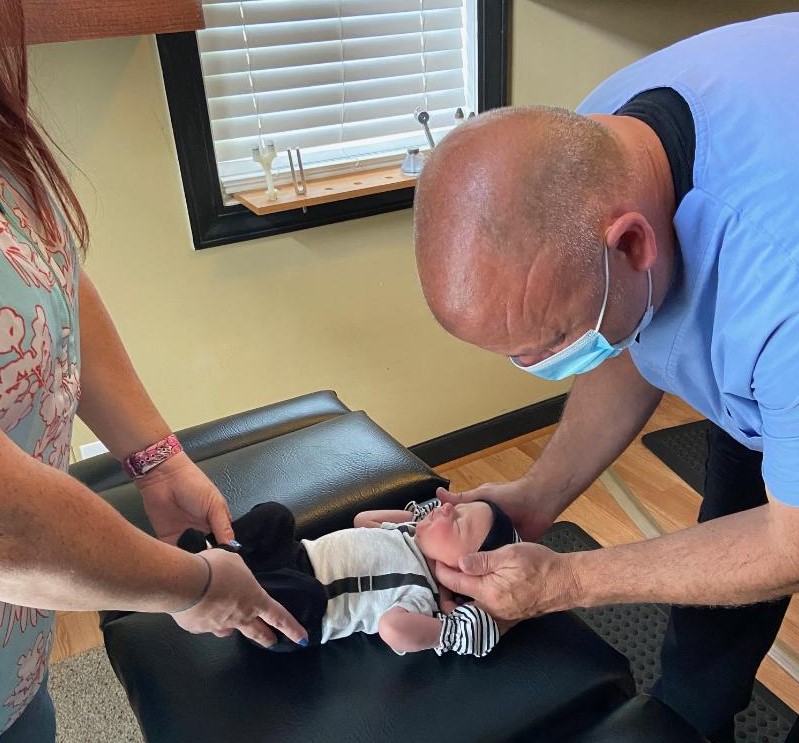
You might not realize how significantly your posture can impact your overall health and productivity. Maintaining good posture is essential for preventing pain and improving your performance in daily activities. As a chiropractor, I believe that correcting your posture is not just about standing up straight; it’s about enhancing your body’s natural alignment and function. To achieve this, we can focus on a few key areas: awareness, exercises, and ergonomic adjustments.
First, developing awareness of your posture throughout the day is crucial. Pay attention to how you sit, stand, and move. Frequent reminders to check in with your body can help you make small adjustments that lead to big changes over time.
Next, incorporating specific exercises into your routine can strengthen the muscles that support good posture. Simple stretches and strength-building exercises can help alleviate tension and build stability in your back and core. For example, try performing wall angels or chin tucks to promote proper alignment.
Finally, making ergonomic adjustments in your workspace can significantly reduce strain on your body. Ensure that your chair supports your lower back, and that your computer screen is at eye level to prevent slouching. Small changes like these can create a more supportive environment for your spine.
Remember, chiropractic care is an excellent resource for achieving optimal health and wellness. Regular adjustments can help align your spine, alleviate pain, and promote better posture. By focusing on these techniques and working with a chiropractor, you can take significant steps toward a healthier, more balanced life.
Key Takeaways
As a chiropractor dedicated to your health and wellness, I want to share some effective techniques for posture correction that can help you achieve optimal spinal alignment and overall well-being. Here are some simple yet powerful tips you can easily incorporate into your daily routine:
- Stay Mindful of Your Posture: Regularly check and adjust your posture throughout the day. Awareness is key! By being conscious of your alignment, you can prevent unnecessary strain on your spine and surrounding muscles.
- Strengthen Your Core: A strong core is essential for maintaining proper posture. Incorporate exercises like planks and bridges into your routine. These exercises not only support your spine but also enhance your stability and balance.
- Create an Ergonomic Workspace: Setting up your workspace ergonomically can make a world of difference. Position your monitor at eye level to avoid straining your neck, and ensure your chair provides adequate support for your lower back. This setup encourages a healthier sitting posture.
- Take Regular Breaks: Remember to take breaks every 30 minutes. Stand up, stretch, and move around. This not only helps relieve tension but also gives you an opportunity to reassess your posture and make necessary adjustments.
- Practice Safe Lifting Techniques: When lifting items, always bend at the knees and keep the load close to your body. This technique minimizes strain on your back and helps protect your spine from injury.
By incorporating these posture correction techniques into your daily life, you can promote better spinal health and overall wellness. Chiropractic care is an excellent option for ongoing support in this journey, helping you achieve pain relief and natural healing. If you’re experiencing discomfort or would like personalized guidance, don’t hesitate to reach out to your local chiropractor for assistance. Together, we can work towards a healthier, pain-free life!
Understanding the Importance of Good Posture
Good posture is essential for a healthy body and mind, and as a chiropractor, I can attest to its profound impact on your overall well-being. When you sit or stand with proper alignment, you help your bones and joints work together effectively. This alignment not only reduces strain on your muscles and ligaments but also plays a crucial role in preventing chronic pain, especially in areas like your back and neck.
In addition to physical comfort, maintaining good posture can elevate your mood and boost your confidence. When you stand tall and hold your body upright, you naturally feel more empowered and self-assured. This can enhance how you interact with others and improve your performance in various activities, whether at work or in your personal life.
One of the lesser-known benefits of proper posture is its positive effect on your breathing. By sitting or standing correctly, you allow your lungs to expand fully, which improves your oxygen intake and energy levels. This simple adjustment can make a significant difference in how you feel throughout the day.
Incorporating good posture into your daily routine is vital for your long-term health and wellness. Here are some practical tips to help you get started:
- Be Mindful of Your Posture: Regularly check in with yourself throughout the day. Are your shoulders back? Is your spine straight? A little awareness goes a long way.
- Strengthen Your Core: A strong core supports your spine. Consider exercises like planks or bridges to help improve your core strength.
- Ergonomic Workspace: If you spend long hours at a desk, ensure your workstation is set up ergonomically. Your chair, keyboard, and monitor should be positioned to promote good posture.
- Take Frequent Breaks: If sitting for long periods, stand up, stretch, and move around every 30 minutes. This helps relieve tension and keeps your body in a healthy alignment.
- Chiropractic Care: Regular visits to your chiropractor can help maintain proper alignment and posture. We can provide personalized adjustments and guidance tailored to your unique needs.
Simple Exercises to Strengthen Posture
To improve your posture, it’s essential to focus on strengthening your core and stretching your upper back. These exercises not only support your spine but also enhance your overall stability, which is vital for maintaining good health.
As a chiropractor, I believe that these simple routines can be easily incorporated into your daily life and can lead to significant improvements in how you feel.
Here are a few exercises you can try:
- Plank: This exercise engages your core muscles and helps stabilize your spine. Start by lying face down, then lift your body up on your forearms and toes, keeping your body in a straight line. Hold this position for as long as you can, aiming for 30 seconds to start.
- Upper Back Stretch: To relieve tension in your upper back, sit or stand tall, and interlace your fingers. Reach your arms out in front of you, rounding your back and tucking your chin to your chest. Hold for 15-30 seconds, and feel the stretch between your shoulder blades.
- Wall Angels: Stand with your back against a wall and your feet about six inches away. Press your lower back, shoulders, and head against the wall. Slowly raise your arms to form a ‘W’ shape, then slide them up to form a ‘Y’ shape, keeping in contact with the wall. This exercise helps open up your chest and strengthen your upper back.
Incorporating these exercises into your routine can significantly enhance your posture and overall well-being.
Remember, regular chiropractic care is also a great way to maintain your spinal health and address any underlying issues that may be contributing to poor posture.
Core Strengthening Exercises
As a chiropractor, I want to emphasize the vital role that core strength plays in maintaining good posture and overall spinal health. Many people underestimate how a strong core can support the spine and prevent issues like slouching or back pain. By incorporating some simple core strengthening exercises into your daily routine, you can make a meaningful impact on your posture and well-being. Here are a few exercises that are easy to integrate into your day:
| Exercise | Description |
|---|---|
| Plank | Position yourself in a push-up stance while keeping your body straight. Aim to hold this position for 30 seconds. This exercise strengthens not only your core but also your shoulders and back. |
| Bridge | Lie flat on your back with your knees bent. Lift your hips towards the ceiling and hold for 10 seconds. This move is great for your lower back and glutes, helping to support your spine better. |
| Bird-Dog | Start on all fours. Extend one arm forward and the opposite leg backward, hold for a moment, then switch sides. This exercise promotes balance and stability while strengthening your core. |
Incorporating these exercises into your routine will not only enhance your core strength but also promote better spinal alignment, making it easier to maintain good posture throughout your daily activities. Remember, a strong core is foundational for a healthy spine, and chiropractic care complements these exercises by ensuring your spine is aligned and functioning optimally. For personalized guidance and support on your wellness journey, consider visiting your local chiropractor. Together, we can achieve your health goals naturally and effectively.
Upper Back Stretches
Upper back stretches are crucial for combating the negative effects of prolonged sitting and poor posture, which can lead to discomfort and spinal misalignment. By incorporating these simple stretches into your daily routine, you can relieve tension, enhance flexibility, and promote better posture—essential components of overall wellness that chiropractic care can support.
One effective stretch is the doorway stretch. To perform this, stand in a doorway, place your arms on the door frame, and lean forward gently. You should feel a pleasant stretch across your chest and shoulders. This stretch not only opens up your upper body but also helps align the spine, making it a great complement to chiropractic adjustments.
Another beneficial stretch is the seated twist. Sit up tall in a chair, place one hand on the back of the chair, and gently rotate your torso while keeping your hips facing forward. This twist helps to mobilize the spine and relieve tension in your back, enhancing your overall spinal health.
For a quick and effective release, raise your arms overhead, interlace your fingers, and lean side to side. This movement stretches the muscles along your upper back and sides, contributing to better spinal alignment.
Regularly practicing these stretches, along with seeking chiropractic care, can significantly improve your posture and alleviate discomfort.
Ergonomic Adjustments for Workspaces
Making ergonomic adjustments in your workspace can significantly improve your comfort, productivity, and overall spinal health. As a chiropractor, I understand the importance of maintaining a healthy posture to prevent pain and enhance your well-being.
Begin by ensuring your chair provides proper support for your lower back. Adjust its height so that your feet rest flat on the floor. If you find your feet dangling, consider using a footrest to maintain that natural alignment.
Your desk height is also crucial; it should allow your elbows to stay at a 90-degree angle while typing. If needed, use a keyboard tray to achieve this position comfortably.
Position your monitor at eye level, about an arm’s length away. This will help reduce strain on your neck and eyes, which can lead to discomfort and tension. For laptop users, investing in a stand to elevate your screen can make a world of difference.
Make it a habit to keep frequently used items within arm’s reach to minimize unnecessary stretching, which can lead to muscle strain.
Lastly, a well-organized workspace promotes easy access to your tools and helps reduce clutter, making your work environment more pleasant and less stressful.
By incorporating these ergonomic adjustments, you can support your posture, alleviate discomfort, and foster a healthier workday.
Mindfulness Techniques for Posture Awareness
To enhance your posture awareness, integrating mindfulness techniques into your daily routine can be incredibly beneficial for your overall health and wellness. As a chiropractor, I believe that maintaining proper posture is essential for spinal health and can help alleviate pain and discomfort.
Start with a daily body scan. Take a moment each day to close your eyes and mentally check in with your body. Pay attention to any areas of tension or discomfort, which can be indicators of poor posture habits. Recognizing these areas is the first step towards improvement.
Next, set reminders throughout your day to pause and assess your alignment. You might use sticky notes on your computer or phone alarms to prompt you to sit or stand tall. Remember to keep your shoulders relaxed and your head aligned with your spine. Good posture supports your spine and can prevent pain down the line.
Incorporate deep breathing exercises into your routine as well. Taking deep, intentional breaths can ground you in the present moment and encourage better posture. Focus on expanding your abdomen with each breath; this not only helps with relaxation but also supports your spine.
Finally, practice mindful walking. Pay attention to how your body moves and the sensations in your muscles and joints. This awareness can enhance your posture over time, making it a natural part of your daily life.
Remember, chiropractic care is a fantastic way to support your posture and overall health. Regular visits can help ensure that your spine is aligned, reducing discomfort and promoting a healthier lifestyle.
The Role of Stretching in Posture Correction
Stretching is a vital component in correcting your posture, as it enhances flexibility and targets those tight muscles that often contribute to misalignment. By incorporating regular stretching into your daily routine, you can effectively alleviate tension and promote a more balanced posture. This not only helps in improving how you stand and move but also supports your overall spinal health.
As a chiropractor, I want to emphasize the importance of maintaining a healthy spine for optimal well-being. When your spine is aligned properly, your body functions better, reducing the risk of pain and discomfort. Stretching can be a fantastic way to support this alignment.
Here are some simple stretching tips you can easily add to your day:
- Neck Stretches: Gently tilt your head from side to side to relieve tension in your neck, helping to counteract the effects of long hours at a desk or looking down at your phone.
- Shoulder Rolls: Roll your shoulders forward and backward to loosen tight muscles that can affect your upper body posture.
- Chest Openers: Stand tall and clasp your hands behind your back, pulling your shoulders back to stretch your chest and promote better upper body alignment.
- Hip Flexor Stretch: If you sit for long periods, stretch your hip flexors by stepping one foot back and bending the front knee, keeping your back leg straight.
- Hamstring Stretch: Keep your legs flexible by reaching for your toes while sitting. This helps maintain proper alignment throughout your lower body.
Remember, while stretching is beneficial, it works best in conjunction with regular chiropractic care. A chiropractor can assess your individual needs, provide targeted adjustments, and guide you on the best stretching exercises for your specific posture challenges.
Embracing both stretching and chiropractic care can lead to lasting improvements in your posture, helping you achieve a healthier, pain-free life.
Importance of Flexibility
While many people emphasize strength training for improving posture, it’s important to remember that flexibility is just as crucial for achieving and maintaining proper alignment. Stretching not only helps prevent tightness but also enhances your range of motion, making it easier to hold good posture throughout your day.
As a chiropractor, I’d like to share three key reasons why flexibility matters and how it relates to your overall health:
- Reduces Muscle Tension: Increased flexibility helps ease stress on your muscles and joints, leading to smoother movements. This can be especially beneficial if you experience discomfort during daily activities. Incorporating gentle stretching into your routine can help alleviate this tension.
- Improves Balance: Greater flexibility contributes to better balance, which is essential for stability in various positions. This can help prevent falls and injuries, particularly as we age. Simple balance exercises combined with stretching can greatly enhance your body awareness and coordination.
- Facilitates Recovery: Stretching plays a vital role in muscle recovery. By incorporating flexibility exercises after physical activities, you can reduce soreness and promote faster healing. This is particularly important if you’re active or engage in regular exercise.
Integrating flexibility exercises into your daily routine won’t only support your posture goals but also contribute to your overall well-being.
Remember, chiropractic care can also help enhance your flexibility and address any underlying issues affecting your posture. Regular adjustments can ensure your spine is aligned, which plays a critical role in your body’s function and mobility.
For healthier living, try to dedicate a few minutes each day to stretching. Focus on areas that feel tight, and consider visiting your chiropractor for personalized guidance on improving your flexibility and overall spinal health.
Targeting Tight Muscles
Tight muscles can significantly impact your posture, which is why it’s important to address them with targeted stretching. As a chiropractor, I encourage you to focus on areas that often become tight, such as the chest, shoulders, and hip flexors.
Simple stretches like doorway stretches for your chest and seated forward bends for your hamstrings can be incredibly beneficial. These movements not only help relieve muscle tension but also promote better spinal alignment.
When stretching, aim to hold each position for at least 15-30 seconds, and remember to breathe deeply. This not only enhances relaxation but also allows the muscles to release more effectively. Regular stretching can improve your flexibility and range of motion, making it much easier to maintain a healthy posture throughout your day.
Incorporating these stretches into your routine is a great step towards counteracting tightness, but remember that chiropractic care is also key in achieving optimal health. Regular adjustments can help maintain spinal alignment, relieve pain, and support your body’s natural ability to heal.
Incorporating Daily Routines
To effectively improve your posture and support your overall spinal health, incorporating stretching into your daily routine is essential. Regular stretching not only helps lengthen tight muscles but also promotes better alignment, which is crucial for preventing discomfort and pain.
Here are three simple stretches you can easily integrate into your day:
- Chest Stretch: Stand tall and clasp your hands behind your back. Gently lift your arms while opening your chest, holding this position for 15 seconds. This stretch can help counteract the hunching that often comes from sitting for long periods.
- Shoulder Blade Squeeze: Whether sitting or standing, keep your arms at your sides. Squeeze your shoulder blades together, holding for 5 seconds, then release. Repeat this 5-10 times. This exercise strengthens the muscles that support your spine and encourages better posture.
- Neck Stretch: Gently tilt your head to one side, holding for 15 seconds, then switch sides. This stretch can alleviate tension that builds up from poor posture or extended periods of screen time.
Incorporating these stretches daily can significantly enhance your posture and overall comfort. Consider setting reminders throughout your day to make these stretches a habit.
Over time, you’ll not only feel the difference in your posture but also experience improved spinal health. Remember, regular chiropractic care complements these practices by ensuring your spine is aligned and functioning optimally, paving the way for natural healing and lasting wellness.
Incorporating Posture-Friendly Habits Into Daily Life
As you navigate your daily life, adopting posture-friendly habits can significantly enhance your well-being and help maintain a healthy spine. I encourage you to start by being aware of your sitting posture. When you’re at your desk, keep your feet flat on the floor and ensure your back is straight against the chair. If you need extra support, a cushion can be a great addition to help maintain that natural curve in your spine.
When standing, aim to distribute your weight evenly on both feet and engage your core muscles. This simple adjustment can help reduce strain on your back and promote better alignment.
It’s essential to incorporate regular breaks into your day to stretch and move around, especially if you’re sitting for extended periods. This not only helps relieve tension but also encourages proper spinal alignment.
When using your smartphone, remember to hold it at eye level. This prevents unnecessary neck strain and helps keep your spine aligned.
During daily tasks, whether you’re cooking or cleaning, make it a habit to bend at your knees rather than your back. This technique protects your spine and reduces the risk of injury.
Lastly, set reminders for yourself—sticky notes on your desk or handy apps can prompt you to check your posture throughout the day. By consciously integrating these habits, you can create a healthier environment for your body and support your overall wellness.
Remember, chiropractic care is a powerful tool for achieving optimal health. It focuses on natural healing and pain relief, allowing your body to function at its best.
Conclusion
By adopting these effective techniques for posture correction, you can significantly enhance your alignment and overall well-being. Regularly assessing your posture is crucial; consider setting reminders throughout the day to check in with your body. Engaging in strengthening exercises, particularly those that target the core and back muscles, can help support your spine and improve your posture over time.
Creating an ergonomic workspace is another key step. Make sure your chair supports your lower back, your computer screen is at eye level, and that you’re keeping your feet flat on the ground. This setup can alleviate strain on your body and help you maintain a more natural posture.
Incorporating regular stretching into your routine is essential for keeping muscles flexible and reducing tension. Simple stretches throughout the day can make a big difference. Additionally, practicing mindfulness can help you stay aware of your posture and remind you to maintain a healthy alignment.
Remember, making these posture-friendly habits part of your daily life not only helps you feel more energized but also boosts your confidence. And for those experiencing discomfort, chiropractic care is an excellent way to address any pain and promote natural healing. A chiropractor can provide personalized adjustments and guidance tailored to your specific needs, helping you achieve optimal health. Start these habits today for a healthier tomorrow!