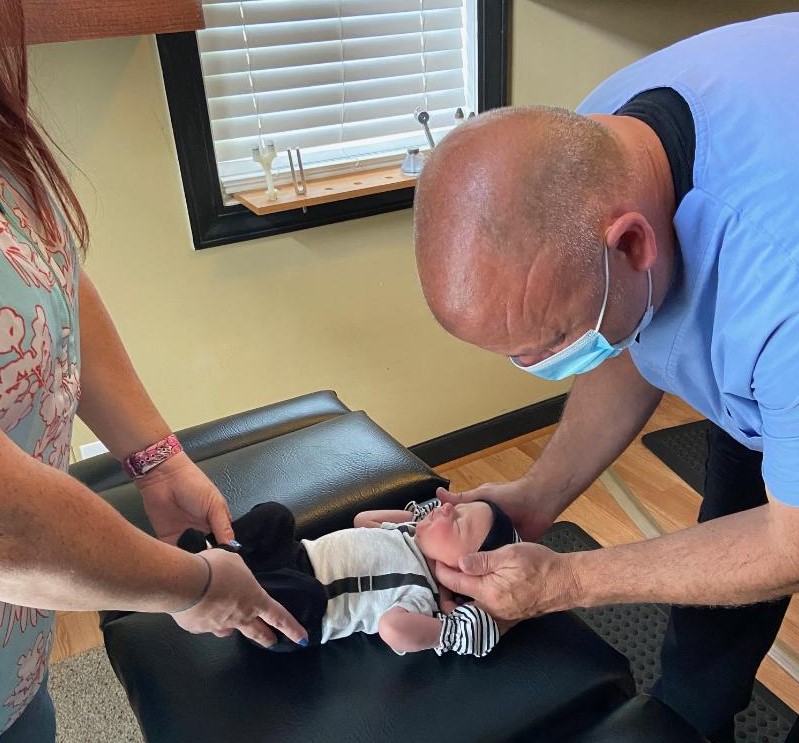
If you’ve ever felt discomfort due to poor posture, you understand how it can impact your daily activities. As a chiropractor, I can tell you that addressing the root causes of this discomfort is key to finding relief and achieving optimal health. Rather than turning to medications or surgeries, consider the natural healing power of chiropractic care.
Simple adjustments in your workspace can make a world of difference. Ensure your chair supports your lower back, and your computer screen is at eye level to prevent strain. Additionally, incorporating gentle exercises and stretches into your routine can help strengthen your muscles and improve your posture over time.
Mindfulness practices, such as being aware of your posture throughout the day, can also aid in developing healthier habits. Regular chiropractic adjustments can further support your spine’s alignment and overall well-being.
So, what’s the first step you should take? Start by scheduling a visit with a chiropractor to assess your posture and discuss personalized strategies for improvement. Embracing these techniques can lead to significant changes in how you feel and function each day!
Key Takeaways
- Adjust your workstation for comfort and support; make sure your desk is at the right height and that you have good lumbar support. This will help keep your spine aligned and reduce discomfort.
- Strengthen your core with simple exercises like planks and wall angels; they can help improve your posture and make everyday movements easier.
- Incorporate daily stretching into your routine to relieve muscle tension and increase flexibility. This not only feels good but can also encourage better spinal alignment over time.
- Practice mindfulness techniques, such as body scan meditation, to become more aware of your body. This can help you maintain good posture throughout your day, whether you’re sitting at a desk or walking around.
- Consider visiting a chiropractor for personalized advice on improving your posture and addressing any specific issues you may have. Chiropractic care focuses on natural healing and can provide you with the tools you need to achieve optimal health and wellness.
Understanding the Importance of Good Posture
Good posture isn’t just about looking confident; it’s a vital component of your overall health and well-being. When you maintain proper alignment, you’re supporting your muscles and joints, which helps reduce strain and discomfort. You might be surprised to learn that good posture can also enhance your breathing and circulation, allowing your body to function more efficiently.
Additionally, when you stand or sit correctly, it can elevate your mood and energy levels. An upright posture can make you feel more alert and focused, boosting your productivity throughout the day.
Conversely, poor posture can lead to a host of problems, including chronic pain and fatigue. By prioritizing good posture, you’re investing in your long-term health. Consider how your daily habits impact your alignment; even small adjustments can lead to significant improvements.
Simple tips like setting reminders to check your posture, using ergonomic furniture, and practicing stretches can make a big difference.
As a chiropractor, I can confidently say that embracing good posture is essential for transforming your physical health and enhancing your quality of life. Chiropractic care is an excellent way to achieve and maintain optimal alignment, ensuring that your body functions at its best.
Common Causes of Poor Posture
While many people understand that good posture is essential for overall health, it’s crucial to recognize the common causes of poor alignment that can develop over time. By identifying these factors, you can take proactive steps to improve your posture and enhance your well-being. As a chiropractor, I want to emphasize the importance of addressing these issues naturally to prevent discomfort and promote a healthier lifestyle.
| Cause | Description | Impact on Posture |
|---|---|---|
| Sedentary Lifestyle | Spending long hours sitting without breaks | Weakens core and back muscles, leading to poor posture. Regular movement and stretching can help combat this. |
| Poor Ergonomics | An incorrectly set up workstation can promote slouching | Encourages misalignment of the spine. Adjust your chair and desk height to maintain a neutral spine position. |
| Smartphone Usage | Constantly looking down at devices can lead to forward head posture | This can strain your neck and upper back. Be mindful of your device usage and practice holding it at eye level. |
| High Heels | Wearing elevated footwear alters your balance | Causes misalignment in the hips and lower back. Opt for supportive footwear when possible to promote better posture. |
| Stress and Tension | Muscle tightness from stress contributes to stiffness and pain | Regular chiropractic care can help alleviate tension and restore balance to your body. Practice relaxation techniques to manage stress levels. |
Simple Exercises to Strengthen Posture
To improve your posture effectively, incorporating simple exercises into your daily routine can make a significant difference, especially when paired with the benefits of chiropractic care.
As a chiropractor, I believe that a strong, well-aligned spine is essential for overall health and wellness. Here are some exercises to help you strengthen your posture naturally.
Start with wall angels: Stand with your back against a wall, arms raised at a 90-degree angle, and slide them up and down while maintaining contact with the wall. This exercise not only strengthens your upper back and shoulders but also encourages proper spinal alignment, which is vital for good posture.
Next, try planks. Hold a plank position for 20 to 30 seconds, ensuring your body is straight from head to heels. Engaging your core with this exercise helps support your spine and can alleviate discomfort, reinforcing the importance of a strong core in maintaining proper posture.
Additionally, practice chest stretches by clasping your hands behind your back and gently pulling your shoulders back. This opens up your chest and counteracts slouching, creating space for your lungs and heart, which is essential for overall well-being.
Regular stretching also complements chiropractic adjustments, as it helps maintain the benefits of realignment.
Finally, incorporate seated rows using a resistance band. Sit tall, pull the band towards you, and squeeze your shoulder blades together. This exercise strengthens the muscles that support your spine, which is crucial for achieving and maintaining good posture.
Remember, these exercises can be a wonderful addition to your routine, but they work best when combined with regular chiropractic care. Together, they can help you develop stronger muscles for better posture and ultimately lead to a more comfortable and healthier life.
Always listen to your body, and if you experience any pain or discomfort, consult with a chiropractor to ensure your spine is aligned and functioning optimally.
Ergonomic Adjustments for Your Workspace
To enhance your posture while working, it’s essential to make some ergonomic adjustments in your workspace that promote spinal health.
Start by ensuring your desk height allows your arms to rest comfortably while typing; this reduces unnecessary strain on your shoulders and neck. A well-adjusted chair plays a crucial role too—choose one that offers solid lumbar support to maintain the natural curve of your spine.
Additionally, positioning your computer screen at eye level is vital. This simple adjustment minimizes neck strain and encourages a more upright posture throughout your workday.
Remember, your body deserves to feel good, and these adjustments can help you avoid discomfort and pain.
Incorporating regular breaks to stand, stretch, and move can also greatly benefit your spine and overall well-being.
Remember that chiropractic care is an excellent choice for those seeking pain relief and improved health naturally, supporting your body’s ability to heal itself.
Desk Height Optimization
Finding the right desk height is essential not just for your comfort but also for your overall spinal health and productivity while working. When your desk is properly adjusted, it can help prevent unnecessary strain on your back and neck, which can lead to discomfort or even chronic pain over time.
Ideally, your desk should allow your elbows to rest at a 90-degree angle when typing. This means you need to adjust your desk height so your wrists remain straight and your hands can float comfortably above the keyboard. If you have an adjustable chair, take the opportunity to raise or lower it to align perfectly with your desk height.
Make sure your feet are flat on the ground or supported by a footrest; this promotes better posture and can help keep your spine in its natural alignment.
Don’t forget to position your monitor at eye level. This simple adjustment can greatly reduce strain on your neck and prevent tension headaches. Regularly check your desk height and make adjustments as needed, especially if you start to feel discomfort.
Remember that an ergonomic workspace is key to maintaining your health and preventing injuries. As a chiropractor, I encourage you to take these steps seriously. Proper desk ergonomics not only enhance your productivity but also support your spine’s health.
If you’re experiencing pain or discomfort, consider visiting your local chiropractor who can help you with natural healing techniques and personalized advice on maintaining a healthy workspace. Small changes can make a significant difference in your overall wellness!
Chair Support Features
While you may not think much about your chair, its support features are crucial for maintaining good posture, especially during those long hours of work. A well-designed ergonomic chair can significantly alleviate discomfort and boost your productivity.
Remember, the foundation of your well-being starts with a healthy spine, and your chair plays a big role in that. Here are some essential support features to consider when choosing a chair:
- Lumbar Support: This feature is vital as it provides lower back support, helping to maintain the natural curve of your spine. Proper lumbar support can prevent misalignments that lead to pain and discomfort, reinforcing the importance of a healthy spine.
- Adjustable Seat Height: Being able to adjust the chair height is important to ensure your feet rest flat on the ground. This not only promotes better posture but also helps to avoid strain on your lower back and legs.
- Armrests: Look for chairs with adjustable armrests. These support your arms and help reduce shoulder strain when typing or using your computer. Keeping your arms at a comfortable height can make a significant difference in how you feel throughout the day.
- Seat Depth Adjustment: A chair that allows you to adjust the seat depth ensures that your back is comfortably against the backrest while keeping your knees at a gentle bend. This helps to prevent any unnecessary pressure on your spine and promotes better circulation in your legs.
In addition to choosing the right chair, here are some general tips for maintaining your spinal health while working:
- Take Frequent Breaks: Stand up, stretch, and move around every 30 minutes. This encourages blood flow and reduces stiffness.
- Practice Good Posture: Keep your feet flat on the floor, shoulders relaxed, and back straight. Your computer screen should be at eye level to avoid neck strain.
- Stay Hydrated: Drinking plenty of water throughout the day can help keep your muscles and tissues healthy, which is essential for overall spinal health.
- Consider Chiropractic Care: Regular visits to a chiropractor can help maintain spinal alignment and promote overall wellness. Chiropractic adjustments can alleviate discomfort and enhance your body’s natural healing processes.
Investing in a chair that supports your spine and practicing healthy habits won’t only improve your comfort at work but also contribute to your overall well-being.
Screen Positioning Guidelines
A well-positioned screen is essential for maintaining good posture and overall spinal health during long hours at your desk. Proper positioning can greatly reduce discomfort and strain on your body, which is why it’s important to pay attention to your monitor’s placement.
Your monitor should be at eye level to prevent unnecessary strain on your neck. Ideally, the top of the screen should align with your eye line or be just slightly below it. This helps keep your neck in a neutral position, which is crucial for spinal health.
Additionally, keep your screen about an arm’s length away. This distance can help minimize eye strain, allowing you to focus comfortably without leaning forward or squinting. Tilt the screen slightly backward to improve visibility and reduce glare, making it easier to see without straining your eyes.
If you use multiple monitors, position them close together and at the same height to maintain a natural line of sight. This is particularly important for avoiding twisting or awkward postures that can lead to discomfort or pain.
Lastly, ensure your screen’s brightness matches the lighting in your environment. A well-lit workspace can prevent squinting and further strain on your eyes.
Mindfulness Techniques for Postural Awareness
To enhance your postural awareness, incorporating mindfulness techniques can be a game changer for your overall health and wellness. Breathing exercises are a fantastic way to connect with your body and become more aware of your posture. As you focus on your breath, you can begin to notice areas of tension or discomfort.
Additionally, practicing a body scan meditation can help you identify any misalignments that may be contributing to pain or discomfort. By tuning into how your body feels in different positions, you can learn to make adjustments that promote better alignment.
Integrating these mindfulness practices into your daily routine can significantly improve your posture and overall well-being. Remember, maintaining proper posture is crucial for spinal health and can prevent pain in the long run.
As a chiropractor, I encourage you to listen to your body and take note of how you hold yourself throughout the day. Here are some simple tips to keep in mind:
- Check Your Alignment: Regularly ask yourself if your shoulders are back and your head is aligned over your spine.
- Take Breaks: If you find yourself sitting for long periods, take a moment to stand up, stretch, and reset your posture.
- Stay Active: Engage in regular physical activity that strengthens your core muscles, as a strong core supports better posture.
- Seek Chiropractic Care: Regular visits to a chiropractor can help ensure that your spine is properly aligned, which is essential for both pain relief and overall health.
Breathing Exercises for Awareness
Three simple breathing exercises can significantly enhance your awareness of posture, an essential aspect of maintaining a healthy spine. By focusing on your breath, you can cultivate mindfulness that helps you recognize and correct your alignment throughout the day. This awareness is vital for preventing discomfort and promoting overall well-being. Here are some effective techniques to try:
- Diaphragmatic Breathing: Take a deep breath in through your nose, allowing your belly to rise as you fill your lungs completely. Exhale slowly through your mouth, letting your belly fall. This type of breathing engages your diaphragm, which can help reduce tension and promote relaxation, essential for maintaining a healthy posture.
- 4-7-8 Breathing: Inhale for 4 seconds, hold your breath for 7 seconds, and then exhale for 8 seconds. This technique not only calms your mind and body but also encourages you to take a moment to check in with your posture. Are your shoulders relaxed? Is your spine aligned?
- Box Breathing: Inhale for 4 seconds, hold for 4, exhale for 4, and hold again for 4. This rhythmic breathing pattern can help center your thoughts and increase your awareness of how you carry your body.
- Mindful Breathing: Focus on the sensations of your breath as it enters and leaves your body. Pay attention to how it feels when you’re slouched versus when you’re standing or sitting up straight. This awareness can help you make conscious adjustments to your posture throughout the day.
Incorporating these techniques into your daily routine can help you stay mindful of your posture, ultimately promoting a healthier spine.
Body Scan Meditation Practice
Body scan meditation is an excellent practice that can greatly enhance your awareness of posture and overall spinal health. By dedicating just a few minutes to focus on your body, you can pinpoint areas of tension and discomfort, which is essential for maintaining a healthy spine.
Begin by finding a quiet space where you can either sit or lie down comfortably. Close your eyes and take a deep breath to center yourself. Start at your toes and pay attention to any sensations you may feel. Gradually move your focus upward through your legs, torso, arms, and head. As you scan each area, consciously release any tension you notice.
This practice not only helps you become more in tune with your body but also encourages a more relaxed state, which is crucial for maintaining good posture. Remember, proper posture is key to spinal health and can prevent a range of issues, including back pain and discomfort.
Incorporating body scan meditation into your daily routine can lead to a greater awareness of how your body holds itself throughout the day. Over time, this awareness can help you make better choices for your health, such as sitting up straight or adjusting your workstation to promote better alignment.
As you work on your body awareness, consider regular chiropractic care as an additional tool for achieving optimal health. Chiropractors specialize in spinal alignment and can provide personalized guidance to help you maintain a healthy posture and relieve tension.
Incorporating Stretching Into Your Daily Routine
While many people view stretching as merely an optional part of their day, as a chiropractor, I want to emphasize its crucial role in enhancing your posture and overall well-being.
Regular stretching not only helps alleviate tension but also increases flexibility and promotes better spinal alignment, which is essential for optimal health.
Here’s how you can seamlessly weave stretching into your daily routine for maximum benefit:
- Morning Wake-Up: Begin your day with gentle stretches. This helps to wake up your muscles and prepare your spine for the day ahead. Think of it as a natural way to invigorate your body and enhance your energy levels.
- Desk Breaks: If you spend a lot of time at a desk, it’s vital to take short breaks every hour. Stand up and stretch your neck, shoulders, and back. This simple practice can help prevent stiffness and discomfort, which are common issues for those who sit for long periods.
- Evening Wind Down: Incorporate stretching into your evening routine. This is a great way to relax your body and mind after a busy day. Focus on gentle stretches that release tension in your back and neck, preparing your body for a restful night’s sleep.
- Before Bed: Spend a few minutes stretching your legs and back before you turn in for the night. This can help promote restful sleep by alleviating any tightness that may have built up throughout the day, allowing you to wake up feeling refreshed.
Remember, regular stretching complements chiropractic care beautifully.
By maintaining flexibility and proper alignment, you can enhance the healing process and support your overall wellness journey.
If you’re experiencing pain or discomfort, consider visiting a chiropractor who can provide personalized care and guidance tailored to your needs.
Your path to optimal health starts with simple, everyday choices like stretching!
Conclusion
Incorporating these reliable techniques can significantly enhance your posture and alleviate pain. As a chiropractor, I want to emphasize the importance of good posture and how it plays a crucial role in your overall health. By making ergonomic adjustments to your workspace, practicing specific exercises, and embracing mindfulness, you can foster better spinal alignment and well-being.
Chiropractic care is a natural and effective way to address posture-related issues. Regular adjustments can help correct misalignments in your spine, which can lead to improved posture and reduced pain. Remember, it’s all about consistency—small, daily changes can lead to substantial improvements over time.
Here are a few simple tips to help you prioritize your posture:
- Ergonomic Setup: Ensure your workspace is set up to promote good posture. Your chair should support your lower back, and your computer screen should be at eye level.
- Take Breaks: If you sit for long periods, take regular breaks to stand up, stretch, and move around. This helps reduce tension and keeps your spine flexible.
- Strengthening Exercises: Engage in exercises that strengthen your core and back muscles. A strong core supports your spine and helps maintain proper alignment.
- Mindfulness Practices: Incorporate mindfulness techniques such as deep breathing or meditation to help you become more aware of your posture throughout the day.
- Regular Chiropractic Visits: Consider scheduling regular chiropractic visits to keep your spine aligned and address any discomfort you may be experiencing.
By prioritizing your posture and integrating these techniques into your routine, you’ll be on your way to a more comfortable, healthier life. Remember, chiropractic care is your best ally in achieving optimal health and natural wellness.