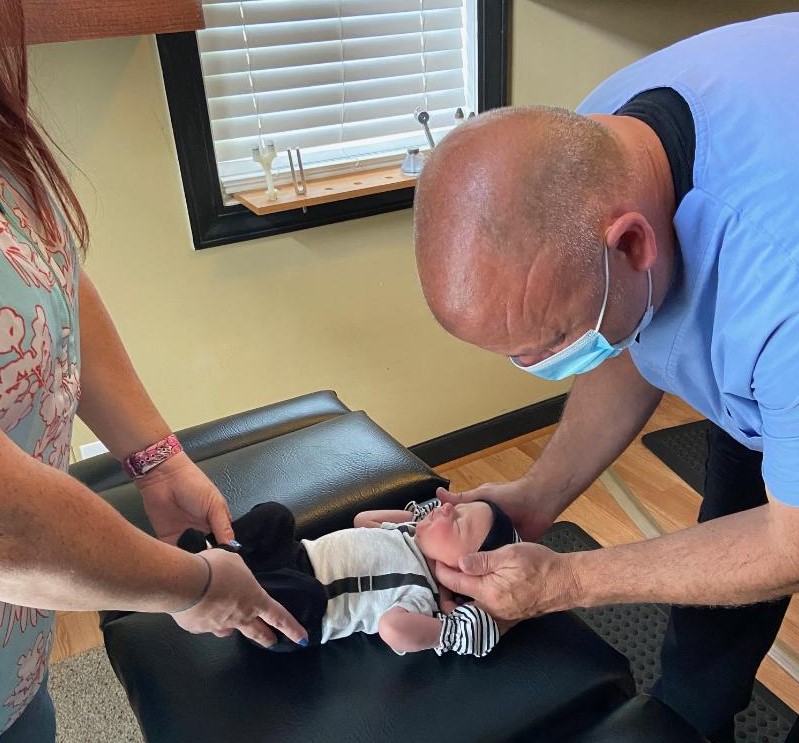
When we talk about achieving peak performance in athletes, many people immediately think of training and conditioning routines. However, as a local chiropractor, I want to emphasize the equally important aspect of injury management in this journey. Effective rehabilitation goes beyond just recovering from an injury; it's about paving the way for a more robust athletic performance and overall well-being.
Understanding common injuries and how to approach them is crucial. Chiropractic care focuses on natural healing methods that can significantly influence an athlete's ability to return to their sport and even improve their performance. By addressing the root causes of pain and dysfunction, we can help athletes not only recover but also enhance their overall athletic capabilities.
So, how can you ensure that the strategies you choose lead to lasting improvements? It's essential to explore a comprehensive treatment plan that may include chiropractic adjustments, rehabilitation exercises, and lifestyle modifications. Let's dive deeper into how these methods can support your journey to peak performance and long-term health.
Understanding Common Sports Injuries
As a local chiropractor, I want to take a moment to discuss the common sports injuries many of you may encounter. It's important to understand these injuries not just for your performance, but also for your overall health and well-being.
One of the most prevalent types of injuries are sprains and strains. A sprain happens when you stretch or tear a ligament, which can lead to sudden pain, swelling, and reduced mobility. On the other hand, a strain involves damage to a muscle or tendon. If you experience these symptoms, seeking chiropractic care can help alleviate pain and restore function.
While fractures are less common, they can occur in high-impact sports. If you're experiencing severe pain and find it difficult to bear weight on an injured limb, it's crucial to consult with a healthcare professional. Chiropractic care can support your healing process and help you regain strength.
Another frequent issue is tendinitis, often the result of repetitive motions in sports. If you notice persistent pain or stiffness in a joint after activity, this may indicate tendinitis. Addressing this condition early with chiropractic treatment can prevent it from becoming chronic and keep you active.
In high-impact sports, be mindful of stress fractures, which are small cracks in your bones that develop over time due to repetitive stress. Early signs include pain during activity that tends to ease with rest. Chiropractic adjustments and supportive therapies can assist in your recovery and prevent further issues.
Lastly, we can't overlook concussions, especially in contact sports. If you experience confusion, dizziness, or headaches following a blow to the head, take it seriously and seek medical attention. Chiropractic care can play a role in your recovery, helping to restore balance and function.
Importance of Early Diagnosis
As a local chiropractor, I want to emphasize the importance of early diagnosis for athletes dealing with injuries.
When you recognize problems in their early stages, it allows for timely intervention, which can prevent further complications.
Additionally, an accurate assessment of your condition enables us to create a personalized recovery plan that aligns with your body's natural healing processes.
By addressing issues early, you not only enhance your chances of a quicker recovery but also support your overall health and wellness.
Timely Intervention Benefits
As a local chiropractor, I want to emphasize the importance of timely intervention when it comes to injuries, especially for athletes. Quick action can significantly influence your recovery journey and help you return to your peak performance levels.
Here are some essential benefits of seeking chiropractic care promptly after an injury:
- Reduced Recovery Time: Early chiropractic treatment can help prevent complications and speed up your healing process, allowing you to get back to your sport sooner.
- Minimized Pain: By addressing your injuries right away, you can often experience less pain and discomfort, making the recovery process much more manageable.
- Prevention of Further Damage: Acting quickly with chiropractic care can prevent your injury from worsening, avoiding more severe issues that could sideline you for longer.
- Improved Performance: Effective management of your injuries through chiropractic adjustments and natural healing techniques can help you maintain your training and ensure your performance stays at its best.
In summary, prioritizing timely chiropractic intervention not only supports your healing but also keeps you competitive in your sport.
Accurate Injury Assessment
As a local chiropractor, I want to emphasize the importance of accurate injury assessment for your recovery journey. When you experience an injury, understanding its nature and severity right from the start is crucial to your healing process. An early diagnosis allows you to grasp what's going on with your body and take the necessary steps towards recovery. Neglecting this essential step can lead to prolonged pain, worsening conditions, and even long-term damage.
In my practice, I perform thorough evaluations that include physical examinations and functional assessments to get to the root of your issue. These assessments are key in pinpointing exactly what's wrong. Once we've clarity on your condition, we can create a personalized rehabilitation plan tailored to your specific needs.
Additionally, accurate assessments help you set realistic recovery timelines. Knowing what to expect keeps you motivated and focused on your healing goals. It also enables effective communication with your coaches, trainers, and teammates about your condition and any limitations you might have.
Effective Rehabilitation Techniques
When it comes to recovering from injuries, effective rehabilitation techniques are crucial for getting you back to your best. As a local chiropractor, I want to share how natural healing methods can support your recovery and prepare your body for the demands of your activities.
Here are four key strategies to consider on your journey to wellness:
- Chiropractic Adjustments: Working with a chiropractor can help realign your spine and joints, which is essential for proper function and healing. These adjustments can improve your overall mobility and reduce pain, allowing your body to heal more efficiently.
- Strengthening Exercises: Incorporating specific exercises to build strength around the injured area is vital. We can create a personalized plan that focuses on muscle support, which not only speeds up recovery but also reduces the risk of future injuries.
- Functional Movement Training: Engaging in movements that mimic the activities you perform in your sport can help you regain confidence and stability. We'll focus on exercises that prepare your body for the demands of your specific activities, ensuring you're ready to compete effectively.
- Natural Pain Relief Techniques: Utilizing natural methods such as ice therapy, heat application, and even techniques like acupuncture can significantly alleviate pain and inflammation. These approaches can be especially beneficial in the early stages of recovery, helping you manage discomfort without relying solely on medication.
By integrating these strategies into your rehabilitation plan, you can promote healing and restore your body's optimal function in a natural and effective way.
Let's work together to get you back to doing what you love!
Role of Nutrition in Recovery
As your local chiropractor, I want to emphasize how vital nutrition is in your recovery journey after an injury.
It's not just about the adjustments and therapies we provide in our office; what you eat and how you hydrate can significantly impact your healing process.
By prioritizing the right balance of macronutrients—such as proteins, carbohydrates, and fats—and ensuring you stay well-hydrated, you can enhance your body's ability to repair itself.
Let's take a closer look at how proper nutrition can support your recovery and help you return to optimal performance.
Macronutrients for Healing
As a local chiropractor, I want to emphasize the importance of proper macronutrient intake in your recovery from athletic injuries. When you prioritize a balanced approach to carbohydrates, proteins, and fats, you can significantly enhance your healing process.
Here's how each macronutrient plays a role in your recovery:
- Carbohydrates: These are essential for providing the energy your body needs to heal. They also help replenish glycogen stores that can become depleted during physical activity. Focus on incorporating complex carbohydrates like whole grains, fruits, and vegetables into your meals.
- Proteins: Proteins are crucial for muscle repair and tissue rebuilding. Including lean protein sources such as chicken, fish, tofu, and legumes in your diet will support your recovery by providing the necessary building blocks for your body.
- Fats: Healthy fats, particularly those found in avocados, nuts, and seeds, play an important role in reducing inflammation and supporting overall cell function. They're an integral part of a balanced diet that contributes to your healing journey.
- Timing: To maximize your recovery, it's beneficial to consume these macronutrients shortly after an injury. Aim for a balanced meal or snack within 30 minutes to an hour post-injury to give your body the nutrients it needs to start the healing process.
By understanding the role of these macronutrients and incorporating them into your diet, you can support your body's natural healing mechanisms and promote a quicker recovery.
If you have any questions about nutrition or how it relates to your chiropractic care, please don't hesitate to ask!
Hydration and Recovery
As your local chiropractor, I want to emphasize that recovery is about more than just your diet; staying hydrated is equally crucial. When you're healing from an injury, your body relies on adequate fluids to function at its best. Hydration is vital for nutrient transport, joint lubrication, and temperature regulation, all of which play a significant role in your recovery process.
Many people overlook the importance of hydration, but dehydration can actually slow down your healing and lead to increased muscle soreness. I encourage you to drink water consistently throughout the day, not just when you're working out. A good indicator of your hydration levels is the color of your urine; light yellow is a sign of proper hydration, while dark yellow means you need to increase your fluid intake.
Additionally, if you've been sweating a lot, it's important to replenish your electrolytes. Incorporating drinks that contain sodium, potassium, and magnesium can support muscle function and help prevent cramping.
Timing your hydration is also essential. Be sure to hydrate before, during, and after any physical activity to maintain optimal performance and aid in recovery.
Mental Resilience in Healing
As a local chiropractor, I want to emphasize the importance of mental resilience when it comes to healing from athletic injuries. While many people often focus solely on the physical aspects of recovery, it's crucial to understand that your mental strength plays a significant role in how quickly and effectively you heal.
Here are some practical strategies to help you build mental resilience during your recovery journey:
- Set Realistic Goals: It can be helpful to break your recovery down into smaller, achievable milestones. By celebrating each small victory, you can maintain your motivation and foster a positive mindset throughout the healing process.
- Practice Mindfulness: Incorporating mindfulness techniques, such as meditation or deep breathing exercises, can significantly reduce anxiety. These practices will help you stay centered and focused on your recovery, allowing for a smoother healing experience.
- Stay Connected: Building a strong support network is vital. Surround yourself with encouraging friends, family, and teammates who understand what you're going through. Sharing your feelings can help you cope more effectively and provide you with the encouragement you need during tough times.
- Visualize Success: Visualization can be a powerful tool in your recovery arsenal. Take time to imagine yourself back in action—picture the movements, the thrill of competition, and the joy of playing again. This mental imagery can enhance your confidence and strengthen your commitment to the healing process.
At our chiropractic clinic, we believe that a holistic approach—addressing both the physical and mental aspects of healing—can lead to better outcomes.
Advanced Therapies and Treatments
Injuries can be particularly challenging, but by combining mental resilience with chiropractic care and natural healing methods, you can significantly enhance your recovery journey. As your local chiropractor, I want to introduce you to a variety of innovative treatments that can facilitate healing and improve your overall performance.
One approach we often recommend is regenerative medicine techniques, such as platelet-rich plasma (PRP) therapy. This cutting-edge treatment involves using your own platelets, injected into the injured area, to promote healing and reduce inflammation. It's a powerful way to harness your body's natural ability to heal.
Physical therapy is another vital component of recovery. Collaborating with a skilled therapist, you can create a tailored program that incorporates specific exercises designed to restore strength, flexibility, and range of motion. Manual therapy is also an essential aspect of chiropractic care; it utilizes hands-on techniques to alleviate pain and improve mobility.
I encourage you to explore cryotherapy as well. This method employs extreme cold to reduce inflammation and muscle soreness, helping you recover faster. For those experiencing chronic pain, we can introduce modalities like electrical stimulation or ultrasound therapy, which can provide significant relief and support your healing process.
Don't underestimate the benefits of massage therapy. It enhances blood flow, reduces tension, and helps you maintain both mental and physical relaxation as you recover.
Additionally, consider incorporating alternative therapies like acupuncture, which many athletes find helpful for pain management and overall wellness.
As your chiropractor, I'm here to guide you through these natural healing options and help you regain your strength and vitality. Your journey to recovery is important, and together, we can explore the best treatments for your unique needs.
Building a Support System
As a local chiropractor, I understand that the journey to recovery can be challenging, and having a strong support system is crucial in this process. Surrounding yourself with the right people can greatly enhance your healing experience.
Here are four essential components to consider when building your support network:
- Family and Friends: Your loved ones are your greatest allies. Their familiarity with your situation allows them to offer emotional support and encouragement, helping you stay motivated during difficult times.
- Healthcare Professionals: It's important to build a relationship with your healthcare team, including chiropractors, physical therapists, and other specialists. We can provide you with tailored advice and a comprehensive plan to facilitate your recovery naturally and effectively.
- Fellow Patients: Connecting with others who've experienced similar challenges can be incredibly beneficial. Sharing insights, coping strategies, and words of encouragement with peers can foster a sense of community and remind you that you aren't alone on this healing journey.
- Mental Health Support: The mental aspect of recovery is just as important as the physical. A mental health professional, such as a counselor or psychologist, can assist you in navigating the emotional hurdles that may arise during your recovery process.
By building a solid support system that encompasses these key components, you can enhance your healing experience and pave the way for a successful recovery.
Preventative Measures for Athletes
As a local chiropractor, I want to emphasize the importance of prevention in maintaining your health and enhancing your performance, whether you're a seasoned athlete or just starting your fitness journey. Incorporating a variety of strategies into your routine can make a significant difference in avoiding injuries and promoting overall well-being.
First and foremost, proper warm-ups are essential. I recommend dedicating at least 10-15 minutes to dynamic stretches and movements specific to your sport. This helps prepare your muscles and joints, reducing the risk of strain or injury.
Listening to your body is crucial. If you experience pain or unusual fatigue, it's important not to ignore these signals. Early intervention can prevent minor issues from developing into serious conditions that require more intensive treatment.
Recovery plays a vital role as well, so ensure you include rest days in your schedule. Active recovery methods, such as yoga or light swimming, can enhance blood flow and facilitate muscle healing.
Cross-training is another effective strategy. By mixing different types of workouts, you can build overall strength and flexibility while minimizing the risk of overuse injuries. Strengthening your core and stabilizing muscles is particularly beneficial; a strong foundation can enhance your performance and provide protection against injuries.
Lastly, don't underestimate the importance of proper gear. Investing in high-quality shoes tailored to your specific activity and replacing them regularly is vital for maintaining support and preventing injuries.
At our chiropractic office, we believe that taking these preventative measures seriously is key to minimizing risks and ensuring you can perform at your best.
Monitoring Progress and Adaptations
As your local chiropractor, I want to emphasize the importance of monitoring your recovery and tracking your healing milestones. This practice is crucial for understanding how well you're progressing on your path to wellness.
By adjusting your treatment plan based on these milestones, we can ensure that you return to full strength in a safe and effective manner.
Listening to your body's responses is key in this process, as it helps us make informed decisions about your recovery journey.
Together, we'll create a tailored approach that supports your natural healing and optimizes your overall health.
Tracking Healing Milestones
Tracking healing milestones is crucial for ensuring a smooth recovery from injuries, especially for athletes. As your local chiropractor, I want to help you understand how monitoring your progress can aid in your healing journey. By focusing on specific milestones, you can adapt your recovery strategies and ensure you're on the right track.
Here are four important milestones to keep in mind:
- Pain Reduction: Each day, take note of your pain levels. A reduction in discomfort is a positive sign that your body is healing. As we work together, I can provide adjustments and therapies that support this process.
- Range of Motion: Regularly assess your flexibility and movement. If you notice improvements in your range of motion, it indicates that the injured area is starting to regain its functionality. Chiropractic care can assist in enhancing mobility through targeted spinal adjustments and soft tissue therapies.
- Strength Gains: Pay attention to your ability to perform specific exercises without pain. If you find that you can engage in activities with increasing strength, it's a clear indicator that you're progressing in your recovery. I'll guide you through exercises that safely strengthen the injured area.
- Functional Performance: Evaluate your ability to return to athletic movements. Successfully completing drills or exercises that mimic your sport is a significant sign of readiness to return to action. Together, we can create a plan that prepares you for a safe return to your activities.
By keeping these milestones in focus, you can maintain a clear vision of your recovery process. Documenting your progress not only motivates you but also provides valuable insights we can use to adjust your rehabilitation plan.
Adjusting Training Programs
As a chiropractor, I want to emphasize the importance of monitoring your recovery milestones to effectively adjust your training programs and support your healing process. By keeping track of your progress, you can gain valuable insight into how your body responds to different activities. This understanding is crucial for tailoring your rehabilitation to avoid re-injury while fostering optimal recovery.
Start by assessing your pain levels, range of motion, and overall strength. If you experience discomfort with certain movements, it's a clear indication that your approach may need modification. I recommend gradually reintroducing exercises that target the affected areas, with a focus on low-impact activities that build strength without putting too much strain on your body.
Utilizing a periodized training model can help ensure a systematic increase in the intensity of your workouts. This structured approach is designed to prevent setbacks while enhancing your overall performance.
It's also essential to set specific, measurable goals that align with your recovery timeline and adjust them as necessary.
Keep an open line of communication with me and other healthcare professionals about your progress. Our insights can guide you in making informed decisions about when to push your limits or when to take a step back.
Returning to Peak Performance
As a local chiropractor, I understand how vital it's for athletes to return to peak performance, especially after experiencing an injury. The road to recovery can be daunting, but with a holistic approach to healing, you can come back stronger than before.
Here are four essential strategies I recommend to support your journey back to your best:
1. Set Realistic Goals: Begin by creating achievable short-term goals that align with your healing process. It's important to recognize and celebrate the small milestones along the way, as these will keep you motivated to continue progressing.
2. Gradual Return to Activity: It's crucial not to rush back into high-intensity workouts. Instead, focus on gradually increasing your training load. Start with low-impact exercises and mobility work to rebuild your strength and flexibility before returning to your previous intensity levels.
3. Listen to Your Body: Your body is an excellent communicator. Pay close attention to any signs of pain or discomfort during your activities. Understanding the difference between normal post-exercise soreness and potential setbacks is key.
Be prepared to adjust your routine if needed to prevent re-injury.
4. Collaborate with Professionals: Working alongside healthcare professionals—like chiropractors, physiotherapists, and sports psychologists—can provide tailored support throughout your recovery.
We can offer expert advice and treatments that focus on your unique needs, helping to optimize your training and accelerate your healing process.
Embracing these strategies will help you navigate your recovery effectively and safely, allowing you to reclaim your competitive edge with confidence.
Conclusion
As a local chiropractor, I want to emphasize how crucial injury management is for athletes striving to reach their peak performance. An early diagnosis, combined with effective rehabilitation, can significantly accelerate your recovery process. It's important to recognize the role that proper nutrition and mental resilience play in healing—these factors are just as vital as physical treatments.
Building a strong support system, including professionals like chiropractors, can help you stay ahead of potential injuries. We focus on natural healing methods that promote your body's innate ability to recover. By incorporating preventative measures into your routine, you can reduce the risk of future injuries. With commitment and the right natural approach, you'll not only recover but may even return to your sport stronger than ever. Let's work together to unlock your full potential!