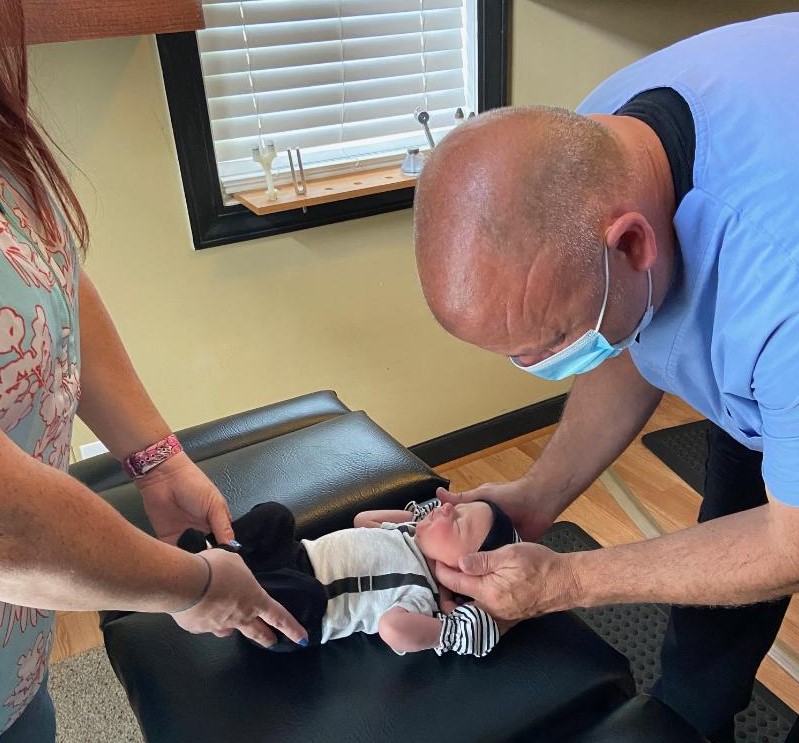
You might be surprised to learn how your physical alignment can influence your mental state. Chiropractic adjustments do more than just relieve discomfort; they can play an essential role in managing anxiety by fostering a sense of calm and stability. When your spine is aligned, you may notice improvements in your posture and overall well-being, which can lead to a clearer mind. But what other techniques can you incorporate to enhance this connection between your body and mind?
Understanding Anxiety and Its Impact
Anxiety affects millions of people worldwide, and its impact can be profound. You might find yourself feeling overwhelmed by a constant sense of worry or tension, often about everyday situations. This pervasive feeling can drain your energy, disrupt your sleep, and interfere with your daily life. You may have noticed that it's not just the mind that suffers; anxiety can manifest physically, causing symptoms like rapid heartbeat, muscle tension, and fatigue.
Understanding anxiety is essential for managing its effects on your life. It's more than just stress; it's a complex emotional response that can stem from various factors, including genetics, brain chemistry, and environmental influences. When anxiety takes hold, it can create a cycle of negative thoughts, leading to avoidance behaviors that further reinforce your fears. You might avoid social situations or certain activities, which can lead to isolation and exacerbate feelings of loneliness.
Moreover, anxiety can affect your relationships and overall quality of life. You may find it challenging to connect with others, as the fear of judgment or misunderstanding weighs heavily on your mind. Recognizing these patterns is the first step toward reclaiming your peace of mind.
The Role of Chiropractic Care
When you're grappling with anxiety, finding effective ways to manage it becomes a priority. One often-overlooked approach is chiropractic care. You might be surprised to learn that chiropractic adjustments can greatly influence your mental well-being. By focusing on your spine and nervous system, chiropractors aim to restore balance and promote peak function throughout your body, which can help alleviate anxiety symptoms.
Chiropractic care works on the premise that misalignments in the spine can lead to nerve interference. When your nervous system is under stress, it can exacerbate feelings of anxiety. Regular adjustments can help correct these misalignments, allowing your body to function more efficiently. By reducing physical tension and discomfort, you may find it easier to manage your stress levels.
Moreover, chiropractic care often incorporates holistic approaches, encouraging lifestyle changes that support mental health. Your chiropractor might guide you in nutrition, exercise, and relaxation techniques, all of which contribute to a more balanced state of mind. This thorough approach can empower you to take control of your anxiety.
Additionally, many patients report feeling an immediate sense of relief and calm after an adjustment. This immediate feedback can reinforce the benefits of chiropractic care, making it a valuable tool in your anxiety management toolkit.
Importance of Posture Correction
Good posture isn't just about looking confident; it plays an essential role in your overall mental health. When you sit or stand up straight, you create a physical environment that fosters a sense of well-being. Slouching, on the other hand, can lead to increased feelings of anxiety and stress. Your body language directly impacts your mood, so when you maintain proper posture, you send positive signals to your brain.
Correcting your posture can also enhance your focus and productivity. When you're aligned properly, your body can function more efficiently, which means you'll have more energy and less fatigue. If you're constantly battling discomfort from poor posture, you might find it hard to concentrate on tasks at hand. By making a conscious effort to sit and stand correctly, you'll likely notice a boost in your ability to tackle challenges.
Moreover, good posture helps with breathing. When you're upright, your lungs have more room to expand, allowing for deeper breaths. This can trigger a relaxation response, reducing anxiety levels. You'll find that taking a moment to correct your posture can lead to a greater sense of calm.
Incorporating posture correction into your daily routine doesn't have to be complicated. Simple adjustments, like setting reminders to check your posture or using ergonomic furniture, can create lasting improvements.
Mindful Movement Techniques
Incorporating mindful movement techniques into your daily routine can greatly enhance your mental well-being. By focusing on the connection between your body and mind, you can reduce anxiety and foster a sense of calm. Start by integrating practices like yoga, tai chi, or even simple stretching exercises. These activities encourage you to be present in the moment, allowing you to tune into your body's sensations and movements.
As you engage in these mindful movements, pay attention to your breath. Deep, intentional breathing helps ground you and promotes relaxation. You might find it helpful to set aside a few minutes each day to practice these techniques. Whether it's a morning stretch or an evening wind-down, consistency is key to reaping the benefits.
Another effective technique is walking meditation. As you walk, focus on each step, the way your feet touch the ground, and the rhythm of your breath. This practice not only calms the mind but also connects you to your surroundings, helping you appreciate the present moment.
Remember to listen to your body. If a movement feels uncomfortable or painful, adjust it accordingly. The goal isn't perfection; it's to cultivate awareness and tranquility.
Integrating Adjustments Into Daily Life
Adjustments play an essential role in managing daily stress and anxiety. By integrating simple adjustments into your routine, you can create a more balanced and calm environment. Start by evaluating your daily habits—what routines contribute to your stress? Maybe it's a chaotic morning or a cluttered workspace. Identify these triggers and make small, manageable changes.
You can begin with your morning routine. Set your alarm just 10 minutes earlier to enjoy a quiet moment before the day starts. Use this time to stretch, meditate, or enjoy a cup of tea. These small adjustments can set a positive tone for your day.
Next, consider how you approach your work or study environment. A tidy workspace can reduce distractions and promote focus. Take a few minutes each day to declutter and organize your space. You'll find that a clean environment helps clear your mind.
Incorporate breaks into your schedule. Short, intentional breaks can help prevent burnout and keep anxiety at bay. Use these moments to practice mindful breathing or take a brief walk. This not only refreshes your mind but also boosts productivity.
Lastly, establish boundaries. Communicate your needs to others, whether it's saying no to additional commitments or setting aside time for self-care.
Conclusion
Incorporating chiropractic adjustments into your routine can be a powerful step toward managing anxiety. By realigning your spine and improving posture, you foster a sense of calm that enhances your overall well-being. Don't forget to pair these adjustments with mindful movement techniques to deepen your relaxation. Embrace this holistic approach, and you'll find that releasing calm becomes an essential part of your daily life, helping you navigate anxiety with greater ease and clarity.