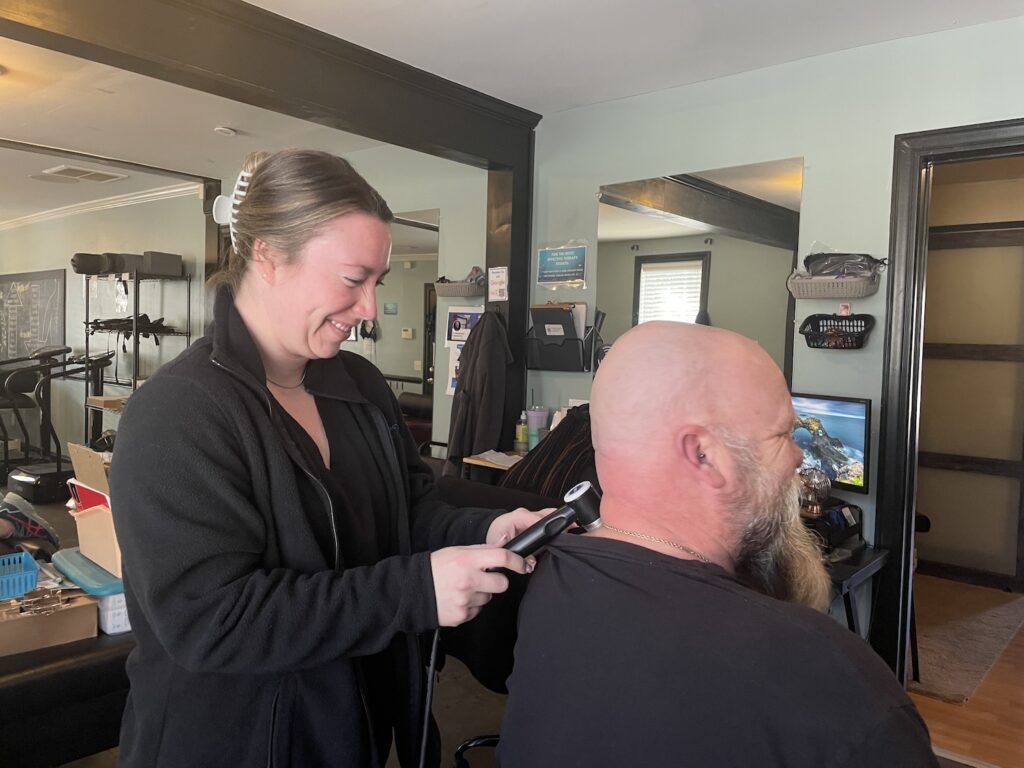
If you're struggling with neck pain, you might feel overwhelmed by the thought of surgery as a solution. Fortunately, there are effective, surgery-free alternatives that can help you find relief. From physical therapy and chiropractic adjustments to mindful practices like yoga, these options focus on addressing the root cause of your discomfort. As you explore these non-invasive methods, you may discover techniques that not only alleviate pain but also promote long-term well-being. Curious about how these approaches can transform your daily life?
Understanding Neck Pain
When it comes to neck pain, understanding its causes and symptoms is essential for finding effective relief. You might experience neck pain due to various factors, such as poor posture, muscle strain, or even stress. Recognizing these triggers can help you take proactive steps toward alleviating the discomfort.
Common symptoms of neck pain include stiffness, a dull ache, or sharp sensations that can radiate to your shoulders or arms. If you find yourself frequently rubbing your neck or having trouble turning your head, it's a sign that something's not right. You may also notice tension headaches or tingling sensations in your arms, which can be related to neck issues.
In your daily life, certain activities can exacerbate neck pain. Spending hours hunched over a computer, cradling your phone between your ear and shoulder, or sleeping in an awkward position can contribute to the problem. Understanding how your habits impact your neck health is vital for making changes that can lead to relief.
Additionally, underlying medical conditions, such as arthritis or herniated discs, can cause neck pain. If you suspect your pain might be linked to a serious issue, it's wise to consult a healthcare professional. They can help you identify the root cause and guide you towards appropriate solutions.
Benefits of Non-Surgical Treatments
When you consider non-surgical treatments for neck pain, you'll find several key benefits that can greatly improve your quality of life.
These options can enhance your mobility and flexibility while reducing pain and discomfort without the hefty price tag of surgery.
Embracing these treatments can lead to a more affordable and effective path to relief.
Enhanced Mobility and Flexibility
Non-surgical treatments for neck pain can greatly enhance your mobility and flexibility. When you engage in targeted exercises and physical therapy, you'll often find that your range of motion improves considerably. These treatments focus on strengthening the muscles supporting your neck and improving overall posture, which can lead to a more agile and functional neck.
Incorporating stretching routines into your daily life can also work wonders. Simple neck stretches can alleviate tightness, allowing you to turn your head more freely. Yoga and pilates are excellent options, as they emphasize flexibility and balance, helping you get back to the activities you love.
Moreover, non-surgical methods like chiropractic care can realign your spine and reduce stiffness, further promoting movement. As you experience increased flexibility, you may notice enhanced performance in everyday tasks, from driving to exercising.
Ultimately, by choosing non-surgical treatments, you're not just seeking temporary relief; you're investing in long-term mobility. This approach empowers you to regain control over your body, allowing you to enjoy life with less restriction and more freedom.
Embrace these solutions, and watch your neck's mobility flourish.
Reduced Pain and Discomfort
Many individuals experience significant reductions in pain and discomfort through non-surgical treatments for neck pain. These methods focus on alleviating your symptoms while enhancing your overall well-being.
You'll likely find that your quality of life improves as you engage in everyday activities without the constant nagging pain.
Here are some benefits you might notice:
- Targeted Physical Therapy: Personalized exercises can strengthen neck muscles, providing support and reducing strain.
- Chiropractic Adjustments: Realigning your spine helps relieve tension, leading to immediate pain reduction.
- Massage Therapy: Therapeutic massages can ease muscle tightness and promote relaxation, allowing you to feel lighter and more at ease.
- Acupuncture: This ancient practice can stimulate nerve pathways, helping to block pain signals and reduce discomfort.
Choosing non-surgical options not only minimizes risks associated with invasive procedures but also empowers you to take an active role in your healing journey.
Cost-Effective Treatment Options
Exploring cost-effective treatment options for neck pain can lead to significant savings while still achieving relief. Many non-surgical treatments aren't only affordable but also highly effective.
Physical therapy is one such option; it helps strengthen your neck muscles and improve flexibility, reducing pain over time. Most insurance plans cover these sessions, making them more accessible.
Chiropractic care is another budget-friendly solution. Regular adjustments can alleviate tension and misalignment, promoting overall neck health. Many chiropractors offer flexible payment plans or packages that can ease the financial burden.
Over-the-counter pain relievers, like ibuprofen or acetaminophen, can provide immediate relief without breaking the bank. When combined with at-home remedies, such as heat therapy or gentle stretching, you can often manage your neck pain effectively.
Additionally, investing in ergonomic furniture can prevent future issues, saving you from costly treatments later on. Simple changes, like adjusting your workstation or using a supportive pillow, can make a big difference.
Physical Therapy Techniques
While neck pain can be debilitating, physical therapy offers effective techniques to alleviate discomfort and improve mobility. By working with a trained physical therapist, you can learn specific exercises and methods tailored to your needs.
These techniques not only help relieve pain but also strengthen your neck muscles and enhance your overall range of motion. Here are four key physical therapy techniques that can make a difference:
- Stretching Exercises: Gentle neck stretches can relieve tension and improve flexibility. Your therapist will guide you through targeted movements to stretch the muscles in your neck and upper back.
- Strengthening Exercises: Building strength in the muscles that support your neck is essential. Your therapist will introduce resistance exercises to help you develop a strong foundation, reducing the risk of future pain.
- Postural Training: Poor posture often contributes to neck pain. A physical therapist will assess your posture and provide strategies to promote better alignment, whether you're sitting at a desk or standing.
- Manual Therapy: This hands-on technique involves the therapist using their hands to manipulate your neck and surrounding areas. It can help alleviate tightness and improve circulation.
Incorporating these physical therapy techniques into your routine can lead to significant improvements in your neck pain.
Chiropractic Adjustments
Chiropractic adjustments can provide relief for neck pain by realigning the spine and improving overall function. When your spine is misaligned, it can lead to tension, discomfort, and restricted movement in your neck. A chiropractor uses specific techniques to adjust your vertebrae, helping to restore balance and mobility.
During your appointment, the chiropractor will first assess your condition through a physical examination and possibly some imaging. This helps them understand the root cause of your neck pain. Once they identify the issues, they'll develop a tailored adjustment plan to address your needs.
Chiropractic adjustments often involve quick, gentle thrusts to the targeted areas of your spine. You may hear some popping or cracking sounds, which is completely normal and often a sign of gas bubbles releasing from your joints. Many people find immediate relief after an adjustment, experiencing reduced pain and improved range of motion.
In addition to adjustments, your chiropractor may recommend exercises and stretches to support your recovery and maintain proper alignment. These recommendations can enhance your overall progress and help prevent future neck pain.
It's essential to communicate openly with your chiropractor about your symptoms and any concerns you may have. This partnership can greatly enhance your treatment experience.
With regular chiropractic care, you're more likely to find lasting relief from your neck pain, allowing you to enjoy your daily activities without discomfort.
Massage Therapy Options
When dealing with neck pain, massage therapy can be an effective option to relieve tension and promote healing. This hands-on approach not only eases discomfort but also helps improve your overall well-being.
Here are four popular massage therapy options you might consider:
- Swedish Massage: This technique uses long, flowing strokes to relax your muscles and enhance circulation. It's great for reducing overall stress and tension in your neck.
- Deep Tissue Massage: If you're dealing with chronic neck pain or tightness, deep tissue massage targets the deeper layers of muscle and connective tissue. It's especially effective for breaking down knots and relieving chronic tension.
- Trigger Point Therapy: This method focuses on specific tight spots within your muscles, known as trigger points. By applying pressure to these areas, you can relieve pain that radiates into your neck and other regions.
- Myofascial Release: This gentle technique aims to release tension in the fascia, the connective tissue surrounding your muscles. It helps restore movement and flexibility, making it a soothing option for neck pain relief.
Incorporating massage therapy into your routine can provide immediate relief and lasting benefits.
Whether you choose to visit a professional or practice self-massage techniques, these options can help you find comfort and restore function to your neck, enhancing your quality of life.
Don't hesitate to explore these avenues for relief!
Stretching and Strengthening Exercises
Incorporating stretching and strengthening exercises into your routine can greatly alleviate neck pain and enhance overall mobility. These exercises not only improve flexibility but also build the muscles that support your neck, reducing strain and discomfort.
Start with gentle stretches to loosen tight muscles. For instance, try the neck tilt: while sitting or standing, gently tilt your head to one side, bringing your ear toward your shoulder. Hold for 15-30 seconds and switch sides. You can also perform neck rotations by slowly turning your head from side to side.
Once you feel more comfortable, add strengthening exercises. Strengthening your neck muscles can provide better support and stability. One effective exercise is the chin tuck. While sitting up straight, tuck your chin in toward your chest, creating a double chin effect. Hold for 5 seconds and release. Repeat this 10-15 times.
Incorporate shoulder shrugs as well; raise your shoulders towards your ears and then relax them down. This helps relieve tension in the neck and upper back. Aim to perform these exercises at least three times a week, gradually increasing the intensity as you build strength.
Always listen to your body; if any movement causes pain, stop immediately. Regularly practicing these stretching and strengthening exercises can lead to significant improvement in neck pain and overall mobility.
You'll likely find that not only does your neck feel better, but your posture and daily activities improve as well.
Hot and Cold Therapy
After you've warmed up your muscles with stretching and strengthening exercises, consider using hot and cold therapy to further relieve neck pain. This simple method can provide immediate comfort and make a significant difference in how you feel.
Hot therapy increases blood flow, relaxes tight muscles, and soothes pain. You can use:
- Heating pads: Place a warm, moist heating pad on your neck for 15-20 minutes to alleviate stiffness.
- Warm towels: Soak a towel in hot water, wring it out, and wrap it around your neck for a gentle, soothing touch.
- Hot baths: Immersing yourself in a warm bath not only relaxes your neck but your entire body, enhancing overall relaxation.
- Warm compresses: Use a warm compress on your neck to target specific pain areas effectively.
On the other hand, cold therapy can reduce inflammation and numb sharp pain. For cold therapy, consider:
- Ice packs: Apply an ice pack wrapped in a cloth to your neck for 15-20 minutes to decrease swelling.
- Cold gel packs: These are convenient and mold easily to the shape of your neck, providing targeted relief.
- Frozen peas: A bag of frozen peas works well—just be sure to wrap it in a thin towel to avoid direct skin contact.
- Cold compresses: Use a cold, wet cloth to soothe your neck after a long day.
Mind-Body Approaches
For many people, integrating mind-body approaches can be a transformative step toward alleviating neck pain. These techniques focus on the connection between your mental and physical states, helping you manage pain more effectively. One popular method is mindfulness meditation. By training yourself to be present and observe your thoughts without judgment, you can reduce stress and tension that may contribute to neck pain.
Another effective approach is yoga. This practice combines physical postures, breathing exercises, and meditation, promoting flexibility and relaxation. Specific yoga poses can help stretch and strengthen the muscles in your neck and shoulders, providing relief from discomfort.
Plus, the emphasis on deep breathing can enhance your overall sense of well-being.
Progressive muscle relaxation is another mind-body technique worth exploring. By systematically tensing and relaxing different muscle groups, you can release physical tension in your neck and upper back. This practice not only alleviates pain but also fosters a deeper connection between your mind and body.
Visualization can also play a significant role in managing neck pain. By picturing a peaceful scene or imagining the pain melting away, you create a mental space that fosters relaxation and healing.
Incorporating these mind-body approaches into your routine can empower you to take control of your neck pain. They promote a holistic view of health, emphasizing the importance of mental well-being in physical recovery.
You might find that by addressing both your mind and body, you can reveal lasting relief from your discomfort.
Lifestyle Modifications for Relief
To find relief from neck pain, you can make simple lifestyle modifications that have a big impact.
Start by setting up an ergonomic workspace, incorporating regular stretching, and practicing mindful posture throughout your day.
These changes not only enhance your comfort but also contribute to long-term neck health.
Ergonomic Workspace Setup
A well-designed workspace can greatly reduce neck pain and enhance your overall comfort while working.
By making a few simple adjustments, you can create an ergonomic setup that supports your body and minimizes strain.
Here are four key elements to reflect on:
- Monitor Height: Position your screen so the top is at or just below eye level. This prevents you from tilting your head up or down, reducing neck strain.
- Chair Support: Choose an adjustable chair that supports your lower back. Your feet should rest flat on the floor, with your knees at a 90-degree angle.
- Keyboard and Mouse Placement: Keep your keyboard and mouse close enough to prevent reaching. They should be at elbow height, allowing your arms to rest comfortably at your sides.
- Lighting: Use adequate lighting to minimize glare on your screen. This helps you maintain focus without straining your neck or eyes.
Regular Stretching Routine
How often do you take a moment to stretch during your day? Incorporating a regular stretching routine can greatly alleviate neck pain and enhance your overall well-being. It doesn't take long—just a few minutes throughout the day can make a big difference.
Start by focusing on your neck and shoulders. Simple stretches like tilting your head from side to side or gently rolling your shoulders can relieve tension. You might also try chin tucks to strengthen your neck muscles. Set reminders to stretch every hour, especially if you spend long periods in front of a screen.
When you stretch, focus on your breath. Inhale deeply as you extend, and exhale as you relax into the stretch. This won't only help release tension but also promote a sense of calm and relaxation.
Additionally, consider incorporating stretches that target your upper back and chest, as tightness in these areas can contribute to neck discomfort.
Consistency is key, so make stretching a part of your daily routine. By dedicating just a few moments to regular stretching, you can open up relief from neck pain and improve your overall quality of life.
Mindful Posture Practices
Maintaining mindful posture throughout your day can greatly impact neck pain relief. When you're aware of your body's alignment, you can reduce strain on your neck and shoulders.
Here are some practical tips to help you maintain better posture:
- Sit up straight: Keep your back against the chair, shoulders relaxed, and feet flat on the floor to create a stable base.
- Screen height: Position your computer monitor at eye level. This way, you won't have to tilt your head down or up, minimizing neck strain.
- Phone placement: Instead of cradling your phone between your shoulder and ear, use a hands-free device or hold it at eye level to keep your neck aligned.
- Mindful walking: When you walk, imagine a string pulling you up from the top of your head, encouraging an upright posture and reducing tension.
Incorporating these mindful posture practices into your daily routine can greatly enhance your neck's comfort.
Conclusion
To sum up, you don't have to resort to surgery for neck pain relief. By exploring non-invasive solutions like physical therapy, chiropractic care, and massage, you can effectively alleviate discomfort. Incorporating stretching, hot and cold therapy, and mind-body practices like yoga can enhance your well-being. Remember, making small lifestyle modifications can lead to significant improvements. Take charge of your health and find the right combination of treatments that work best for you. Relief is within reach!