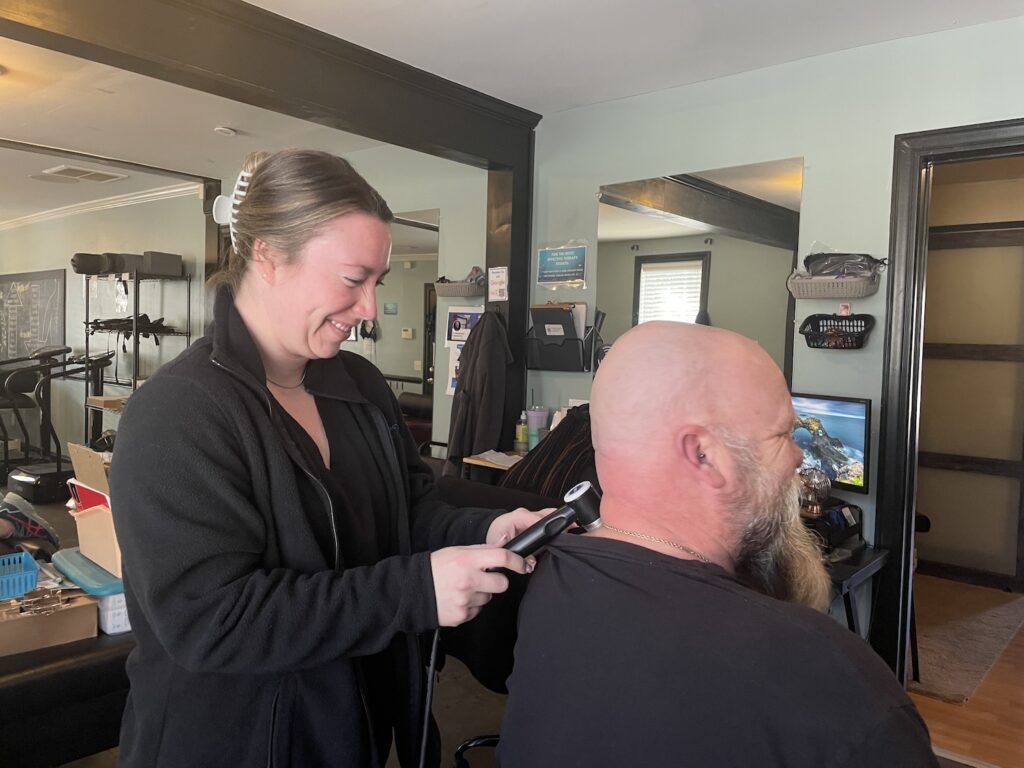
You might not realize how essential spinal alignment is to your overall health and well-being. Misalignments can lead to discomfort and even impact your daily activities. By understanding the fundamental techniques for maintaining proper alignment, such as core strengthening exercises and ergonomic adjustments in your workspace, you could greatly enhance your posture. But there's more to it than just these basics. Exploring effective stretching techniques and the role of regular movement can make a considerable difference. Let's examine how these elements intertwine for a healthier spine and what you can do next.
Understanding Spinal Alignment
When it comes to spinal alignment, you've got to grasp how your spine functions and why it matters. Your spine isn't just a stack of bones; it's a complex structure made up of vertebrae, discs, nerves, and muscles. Each part plays a significant role in supporting your body, allowing movement, and protecting your spinal cord.
When aligned correctly, your spine maintains its natural curves, which helps distribute weight evenly and reduces strain on surrounding muscles and ligaments.
Understanding spinal alignment starts with recognizing these natural curves: cervical, thoracic, and lumbar. Each curve contributes to your overall posture and balance. If these curves are off, it can lead to discomfort or pain.
Think of your spine as a dynamic support system; it's essential for everything from standing tall to bending down.
You mightn't realize it, but your daily habits can impact your spinal alignment. From how you sit at your desk to the way you lift heavy objects, every movement matters. Practicing good posture is key. Keep your shoulders back, your head aligned over your spine, and your feet flat on the ground.
Finally, staying active is crucial for spinal health. Engaging in exercises that strengthen your core can support proper alignment.
Common Causes of Misalignment
Misalignment often stems from everyday habits you mightn't even notice.
Poor posture, a sedentary lifestyle, and previous injuries can all contribute to your spinal issues.
Understanding these common causes is the first step toward improving your spinal health.
Poor Posture Habits
Many people don't realize how their daily habits contribute to poor posture and spinal misalignment. Simple actions, like slouching while sitting or hunching over your phone, can lead to long-term issues. When you sit at a desk, it's easy to fall into the trap of leaning forward, causing your back to curve unnaturally. This consistent strain on your spine can create discomfort and misalignment over time.
Another common habit is wearing unsupportive footwear. High heels, flip-flops, or shoes lacking proper arch support can throw your body off balance, impacting your alignment from the ground up.
Even how you carry your bag can play a role. If you favor one shoulder, you might be creating an imbalance that affects your spine.
Lastly, poor sleeping positions also contribute to misalignment. If you sleep on your stomach or use an inadequate pillow, you may wake up with neck and back discomfort.
Sedentary Lifestyle Effects
A sedentary lifestyle can wreak havoc on your spinal alignment. When you spend long hours sitting, whether at a desk or on the couch, you may start to develop poor posture habits. Your muscles weaken, especially those that support your spine, leading to misalignment. You mightn't even notice it at first, but over time, your spine can shift into an unhealthy position.
Sitting for prolonged periods often causes your pelvis to tilt, which places undue stress on your lower back. This can lead to discomfort and pain, making it harder for you to maintain a neutral spine. Your neck and shoulders can also become affected, as slouching tends to strain these areas.
Moreover, lack of movement can contribute to stiffness in your joints and muscles. When you don't engage in regular physical activity, your body loses its natural flexibility, which is essential for maintaining good spinal health.
To counteract these effects, stand up, stretch, and incorporate movement into your day. Simple adjustments like taking breaks, using an ergonomic chair, or practicing good posture can help realign your spine and promote better overall health.
Injury and Trauma
Injuries and trauma can greatly disrupt your spinal alignment, often leading to long-term discomfort. Whether it's a sports injury, a car accident, or even a fall, these incidents can misalign your spine and impact your overall health. You might experience acute pain immediately after the injury or develop chronic discomfort over time.
When your spine is misaligned, it can put pressure on your nerves, leading to issues such as numbness, tingling, or muscle weakness. You may find daily tasks become increasingly challenging as your body compensates for the misalignment. It's vital to address these injuries promptly and effectively.
Consulting a healthcare professional for a thorough evaluation is essential. They can offer treatment options, including physical therapy, chiropractic care, or targeted exercises aimed at restoring your spinal alignment.
Additionally, practicing good posture and using ergonomic furniture can help prevent further misalignment as you recover.
Effective Stretching Techniques
To improve your spinal alignment, effective stretching techniques are essential.
You'll find that dynamic stretching can warm up your muscles, while static stretching helps increase flexibility.
Incorporating yoga poses into your routine can also enhance your overall spinal health.
Dynamic Stretching Benefits
Dynamic stretching offers numerous benefits that can greatly enhance your workout routine and overall mobility. By incorporating dynamic stretches before your exercises, you prepare your muscles and joints for the physical demands ahead. This proactive approach increases blood flow, elevating your heart rate and warming up your body, which helps prevent injuries.
When you perform dynamic stretches, you engage multiple muscle groups simultaneously, improving your coordination and balance. These movements mimic the actions you'll perform during your workout, making your body more familiar with the motions. This not only boosts your performance but also contributes to better spinal alignment by promoting proper posture.
Additionally, dynamic stretching can enhance your flexibility, allowing for a greater range of motion in your joints. You'll find that this increased flexibility can lead to improved athletic performance, whether you're running, lifting weights, or participating in sports.
Static Stretching Techniques
While dynamic stretching primes your body for activity, static stretching plays an essential role in your post-workout recovery and overall flexibility. By incorporating static stretching into your routine, you'll enhance your spinal alignment and alleviate tension in your muscles.
To effectively perform static stretches, hold each position for at least 15 to 30 seconds. Focus on areas that tend to tighten up, like your hamstrings, hip flexors, and back. For example, try a seated forward bend to stretch your lower back and hamstrings. Sit on the floor, extend your legs, and gently reach toward your toes. Keep your back straight to avoid straining.
Another beneficial stretch is the cat-cow stretch, which can help improve spinal mobility. Start on your hands and knees, arch your back while inhaling, and round it while exhaling. This flow promotes flexibility in your spine and encourages proper alignment.
Remember to breathe deeply during each stretch. This not only relaxes your muscles but also enhances your overall stretching experience.
Incorporating Yoga Poses
Incorporating yoga poses into your stretching routine can greatly enhance your spinal alignment and overall flexibility. Yoga isn't just about relaxation; it's a powerful tool for strengthening your spine and improving posture.
Start with poses like Cat-Cow, which helps mobilize your spine while stretching your back muscles. This dynamic movement encourages flexibility and proper alignment.
Next, try Child's Pose to gently stretch your lower back and hips. This pose allows your spine to lengthen, relieving tension.
Another excellent choice is Downward-Facing Dog, which stretches your entire back while engaging your core. You'll feel the benefits in both your spine and your hamstrings.
Additionally, incorporate Bridge Pose to strengthen your back and glutes, promoting better support for your spine.
Hold each pose for at least five breaths, focusing on your alignment and breathing deeply to maximize the stretch.
Strengthening Core Muscles
Strengthening your core muscles is essential for achieving better spinal alignment and overall stability. Your core acts as a support system for your spine, helping you maintain proper posture and prevent injuries.
When your core is strong, it stabilizes your body during movement, reducing the risk of strain on your back. Here are three effective exercises to enhance your core strength:
- Planks: Start in a push-up position with your arms straight. Keep your body in a straight line from head to heels. Engage your core and hold this position for 30 seconds to a minute. As you get stronger, aim to increase the duration.
- Bridges: Lie on your back with your knees bent and feet flat on the floor. Push through your heels, lift your hips towards the ceiling, and squeeze your glutes. Hold for a few seconds before lowering back down. Repeat for 10-15 reps.
- Dead Bugs: Lie on your back with your arms extended towards the ceiling and your knees bent at 90 degrees. Slowly lower your right arm and left leg towards the ground while keeping your back flat. Return to the starting position and switch sides. Aim for 10-12 repetitions on each side.
Incorporating these exercises into your routine won't only strengthen your core but also support better spinal alignment.
As you build your core strength, you'll notice improvements in your posture and overall stability, making daily activities easier and more enjoyable.
Ergonomic Workspace Adjustments
To maintain better spinal alignment throughout your day, consider making ergonomic adjustments to your workspace.
Start with your chair. It should support your lower back, allowing your feet to rest flat on the ground or on a footrest. Adjust the height so your knees are at or just below hip level. This position helps keep your spine in a neutral posture.
Next, focus on your desk height. Your elbows should form a 90-degree angle when typing, with your wrists relaxed and not bent. If your desk isn't adjustable, using a keyboard tray can help achieve the right height.
Also, position your monitor at eye level, about an arm's length away. This will prevent you from straining your neck while you work.
Don't forget about your mouse! It should be close enough to your keyboard so you can use it without stretching. Consider an ergonomic mouse that fits comfortably in your hand.
Lighting is another essential factor. Make certain your workspace is well-lit to minimize glare on your screen, which can lead to awkward head positions and eye strain.
Finally, keep frequently used items within easy reach to avoid twisting your body. An organized workspace not only promotes better spinal alignment but also enhances productivity.
Importance of Regular Movement
Amidst long hours of sitting, the importance of regular movement can't be overstated. Your spine is designed to be mobile, and when you're stationary for extended periods, you risk stiffness, pain, and misalignment.
Incorporating regular movement into your daily routine can greatly enhance your spinal health and overall well-being.
Here are three simple ways to guarantee you're moving more throughout the day:
- Set a Timer: Use your phone or computer to set a timer for every hour. When it goes off, take a quick break to stand up, stretch, or walk around. This breaks up your sitting time and promotes blood circulation.
- Incorporate Stretching: Take a few minutes to perform gentle stretches targeting your back, neck, and shoulders. Simple movements like torso twists or shoulder rolls can release tension and improve flexibility, which contributes to better spinal alignment.
- Choose Active Breaks: Instead of scrolling through your phone during breaks, opt for a short walk or some light exercises. Even a few minutes of walking can help reset your posture and relieve pressure on your spine.
Consulting With Professionals
Consulting with professionals is a crucial step in achieving and maintaining proper spinal alignment. Whether you're experiencing discomfort or simply want to prevent future issues, seeking the expertise of a chiropractor, physical therapist, or orthopedic specialist can make a significant difference. These professionals have the knowledge and experience to assess your spinal health accurately.
When you meet with a professional, they'll conduct a detailed evaluation, which may include physical examinations, imaging tests, and a review of your medical history. This extensive approach allows them to identify any underlying issues that may be contributing to poor spinal alignment.
They'll then provide you with tailored recommendations based on your specific needs. In addition to diagnosis, professionals can guide you through effective treatment plans. These may include manual adjustments, targeted exercises, or lifestyle modifications designed to enhance your posture and overall spinal health.
They can also offer insights into ergonomics, helping you create a workspace that supports proper alignment. Don't hesitate to ask questions during your consultations. Understanding your condition and the proposed treatment plan is essential for your empowerment.
Make sure to follow up with regular appointments to monitor your progress and make any necessary adjustments to your treatment.
Conclusion
To achieve better spinal alignment, prioritize strengthening your core, practicing effective stretching techniques, and making ergonomic adjustments in your workspace. Remember to keep moving regularly to alleviate tension and improve flexibility. By incorporating these trusted methods into your daily routine, you can enhance your spinal health and overall well-being. Don't hesitate to consult healthcare professionals for personalized guidance tailored to your specific needs. Your back will thank you for the effort!