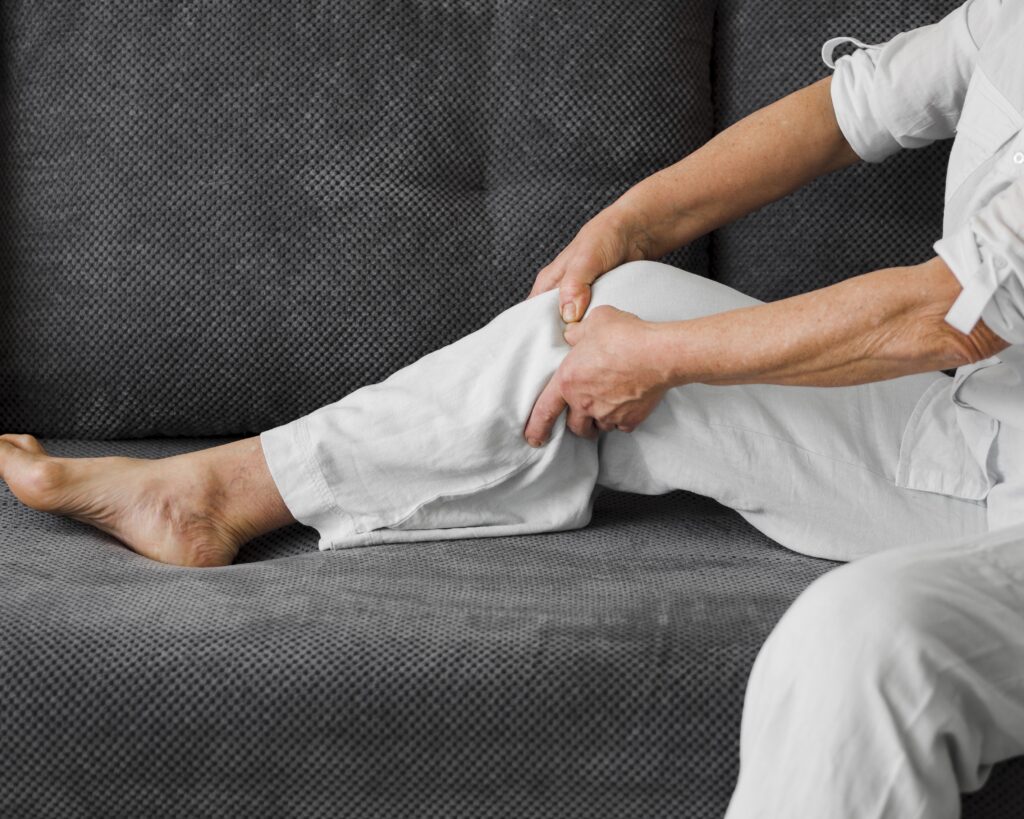
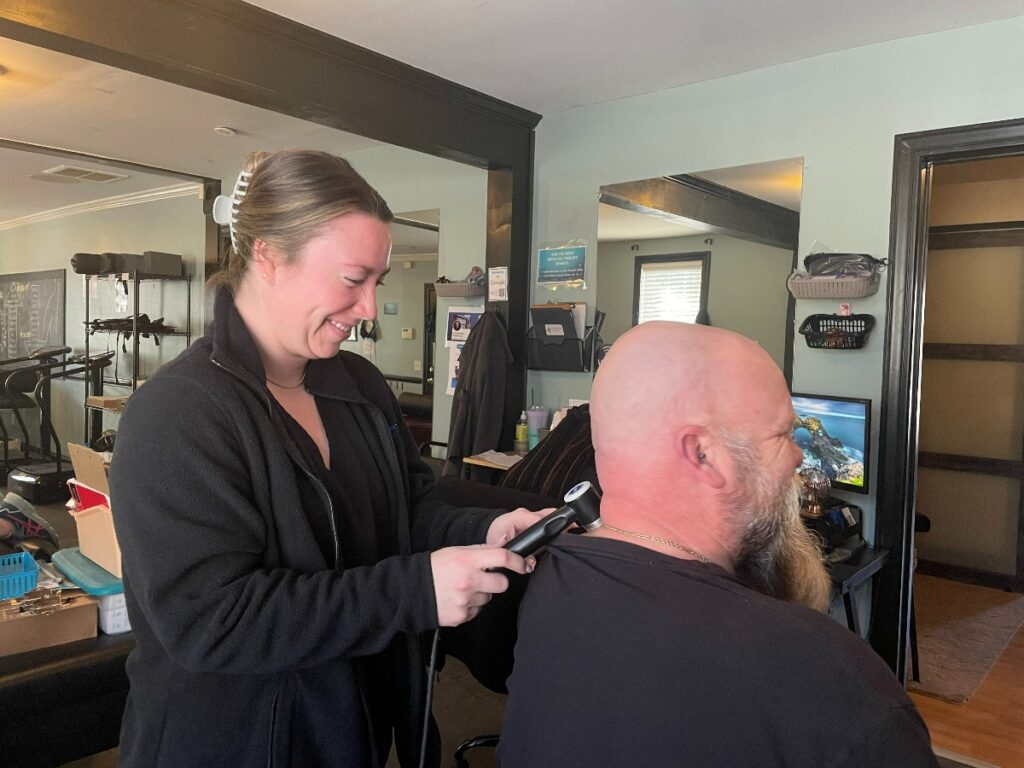
When you're dealing with a sports injury, knowing the best treatments can make a significant difference in your recovery. From ice therapy that numbs pain to compression techniques that enhance circulation, each method serves a unique purpose. Physical therapy can help restore functionality, while massage therapy alleviates muscle tension. You might also want to explore alternative treatments like acupuncture and chiropractic care. Each of these approaches offers distinct benefits, but understanding how to combine them effectively can be pivotal for your healing journey. So, what's the most effective strategy for your specific situation?
Ice Therapy
When you experience a sports injury, applying ice therapy right away can make a notable difference. Ice therapy, or cryotherapy, helps reduce swelling, numb pain, and minimize inflammation. By using ice, you can effectively manage the acute response your body has to injury.
To begin, make sure you have an ice pack or a bag of frozen peas handy. Wrap it in a thin towel to prevent frostbite, and then apply it to the injured area for about 15 to 20 minutes. You'll want to take breaks in between applications, allowing your skin to return to normal temperature. Remember, it's vital not to place ice directly on your skin.
Timing is essential. The sooner you apply ice after an injury, the better your chances are of reducing swelling and pain. Aim to use ice therapy for the first 48 hours post-injury, and repeat every couple of hours. This consistent application can help you recover faster and get back to your favorite activities.
Listen to your body while using ice therapy. If you notice excessive discomfort or skin irritation, stop the treatment immediately.
After the first couple of days, you may want to switch to heat therapy to promote blood flow to the area, but that's a topic for another time.
Incorporating ice therapy into your recovery plan can notably enhance your healing process, so don't underestimate its power when it comes to treating sports injuries.
Compression Techniques
After applying ice therapy, you can enhance your recovery further with compression techniques. Compression helps reduce swelling, improves circulation, and provides support to injured areas. It's an effective way to alleviate pain and speed up your healing process.
To utilize compression, you can use various materials like elastic bandages, compression sleeves, or wraps. When applying compression, make sure it's snug but not too tight. You don't want to cut off circulation, as that can lead to more problems. A good rule of thumb is to wrap it just tightly enough that you feel support but can still move your fingers or toes.
You should consider using compression after your ice therapy session. Start by wrapping the injured area lightly, then gradually increase the pressure. The compression should be continuous and can be kept on for several hours, but don't forget to check your skin for any signs of excessive tightness, like numbness or discoloration.
Compression techniques are particularly beneficial during the first 48 hours after an injury, when swelling is most likely to occur. Coupling compression with rest and elevation of the injured area can greatly enhance your recovery.
This triad approach can help you get back to your game faster.
Physical Therapy
Physical therapy plays an essential role in your recovery from sports injuries. It's not just about healing; it's about restoring your function and enhancing your performance. When you experience an injury, your body undergoes changes that can affect your strength, flexibility, and coordination. A physical therapist assesses your condition and develops a tailored treatment plan focused on your specific needs.
During your sessions, you'll engage in various exercises designed to strengthen the injured area, improve your range of motion, and promote healing. These exercises can include stretching, resistance training, and functional movements that mimic your sport. Your therapist will guide you through each step, ensuring you're using proper techniques to avoid further injury.
In addition to exercises, physical therapy often incorporates modalities like ultrasound, electrical stimulation, or ice and heat treatments to reduce pain and inflammation. You'll learn about injury prevention techniques that will help you avoid future setbacks, equipping you with the knowledge to maintain your body's health.
Consistency is key in physical therapy. Attending your scheduled sessions and following the home exercises your therapist assigns will greatly speed up your recovery.
You'll also have the opportunity to ask questions and voice concerns, ensuring you feel supported throughout the healing process.
Ultimately, physical therapy empowers you to return to your sport stronger and more resilient than before, giving you the tools to succeed and stay injury-free.
Massage Therapy
While you might think of massage therapy as a luxury, it plays a critical role in the recovery process from sports injuries. When you push your body to its limits, muscle strain, tension, and soreness can quickly follow. Massage therapy helps alleviate these issues by promoting blood circulation, which is essential for delivering nutrients and oxygen to damaged tissues.
Receiving regular massages can also break down scar tissue and improve flexibility, aiding in the healing of injuries. Whether you're dealing with a sprain, tendonitis, or muscle strain, a skilled massage therapist can target specific areas to help reduce pain and enhance mobility. You'll often find that the right techniques, such as deep tissue or sports massage, can work wonders on sore muscles.
In addition to physical benefits, massage therapy can also have a positive impact on your mental state. The relaxation and stress relief that come from a good massage can help you cope with the frustration of being sidelined by an injury.
Alternative Treatments
Exploring alternative treatments for sports injuries can provide you with a range of options beyond traditional methods. These approaches often focus on holistic healing, addressing both the physical and emotional aspects of recovery.
One popular alternative is acupuncture, which involves inserting thin needles into specific points on your body. This practice may help reduce pain and inflammation, promoting faster healing.
Another option is chiropractic care. Chiropractors use manual adjustments to align your spine and improve mobility. Many athletes find that regular chiropractic sessions enhance their performance and reduce the risk of future injuries.
Additionally, herbal medicine has been gaining traction. Certain herbs, like turmeric and ginger, are known for their anti-inflammatory properties and can be incorporated into your diet or taken as supplements.
Yoga and Pilates are also excellent alternatives for injury relief. These practices focus on flexibility, strength, and body awareness, helping you regain control of your movements while preventing further injuries.
Mindfulness practices like meditation can aid in pain management, allowing you to cope with the stress that often accompanies sports injuries.
Lastly, consider using essential oils for aromatherapy. Oils like lavender and eucalyptus can provide soothing effects when diffused or applied topically.
Remember to consult a qualified practitioner before starting any alternative treatment, ensuring it complements your overall recovery plan. With these diverse options, you can find the right combination to enhance your healing journey and get back to the sport you love.
Conclusion
Incorporating a mix of these treatments can greatly speed up your recovery from sports injuries. Ice therapy and compression techniques help reduce swelling and pain, while physical and massage therapies restore function and alleviate tension. Don't overlook alternative treatments like acupuncture and chiropractic care, which can further enhance your mobility and pain relief. By taking a thorough approach, you'll not only recover faster but also improve your overall performance on the field.