If you're experiencing lower back pain, I want you to know that you're not alone, and there are effective solutions available to help you. As a local chiropractor, I see many patients who benefit from a holistic approach to pain relief. It's important to consider options such as heat therapy, over-the-counter medications, and physical therapy, as these can provide significant relief.
However, I also encourage you to explore the benefits of regular stretching and exercise, which can greatly enhance your recovery process. But there's more to managing your discomfort than just these conventional methods. Chiropractic care offers unique strategies that focus on natural healing and alignment of the spine, which may help alleviate your pain more effectively.
Let's delve into some unexpected approaches that could transform your experience with pain relief and promote overall wellness. Together, we can work towards a healthier, pain-free life.
Understanding Lower Back Pain
As a local chiropractor, I want to help you understand the various factors that can contribute to lower back pain, as this knowledge is crucial for finding the right path to relief and healing.
One of the most common causes of discomfort in this area is muscle strain. This can happen when you lift something heavy or twist your body in an awkward manner, which irritates the muscles or ligaments surrounding your spine.
Another significant factor to consider is a herniated disc. This occurs when the soft material inside your spinal discs bulges out, putting pressure on nearby nerves, which can lead to pain and even sensations like tingling or numbness that radiate down your legs.
I also encourage you to reflect on your posture. Many people sit for extended periods without proper support or hunch over their phones, which can lead to spinal misalignment and persistent discomfort. Good posture is key to maintaining a healthy spine.
Additionally, underlying health issues such as arthritis or osteoporosis may play a role in your lower back pain. These conditions can weaken your bones and joints, increasing your susceptibility to pain and injury.
It's also worth mentioning that emotional stress can impact your physical well-being. When you're stressed, your body tends to tense up, particularly in the back muscles, which can exacerbate any existing discomfort.
By understanding these potential causes of lower back pain, you can take proactive steps towards finding relief.
As your chiropractor, I'm here to support you in recognizing the root of your pain and guiding you on your journey to improved health and well-being. Together, we can explore natural healing methods that will help restore balance and alleviate your discomfort.
Stretching and Exercise
As a local chiropractor, I want to emphasize the importance of incorporating regular stretching and exercise into your daily routine to alleviate lower back pain and promote overall spinal health. Many patients are surprised to learn how effective the right stretches can be in enhancing flexibility, strengthening the muscles that support the spine, and improving posture. Gentle movements such as the cat-cow stretch and spinal twists can relieve tension and stimulate blood flow to the affected areas.
You don't necessarily need to join a gym to experience the benefits of exercise. Activities like brisk walking or engaging in low-impact exercises can significantly improve your condition. I recommend aiming for at least 30 minutes of physical activity most days of the week.
Additionally, strengthening exercises that focus on your core and back muscles are crucial for providing essential support to your spine. Incorporating exercises like planks, bridges, and pelvic tilts into your routine can be quite beneficial.
It's vital to listen to your body. If you feel any pain while performing an exercise, please stop immediately and consult with me or another healthcare professional. Start at a comfortable pace and gradually increase the intensity as your strength develops.
You might also consider incorporating balance exercises, such as yoga or tai chi, which can enhance your stability and coordination, thereby reducing the risk of injury.
Don't forget to warm up before stretching and cool down afterward. Consistency is crucial; making stretching and exercise a regular part of your life can lead to long-term relief from lower back pain and foster a healthier, more active lifestyle.
Heat and Cold Therapy
As a local chiropractor dedicated to helping you manage lower back pain, I want to share the benefits of heat and cold therapy, two natural methods that can provide substantial relief. Understanding how to use these therapies effectively can empower you to address your discomfort and support your healing journey.
Heat therapy is a wonderful tool that can alleviate pain by increasing blood flow to the affected area. By using a heating pad or a warm towel, you can relax tight muscles and ease stiffness. This approach is particularly beneficial for chronic pain or muscle tension. I recommend applying heat for about 15-20 minutes, ensuring it's warm rather than hot to prevent any burns.
Conversely, cold therapy is highly effective for managing inflammation and numbing sharp, acute pain. Utilizing an ice pack or a bag of frozen vegetables wrapped in a cloth, you can apply cold therapy for the same duration of 15-20 minutes. This method is especially helpful for injuries right after they occur, as it constricts blood vessels and reduces swelling.
In practice, many patients find that alternating between heat and cold therapy yields the best results. It's essential to listen to your body and determine which method provides you with the most relief.
Over-the-Counter Medications
As a local chiropractor, I want to share some insights about managing lower back pain, especially if you're not familiar with chiropractic care and natural healing approaches.
When you're experiencing discomfort, over-the-counter medications can offer quick relief. Common pain relievers, such as ibuprofen or acetaminophen, may help alleviate your symptoms. However, it's crucial to adhere to the recommended dosage and safety guidelines to ensure you use these medications effectively and avoid any unnecessary risks.
While these medications can provide temporary relief, I encourage you to consider the long-term benefits of chiropractic care. Chiropractic adjustments can address the underlying issues contributing to your pain, promoting natural healing and improving your overall spinal health.
Common Pain Relievers
As a local chiropractor, I often see patients who turn to over-the-counter pain relievers as their first approach to managing lower back pain. While these medications can offer temporary relief, it's essential to understand that they're just one piece of the puzzle in achieving long-term wellness.
Pain relievers such as nonsteroidal anti-inflammatory drugs (NSAIDs) like ibuprofen and naproxen can help reduce inflammation and alleviate discomfort. They work by blocking specific enzymes that contribute to inflammation, which can enhance your mobility in the short term. However, relying solely on these medications may not address the underlying issues causing your back pain.
Acetaminophen is another commonly used option. Although it doesn't tackle inflammation, many find it effective for pain relief and easier on the stomach. When considering a pain reliever, it's crucial to think about your unique symptoms and any health conditions you may have.
Remember, medications aren't a one-size-fits-all solution. You may discover that certain options work better for you than others, but it's important to explore holistic approaches as well.
In my practice, I emphasize natural healing methods, such as chiropractic adjustments, which can help restore spinal alignment and improve overall function.
Always read medication labels carefully and be mindful of potential interactions with any other treatments you're undergoing. If your pain continues despite trying over-the-counter options, I encourage you to reach out for a consultation.
Together, we can develop a personalized plan that addresses not only your pain but also promotes your overall health and well-being through natural healing techniques.
Dosage and Safety Guidelines
As your local chiropractor, I want to help you understand the importance of proper dosage and safety guidelines when it comes to managing lower back pain, particularly if you're considering over-the-counter medications.
While chiropractic care focuses on natural healing and spinal adjustment, many patients still seek relief through medications like nonsteroidal anti-inflammatory drugs (NSAIDs), including ibuprofen and naproxen.
For ibuprofen, the typical recommendation for adults is to take 200-400 mg every four to six hours, with a maximum of 1,200 mg in a 24-hour period unless your doctor advises otherwise.
Naproxen generally starts at 220-440 mg, followed by 220 mg every eight to twelve hours, and shouldn't exceed 660 mg per day. It's crucial to follow these guidelines closely to minimize any potential risks.
Acetaminophen is another common option, with a typical dosage of 500-1,000 mg every four to six hours. However, it's important not to exceed 3,000 mg in one day unless specifically directed by your healthcare provider.
If you have existing health concerns, such as liver or kidney issues, these could affect the safety and effectiveness of these medications.
I encourage you to consult with me if you're pregnant, nursing, or taking other medications before using any pain relief options.
It's vital to avoid mixing pain relievers without professional guidance. By taking these precautions, you can better manage your lower back pain while prioritizing your overall health and safety.
Physical Therapy
Many individuals discover that chiropractic care can be a transformative approach for relieving lower back pain. This natural healing method emphasizes restoring your spinal alignment, improving your overall function, and enhancing your body's innate ability to heal itself.
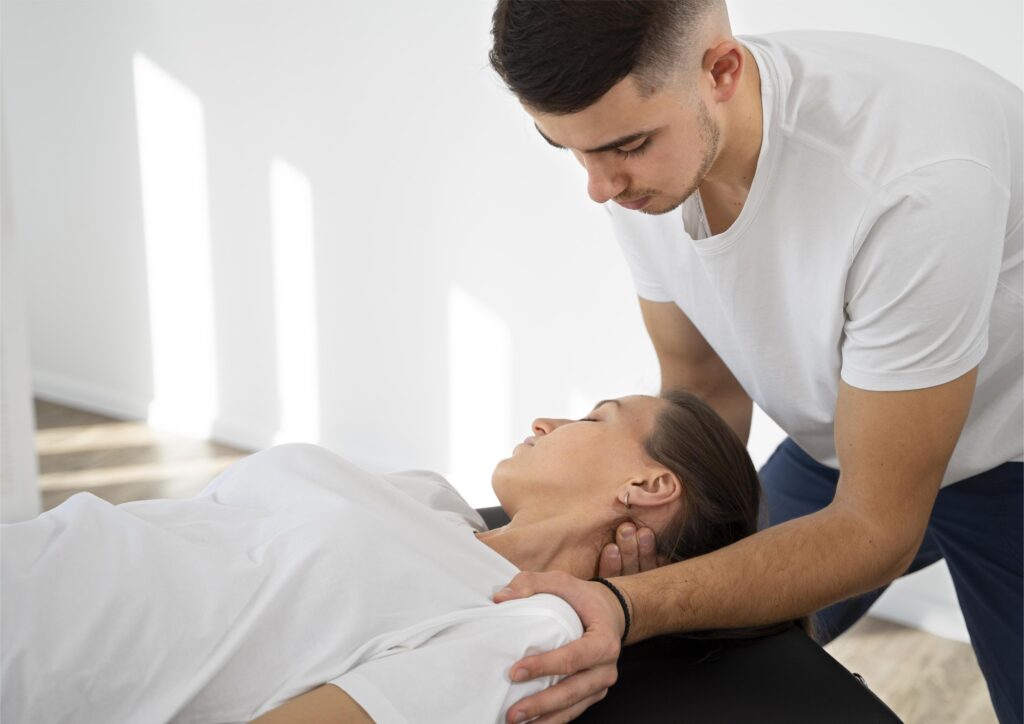
When you visit a chiropractor, they'll conduct a thorough assessment of your specific condition and create a customized treatment plan tailored to your unique needs. Chiropractic treatment often includes spinal adjustments that help realign your vertebrae, alleviating pressure on your lower back and surrounding muscles.
By correcting misalignments, we can promote better movement and reduce discomfort during your daily activities. Additionally, your chiropractor may recommend specific exercises to strengthen your core muscles, which play a crucial role in supporting your spine.
In conjunction with adjustments, chiropractors may utilize techniques such as soft tissue therapy or therapeutic modalities like heat and ice to reduce inflammation and pain. These treatments can enhance your recovery, making it easier for you to engage in the activities that support your healing journey.
Consistency is vital in chiropractic care. Regular visits are usually recommended, but you may also receive at-home exercises to reinforce the principles you learn in the office. Adhering to this routine can lead to long-term improvements and help prevent future episodes of pain.
Furthermore, chiropractors place a strong emphasis on proper posture and body mechanics. Gaining insights into how to lift correctly, sit comfortably, and maintain good posture can significantly improve your daily comfort levels and overall well-being.
Embracing chiropractic care can empower you to take charge of your health and achieve lasting relief from lower back pain.
Chiropractic Care
As a local chiropractor, I'm here to help you understand the benefits of chiropractic care and how it can improve your health. At its core, chiropractic care emphasizes the vital connection between your spine and nervous system. Our goal is to restore and maintain optimal health by addressing any misalignments in your spine that may be affecting your overall well-being.
If you're experiencing lower back pain, it's essential to identify the root causes of your discomfort. During your initial visit, I'll conduct a comprehensive assessment, which includes discussing your medical history and performing a physical examination. This thorough evaluation allows us to pinpoint any misalignments or restrictions that may be contributing to your pain.
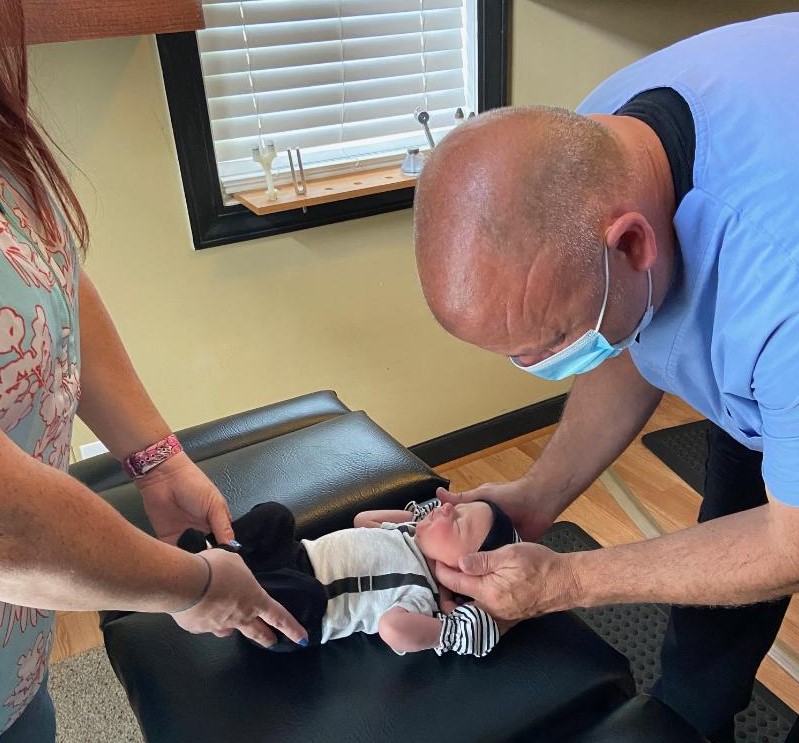
Once we've a clear understanding of your condition, I'll create a personalized treatment plan tailored specifically to your needs. Chiropractic adjustments are a key part of this plan. These hands-on techniques help realign your spine, relieve pressure on your nerves, and alleviate pain. Many patients find relief and notice significant improvements after just a few sessions.
In addition to spinal adjustments, I may recommend specific exercises or stretches to strengthen your back and promote proper posture. These proactive steps can help you avoid future pain and improve your overall health.
I encourage open communication throughout your treatment process. Sharing your symptoms and any changes you experience is crucial to ensure that your care is effective and responsive to your needs.
If you're struggling with lower back pain or simply want to explore a holistic approach to your health, consider chiropractic care. It not only addresses your current discomfort but also supports your long-term wellness. By taking this important step, you could be well on your way to a pain-free, healthier life.
Massage Therapy
As a local chiropractor, I want to share with you how effective massage therapy can be in alleviating lower back pain. Many individuals experience discomfort in this area, and I often recommend massage therapy as a complementary treatment to chiropractic adjustments. A skilled massage therapist can help relieve tension, improve circulation, and promote relaxation, which are all essential for healing.
When you visit a massage therapist, they'll use various techniques—like deep tissue or Swedish massage—to target the specific muscle groups that may be contributing to your pain and stiffness. As you relax on the massage table, you might notice immediate relief as they work to release knots and tightness, allowing your body to enter a more tranquil state. This not only alleviates pain but also enhances your overall well-being.
Regular massage sessions can be particularly beneficial for managing chronic pain and maintaining muscle flexibility. In conjunction with chiropractic care, massage therapy can help you achieve a more balanced and pain-free lifestyle.
Moreover, massage therapy can trigger the release of endorphins, which are your body's natural painkillers. These hormones not only help improve your mood but also assist you in coping with discomfort more effectively. It's crucial to communicate with your massage therapist about your specific pain areas and any limitations you might've so they can customize the session to your needs.
Incorporating massage therapy into your pain management routine can be transformative. Whether you're dealing with a sudden flare-up or ongoing chronic issues, this holistic approach can offer a gentle yet effective way to soothe your lower back pain and facilitate healing.
I encourage you to consider scheduling a session and experience the benefits for yourself as part of a comprehensive treatment plan that includes chiropractic care.
Lifestyle Modifications
As a local chiropractor, I want to share with you some simple lifestyle modifications that can significantly alleviate lower back pain and improve your overall well-being. Many individuals may not realize how daily habits can affect their spinal health, but making a few changes can make a world of difference.
One of the most crucial adjustments you can make is to improve your posture. Whether you're sitting at a desk, standing in line, or walking down the street, maintaining proper spinal alignment is essential. This helps to reduce stress on your back. Consider investing in ergonomic furniture to support your posture while sitting for long periods, or use lumbar support to keep your spine in a healthy position.
Regular physical activity is another vital component of spinal health. Engaging in low-impact exercises like walking, swimming, or practicing yoga can strengthen your core and back muscles, offering better support for your spine. Aim for at least 30 minutes of moderate exercise most days of the week.
Additionally, don't overlook the benefits of stretching, which enhances flexibility and can help prevent stiffness and discomfort.
Weight management is also important. Carrying excess weight puts extra strain on your lower back, so maintaining a balanced diet rich in fruits, vegetables, whole grains, and lean proteins can help you achieve a healthy weight. Staying hydrated is equally important, as it supports muscle function and overall health.
Finally, let's talk about sleep. Quality sleep is essential for recovery and overall well-being. Make sure your mattress provides adequate support for your body. Sleeping on your side with a pillow between your knees can help maintain spinal alignment as you rest.
Throughout the day, remember to move around and take breaks to stretch, as staying in one position for too long can lead to discomfort.
Alternative Treatments
As a local chiropractor, I want to share some insights about alternative treatments for managing lower back pain that can provide you with effective options beyond conventional medicine. Many patients have found relief through natural healing methods, and I encourage you to explore them.
One of the most beneficial approaches is chiropractic care itself. Through precise manual adjustments, we can align your spine, which not only improves mobility but also helps relieve tension and discomfort in your lower back. Regular visits to a chiropractor can make a significant difference in your overall spinal health and pain management.
In addition to chiropractic adjustments, therapeutic massage is a wonderful complementary treatment. It targets tight muscles and enhances circulation, providing immediate relief from pain and promoting relaxation.
Another valuable practice is yoga. By incorporating gentle stretching and strengthening exercises, yoga can increase your flexibility and build core strength—both essential for maintaining a healthy back. The mindfulness aspect of yoga can also help reduce stress, which is often a contributing factor to back pain.
Herbal supplements, such as turmeric or devil's claw, have become popular for their natural anti-inflammatory properties. However, I always recommend consulting with a healthcare professional before incorporating any new supplement into your routine to ensure it aligns with your health needs.
Lastly, mind-body techniques like meditation or biofeedback can be incredibly effective in managing pain. These methods foster relaxation and enhance your awareness of bodily sensations, helping you to cope with discomfort more effectively.
By considering these alternative treatments, you can empower yourself to take control of your lower back pain and improve your overall well-being.
Conclusion
As a local chiropractor, I want to help you understand that finding relief from lower back pain can be achieved through a variety of personalized strategies. It's important to recognize that your approach to pain management should be tailored to your specific needs.
Incorporating gentle stretching into your daily routine can help improve flexibility and reduce tension. Additionally, applying heat or cold to the affected area can provide significant relief from discomfort. Over-the-counter medications can also be useful in managing pain, but I encourage you to consider more natural methods as well.
Chiropractic care plays a crucial role in alleviating lower back pain. Through spinal adjustments and manipulations, we can restore proper alignment and function to your body, which can lead to lasting relief. Physical therapy and massage therapy are also valuable tools that can complement chiropractic treatments, helping to strengthen your muscles and improve overall mobility.
Making lifestyle modifications, such as maintaining a healthy weight, practicing good posture, and engaging in regular exercise, can significantly enhance your well-being. Don't overlook the potential of alternative treatments like acupuncture or yoga, which can further support your healing journey.
Take charge of your pain management by exploring these options, and together we can work towards a healthier, pain-free life. You're not alone in this; I'm here to guide you every step of the way.