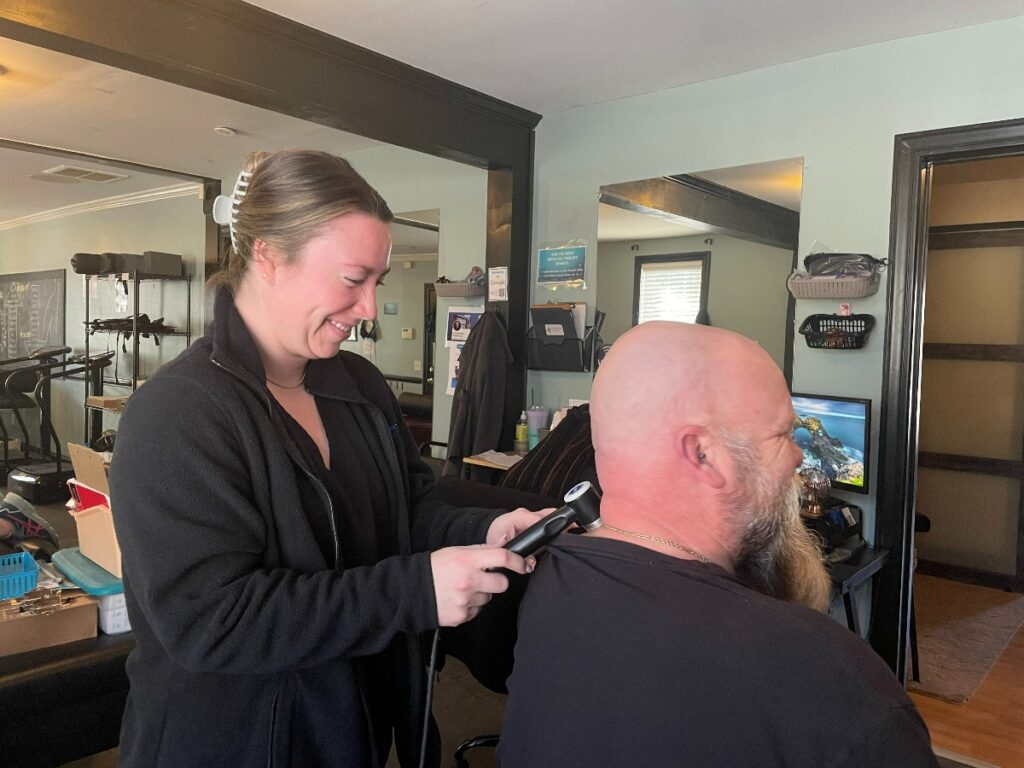
As a local chiropractor, I want to shed light on the complex nature of chronic back pain, which affects many individuals in our community. Often, this discomfort arises from a combination of factors that may not be immediately obvious to you. For instance, a sedentary lifestyle and poor posture can significantly contribute to your pain. Additionally, as we age, our bodies undergo changes that can lead to discomfort. Past injuries or existing medical conditions can also play a significant role in your experience of back pain.
Understanding these underlying causes is crucial for effective management and relief. By focusing on natural healing methods, we can work together to address these issues holistically. Whether it’s improving your posture, incorporating physical activity into your routine, or exploring specific chiropractic adjustments, there are many ways to alleviate your pain and enhance your overall well-being. I’m here to guide you on this journey toward a pain-free life.
Sedentary Lifestyle and Lack of Exercise
As a local chiropractor, I want to emphasize the importance of staying active and how it relates to your spinal health. When you lead a sedentary lifestyle and neglect regular exercise, you significantly increase your risk of developing chronic back pain. Prolonged sitting can weaken your core muscles that support your spine, making it more vulnerable to strain and injury.
Initially, you may not feel the effects of inactivity, but over time, it can lead to stiffness and discomfort.
Incorporating regular physical activity into your daily routine is crucial for maintaining a healthy spine. Engaging in exercises that strengthen your back and core can help alleviate existing pain and prevent future issues. Simple activities such as walking, stretching, or practicing yoga can enhance your overall mobility and improve your posture.
As a chiropractor, I prioritize a holistic approach to health, and I encourage you to embrace movement. Not only will it benefit your physical health, but it will also help you reduce the risk of chronic back pain.
Poor Posture and Ergonomics
As a local chiropractor dedicated to your spinal health, I want to emphasize that maintaining an active lifestyle is just one piece of the puzzle. Poor posture and ergonomics are significant contributors to spinal issues that many people overlook.
When you slouch at your desk or hunch over your phone, you place unnecessary strain on your spine, which can lead to chronic back pain that impacts your daily activities.
To improve your posture, it’s essential to set up your workspace ergonomically. Ensure that your chair offers adequate support for your lower back, and position your computer screen at eye level.
When sitting, keep your feet flat on the ground and your knees bent at a 90-degree angle to help maintain proper alignment.
If your job requires you to stand for extended periods, try to distribute your weight evenly between both feet and avoid locking your knees, as this can lead to discomfort.
It’s also beneficial to regularly check in with your posture throughout the day. Consider incorporating stretching and strengthening exercises into your daily routine, as these can help alleviate tension and support a healthier spine.
By making these adjustments, you can’t only reduce back pain but also promote overall spinal wellness.
Age-Related Changes and Degenerative Conditions
As a local chiropractor, I want to share some important insights about how aging affects your spine and can lead to chronic back pain.
As we get older, our spines naturally experience changes that can impact our overall well-being. For instance, the discs that sit between your vertebrae lose hydration and elasticity over time, which diminishes their ability to cushion the spine and can increase pressure on surrounding nerves.
Additionally, many people develop arthritis as they age, which can result in stiffness and inflammation in the joints.
These age-related changes can show up in several ways that you mightn’t even be aware of:
- Decreased bone density: This can heighten your risk of fractures, making it crucial to focus on maintaining strong bones.
- Bulging or herniated discs: These conditions can lead to nerve compression, causing discomfort and pain.
- Osteoarthritis in the facet joints: This can result in pain and reduced mobility, impacting your daily activities.
- Spinal stenosis: This narrowing of the spinal canal can affect nerve function and lead to more severe symptoms.
- Muscle weakness and loss of flexibility: These factors can negatively impact your posture and support, contributing further to discomfort in your back.
By recognizing these changes, you can take proactive steps to manage your back pain and support a healthier spine as you age.
Chiropractic care can be a natural and effective way to alleviate discomfort, improve mobility, and enhance your overall quality of life.
Together, we can work towards maintaining your spinal health and enhancing your well-being.
Injuries and Trauma
As a local chiropractor, I want to shed some light on how injuries and trauma can significantly impact your back health and contribute to chronic pain. Many of you may not realize that incidents like sports injuries, car accidents, or even falls can lead to serious damage to your muscles, ligaments, and spinal discs.
Initially, you might feel sharp pain, but if these injuries aren’t addressed properly, they can develop into long-lasting discomfort that disrupts your everyday life.
It’s crucial to pay attention to your body. Ignoring pain or putting off treatment can lead to more severe issues down the line. You may notice that certain activities make your pain worse, which can hinder your ability to enjoy daily activities and maintain your routine. This is where seeking help from a chiropractor can be invaluable.
Chiropractic care focuses on the natural healing of your body. Through tailored rehabilitation and physical therapy, we can help you recover from injuries effectively. Techniques such as spinal adjustments and therapeutic exercises can alleviate pain and promote healing, guiding you toward a healthier back and improved overall well-being.
Remember, taking proactive steps to care for your back after an injury is essential. By addressing these issues early with chiropractic treatment, you can significantly reduce the risk of developing chronic back pain and enhance your quality of life.
Don’t underestimate the power of natural healing—your back will thank you!
Underlying Medical Conditions
As a local chiropractor, I often see patients who mistakenly attribute their chronic back pain solely to injuries.
However, it’s crucial to understand that underlying medical conditions can also contribute significantly to your discomfort. Recognizing these conditions is essential, as they may require different treatment strategies.
Here are some common issues that could be at the root of your chronic back pain:
- Arthritis: This condition involves inflammation of the joints, which can lead to stiffness and persistent pain in your back.
- Herniated Discs: When the discs in your spine bulge or rupture, they can press on nearby nerves, resulting in pain that might radiate to other areas.
- Osteoporosis: With weakened bones, you may experience fractures that can cause severe, acute back pain.
- Scoliosis: An abnormal curvature of the spine can lead to ongoing discomfort and misalignment.
- Infections or Tumors: Though rare, these can affect the spine and lead to chronic pain.
If you think you might be dealing with one of these underlying conditions, I encourage you to consult with a healthcare professional.
As a chiropractor, my focus is on identifying the root cause of your pain and providing natural, holistic treatment options to help you find relief and restore balance to your body.
Understanding the underlying issues is key to developing an effective treatment plan tailored to your needs.
Conclusion
As a local chiropractor, I want to emphasize the importance of understanding the top causes of chronic back pain in order to effectively manage your discomfort. Many people may not realize that factors such as a sedentary lifestyle, poor posture, and age-related changes can play significant roles in your back health.
By staying active and incorporating movement into your daily routine, you can help alleviate pain and improve your overall well-being. Additionally, practicing good ergonomics—whether at your desk or while lifting heavy objects—can make a substantial difference.
If you are experiencing chronic pain, it’s crucial to seek treatment for any underlying conditions that may be contributing to your discomfort. Chiropractic care focuses on natural healing and can help restore your body’s balance and function. Remember, you don’t have to let chronic pain control your life. By making informed choices and pursuing a healthier, more active lifestyle, you can take charge of your back health and enhance your quality of life.