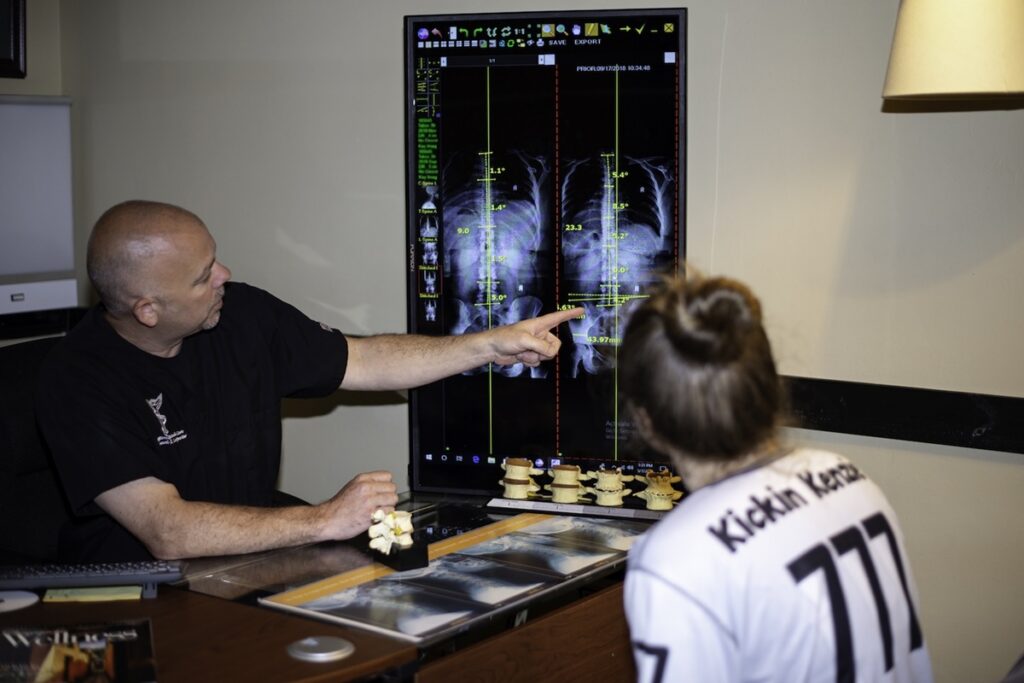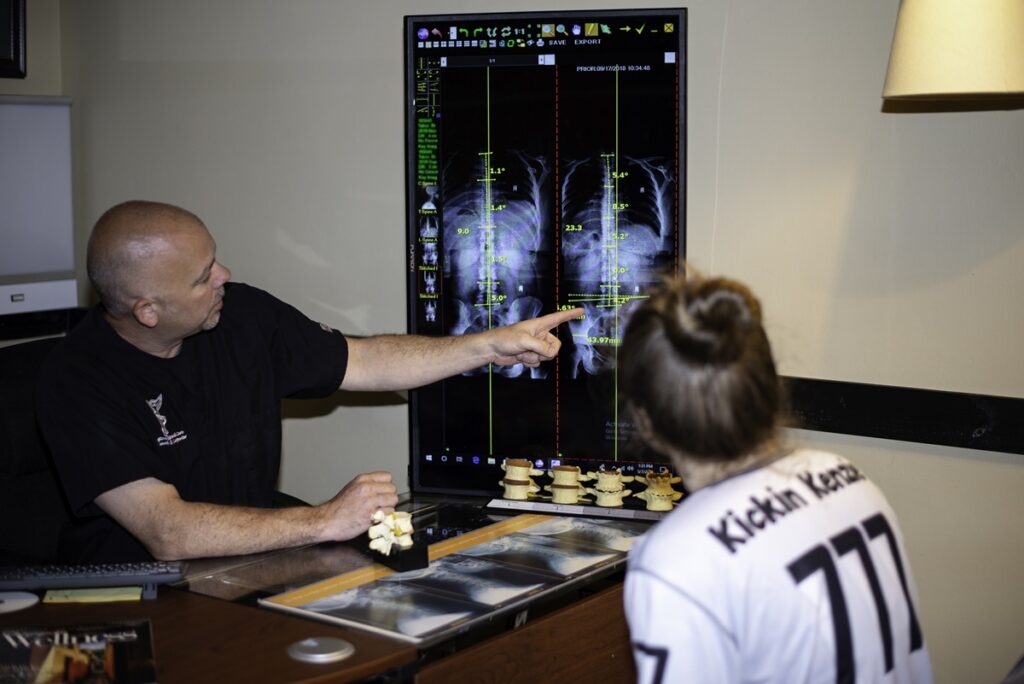
As a local chiropractor, I see many patients struggling with chronic back pain, which can significantly impact their daily lives. It’s important to understand that this type of pain often stems from a variety of factors, including lifestyle choices, poor posture, and underlying health issues. Many individuals are unaware of how their daily habits—like how they sit at their desks or lift heavy objects—can contribute to their discomfort.
Chiropractic care focuses on the natural healing of the body by addressing these issues at their source. We explore both conservative treatment options, such as spinal adjustments, exercise recommendations, and lifestyle modifications, as well as advanced techniques tailored to your specific needs. My goal is to help you find relief by educating you about your body and how it functions.
So, let’s delve into the most common causes of chronic back pain and discuss how chiropractic care can effectively address them, leading you toward a healthier and more comfortable life.
Understanding Chronic Back Pain
As a local chiropractor, I want to shed light on chronic back pain and how it can impact your life. Think of this pain as an uninvited guest that overstays its welcome, often lingering long after an injury or strain has healed. It can make even the simplest tasks feel daunting, and that’s not what we want for you.
Chronic back pain typically persists for over three months and can arise from several sources, including physical stress, emotional challenges, or lifestyle habits.
It’s important to recognize that some activities may worsen your discomfort, while rest might offer only temporary respite. Understanding the nuances of your pain—such as its intensity, duration, and effect on your daily routine—is crucial. This knowledge empowers you to communicate effectively with me and other healthcare providers about your experience.
Remember, chronic back pain isn’t solely a physical challenge; it also affects your emotional well-being. By acknowledging the complexity of your pain, you can begin to take proactive steps toward managing it.
Through chiropractic care, we can work together to improve your overall quality of life and help you regain control over your body. Let’s explore natural healing options that can support your journey to wellness.
Common Causes of Chronic Back Pain
As a local chiropractor, I want to help you understand some common causes of chronic back pain, particularly musculoskeletal disorders and nerve compression issues.
These conditions can significantly affect your daily activities and overall quality of life. By recognizing these underlying issues, you can take the first step toward effective treatment options.
Chiropractic care focuses on natural healing methods that can alleviate pain and restore function, empowering you to move freely and live comfortably.
Let’s explore how we can work together to improve your back health!
Musculoskeletal Disorders
As a local chiropractor, I want to help you understand the common causes of chronic back pain, particularly musculoskeletal disorders, which affect millions of people each year.
Conditions such as arthritis can lead to joint inflammation, while degenerative disc disease involves the gradual wear and tear of spinal discs, both of which can contribute to your discomfort.
You might also experience pain due to strains and sprains, often resulting from improper lifting techniques or sudden movements.
Another condition to be aware of is scoliosis, an abnormal curvature of the spine, which can further exacerbate back pain.
It’s essential to recognize that these issues frequently arise from a mix of factors, including your age, lifestyle choices, and even genetics.
As your chiropractor, I recommend various natural healing approaches to manage musculoskeletal disorders effectively. This includes physical therapy, targeted pain management techniques, and maintaining a healthy weight.
Additionally, I encourage you to stay active. Engaging in regular exercise can help strengthen your back, enhance flexibility, and significantly reduce your risk of injury.
Together, we can work towards a pain-free life through holistic and natural methods that support your overall well-being.
Nerve Compression Issues
As a local chiropractor, I want to help you understand how nerve compression issues can significantly impact your chronic back pain. Many times, this discomfort arises from conditions such as herniated discs or spinal stenosis.
When nerves in your spine become pinched, it can lead to sensations of pain, tingling, or weakness not just in your back, but also in your legs. This can severely limit your mobility and interfere with daily activities.
It’s crucial to identify what’s causing your nerve compression so we can explore effective treatment options. Chiropractic care focuses on natural healing methods, and we often use techniques such as spinal adjustments, rehabilitation exercises, and lifestyle advice to relieve pressure on your nerves and restore proper function.
In some cases, additional treatments like physical therapy or medications might be necessary, and I’m here to help guide you through that process.
Together, we can develop a personalized plan tailored to your unique needs. By understanding and managing nerve compression, you can regain comfort and enhance your overall quality of life.
If you’re struggling with these issues, don’t hesitate to reach out – let’s work together towards a healthier you!
The Role of Posture in Back Pain
As a local chiropractor, I want to emphasize the significant impact of your posture on your back health.
Many people may not realize that slouching or poor posture can put excessive strain on your spine, which often leads to discomfort and even chronic pain over time. By maintaining proper alignment, you can greatly reduce this pressure.
I encourage you to consider investing in ergonomic support, which can help you create a more supportive environment for your body.
Importance of Ergonomic Support
As a local chiropractor, I often see patients who struggle with chronic back pain, and one of the key factors in alleviating discomfort is understanding the importance of proper ergonomic support. Many people aren’t aware that the way you sit, stand, or work can significantly impact your posture and overall well-being.
When you use ergonomic furniture and tools, you’re taking a proactive step towards enhancing your body’s alignment. For example, a supportive chair can help keep your back straight and encourage an upright posture, which reduces strain on your spine.
It’s crucial that your desk is at the right height, allowing your arms to rest comfortably without the need to raise your shoulders, as this can lead to tension. Additionally, incorporating wrist supports and footrests into your workspace can further help maintain alignment throughout your day.
By prioritizing ergonomic support, you can create a more comfortable environment that not only promotes good posture but also minimizes your risk of experiencing chronic back pain. Remember, your comfort matters, and small adjustments can lead to significant improvements in your health and quality of life.
If you have questions about how to set up your workspace or about chiropractic care in general, I’m here to help you on your journey to better health.
Effects of Slouching Posture
As a local chiropractor, I want to share some important information about how slouching posture can significantly impact your health, particularly when it comes to chronic back pain.
When you slouch, your spine loses its natural curve, which puts unnecessary stress on both your spine and the muscles that support it. This misalignment forces your muscles to work harder to keep you balanced, leading to muscle fatigue and discomfort over time.
Many people are unaware that poor posture can lead to more serious issues, including persistent pain and spinal problems. Additionally, slouching can reduce your flexibility and mobility, making it harder to perform everyday activities.
To combat these effects, I encourage you to focus on maintaining a neutral spine position. Strengthening your core muscles is also vital, as a strong core supports proper posture.
Incorporating ergonomic furniture into your workspace and taking regular breaks if you sit for long periods can greatly assist in adopting a healthier posture. By making these adjustments, you can reduce your risk of chronic back pain and improve your overall well-being.
Injuries and Their Impact on Back Health
As a local chiropractor, I want to emphasize how injuries can have a profound impact on your back health. Many of my patients come to me with chronic pain that disrupts their daily lives, often stemming from sports injuries, car accidents, or falls.
These incidents can lead to various issues such as muscle strains, sprains, or even herniated discs, which can result in persistent discomfort that hinders your ability to enjoy everyday activities.
When you injure your back, inflammation is a common response, and if left unaddressed, this can lead to stiffness and reduced mobility over time. It’s crucial not to ignore these injuries.
Many patients find that tasks they once performed easily become painful or difficult, significantly affecting their quality of life.
I encourage you to seek medical attention and consider a comprehensive treatment plan that includes chiropractic care.
We focus on natural healing methods that promote recovery, such as tailored adjustments, physical therapy, adequate rest, and effective pain management techniques.
By taking proactive steps in your care, we can help restore your function, alleviate pain, and minimize the risk of developing chronic issues.
Together, we can work towards getting you back to your normal routine and enjoying life to the fullest.
Underlying Health Conditions Linked to Back Pain
As a local chiropractor, I want to share some important information about how underlying health conditions can significantly contribute to back pain. Many people may not be aware that issues like arthritis, osteoporosis, and herniated discs can be key players in your discomfort.
For instance, if you have arthritis, the inflammation in your joints can lead to stiffness and pain that radiates through your back. Similarly, osteoporosis can weaken your bones, making them more fragile and prone to fractures, which often results in chronic pain.
Conditions such as scoliosis, which involves an abnormal curvature of the spine, can also create uneven pressure, leading to discomfort in various areas of your back. In some cases, even infections or tumors in the spine can manifest as persistent back pain.
If you suspect that an underlying health condition might be affecting your back, I encourage you to seek guidance from a healthcare professional.
As a chiropractor, I can help assess your situation and provide a proper diagnosis. Together, we can explore natural treatment options tailored specifically to your needs, aiming to relieve your pain and enhance your overall quality of life.
Lifestyle Factors Contributing to Chronic Pain
As a local chiropractor, I want to take a moment to discuss how your everyday habits may be impacting your experience with chronic back pain. Many people are unaware of the connection between lifestyle choices and pain levels, so it’s important to shed light on this topic.
For instance, if you find yourself sitting for long periods—especially with poor posture—you could be putting unnecessary strain on your back. This is something we often see in our practice. Additionally, a lack of physical activity can weaken the core muscles that are essential for supporting your spine, which can lead to discomfort over time.
Carrying excess weight is another factor that can increase the pressure on your back, contributing to pain. Stress plays a significant role as well; it can create muscle tension that exacerbates discomfort.
If you smoke, it’s important to know that it can reduce blood flow, which may slow down your body’s natural healing processes. Furthermore, inadequate sleep can affect your body’s recovery capabilities, leaving you feeling more pain than necessary.
Conservative Treatment Options
As a local chiropractor, I understand that dealing with chronic back pain can feel daunting, but there are several natural and conservative treatment options available that can help you find relief.
One of the first steps I recommend is engaging in physical therapy. Working with a trained professional, you’ll learn exercises tailored to strengthen your back and enhance your flexibility—key elements in managing pain.
Incorporating regular low-impact activities into your routine, such as walking or swimming, can also provide significant benefits. These activities help keep your body moving without putting excessive strain on your back.
Over-the-counter pain relievers, like ibuprofen or acetaminophen, can be useful for managing discomfort, but I encourage you to explore holistic approaches as well. Techniques such as heat and cold therapy can further alleviate pain; a heating pad or an ice pack applied to the affected area can work wonders.
Don’t forget about the power of mind-body techniques! Practices such as yoga or meditation can strengthen your mental resilience and help reduce stress, which is often a contributing factor to pain.
Moreover, maintaining proper ergonomics at work and home is crucial; simple adjustments to your posture can lead to a significant improvement in your overall comfort.
By embracing these conservative treatment options, you can enhance your quality of life naturally, without the need for invasive procedures.
If you have any questions or would like to learn more about how chiropractic care can support your healing journey, feel free to reach out!
Advanced Interventions for Severe Cases
When traditional treatments don’t seem to ease your chronic back pain, it might be time to explore some advanced options that can help bring you relief. As a chiropractor, I want to emphasize the importance of understanding these interventions, which are often more specialized and tailored to your unique condition.
One option you may hear about is spinal injections, such as epidural steroid injections. These can help reduce inflammation and relieve pain. However, this approach is more invasive and is typically considered when other methods haven’t worked.
Another technique used in pain management is nerve blocks, which target specific pathways in your body to provide temporary relief from pain.
If these methods are still not yielding the results you need, minimally invasive surgeries, like discectomy or spinal fusion, may come into play. These procedures focus on correcting structural issues in your spine, potentially offering lasting solutions.
Additionally, some patients may benefit from implantable devices like spinal cord stimulators that can interfere with pain signals sent to the brain.
While these advanced interventions can be effective, I always encourage you to discuss them thoroughly with your healthcare provider. It’s essential to weigh the potential risks and benefits to ensure you’re making informed decisions about your pain management and overall well-being.
The Importance of Physical Therapy
As a local chiropractor, I want to highlight the vital role that chiropractic care can play in managing chronic back pain. Chiropractic treatment not only focuses on relieving pain but also emphasizes the importance of strengthening your muscles and enhancing your overall flexibility and mobility.
By collaborating with a knowledgeable chiropractor, we can develop a customized treatment plan tailored specifically to your needs.
Here are some key benefits of chiropractic care:
- Pain Relief: Through targeted adjustments and exercises, we can effectively reduce pain and discomfort, allowing you to engage more fully in your daily activities.
- Improved Function: Chiropractors teach you safe movement techniques that enhance your overall function and quality of life, helping you move with greater ease.
- Prevent Recurrence: By gaining insights into your body mechanics, you’ll learn strategies to avoid future injuries, promoting long-term wellness.
Incorporating chiropractic care into your treatment plan empowers you to take charge of your back pain, paving the way for a more active and fulfilling life.
The impact of chiropractic adjustments and natural healing on your recovery journey can be truly transformative.
Don’t underestimate the benefits of a holistic approach to your health and well-being.
Preventative Measures for Back Pain
As your local chiropractor, I want to share some valuable insights on how you can proactively protect your back and avoid chronic pain. One of the first steps is to maintain a healthy weight; excess weight can put unnecessary strain on your spine, leading to discomfort.
Incorporating regular exercise into your routine is another crucial element. Not only does it strengthen your back and core muscles, but it also promotes overall well-being. Aim for a balanced mix of aerobic activities and strength training.
Additionally, be mindful of your posture throughout the day—whether you’re sitting, standing, or lifting. Keeping your back straight and avoiding slouching is essential for spinal health. When it comes to lifting heavy objects, remember to bend at your knees and keep the load close to your body, which helps to alleviate pressure on your back.
Daily stretching is also beneficial; it enhances flexibility and can relieve tension in your muscles.
And don’t underestimate the importance of your sleep environment—investing in a supportive mattress and ergonomic furniture can significantly improve your spine alignment during rest and daily activities.
By adopting these habits, you can help prevent back pain and enhance your overall quality of life. Remember, it’s much easier to take preventive measures than to manage pain once it occurs.
If you have any questions or need guidance on how to implement these practices, feel free to reach out. Together, we can work towards a healthier, pain-free life!
Conclusion
As a chiropractor, I want to emphasize the importance of understanding the causes of chronic back pain so that we can work together to find effective relief. Many of my patients are surprised to learn that issues like poor posture, past injuries, or even underlying health conditions can contribute to their discomfort. The good news is that there are numerous options available to help you feel better.
I often recommend conservative treatments such as physical therapy and making lifestyle adjustments, which can have a significant impact on your back health. These methods focus on natural healing and can help alleviate pain without relying on medication. In cases where the pain is more severe, we may explore advanced interventions that align with a holistic approach.
By prioritizing your back health and incorporating preventative measures into your daily routine, you can take important steps toward achieving a pain-free and active lifestyle. Remember, chiropractic care is all about empowering you to understand your body and its needs, so you can regain control over your well-being.