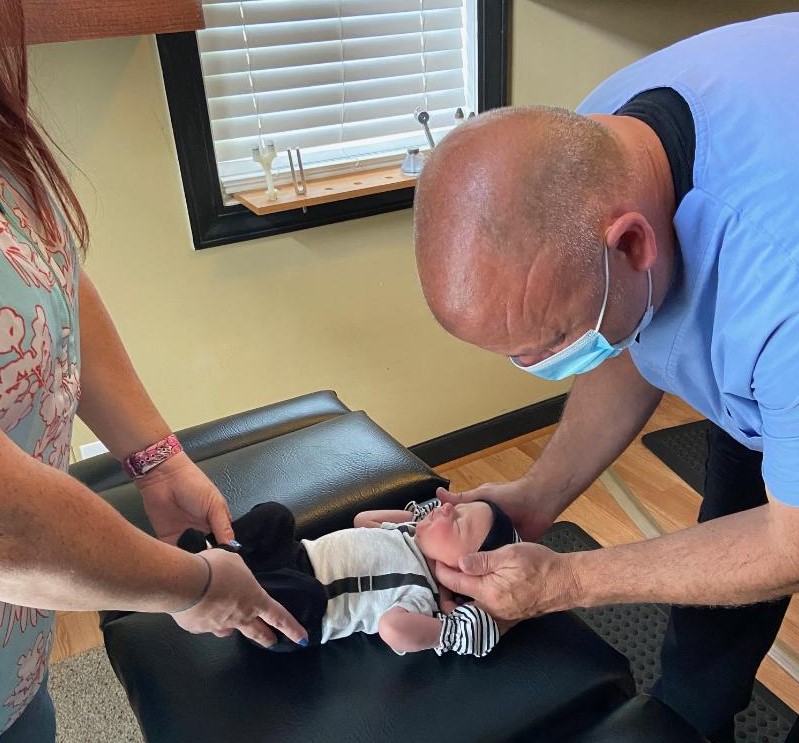
As a local chiropractor, I understand that living with chronic pain can be an overwhelming experience. It's essential to gain a clear understanding of your pain and develop a personalized management plan tailored to your specific needs. One of the key components of effective pain management is incorporating practices like mindfulness and gentle exercises, which can greatly enhance your well-being. However, these techniques are just the starting point.
In chiropractic care, we also explore alternative therapies that can complement traditional approaches, such as spinal adjustments, massage, and lifestyle modifications. Building a supportive network, including healthcare providers, family, and friends, is crucial on your journey to relief. As you navigate these options, you may be curious about which strategies will make the most significant difference in your daily life. Let's delve into the top ten approaches that can transform your experience with pain and lead you towards a healthier, more fulfilling life.
Understand Your Pain
Understanding Your Pain
As a chiropractor, my goal is to help you effectively manage your chronic pain through a natural and holistic approach. The first step in this journey is understanding what you're experiencing. Chronic pain isn't just a symptom; it can significantly impact both your physical and emotional well-being.
It's important to identify the characteristics of your pain. Is it sharp, dull, throbbing, or burning? Take note of when the pain occurs, how long it lasts, and what activities seem to trigger or alleviate it. This awareness is crucial, as it will enable you to communicate your experience more effectively during our consultations.
Next, let's explore the potential underlying causes of your pain. Conditions such as arthritis, fibromyalgia, or neuropathy can present in various ways. By understanding the root cause of your pain, you empower yourself to take control and seek appropriate, natural treatments that chiropractic care can offer.
Keeping a pain diary can be beneficial; document the intensity and nature of your pain along with any accompanying symptoms. This can help us identify patterns and tailor an effective treatment plan for you.
We must also acknowledge the emotional aspect of chronic pain. It can lead to feelings of frustration, sadness, or anxiety, which are just as important to address. Recognizing and addressing these emotions is key to your overall well-being.
Incorporating mindfulness or relaxation techniques into your routine can help manage these feelings, and I can guide you on how to do this effectively.
Remember, chronic pain is often complex and multifaceted. It may not stem from a single cause or have a straightforward solution. Instead of focusing solely on the pain itself, we'll look at how it influences your daily life and overall health.
Develop a Pain Management Plan
Creating a personalized pain management plan is a vital step in your journey toward understanding and alleviating your pain. As a chiropractor, I believe that a tailored approach can help you regain control over your daily life and overall well-being.
Let's begin by identifying your specific goals. What're you hoping to achieve? Is it reducing your pain levels, improving your mobility, or enhancing your overall quality of life? Clearly defining these objectives will guide our approach together.
Next, let's take a look at the treatments that you may have tried in the past and explore new options that may be beneficial for you. Chiropractic care emphasizes natural healing methods, which might include spinal adjustments, physical therapy techniques, and lifestyle adjustments.
It's important to remember that what works for one person may not work for another. Therefore, we'll prioritize strategies that align with your unique experiences and preferences.
Incorporating regular check-ins is crucial. I encourage you to set aside time to evaluate your progress, reassess your goals, and adjust our strategies as necessary. This ongoing evaluation ensures that your pain management plan remains relevant and effective over time.
I also encourage you to engage openly with your healthcare team, including myself as your chiropractor. I can provide valuable insights and recommendations, guiding you through your pain management options with a focus on holistic and natural healing methods.
Collaboration will allow us to create a comprehensive approach to your care.
Lastly, patience is key in this process. Managing chronic pain often involves some trial and error to discover the right combination of strategies that work for you.
Stay committed to our plan, and don't be discouraged by any setbacks. Your journey towards effective pain management is ongoing, and with a solid plan in place, you'll be empowered to face each day with resilience and hope.
Together, we can navigate this path to improve your quality of life.
Explore Physical Therapy
Chiropractic care can be an invaluable resource for managing chronic pain and improving your overall health and well-being. When you visit a chiropractor, we'll take the time to assess your unique situation and create a personalized treatment plan designed to enhance your movement, strength, and flexibility. This customized approach allows us to target the underlying causes of your discomfort, rather than simply masking the symptoms.
Through a combination of spinal adjustments, manual therapies, and tailored exercises, chiropractic care helps you regain control of your body. You'll learn how to perform movements safely and effectively, which can significantly reduce the risk of further injury. Additionally, we'll educate you on proper posture and body mechanics, equipping you with the knowledge you need to manage your pain in everyday activities.
One of the significant benefits of chiropractic care is its ability to stimulate the release of endorphins, your body's natural pain relievers. As you engage in regular chiropractic treatments and physical activity, you may notice improvements in your mood and overall sense of well-being. This holistic approach not only helps reduce pain but also empowers you to take an active role in your recovery.
It's important to communicate openly with your chiropractor about your goals and any concerns you may have. Regular visits create a supportive environment where you can feel encouraged to push your boundaries while respecting your body's limitations.
Incorporate Mindfulness Practices
As a local chiropractor dedicated to your health and well-being, I'm excited to share how integrating mindfulness practices into your pain management routine can significantly enhance the benefits of chiropractic care.
Many of my patients may not be familiar with the concept of mindfulness, so let me explain: mindfulness is about being fully present in the moment, recognizing your pain without judgment, and fostering a deeper connection with your body. This approach can empower you to respond to pain in a more effective manner rather than simply reacting to it.
I recommend starting with just a few minutes of mindfulness meditation each day. Find a quiet spot where you can sit comfortably, and focus on your breath. When thoughts about your pain come to mind, acknowledge them, and then gently bring your attention back to your breathing. This straightforward practice can help instill a sense of calm, reducing the anxiety that often accompanies pain.
It's also helpful to incorporate mindfulness into your daily activities. Whether you're enjoying a meal, taking a walk, or tackling household chores, try to immerse yourself fully in the experience. Notice the sensations in your body and the world around you. This heightened awareness can shift your focus away from pain and into the present moment, making it easier to handle any discomfort you might feel.
I encourage you to explore practices like yoga or tai chi, which seamlessly blend movement with mindfulness. These activities not only enhance physical flexibility and strength but also foster relaxation and mental clarity.
Maintain a Healthy Diet
As a local chiropractor, I want to share how maintaining a healthy diet can significantly impact your chronic pain management. A balanced diet is crucial for how your body handles pain. When you choose whole, nutrient-dense foods, you're not just feeding your body; you're also helping to reduce inflammation, which is often a key factor in chronic pain.
Incorporating foods rich in omega-3 fatty acids, such as salmon and walnuts, can be particularly beneficial. These foods help fight inflammation and promote better joint health, which is essential for those of you dealing with pain. Additionally, loading up on fruits and vegetables is a fantastic way to provide your body with antioxidants that protect your cells and may help alleviate pain. Leafy greens, berries, and vibrant vegetables are excellent examples of what to include in your meals.
Don't overlook the importance of whole grains and lean proteins either. They offer the energy you need and support muscle health, which can be very helpful if you experience pain-related fatigue.
On the other hand, I encourage you to be mindful of processed foods, sugars, and excessive trans fats. These can lead to increased inflammation and heightened pain sensitivity. Staying well-hydrated is equally important; drinking enough water supports muscle function and overall health, which are critical in managing pain.
As part of your journey toward better health, consider keeping a food diary. This can help you identify any food sensitivities or triggers that may be worsening your pain. By being conscious of your dietary choices, you can take control of your health and make informed decisions that support your pain management efforts.
Engage in Regular Exercise
As a local chiropractor, I want to share with you how engaging in regular exercise can be a powerful tool in managing chronic pain. You might think that pain is a barrier to movement, but gentle exercise can actually aid in your recovery. When you engage in physical activity, your body releases endorphins—these are natural pain relievers that can also elevate your mood.
Additionally, regular exercise enhances your flexibility, strength, and endurance, making everyday activities easier and more enjoyable.
Here are some gentle exercise options that I often recommend to my patients:
- Walking: This is a simple, low-impact activity that almost anyone can do. It's great for improving cardiovascular health and can be done almost anywhere.
- Swimming: The buoyancy of the water takes stress off your joints, allowing you to enjoy a full-body workout without putting extra strain on your body.
- Yoga: This practice not only focuses on stretching but also incorporates mindfulness, which can promote relaxation while improving your flexibility and strength.
- Pilates: A low-impact approach that concentrates on your core muscles, Pilates can help you build strength and stability, which is essential for overall body function.
- Tai Chi: This gentle martial art emphasizes slow, controlled movements, which can improve balance and help reduce stress on your body.
Before starting any new exercise regimen, it's essential to consult with a healthcare provider, such as myself, who can help create a tailored plan that meets your unique needs and limitations.
Remember, it's important to start slowly and really tune in to your body. Even small, consistent efforts can yield significant benefits for your overall well-being and pain management.
Utilize Support Networks
As a local chiropractor, I want to emphasize the importance of utilizing support networks to help manage chronic pain effectively. Why face this journey alone when you can connect with a community that understands what you're going through? Surrounding yourself with supportive individuals—whether they're family, friends, or members of online communities—can significantly enhance your experience in managing pain.
When you share your struggles with others who empathize, you can gain valuable insights and coping strategies that may complement your chiropractic care. Many people have explored various techniques to alleviate pain, and hearing their stories might inspire you to try new approaches that could work for you.
Emotional support is another critical aspect of the healing process that your network can provide. Having someone to talk to during challenging moments can uplift your spirits and foster a sense of empowerment. Regular check-ins with supportive friends or family members can keep you motivated and focused on your wellness journey.
Consider joining a local or online support group tailored to those facing similar challenges. These groups create a sense of community, allowing members to vent, share their progress, and celebrate small victories together. This camaraderie can be incredibly beneficial as you navigate your path to recovery.
In addition to your personal support network, I encourage you to involve healthcare professionals like chiropractors, physical therapists, or pain specialists in your journey. These experts can offer personalized advice and treatment plans that align with your unique needs, enhancing your overall well-being.
Ultimately, tapping into support networks can help you feel less isolated and more in control of your chronic pain. Embrace the connections you have and seek out new ones. Together, we can work toward effectively managing your pain and improving your quality of life.
Consider Alternative Therapies
As your local chiropractor, I want to share some insights on managing chronic pain through alternative therapies that can work alongside your current treatments.
Many patients find that incorporating techniques like mindfulness and meditation can significantly enhance their pain relief and overall well-being. Additionally, therapies such as acupuncture and the use of herbal remedies may offer further benefits by promoting healing and balance in the body.
I encourage you to consider these holistic approaches in your pain management journey.
Exploring these options not only complements chiropractic care but also empowers you to take an active role in your health. Together, we can create a comprehensive plan that addresses your unique needs and helps you achieve a better quality of life.
Mindfulness and Meditation Techniques
As a local chiropractor, I want to share with you how mindfulness and meditation techniques can complement your chiropractic care and serve as valuable tools for managing chronic pain.
These practices can help you cultivate a sense of calm, even when discomfort arises. By learning to focus on the present moment, you can reduce anxiety and become more aware of your body's sensations, which can help you detach from pain and make it feel less daunting.
To integrate these mindfulness and meditation practices into your daily life, consider trying the following:
- Deep breathing: Take slow, deliberate breaths. Inhale deeply to fill your lungs, and as you exhale, focus on releasing any tension in your body.
- Body scan: Take a moment to mentally scan your body, paying attention to each part and noticing any sensations without judgment. This can increase your awareness of areas that may need more care.
- Guided imagery: Picture a serene environment that brings you peace. Engage your senses by imagining the sights, sounds, and smells of this tranquil place to help distract from pain.
- Mindful walking: When you walk, concentrate on each step and the feeling of the ground beneath your feet. This can be especially beneficial after a chiropractic adjustment to enhance your body awareness.
- Loving-kindness meditation: Send thoughts of compassion to yourself and those around you. This practice can help foster a sense of connection and support your overall well-being.
Incorporating these techniques into your routine can enhance the benefits of chiropractic care, promoting a holistic approach to healing and relief from chronic pain.
Acupuncture and Herbal Remedies
As a local chiropractor, I want to share some valuable insights about alternative therapies like acupuncture and herbal remedies that can significantly enhance your chronic pain management strategy. If you're looking for relief beyond conventional treatments, these practices may be worth exploring.
Acupuncture is a technique that involves the insertion of thin needles into specific points on your body. This method aims to promote energy flow and can potentially reduce pain. Many of my patients have reported remarkable improvements in their symptoms after just a few sessions.
It's a holistic approach that focuses on balancing the body's energy and addressing the root causes of discomfort.
In addition to acupuncture, herbal remedies can play a crucial role in managing pain. Certain herbs, such as turmeric and ginger, are known for their anti-inflammatory properties and can help alleviate discomfort. You can choose to take these herbs in supplement form or incorporate them into your daily meals for added benefits.
Before diving into acupuncture or herbal treatments, I always recommend consulting with a qualified practitioner. They'll take the time to understand your specific needs and can provide personalized advice to ensure that these therapies complement any other treatments you may be undergoing.
Combining these alternative therapies with chiropractic care and conventional approaches can lead to a more comprehensive pain management plan.
It's important to remember that everyone responds differently, so it may take some time to discover the right balance that works for you.
Don't hesitate to explore these options as part of your journey toward a more comfortable, pain-free life. I'm here to help guide you through this process and support your path to healing.
Manage Stress Effectively
As a local chiropractor, I understand that living with chronic pain presents daily challenges, and effectively managing stress is crucial for your overall well-being.
It's important to recognize that stress can increase your perception of pain, making it essential to implement strategies that promote relaxation and help you regain control over your body and mind.
Here are some effective techniques I recommend for managing stress:
- Deep Breathing: I encourage you to take a few moments every day to focus on your breath. Inhale deeply through your nose, hold for a second, and then exhale slowly through your mouth. This simple practice can help ground you and significantly reduce anxiety levels.
- Mindfulness Meditation: Setting aside 10-15 minutes each day for mindfulness can be incredibly beneficial. Find a quiet space, observe your thoughts without judgment, and gently bring your focus back to your breath. This practice can help you remain present and alleviate stress.
- Physical Activity: Gentle exercises such as walking, yoga, or stretching are excellent ways to manage stress. Movement promotes the release of endorphins, which can uplift your mood and ease tension in your body.
- Connect with Nature: Spending time outdoors, whether it's taking a leisurely walk in the park or simply enjoying your garden, can have a soothing effect on your mind. Nature has a unique ability to help you unwind and recharge.
- Creative Outlets: I often recommend exploring creative activities like painting, writing, or playing music. Engaging in these pursuits can provide an emotional release and serve as a wonderful distraction from pain.
Communicate With Healthcare Providers
When addressing chronic pain, it's crucial to maintain open and honest communication with your chiropractor.
Many of you may be new to chiropractic care, so don't hesitate to ask any questions you have—it's your body, and you deserve to understand how our natural healing methods can help.
By engaging in this dialogue, you can gain insights into your condition and explore a range of treatment options that focus on your overall well-being.
Together, we can work towards a pain-free life.
Be Open and Honest
As a local chiropractor, I want to emphasize the importance of effective communication when it comes to managing chronic pain and embracing natural healing methods.
Being open and honest with me about your experiences is key to building a trusting relationship and ensuring you receive the best care tailored to your unique needs.
Here are some helpful points to consider as we discuss your pain and overall health:
- Describe Your Pain: It's crucial to convey details about your pain, including its intensity, location, and how it impacts your daily activities. This information helps me understand your condition better and develop an appropriate treatment plan.
- Share Your History: Please discuss any previous treatments you've undergone, their effectiveness, and any side effects you may have experienced. This background allows me to avoid ineffective approaches and focus on what works for you.
- Express Your Goals: Clearly outline what you hope to achieve through chiropractic care. Whether you're seeking pain relief, improved mobility, or a better quality of life, knowing your goals helps me create a focused treatment strategy.
- Discuss Your Lifestyle: Inform me about your daily habits, such as exercise routines, sleep patterns, and any stress factors. These elements can significantly influence your pain and healing process, and understanding them enables me to provide holistic care.
- Be Honest About Your Feelings: Chronic pain can affect your emotional well-being, so please don't hesitate to share how you're feeling. Your mental health is just as important as your physical health, and I want to support you in both areas.
Ask Questions Frequently
As you embark on your journey toward better health, particularly if you're dealing with chronic pain, it's crucial to ask questions frequently. This is especially important when working with your chiropractor and exploring the benefits of chiropractic care and natural healing. Open communication allows you to better understand your body and empowers you to make informed decisions about your wellness journey.
When you come in for your appointments, I encourage you to prepare a list of questions ahead of time. These can range from inquiries about the chiropractic techniques I use, how they can help alleviate your pain, potential side effects of any recommended lifestyle changes, or specific exercises that might enhance your recovery.
If something I explain isn't clear, please don't hesitate to ask for clarification. It's vital that you fully understand your treatment plan.
Additionally, sharing any concerns or fears you may have about your condition or the treatment process is important. I'm here to support you, and addressing your worries can help create a more personalized care plan. Remember, there are no "stupid" questions when it comes to your health—every question is an opportunity for you to gain knowledge and confidence in your care.
Lastly, I urge you to keep the lines of communication open even between appointments. If you experience new symptoms or if the treatments we've discussed don't seem to be working, please reach out. Your active participation in your care fosters a strong partnership between us, ultimately leading to more effective management of your chronic pain and overall well-being.
Conclusion
Managing chronic pain can feel overwhelming, but as your local chiropractor, I want you to know that you don't have to face it alone. Understanding your pain is the first step towards finding relief, and chiropractic care can play a vital role in your journey. Together, we can develop a personalized pain management plan tailored specifically to your needs.
Incorporating physical therapy into your treatment can enhance your recovery and mobility. Additionally, I encourage you to embrace mindfulness practices, which can help you manage stress and improve your overall well-being. Nutrition also plays a critical role; maintaining a healthy diet can support your body's healing processes.
Don't underestimate the power of a supportive network—lean on your family and friends as you navigate your pain management. We can also explore alternative therapies that complement chiropractic care, such as acupuncture or massage therapy.
Remember, open communication with me and your healthcare providers is essential. I'm here to listen and collaborate with you to find the best solutions. Together, we can enhance your quality of life and work towards achieving relief from chronic pain. Let's take this journey one step at a time.