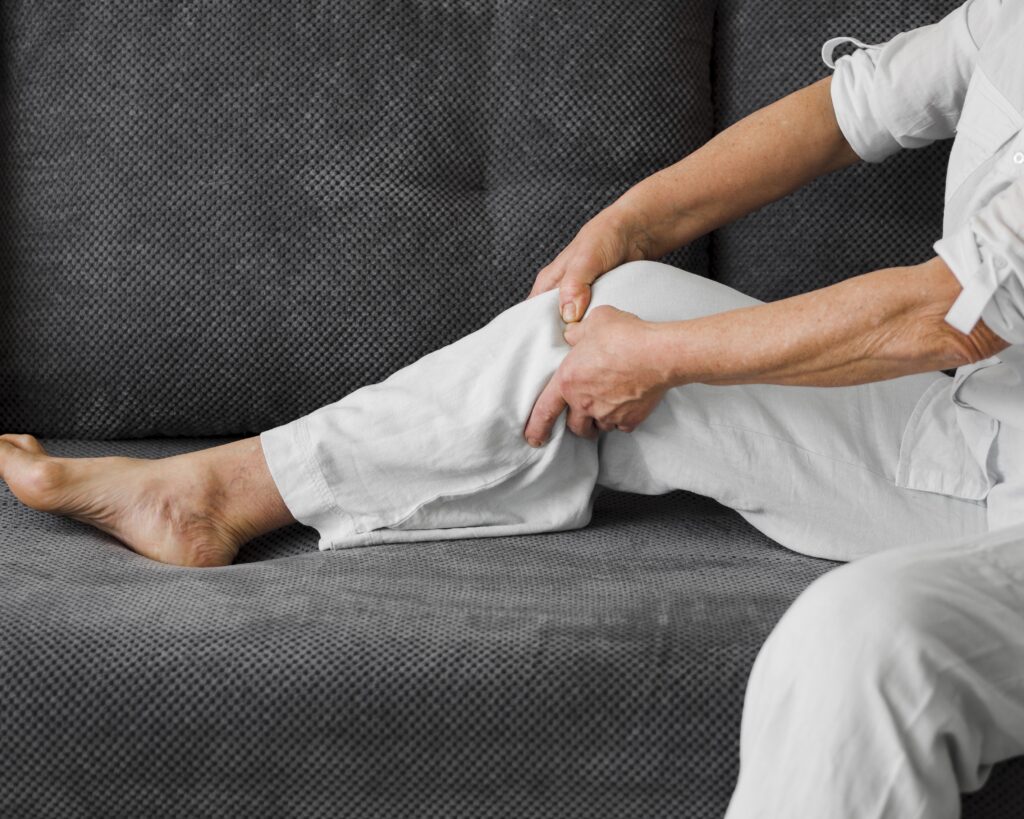
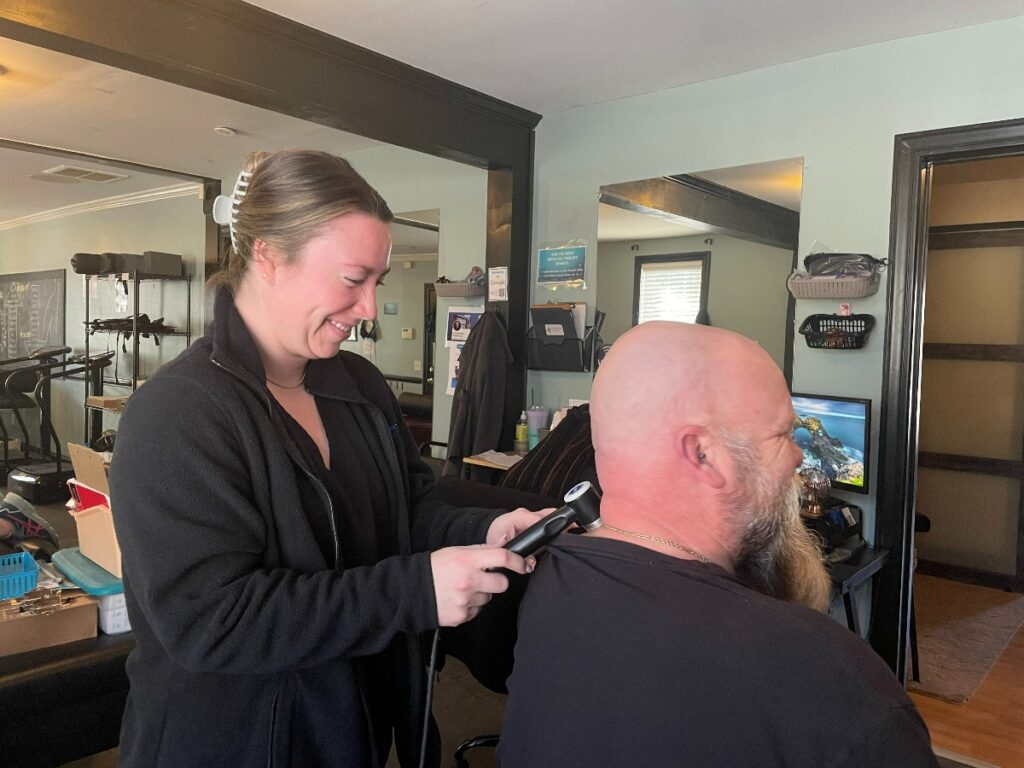
When considering an athlete's journey to recovery, it's important to recognize the essential strategies that can lead to a successful healing process. Many people mistakenly believe that simply resting is enough, but there's much more to it. As a local chiropractor, I want to emphasize the importance of understanding how physical therapy, nutrition, and mental health practices work together to promote healing.
Chiropractic care plays a crucial role in this holistic approach. By aligning the spine and improving joint function, we can help alleviate pain and enhance mobility, which is vital for recovery. Additionally, I encourage patients to pay attention to their nutrition, as what you eat can significantly affect your healing process. A balanced diet rich in vitamins and minerals supports tissue repair and overall well-being.
Mental health is another key component that is often overlooked. Managing stress and maintaining a positive outlook can greatly influence the recovery timeline. Incorporating mindfulness practices or working with a sports psychologist can be beneficial.
So, what are some of the tried-and-true methods that can truly aid in recovery? From chiropractic adjustments to tailored rehabilitation exercises, these strategies have stood the test of time. By understanding and applying these principles, you can reshape your perspective on injury recovery and embrace a more natural healing journey.
Rest and Recovery
As a local chiropractor, I want to emphasize the critical importance of rest and recovery for anyone dealing with an injury, particularly athletes. When you push your body hard, it's vital to allow it the necessary time to heal. Overlooking this essential phase can lead to prolonged discomfort or even more serious injuries down the line.
I understand the temptation to jump back into training, but your body needs time to recover, and rushing can do more harm than good.
During your recovery, it's crucial to prioritize sufficient sleep. Sleep is when your body engages in its natural healing processes, so aim for at least seven to nine hours of quality rest each night. Establishing a calming bedtime routine can significantly enhance your sleep quality.
Additionally, I recommend taking scheduled breaks throughout your day to relax and give your body the chance to recuperate, especially if you're experiencing persistent pain.
Nutrition is another vital component of the recovery process. I encourage you to fuel your body with nutrient-dense foods that promote healing. Incorporate lean proteins, fresh fruits, vegetables, and whole grains into your diet. Hydration is equally important, so make sure to drink plenty of water to support your body's repair mechanisms.
Don't underestimate the value of mental rest, which is just as important as physical rest. Engage in activities that help clear your mind, like meditation or gentle stretching. Pay attention to your body's signals; if you're feeling fatigued or in pain, it's perfectly acceptable to take a step back.
Physical Therapy Techniques
As a local chiropractor, I want to emphasize the vital role that chiropractic care can play in your recovery journey, whether you're an athlete or simply looking to improve your overall well-being. Our techniques not only aim to alleviate pain but also focus on restoring function and enhancing your body's performance.
When you visit my office, we'll start with a thorough assessment of your specific concerns, allowing me to develop a personalized treatment plan tailored to your needs.
One fundamental aspect of chiropractic care is spinal manipulation, a hands-on approach where I use precise adjustments to align your spine and joints. This technique can enhance mobility, reduce tension, and promote faster healing.
Additionally, I incorporate exercise therapy into our sessions. Together, we'll work on targeted exercises that strengthen the affected areas and improve flexibility, which is crucial in preventing future injuries.
Another important facet of chiropractic care involves utilizing various modalities, such as ultrasound or electrical stimulation. These methods can help increase circulation and decrease inflammation, thus accelerating the healing process.
We often use ice and heat therapies to effectively manage pain and swelling.
Education is a key component of your healing process. I'll take the time to explain your condition thoroughly, helping you understand how your body works and the mechanics behind your injury.
Together, we'll discuss strategies to avoid re-injury and improve your overall performance.
Finally, consistency is crucial in your recovery journey. Regular chiropractic sessions, combined with a commitment to following your home exercise program, can significantly impact your healing.
Nutrition for Healing
As a local chiropractor, I want to emphasize the importance of nutrition in the healing process, especially for those of you recovering from injuries or looking to enhance your overall well-being. Your diet plays a crucial role in how effectively your body heals, and it's something we should all pay attention to, particularly if you're an athlete or physically active.
Firstly, let's talk about protein. This macronutrient is vital for repairing tissues and building muscle, which is essential when you're healing from an injury. I recommend incorporating a variety of lean proteins into your meals, such as chicken, fish, eggs, beans, and low-fat dairy. This will help ensure that your body has the building blocks it needs to recover efficiently.
Next, I can't stress enough the significance of healthy fats in your diet. Omega-3 fatty acids, which you can find in fatty fish like salmon, as well as walnuts and flaxseeds, are known to help reduce inflammation. Including these foods in your meals can significantly affect how your body copes with injury and pain, supporting a smoother recovery.
Fruits and vegetables are also essential. These foods are rich in vitamins, minerals, and antioxidants, all of which combat inflammation and oxidative stress, both of which can hinder healing. I encourage you to consume a variety of colorful options—think leafy greens, berries, and citrus fruits. Not only do they provide energy, but they also bolster your immune system during your recovery.
Lastly, don't forget about hydration. Water is vital for every function in the body, including the healing process. Make sure you're drinking plenty of fluids throughout the day to keep everything working optimally.
As you embark on your healing journey, remember that nutrition is a powerful tool that can complement the chiropractic care we provide. Together, we can enhance your recovery and support your overall health.
Ice and Heat Therapy
As a local chiropractor, I want to emphasize the importance of incorporating ice and heat therapy into your recovery routine following an injury. These two methods serve unique yet complementary purposes, and understanding how to use them effectively can significantly enhance your healing process.
Initially, when you experience an injury, ice therapy is your go-to solution. Applying ice to the affected area helps to reduce swelling and numb pain, making it much more manageable. I recommend icing the injury for about 15-20 minutes every few hours, particularly during the first 48 hours after the injury occurs. Just be sure to wrap the ice in a cloth to prevent frostbite and protect your skin.
Once the initial swelling has decreased, it's time to introduce heat therapy into your regimen. Heat therapy is excellent for promoting blood circulation, which is crucial for healing. It helps relax tight muscles and eases stiffness, allowing you to regain flexibility and mobility more effectively. You can use a heating pad or enjoy a warm bath, applying heat for 15-20 minutes several times a day to reap the benefits.
Listening to your body is vital during this process. If you notice any increase in swelling or pain, it may be wise to return to ice therapy. Utilizing both methods in tandem can be particularly beneficial; start with ice to manage inflammation, then transition to heat to support recovery.
This strategic approach not only accelerates healing but also prepares you to return to your activities with renewed strength. By using ice and heat wisely, you'll be well on your way to recovery.
Mindfulness and Mental Health
As a local chiropractor, I want to emphasize how important your mental resilience is when you're dealing with an injury.
Many people may not realize that your mindset can significantly influence your recovery journey. By integrating mindfulness techniques into your daily routine, you can effectively manage stress and maintain focus on your healing process.
This approach not only supports your mental well-being but also complements the physical care we provide in chiropractic treatment.
Importance of Mental Resilience
As a local chiropractor, I want to emphasize the crucial role mental resilience plays in your healing journey, especially after an injury. When setbacks occur, your ability to bounce back and maintain a positive mindset can significantly impact not just your emotional state, but also your physical recovery process.
Mental resilience helps you navigate the emotional ups and downs that often come with injuries, such as fear, frustration, and self-doubt. It's completely normal to experience these feelings, but it's important to confront them rather than suppress them. By acknowledging your emotions and embracing the challenges you face, you can view them as opportunities for personal growth.
This mindset will help you stay motivated and committed to your rehabilitation. Additionally, developing mental resilience allows you to set realistic goals for your recovery and to celebrate small victories along the way. These small wins can foster a sense of accomplishment, keeping you focused on your ultimate healing goals.
Mindfulness Techniques for Recovery
As a chiropractor, I want to emphasize how incorporating mindfulness techniques into your recovery can greatly enhance your healing journey. These practices help you stay present and focused during what can be a challenging time for your body and mind. By embracing mindfulness, you can effectively reduce anxiety, improve your emotional well-being, and cultivate a more positive outlook on your recovery.
Let's start with simple breathing exercises. I encourage you to take a few minutes each day to concentrate solely on your breath. Inhale deeply through your nose, hold it for a moment, and then exhale slowly through your mouth. This simple practice can calm your mind and ground you in the present moment, which is essential for your overall healing.
Meditation is another powerful technique that can complement your chiropractic care. Even dedicating just five to ten minutes a day can foster a sense of peace and clarity. During this time, visualize your healing process—imagine your body mending and growing stronger with each breath you take. This visualization can be a motivating factor in your recovery.
I also recommend incorporating gentle yoga or stretching into your daily routine. These practices not only promote physical recovery by enhancing flexibility and strength, but they also encourage mindfulness as you synchronize your movements with your breath. This connection between movement and breath can significantly enhance your healing experience.
Lastly, journaling about your feelings and experiences can provide valuable insights into your mental state and reinforce your commitment to recovery. Writing down your thoughts allows you to process your emotions and track your progress.
Massage and Manual Therapy
As a local chiropractor, I want to emphasize the vital role that massage and manual therapy can play in your recovery journey, especially if you're an athlete dealing with injuries. These natural healing techniques are designed to help alleviate pain, boost circulation, and improve flexibility, all of which are essential for regaining your strength and getting back to your favorite activities more quickly.
When you receive a massage, I work with you to apply targeted pressure to your muscles and soft tissues. This can effectively relieve tension and promote relaxation, particularly after strenuous workouts or competitions when your muscles may feel tight and fatigued.
Manual therapy, which is a key component of chiropractic care, involves hands-on techniques that focus on manipulating joints and soft tissues. These techniques can help restore mobility and function, addressing any restrictions caused by your injury. By concentrating on specific areas of discomfort, manual therapy can enhance your range of motion and expedite the healing process.
Incorporating these therapies into your recovery routine can also help reduce inflammation—a common obstacle for athletes. The increased blood flow that results from massage and manual therapy delivers vital nutrients to the injured areas, promoting faster healing.
Additionally, let's not overlook the mental benefits; the calming effects of these therapies can help ease the stress and anxiety that often accompany the recovery process.
It's essential to seek treatment from qualified professionals who understand the unique needs of athletes. Regular sessions not only help you stay attuned to your body but also enable you to address minor issues before they develop into more significant problems.
Ultimately, massage and manual therapy are invaluable tools in your recovery toolkit, and I'm here to guide you through the process of natural healing.
Strengthening Exercises
As a local chiropractor, I want to share how strengthening exercises can significantly enhance your recovery and help prevent future injuries. By incorporating specific exercises into your rehabilitation routine, you can rebuild muscle strength, improve stability, and enhance your overall physical condition. Strengthening the muscles around your injury creates a more stable foundation for your joints, which is crucial in reducing the risk of re-injury.
If you've experienced an injury, it's essential to focus on the specific muscle groups that need attention. For example, if you've hurt your knee, exercises such as leg presses, squats, and lunges can be incredibly beneficial in restoring function. I always encourage my patients to consult with a qualified physical therapist or trainer to ensure that you're performing these exercises correctly and safely. They can help create a tailored program that meets your individual needs, aiding in a quicker and more effective recovery.
Consistency is vital in this process. I recommend incorporating strengthening exercises into your routine a few times each week. As you build strength, gradually increase the intensity and resistance of your workouts. This progressive overload is key to muscle development and ensures your body adapts to the increased demands placed upon it.
Moreover, it's important to balance your strengthening routine with flexibility and mobility exercises. Keeping your muscles flexible not only enhances the effectiveness of your strength training but also helps prevent stiffness and discomfort.
Gradual Return to Play
As a local chiropractor, I want to emphasize the importance of a gradual return to play following an injury. This approach is crucial for ensuring your long-term health and optimizing your performance. Rushing back into activity can put you at risk for re-injury or chronic problems that could keep you sidelined even longer.
To prevent this, I recommend following a structured plan that allows your body to heal, adapt, and regain strength.
Begin with low-impact activities that are gentle on your body, such as swimming, cycling, or light jogging. These exercises can help maintain your cardiovascular fitness while minimizing strain on your injured area.
As you become more comfortable, you can gradually increase the intensity and duration of these activities. Always listen to your body's signals—if you feel any pain or discomfort, it's important to scale back.
Once you feel confident with low-impact exercises, start incorporating drills specific to your sport. This step is essential for rebuilding the skills and movements necessary for your game. Focus on your technique and control, as well as the mental aspects of your sport.
Engaging in practice sessions with your team or training group is also beneficial, but start with limited participation. Opt for shorter sessions that allow you to concentrate on specific skills without overexerting yourself.
Keep a close eye on how your body is responding, and if you feel ready, you can gradually increase your involvement.
Finally, before making a full return to competitive play, I encourage you to consult with me or another sports professional. We can evaluate your readiness and ensure that you safely transition back to the sport you love.
Conclusion
Injuries can be challenging, but with a holistic approach to healing, you can emerge even stronger. As a chiropractor, I encourage you to prioritize rest and recovery first and foremost. It's essential to embrace physical therapy, which can help restore your mobility and strength. Additionally, nourishing your body with the right nutrition plays a crucial role in the healing process.
Don't overlook the benefits of ice and heat therapy; these methods can significantly reduce inflammation and enhance circulation, respectively. Incorporating mindfulness practices into your routine can also support your mental health during recovery.
As you begin to integrate strengthening exercises and gradually return to your activities, remember to be patient and listen to your body's signals. By following these time-tested methods, you're setting yourself up for a successful recovery. If you have questions about how chiropractic care can assist you on this journey, I'm here to help guide you every step of the way.