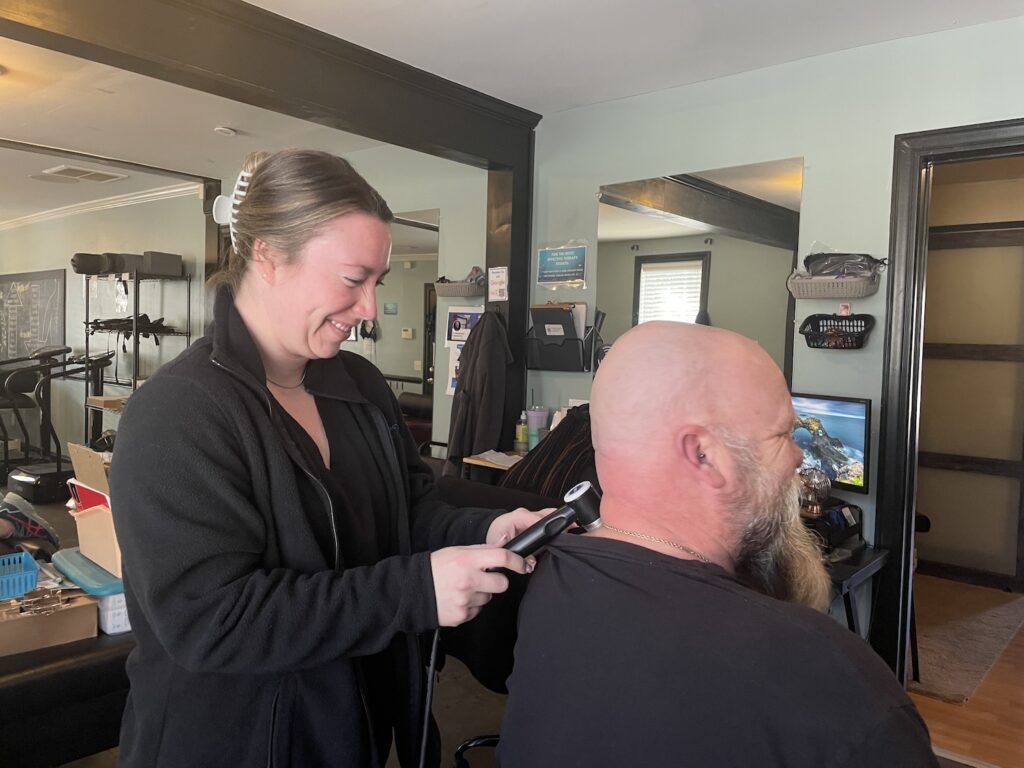
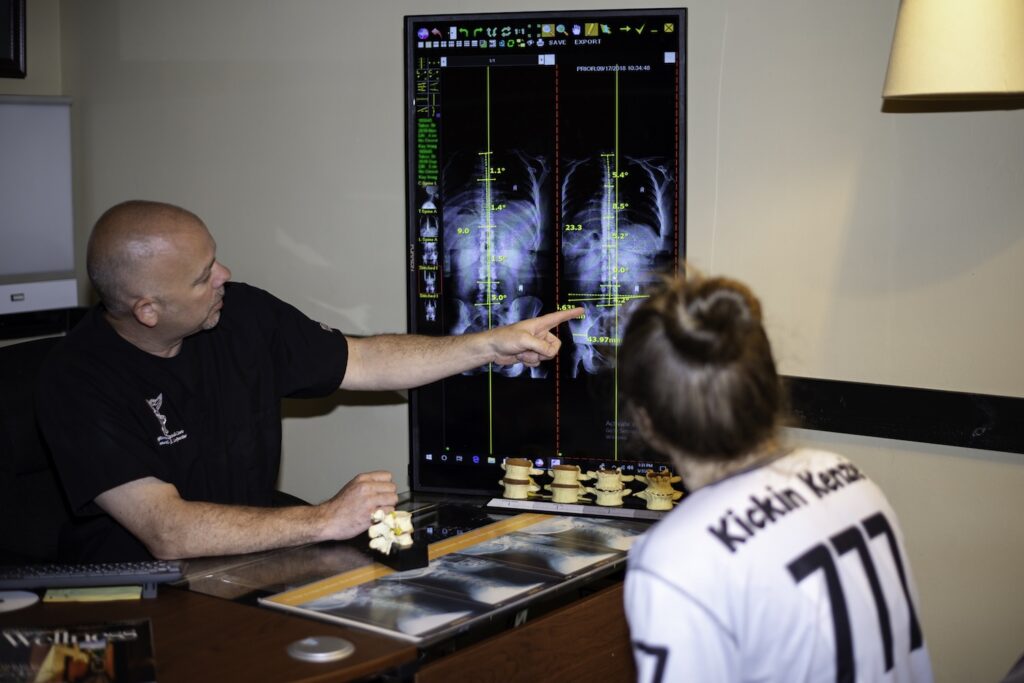
As a local chiropractor, I understand that dealing with back pain can be incredibly challenging. Many of my patients describe sensations ranging from tightness and discomfort to sharp, debilitating pain. However, there’s a simple, natural solution that can make a significant difference in your daily life: stretching.
Stretching isn’t just about improving flexibility; it can be a powerful tool in managing and alleviating back pain. By incorporating a few effective techniques into your routine, you may find that your discomfort lessens and your overall well-being improves.
Let’s delve into the vital connection between stretching and pain relief. It’s essential to understand how proper stretching can enhance your body’s alignment, promote circulation, and ultimately support your chiropractic care. By embracing these techniques, you can take an active role in your healing journey and enjoy a more comfortable life.
Understanding Back Pain: Causes and Symptoms
As a local chiropractor, I want to help you understand back pain and how it may be affecting your daily life. Many people experience back pain, which can arise from various sources and manifest in different ways. You might notice a dull ache, sharp discomfort, or stiffness that limits your ability to move freely.
Common culprits of back pain include muscle strains, poor posture, and injuries. For instance, if you’ve been sitting for extended periods or lifting heavy objects without the proper technique, it’s likely these activities could be contributing to your discomfort.
Moreover, underlying conditions such as herniated discs or arthritis can also play a role in your pain. It’s crucial to pay attention to your body; if you experience radiating pain down your legs or numbness, these could be signs of nerve involvement that may require attention.
Additionally, stress and anxiety can exacerbate your symptoms, creating a challenging cycle that can be difficult to break.
By understanding the causes and symptoms of back pain, you can better identify the right strategies to manage it. Chiropractic care offers a natural approach to healing that focuses on addressing the root causes of pain, promoting overall well-being, and improving your quality of life.
If you’re struggling with back pain, I encourage you to explore how chiropractic treatment can provide relief and support your journey towards better health.
The Importance of Stretching for Back Health
As a local chiropractor, I want to emphasize the crucial role that stretching plays in maintaining your back health, especially if you find yourself sitting for extended periods or performing repetitive movements.
Regular stretching is vital for enhancing flexibility, which in turn alleviates tension in your muscles and spine. When you engage in stretching, you’re not just loosening up—you’re also increasing blood flow to your back’s surrounding areas, which promotes healing and reduces stiffness.
Integrating stretching into your daily routine can significantly improve your posture. Good posture is essential for minimizing strain on your back and preventing discomfort. Even just a few minutes of stretching throughout your day can lead to substantial improvements in how you feel.
Moreover, stretching is an excellent way to relieve stress and encourage relaxation—both of which are essential for your overall well-being.
Key Stretching Techniques for Relief
As a local chiropractor, I want to share some effective stretching techniques that can provide you with immediate relief from back pain and enhance your overall mobility.
It’s important to incorporate these stretches into your daily routine as a natural way to support your spine and muscles.
Let’s start with the cat-cow stretch, which is fantastic for increasing flexibility in your spine.
Begin by getting into a tabletop position on all fours. Arch your back upward, like a cat stretching, and then dip it down while gently lifting your head. Remember to hold each position for a few seconds to really feel the stretch.
Next, I recommend trying the child’s pose. This is a very calming stretch.
Kneel down, sit back on your heels, and extend your arms forward on the floor. This position gently elongates your spine and helps to relax those tight muscles that may be causing discomfort.
Another excellent option is the standing forward bend. Stand tall with your feet hip-width apart, then hinge at your hips and reach your hands toward your toes.
Allow gravity to assist you as you feel a deep stretch in your hamstrings and lower back—this can be incredibly relieving.
Lastly, let’s not overlook the spinal twist. While sitting cross-legged, gently twist your torso to one side, holding for several breaths before switching to the other side.
This twist is beneficial for maintaining spinal health and enhancing mobility.
Incorporating these stretches into your routine can be a natural and effective way to support your body’s healing process.
If you have any questions or need further guidance, don’t hesitate to reach out!
Stretching for Different Types of Back Pain
As a local chiropractor, I want to emphasize the importance of understanding that different types of back pain require customized approaches for effective relief.
For instance, if you’re experiencing muscle strain, gentle stretches like the cat-cow can be incredibly beneficial in easing the tension. It’s crucial to focus on slow, controlled movements to avoid worsening any discomfort.
If sciatica is your concern, I often recommend stretches such as the seated hamstring stretch. This particular stretch can help alleviate nerve pressure and improve your overall flexibility.
For those whose discomfort is linked to poor posture, integrating stretches that open up the chest and strengthen the back is essential. A great example is the doorway stretch, which can help counteract the effects of slouching.
In cases of chronic pain, a blend of gentle stretching and strengthening exercises may yield the best results.
Remember, it’s important to listen to your body. Modify any stretches as needed and avoid pushing yourself too hard, as this could lead to additional injury.
If you’re ever unsure about the most effective approach for your specific situation, please don’t hesitate to consult with a healthcare professional. Tailoring your stretching routine is key to finding the relief you need.
Natural healing, through proper movement and alignment, can make a significant difference in your overall well-being.
Daily Stretching Routines to Incorporate
As a local chiropractor, I want to emphasize that alleviating back pain goes beyond targeted stretches; it’s about establishing daily habits that enhance your overall flexibility and strength.
I recommend starting each day with a gentle morning routine. A simple cat-cow stretch can help loosen your spine, followed by a standing forward bend to release tension in your back and hamstrings.
Throughout your day, it’s essential to incorporate side stretches to keep your muscles engaged and prevent stiffness. If you find yourself sitting for extended periods, take breaks to perform seated twists and shoulder rolls. These movements are beneficial for maintaining mobility and combating the negative effects of prolonged sitting.
Before bedtime, consider lying on your back and gently pulling your knees to your chest. This position can help alleviate pressure on your lower back and promote relaxation.
Remember, consistency is vital, so setting reminders to stretch can be extremely helpful. By integrating these simple routines into your daily life, you’ll not only find relief from back pain but also improve your overall posture and flexibility.
Embracing these practices can significantly enhance your well-being and support your journey toward natural healing.
Expert Tips for Safe Stretching Practices
As your local chiropractor, I want to emphasize the importance of safety when it comes to stretching. Before you begin, it’s crucial to warm up your body gently to get your blood circulating; this step is key in preventing injuries.
Pay attention to your breathing—taking deep, intentional breaths can significantly enhance your relaxation and improve the effectiveness of your stretches.
Always listen to your body; if you feel any pain, it’s a signal to ease up. Aim to hold each stretch for about 15 to 30 seconds, and avoid bouncing, as that can put unnecessary strain on your muscles.
To ensure you’re achieving balanced flexibility, incorporate a variety of stretches that target different muscle groups.
If you find that you need extra support, don’t hesitate to use props like straps or towels to help deepen your stretch safely.
Also, be mindful of your posture; maintaining a straight back and engaging your core will protect your spine during stretches.
Lastly, remember to stay hydrated, as proper hydration helps maintain muscle elasticity and reduces the risk of cramping.
By following these guidelines, you can stretch safely and effectively, which won’t only enhance your flexibility but also contribute to a healthier back overall.
If you have any questions about safe stretching practices or how they relate to chiropractic care, feel free to reach out!
The Science Behind Stretching and Pain Relief
As a local chiropractor, I want to help you understand how stretching can be a powerful tool in managing back pain. When you incorporate stretching into your routine, you’re not just enhancing the flexibility and mobility of your muscles; you’re also positively affecting the neural pathways that relate to pain sensations.
This connection can play a crucial role in your overall comfort and well-being.
Let’s dive into some effective stretching techniques that can provide you with relief. By understanding how these methods work, you can take proactive steps toward alleviating discomfort and improving your body’s natural healing process.
Muscle Flexibility and Mobility
As a local chiropractor, I want to emphasize the vital role that stretching plays in enhancing muscle flexibility and mobility, which can significantly help alleviate back pain.
Many patients are surprised to learn that regular stretching isn’t just about loosening tight muscles; it’s an effective way to improve your range of motion and reduce stiffness in your body.
When your muscles are more flexible, they can function more efficiently, providing better support for your spine and minimizing strain. I recommend incorporating dynamic stretches before engaging in any physical activity to prepare your muscles, and static stretches afterward to help maintain optimal muscle function.
Additionally, stretching promotes better blood flow to your muscles, nourishing them and accelerating recovery after physical exertion. By prioritizing flexibility and mobility, you’ll empower your body to move more freely, which can lead to substantial pain relief and a more active lifestyle.
Don’t underestimate the transformative power of stretching; it can truly be a game changer in your journey toward better health.
As your chiropractor, I’m here to guide you on how to integrate these practices into your routine for lasting benefits.
Neural Pathways and Pain
As your local chiropractor, I want to help you understand the important relationship between neural pathways and pain perception, especially when it comes to stretching.
Many people don’t realize how much their body’s response to stretching can influence their overall comfort. By grasping this connection, you can better manage any discomfort you experience.
Here are three key points to consider:
- Pain Signals: When you stretch, it can change how your brain interprets pain signals from your muscles and nerves. This means that stretching may help reduce your discomfort and improve your ability to move freely.
- Neural Adaptation: Engaging in regular stretching routines can train your nervous system to be less sensitive to pain over time. This adaptation is essential for improving your flexibility and overall comfort.
- Endorphin Release: Stretching also stimulates the release of endorphins—your body’s natural pain relievers. This release not only helps alleviate pain but also enhances your overall sense of well-being.
These insights underscore the importance of incorporating stretching into your routine as a natural approach to managing pain and enhancing your health.
If you have any questions or would like to learn more about how chiropractic care can support your journey to better health, don’t hesitate to reach out!
Stretching Techniques Effectiveness
As a local chiropractor, I want to share with you how different stretching techniques can be incredibly effective in relieving pain, particularly when it comes to back discomfort. Research has shown that incorporating stretching into your daily routine can significantly alleviate pain and improve your overall mobility.
One technique to consider is static stretching. This involves holding a position for a specific amount of time, which helps lengthen tight muscles. By doing so, you not only enhance your flexibility but also reduce tension in your muscles. This can be particularly beneficial if you often experience stiffness or discomfort in your back.
Another approach is dynamic stretching. This method involves movement and is excellent for warming up your body before engaging in physical activities. Dynamic stretching increases circulation, which can help ease pain and prepare your muscles for more strenuous activities.
Additionally, I encourage you to explore proprioceptive neuromuscular facilitation (PNF). This technique combines stretching with muscle contractions, promoting a greater range of motion and helping to relieve pain more effectively.
It’s important to remember that everyone’s body is different, and not all techniques will resonate with you. I recommend listening to your body and trying out various stretching methods to see what works best for you.
Strengthening Exercises to Complement Stretching
As your local chiropractor, I want to emphasize the importance of combining stretching with strengthening exercises to effectively manage back pain.
It’s not just about feeling good in the moment; it’s about building a strong foundation for your spine and overall health.
Focusing on core stability is essential, as a strong core supports your lower back and helps prevent injury.
Additionally, incorporating exercises to strengthen your lower back will enhance your ability to perform daily activities without discomfort.
Flexibility and balance are also crucial components of a comprehensive approach to back health.
By adopting this balanced strategy of strengthening and stretching, you can improve your overall stability and support, allowing you to feel better and move more freely.
Core Stability Exercises
As a local chiropractor, I want to emphasize the importance of core stability exercises in promoting overall spinal health and well-being.
Strengthening your core isn’t just about building muscle; it creates a solid foundation that supports your spine, helping to alleviate back pain and improve your posture. When your core is strong, daily activities become easier and more enjoyable.
Let me introduce you to three effective core stability exercises that I often recommend to my patients:
- Plank: This exercise involves holding your body in a straight line from head to heels. Engage your core muscles and aim to maintain this position for 30 seconds to a minute. It’s a fantastic way to strengthen your entire core.
- Bird-Dog: Begin on all fours and extend one arm forward while simultaneously extending the opposite leg backward. Keep your hips stable throughout the movement. Hold for a few seconds before switching sides. This exercise promotes balance and coordination, essential for core stability.
- Dead Bug: While lying on your back, alternate extending your opposite arm and leg, ensuring your core remains engaged. This exercise helps improve coordination and core strength while minimizing strain on your back.
Incorporating these exercises into your regular routine can greatly enhance your core strength and stability, contributing to a healthier spine.
Lower Back Strengthening
As a local chiropractor, I want to emphasize the importance of strengthening your lower back as part of your overall spinal health. Building a strong core is essential, but it’s equally vital to focus on your lower back to ensure a healthy spine. Incorporating specific exercises into your routine can significantly enhance your lower back strength and support your overall well-being.
Let’s start with bridges. To perform this exercise, lie on your back with your knees bent and feet flat on the ground. Lift your hips towards the ceiling, engaging your core and glutes.
Next, try bird-dogs. Position yourself on all fours, then extend one arm forward while simultaneously extending the opposite leg back. This movement helps improve balance and strengthen your lower back.
Lastly, we’ve supermans. Lie face down on the floor and lift your arms and legs off the ground simultaneously, activating your lower back muscles.
I recommend aiming for 10-15 repetitions of each exercise, gradually increasing as your strength improves. By consistently including these movements in your routine, you can support your spine, improve your posture, and reduce the risk of injury.
Flexibility and Balance Training
As a local chiropractor, I want to emphasize the importance of not only strengthening your lower back but also incorporating flexibility and balance training into your routine for optimal spinal health.
Flexibility exercises enhance your range of motion, while balance training helps stabilize your core, significantly reducing the risk of injury.
Here are three effective exercises that I recommend you include in your daily regimen:
- Cat-Cow Stretch: This gentle flow between two positions warms up your spine, alleviating tension and improving flexibility. It’s a simple yet effective way to prepare your back for movement.
- Single-Leg Stand: Stand on one leg for about 30 seconds, focusing on engaging your core to improve balance. Afterward, switch legs and repeat. This exercise helps to enhance your stability, which is crucial for maintaining a healthy spine.
- Seated Forward Bend: Sit with your legs extended and gently reach toward your toes. This stretch is fantastic for promoting flexibility in your hamstrings and lower back, contributing to improved overall back health.
By integrating these exercises into your routine, you can significantly boost your spinal health and embrace a pain-free lifestyle.
Posture Correction Through Stretching
As a chiropractor, I often see patients who struggle with back pain, and one effective way to alleviate that discomfort is by improving your posture. Incorporating stretching into your daily routine is a fantastic way to achieve this. When we stretch, we help lengthen tight muscles that can contribute to poor posture and discomfort.
I recommend focusing on key areas such as your chest, shoulders, and hip flexors. These muscles often become tight from prolonged periods of sitting or slouching, which is common in our daily lives.
Some simple stretches you can try at home include doorway stretches for your chest and child’s pose for your lower back. Don’t forget about neck stretches as well; they’re essential for relieving tension that can build up in your upper back.
When you stretch, aim to hold each position for at least 20-30 seconds, and remember to breathe deeply to enhance your relaxation. For the best results, try to stretch regularly—ideally every day. This consistency can lead to lasting improvements in your posture.
As you work on increasing your flexibility, you’ll likely find it easier to maintain an upright posture throughout the day. Good posture not only helps reduce back pain but also boosts your confidence and overall well-being.
When to Seek Professional Help for Back Pain
If you’ve been experiencing back pain for more than a few days, it may be time to consider visiting a chiropractor.
As a local chiropractor, I want to emphasize the importance of paying attention to any additional symptoms you may be experiencing, such as numbness or weakness.
These can be signs that something more serious is going on. Ignoring these symptoms can lead to further complications down the line.
Chiropractic care focuses on natural healing and can help address the root cause of your pain.
Don’t hesitate to reach out for assistance; together, we can work towards getting you back to feeling your best!
Persistent Pain Duration
As a chiropractor, I understand that back pain can be incredibly frustrating and limiting. It’s important to recognize when it’s time to seek professional help to ensure a smooth recovery. If your pain is lingering, don’t hesitate to take action.
Here are three important signs that indicate it’s time to consult a chiropractor:
- Duration: If your back pain persists for more than three days without showing any signs of improvement, it’s a clear signal that you should seek an evaluation. Prolonged pain can indicate underlying issues that need to be addressed.
- Intensity: If you’re experiencing severe pain that interferes with your daily activities or disrupts your sleep, it’s crucial to get a professional opinion. Chiropractic care can provide relief and help you regain control over your life.
- Impact on Mobility: Struggling to move or perform basic tasks is a definite reason to reach out for help. Chiropractic adjustments can improve your mobility and restore your ability to engage in everyday activities.
Listening to your body is key. Seeking timely chiropractic care can lead to a quicker recovery and promote better long-term health.
Accompanying Symptoms Assessment
As a local chiropractor, I want to emphasize that back pain is often just one piece of the puzzle.
It’s crucial to pay attention to accompanying symptoms, as they can provide valuable insights into your overall health. If you’re experiencing additional signs such as fever, unexplained weight loss, or severe pain that travels down your legs, it’s important to reach out for professional help. These symptoms might indicate a more serious condition, like an infection or nerve damage, which requires immediate attention.
Moreover, if you’re feeling numbness or tingling in your arms or legs, don’t overlook these sensations—they could be a sign of nerve compression that needs to be addressed.
Persistent pain that lasts for more than a few weeks is another key indicator that it’s time to see a healthcare provider.
Your body communicates important signals, and it’s essential to listen to them. If something doesn’t feel right, don’t hesitate to seek care. Early intervention is crucial and can greatly enhance your recovery journey.
At my practice, I’m here to guide you through natural healing methods that can support your body’s ability to heal itself. Let’s work together to address your pain and improve your overall well-being!
Conclusion
As a local chiropractor, I want to emphasize the importance of incorporating regular stretching into your daily routine for better back health. Stretching enhances flexibility and reduces muscle tension, which can significantly alleviate discomfort and pain in your back. It’s essential to pair stretching with strengthening exercises to support your spine effectively and promote good posture. If you’re experiencing persistent back pain, I encourage you to seek professional help. By committing to daily stretching, you not only improve your back health but also pave the way for a more active and fulfilling lifestyle. Remember, taking proactive steps today can lead to a pain-free tomorrow!