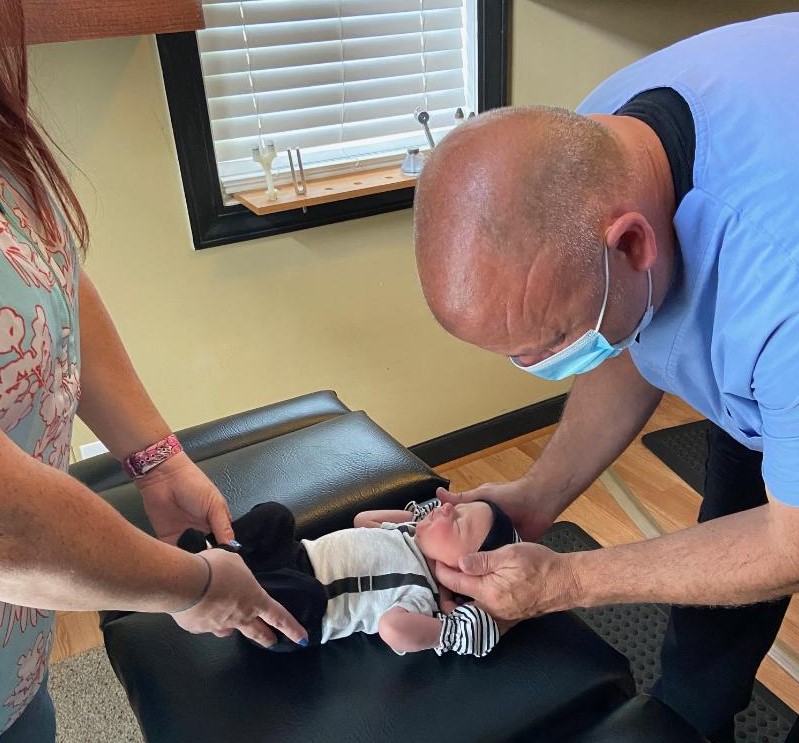
As a local chiropractor, I see many patients struggling with back pain, and I want you to know that it doesn’t have to be a constant struggle in your life. By making some straightforward lifestyle changes, you can significantly lower your risk of experiencing back pain. It all begins with gaining a deeper understanding of your body and the daily habits that influence its health.
Your posture, for instance, plays a crucial role in the well-being of your spine. Simple adjustments to how you sit, stand, and move can make a world of difference. Additionally, incorporating regular exercise tailored to strengthen your core and improve flexibility can be invaluable in protecting your back.
Are you interested in learning more about how to implement these changes in your daily routine? Together, we can explore practical tips and strategies that can help you maintain a healthy back and enhance your overall well-being. Your journey to a pain-free life starts here!
Understanding the Causes of Back Pain
As a chiropractor, I often see patients who are dealing with back pain, a common issue that many face at some point in their lives. Understanding the underlying causes of back pain is essential for prevention and recovery. One significant factor is poor posture. When you sit for extended periods or slouch, it can lead to muscle strain and misalignment of the spine, which can cause discomfort.
Another common cause of back pain is improper lifting techniques. Lifting heavy objects without using proper body mechanics can easily lead to injury. It’s crucial to bend your knees and keep your back straight when lifting to protect your spine.
Additionally, stress can play a pivotal role in back pain. The tension caused by stress often leads to muscle tightness, which can exacerbate discomfort. Quality sleep is another important factor in maintaining a healthy back. An unsupportive mattress can contribute to inadequate rest, leaving you feeling fatigued and more prone to pain.
Furthermore, carrying excess weight puts additional strain on your spine, which can increase your risk of developing back issues. Certain medical conditions, such as herniated discs or arthritis, can also lead to back pain.
The Importance of Regular Exercise
As a local chiropractor, I want to emphasize the crucial role that regular exercise plays in maintaining your overall health and preventing back pain. Staying active isn’t just about fitness; it’s about strengthening the muscles that support your spine, which enhances your posture and stability. This proactive approach significantly reduces the risk of injuries that could lead to back problems.
I encourage you to incorporate a variety of exercises into your routine, including aerobic, strength, and flexibility training. Activities such as walking, swimming, or cycling are excellent choices as they increase blood flow to your back, aiding in recovery and alleviating stiffness.
Focusing on strengthening your core muscles is particularly important, as they’re essential for supporting your lower back. Additionally, incorporating stretching exercises will enhance your flexibility, allowing you to maintain a full range of motion and prevent tightness.
Remember, taking care of your body through regular exercise not only helps you feel better but also complements the natural healing methods we use in chiropractic care.
Together, we can work towards a healthier, pain-free lifestyle.
Maintaining Good Posture
As your local chiropractor, I’m here to help you understand the importance of maintaining good posture to prevent back pain.
It’s essential to focus on your posture throughout your daily activities. Start by creating an ergonomic workstation that supports your body properly.
Pay attention to your sitting techniques—ensure your feet are flat on the floor and your back is well-supported.
Also, be mindful of how you stand; keep your weight evenly distributed and avoid slouching.
By making these simple adjustments, you can significantly reduce strain on your back, leading to improved comfort and overall well-being.
Ergonomic Workstation Setup
As a local chiropractor, I want to emphasize the importance of setting up an ergonomic workstation to help you maintain good posture and prevent back pain.
A well-designed workspace can significantly support your body and enhance your comfort during long hours of work. Here are some essential adjustments you should consider:
- Chair Height: Make sure your chair is adjusted so that your feet rest flat on the floor, with your knees bent at a 90-degree angle. This positioning helps reduce strain on your lower back.
- Monitor Position: Your monitor should be at eye level and about an arm’s length away. This setup minimizes neck strain and promotes a more comfortable viewing angle, which is vital for your overall spinal health.
- Keyboard and Mouse Placement: Keep your keyboard and mouse within easy reach, allowing your elbows to stay close to your sides. This relaxed position is key in preventing tension in your shoulders and wrists.
By making these simple adjustments, you can significantly improve your posture and protect yourself from discomfort while working.
Proper Sitting Techniques
As a local chiropractor dedicated to your well-being, it’s important for me to share some insights on the significance of proper sitting techniques. Many of my patients often ask how to prevent back pain and promote overall spinal health during their workday. One of the simplest ways to achieve this is by ensuring you sit all the way back in your chair, providing adequate support for your lower back.
Make sure your feet are flat on the ground or on a footrest, with your knees aligned at hip level. This helps maintain proper posture and reduces strain on your spine. It’s crucial to adjust your chair height so that your elbows create a 90-degree angle when you’re typing.
I often see patients who’ve developed discomfort due to slumping or leaning forward, which can lead to misalignments in the spine. Instead, keep your shoulders relaxed and aligned directly over your hips.
Additionally, I encourage you to take regular breaks to stand up and stretch. This simple practice can help relieve tension and improve circulation.
Remember to position your screen at eye level to minimize neck strain, which can also contribute to discomfort.
Standing Posture Awareness
As a chiropractor dedicated to promoting your spinal health and overall well-being, I want to emphasize the importance of good posture, not just when sitting but also while standing. Proper alignment is crucial in preventing back pain and supporting your body’s natural healing processes.
Here are some essential tips to help you maintain good standing posture:
- Make sure to distribute your weight evenly across both feet. Avoid locking your knees, as this can place unnecessary strain on your joints and spine.
- Keep your shoulders back and relaxed. Aim to align your shoulders directly over your hips to create a stable and balanced posture.
- Engage your core muscles. Strong core support is vital for maintaining spinal alignment and reducing the risk of discomfort.
Stretching and Flexibility Exercises
As a local chiropractor, I want to emphasize the importance of incorporating stretching and flexibility exercises into your daily routine to help reduce the risk of back pain. These exercises play a crucial role in maintaining muscle elasticity and joint mobility, both of which are vital for a healthy spine.
To get started, consider simple stretches such as the cat-cow pose, which gently warms up your spine, or the child’s pose, which effectively releases tension in your lower back. I recommend dedicating at least 10-15 minutes each day to stretching, with a focus on areas like your lower back and hamstrings, as these tend to be the most affected by daily activities.
Dynamic stretches, like trunk rotations, can also enhance your flexibility and prepare your body for movement, making them an excellent addition to your routine. It’s essential to listen to your body during these exercises; avoid pushing yourself into pain. Instead, ease into each stretch and hold for 15-30 seconds to allow your muscles to relax and lengthen.
Consistency is crucial. By making stretching a part of your morning or evening routine, you’ll likely notice improvements in your overall back health.
Prioritizing flexibility today can help prevent discomfort in the future, keeping you active and free from pain. Remember, chiropractic care complements these practices by addressing spinal alignment and overall wellness, so don’t hesitate to reach out if you have any questions or need guidance on your journey to better health.
Ergonomic Workspace Setup
As a chiropractor, I want to emphasize the importance of setting up an ergonomic workspace to help prevent back pain and promote overall spinal health. One of the first steps is to adjust your chair height so that your feet can rest flat on the ground, ensuring your knees form a right angle. This positioning is crucial for maintaining proper posture throughout the day.
Next, it’s important to consider the placement of your computer monitor. Ideally, it should be at eye level to reduce the strain on your neck and back. This simple adjustment can make a significant difference in your comfort and well-being while working.
By incorporating these ergonomic practices into your daily routine, you can help support your spine and prevent discomfort.
Chair Height Adjustment
As a local chiropractor, I often see the impact that proper ergonomics can have on your overall health, particularly when it comes to your workspace. One crucial aspect that many people tend to overlook is the height of their chair.
Adjusting your chair height isn’t just a minor detail; it’s a key step in creating an ergonomic environment that can help prevent issues like back pain.
When your chair is set to the right height, it supports proper posture, reduces strain on your back, and enhances your comfort, especially during those long hours of sitting.
Here are a few guidelines to ensure your chair is adjusted correctly for optimal support:
- Make sure your feet are resting flat on the ground or on a footrest. This helps maintain balance and stability.
- Your knees should be positioned at or slightly below hip level, promoting a natural alignment of your spine.
- When typing, your elbows should be at a 90-degree angle, allowing for fluid movement and reducing tension in your shoulders.
By taking these simple steps to adjust your chair height, you can contribute significantly to your spinal health and overall well-being.
Monitor Positioning Tips
As a local chiropractor, I want to emphasize the importance of proper monitor positioning to ensure your comfort and prevent back pain, especially during those long hours at your desk.
It’s essential to keep your monitor about an arm’s length away; this way, you can read the screen clearly without straining your eyes. Ideally, the top of your monitor should be at or just below eye level, allowing you to gaze slightly downward. This position helps maintain a neutral neck alignment, reducing unnecessary tension and discomfort.
If you find yourself spending time on multiple screens, arrange them thoughtfully to minimize the need for excessive head turning. This can significantly help in alleviating strain on your neck and back.
Additionally, I can’t stress enough the importance of taking regular breaks. Stand up, stretch, and give your eyes a chance to refocus. These small actions can greatly enhance your overall comfort and play a vital role in reducing the risk of back pain.
Weight Management Strategies
As a local chiropractor, I want to emphasize the importance of maintaining a healthy weight not just for your overall well-being, but especially for the health of your back.
When you manage your weight effectively, you can significantly lower your risk of experiencing back pain. Here are some strategies that I recommend for my patients to incorporate into their daily lives:
- Stay Active: Regular physical activity is crucial. Activities like walking, swimming, or cycling not only help you burn calories but also strengthen the muscles that support your spine. This can lead to improved posture and reduced strain on your back.
- Eat Balanced Meals: It’s important to focus on a diet rich in whole foods. Incorporate plenty of fruits, vegetables, lean proteins, and whole grains into your meals. These foods provide the essential nutrients your body needs without adding unnecessary calories, which can contribute to weight gain.
- Stay Hydrated: Don’t underestimate the power of hydration. Drinking plenty of water throughout the day can help control your appetite and support various bodily functions that are vital for maintaining a healthy weight. Proper hydration can also aid in reducing inflammation and promoting overall spinal health.
By integrating these practices into your daily routine, you can’t only manage your weight but also support your back health effectively.
If you have any questions or need personalized advice, feel free to reach out during your next visit!
Stress Management Techniques
As a local chiropractor, I want to emphasize the importance of managing stress, not just for your mental well-being, but also for the health of your spine. Chronic stress can lead to muscle tension, which may ultimately contribute to back pain.
To help you keep stress at bay, I encourage you to incorporate regular physical activity into your daily routine. Even something as simple as a brisk walk can stimulate the release of endorphins, which can lift your mood and alleviate tension in your body.
Mindfulness techniques, such as meditation or deep-breathing exercises, can be incredibly beneficial. These practices can help you center your thoughts, reduce anxiety, and promote relaxation.
Additionally, don’t overlook the significance of maintaining strong social connections. Sharing your feelings with friends or family can provide valuable support during stressful times.
I also recommend setting aside time for hobbies and activities that you enjoy. Engaging in self-care—whether that be reading, gardening, or enjoying a warm bath—can significantly lower your stress levels.
Sleep Position and Mattress Selection
As a local chiropractor, I’m here to help you understand the importance of choosing the right sleep position and mattress for your overall spinal health and comfort. Your sleep posture plays a critical role in maintaining the natural curve of your spine, which can significantly impact your risk of experiencing back pain. Many patients find that sleeping on their back with a supportive pillow can work wonders for their alignment.
When it comes to selecting a mattress, keep these essential factors in mind:
- Firmness: A medium-firm mattress is often the ideal choice, as it strikes a balance between comfort and proper spinal alignment. This level of firmness can help support your body without compromising on comfort.
- Material: Look for mattresses made from memory foam or latex, as they’ve the ability to contour to your body shape. This feature helps alleviate pressure points, promoting better sleep quality and reducing discomfort.
- Durability: It’s crucial to invest in a high-quality mattress that will maintain its shape and support over time. A mattress that sags can lead to poor spinal support, increasing your risk of back pain.
By paying attention to these factors, you can create a sleep environment that supports your body’s natural healing processes and contributes to your overall well-being.
If you have any questions about how your sleep habits may be affecting your spine, don’t hesitate to reach out!
Seeking Professional Help When Necessary
As a local chiropractor, I want to emphasize the importance of seeking professional help when it comes to addressing back pain. While many individuals may try various home remedies or self-care strategies, there are times when these methods simply aren’t enough. If your discomfort persists despite your best efforts, it could be a signal that there’s a deeper issue that needs attention.
At our clinic, we focus on providing a thorough assessment to determine the underlying causes of your pain. This might involve identifying any misalignments in your spine or other areas that could be contributing to your discomfort. Through tailored treatments such as chiropractic adjustments, we can help restore balance to your body and promote natural healing.
If you’re experiencing debilitating pain, numbness, or weakness, I encourage you to reach out for professional guidance. These symptoms can often indicate nerve issues or other conditions that warrant prompt care.
Moreover, if your pain is interfering with your daily activities or diminishing your quality of life, it’s crucial to take action. We can help you navigate effective rehabilitation programs and provide you with a clearer understanding of what’s causing your discomfort.
Conclusion
As your local chiropractor, I want to share some valuable lifestyle tips that can significantly help in reducing your risk of back pain. First and foremost, it’s essential to prioritize good posture throughout your daily activities. This simple adjustment can make a world of difference in how your spine feels.
Staying active is also crucial—engaging in regular exercise not only strengthens your back muscles but also enhances your overall well-being. Additionally, take a moment to evaluate your sleep environment; a supportive mattress and proper sleeping positions can contribute greatly to spinal health.
Managing stress is another important factor, as it can lead to muscle tension and exacerbate discomfort. Furthermore, maintaining a healthy weight is vital for reducing strain on your back.
If you ever feel overwhelmed by discomfort or if back pain persists, seeking professional help is key. Chiropractic care focuses on natural healing and can provide relief by addressing the root causes of your pain. Remember, even small changes to your daily routine can lead to a healthier back and a more comfortable life. Take charge of your well-being today—your spine will thank you!