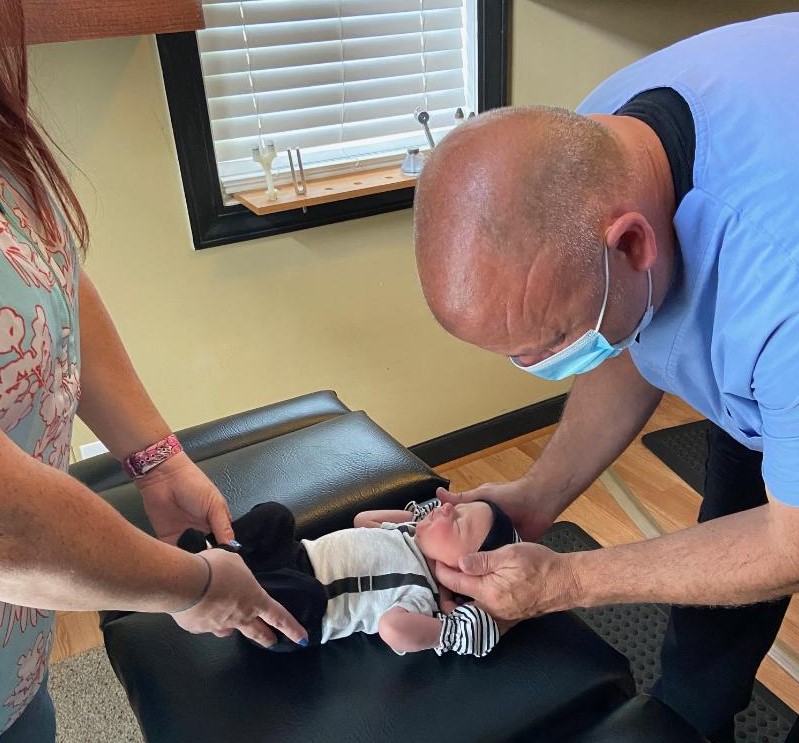
As a local chiropractor dedicated to educating families, I want to emphasize the importance of understanding how to care for infants and toddlers, especially when it comes to their unique needs and vulnerabilities. It's crucial to recognize their developing anatomy and the common ailments that can arise as they grow. Administering care, whether it's through chiropractic adjustments or natural remedies, requires a gentle and informed approach.
You might think that basic first aid or home remedies are straightforward, but in the context of young children, the subtleties can make a significant difference in their well-being. Exploring safe chiropractic techniques can enhance your child's health by promoting proper alignment and supporting their nervous system. Additionally, creating a calm environment and ensuring proper nutrition are vital components of their overall wellness.
As we delve into these natural healing methods, you'll discover how they can positively impact your approach to caring for your little ones. It could very well transform your perspective on their health and well-being.
Understanding Infant and Toddler Anatomy
As a local chiropractor, I want to emphasize the importance of understanding infant and toddler anatomy, especially for parents and caregivers who may not be familiar with chiropractic care and natural healing. Infants and toddlers possess unique physiological features that set them apart from older children and adults, and this knowledge is essential for ensuring their safety and well-being.
For example, the skulls of young children are softer and more malleable, which is crucial for accommodating their rapid brain growth. When caring for infants, it's vital to support their heads gently, as improper handling can potentially lead to injuries. This is where gentle chiropractic techniques can play a role in promoting proper alignment and overall health.
Additionally, the respiratory systems of infants and toddlers are still developing, making them more vulnerable to respiratory issues. Their airways are smaller and can be easily obstructed. Being aware of their breathing patterns is important, and any signs of distress should be addressed promptly. Chiropractic care can help promote optimal respiratory function by ensuring proper alignment of the spine and ribcage.
You should also be mindful of their sensitive skin, which is thinner and more prone to irritation. When considering any treatments or medications, it's always best to consult with a healthcare professional who understands the gentle approaches of chiropractic care. This way, you can ensure that any interventions are safe and appropriate for their developing bodies.
Moreover, the immune systems of infants and toddlers are still maturing, leaving them susceptible to infections. Understanding how their bodies respond to different stimuli can guide you in making informed decisions about their care. Chiropractic care can support immune health by enhancing nervous system function and promoting overall wellness.
Finally, keep in mind that muscle tone and coordination in young children are still developing, which affects their mobility. Creating a safe environment free of hazards is vital to prevent falls and injuries.
Common Ailments and Symptoms
As a local chiropractor, I understand that while infants and toddlers are generally healthy, they can often face common ailments that may cause concern for parents and caregivers. One frequent issue is the common cold, which typically presents with symptoms like a runny nose, cough, and sometimes a mild fever. While these symptoms are usually mild and resolve on their own, it's vital to monitor your child's comfort levels and consider natural remedies to support their immune system.
Another area of concern can be gastrointestinal upset, which may manifest as vomiting or diarrhea. If your child shows signs of dehydration, such as a dry mouth or decreased urine output, it's critical to seek medical advice.
Furthermore, allergies can also affect our little ones, resulting in skin rashes, sneezing, or digestive issues. Identifying and avoiding allergens is key, and chiropractic care can help by supporting the nervous system and promoting overall well-being.
Teething is another common stage in your child's development, often leading to irritability and discomfort. This can result in drooling, slight fever, or changes in appetite. Techniques such as gentle gum massage or using chilled teething toys can provide relief.
Additionally, chiropractic adjustments can help ease tension and discomfort during this time.
Lastly, be vigilant for signs of ear infections, which may include tugging at the ears, fussiness, or difficulty sleeping. If you suspect an ear infection, consulting a healthcare professional is essential. Chiropractic care has been shown to support ear health and improve fluid drainage, potentially reducing the frequency of infections.
Understanding these common ailments and how chiropractic care can support your child's health can empower you as a caregiver. Trust your instincts; if something feels off, reaching out to a chiropractic professional can provide guidance and natural solutions to enhance your child's comfort and well-being.
Your attentiveness and proactive approach can significantly impact your child's health journey.
Safe Medication Administration
As a chiropractor dedicated to promoting natural healing and overall wellness, it's important to discuss the safe administration of any supplements or natural remedies for your little ones.
When it comes to supporting the health of infants and toddlers, ensuring the correct dosage is essential.
It's crucial to utilize safe techniques to ensure your child receives the right amount without any risk.
Let's delve into how to accurately calculate dosages and safely administer these natural remedies, keeping your child's well-being at the forefront.
Proper Dosage Calculation
As a chiropractor, I understand that many parents may be unfamiliar with the principles of natural healing and the importance of proper care for their little ones. Just as accurate dosage is essential when administering medication to infants and toddlers, it's equally important to ensure they receive the right type of care for their developing bodies.
First, it's crucial to recognize the unique needs of children when it comes to their health. Their bodies are still growing, and they respond differently to treatments compared to adults. This is why I always encourage parents to start by understanding their child's specific health requirements and any discomfort they may be experiencing.
When considering chiropractic care for your child, it's essential to consult with a qualified practitioner who specializes in pediatrics. They can assess your child's condition and recommend appropriate adjustments based on their age, weight, and overall health. For example, a gentle spinal adjustment can help relieve discomfort from growing pains or improve mobility, but it must be tailored to each child's unique needs.
Additionally, just like with medication, it's important to communicate openly about your child's health and any concerns you might have. If you're ever uncertain about a recommended treatment or approach, don't hesitate to ask questions or seek a second opinion. A good chiropractor will be more than happy to explain their methods and ensure you feel comfortable with the care your child is receiving.
Lastly, keep in mind that chiropractic care is often part of a holistic approach to health. It's important to complement adjustments with healthy lifestyle choices, such as proper nutrition and physical activity, to support your child's overall well-being.
Safe Administration Techniques
As a local chiropractor, I want to emphasize the importance of safe and effective practices, particularly when it comes to caring for infants and toddlers. Ensuring their health and well-being is a priority, and this extends to any natural remedies or treatments you may consider.
First and foremost, always read any product labels or instructions thoroughly before administering any natural supplements or remedies. It's crucial to confirm the correct dosage and frequency to avoid any potential harm. When measuring out supplements, use the appropriate tools—such as a syringe or a measuring spoon specifically designed for precision. Avoid using regular kitchen utensils, as they can lead to inaccuracies.
Next, prepare the remedy in a calm and distraction-free environment. This not only allows you to focus on the task at hand but also minimizes the risk of mistakes.
Finally, while administering any treatment, closely observe your child. This ensures they're responding well and allows you to monitor for any unexpected reactions.
To help you navigate safe practices in natural healing, keep these tips in mind:
- Use proper measuring devices for accurate dosing of any natural remedies.
- Create a tranquil environment to minimize distractions during administration.
- Stay attentive to your child for any signs of side effects or discomfort.
First Aid Basics for Young Children
Understanding the basics of first aid is crucial for every caregiver, especially when it comes to ensuring the safety and well-being of young children. As a chiropractor, I emphasize the importance of being prepared in emergencies, as it can significantly impact your child's health. One of the first steps is to have a well-stocked first aid kit at home. This kit should include items like adhesive bandages, sterile gauze, antiseptic wipes, tweezers, and a digital thermometer. Familiarizing yourself with these supplies will enable you to respond swiftly when necessary.
Injuries such as cuts and scrapes are common in children. It's vital to clean any wound right away with soap and water to prevent infection. After cleaning, applying an antiseptic and covering the wound with a bandage is essential.
For minor burns, running cool water over the area for at least 10 minutes and then covering it with a clean cloth can help alleviate pain and protect the skin.
Nosebleeds can be alarming, but knowing what to do can ease the situation. Have your child sit up straight and lean slightly forward. Pinching the soft part of their nose and holding it for about 10 minutes can help control the bleeding and allow for proper healing.
Choking is another emergency that requires immediate action. If your child is coughing, encourage them to keep doing so, as this can help dislodge the object. However, if they're unable to cough or breathe, you should perform back blows followed by abdominal thrusts to assist them.
Always keep emergency numbers on hand, including your chiropractor, pediatrician, and poison control. Trust your instincts—if you ever feel unsure about a situation, seek professional help without hesitation.
Being prepared with these first aid basics allows you to confidently manage minor emergencies, supporting your child's overall health and safety. Remember, chiropractic care can also contribute to your child's well-being by promoting natural healing and overall wellness.
Home Remedies for Minor Issues
As a local chiropractor, I often see parents seeking relief for minor issues their children may experience. Home remedies can be an effective and gentle way to provide comfort without resorting to medications. Here are a few natural approaches that I recommend:
- Warm Compress: If your child is experiencing minor stomach discomfort or gas, a warm compress can be very soothing. Simply soak a cloth in warm water, wring it out, and place it on their tummy. The warmth can help relax tight muscles and alleviate discomfort.
- Honey for Coughs: For toddlers with a mild cough, honey can serve as a natural remedy. Mixing a teaspoon of honey with warm water or herbal tea can help soothe the throat. However, it's important to remember that honey should only be given to children over one year old due to the risk of botulism in infants.
- Saltwater Gargle: If your child is complaining of a sore throat, a saltwater gargle can be very beneficial. Mix half a teaspoon of salt in a glass of warm water and encourage your child to gargle (if they're old enough). This simple remedy can help reduce swelling and ease discomfort.
While these home remedies can provide relief, it's crucial to understand that they aren't substitutes for professional medical advice.
If your child's symptoms worsen or don't improve, I encourage you to consult with a pediatrician. Incorporating these remedies into your parenting toolkit can empower you to address minor issues with confidence and care, while also appreciating the benefits of natural healing.
Recognizing Allergic Reactions
Recognizing allergic reactions in infants and toddlers can be quite a challenge, especially for parents who are already focusing on minor health issues using home remedies. As a chiropractor, I want to emphasize the importance of understanding how allergies can manifest in different ways, as this knowledge can empower you to act swiftly when needed.
Keep an eye out for symptoms such as hives, rashes, or swelling, particularly around the face, mouth, or eyes. These signs can indicate that your child is experiencing an allergic response. Gastrointestinal issues like vomiting or diarrhea can also arise, which might be confused with other illnesses.
Additionally, respiratory symptoms such as coughing, wheezing, or difficulty breathing are critical signs that may point to a more severe allergic reaction, necessitating immediate medical attention.
Pay attention to when these symptoms occur. If they arise shortly after your child is exposed to a new food, medication, or environmental trigger, it's likely an allergic reaction. Maintaining a detailed record of your child's diet or contact with potential allergens can be incredibly helpful in identifying problem areas.
If you suspect your child is having an allergic reaction, it's important to stay calm and evaluate the situation. For mild reactions, you may find relief through natural remedies or over-the-counter antihistamines, but I always recommend consulting with your pediatrician first.
In cases of severe reactions, such as difficulty breathing or throat swelling, don't hesitate to call emergency services immediately.
As you navigate your child's health, remember that understanding their body's responses is key. Chiropractic care can also support overall wellness and may help in managing some symptoms related to allergies by promoting a balanced nervous system and enhancing overall health.
Always feel free to reach out for guidance on natural healing methods that work in conjunction with traditional healthcare practices.
Safe Feeding Practices
As a local Chiropractor, I want to emphasize how important it's to consider safe feeding practices for your infant or toddler, as these can significantly impact their overall well-being.
When feeding your little one, think about appropriate food textures that are gentle on their developing digestive systems and ensure they're in safe feeding positions to prevent any discomfort or strain.
It's also crucial to be mindful of any allergies or sensitivities your child may have, as these can affect not only their physical health but their overall comfort and happiness.
By adhering to these simple yet vital guidelines, you can help create a more pleasant mealtime experience, which contributes to your child's holistic health and development.
Appropriate Food Textures
As a chiropractor, I believe in the importance of holistic development, which includes not only physical health but also nutritional wellness for our little ones. Just as we focus on the spine and nervous system, it's crucial to pay attention to the foods we introduce to infants and toddlers, particularly the textures of these foods, as they play a significant role in their overall growth and health.
When you begin this journey with your child, start with smooth purees, much like how we'd begin care with gentle adjustments. Gradually, as their ability to handle different textures improves, you can introduce thicker textures and soft chunks. This mirrors how we progressively increase the intensity of treatments based on a patient's comfort and response.
Here are some key points to consider:
- Start Slow: Just as we wouldn't jump into a complex treatment plan without proper assessment, begin with single-grain cereals or pureed fruits and vegetables for your child. Observe their readiness before moving to thicker textures.
- Observe Reactions: In my practice, I emphasize the importance of listening to your body. Similarly, pay attention to how your child responds to new textures. If they seem uncomfortable or struggle, it's wise to return to smoother options for a while, just as we'd adjust treatment plans based on patient feedback.
- Encourage Self-Feeding: As your toddler grows, encourage independence by offering soft finger foods like small pieces of banana or steamed sweet potatoes. This not only promotes their autonomy but also helps them manage different textures, akin to how we empower patients to take charge of their health.
Incorporating these principles into your child's diet can contribute to their physical development and overall well-being, much like how chiropractic care supports healthy growth and function.
Safe Feeding Positions
As a local chiropractor dedicated to promoting your family's well-being, I want to emphasize the importance of creating a safe feeding environment for your child. The right feeding position not only enhances the overall experience but also plays a crucial role in preventing potential issues such as choking.
When feeding your infant or toddler, it's best to hold them in a semi-upright position. This posture aids in their ability to swallow effectively and reduces the risk of food becoming lodged in their throat.
If you're utilizing a high chair, ensure that it's equipped with a secure harness to keep your child safely in place. Always position them upright with their back comfortably against the chair, and never leave them unattended during mealtime.
For younger infants, using a feeding pillow or your lap can provide additional support, allowing you to maintain close contact while ensuring a comfortable angle for feeding.
Maintaining eye contact during meals is essential. It not only fosters bonding but also allows you to observe your child's cues more effectively. If you notice signs of distraction or fussiness, it may be beneficial to take a short break.
Remember, the objective is to cultivate a positive feeding experience, so approach each meal with patience and attentiveness to your child's needs.
Allergies and Sensitivities
Allergies and sensitivities can significantly affect not only your child's feeding experience but also their overall health and well-being. As a chiropractor, I believe it's essential to be mindful of what your child consumes, as nutrition plays a vital role in their development and immune function.
Always read food labels diligently and consult with a pediatrician if you have any concerns regarding potential allergies. Common allergens to be aware of include milk, eggs, peanuts, tree nuts, soy, wheat, fish, and shellfish. When introducing new foods, it's best to do so one at a time to monitor for any adverse reactions.
Here are some safe feeding practices to consider:
- Start Slow: Introduce new foods gradually, beginning with small amounts and waiting a few days before adding another. This careful approach allows you to identify any allergies or sensitivities effectively.
- Know the Signs: Be vigilant for symptoms such as hives, swelling, difficulty breathing, or gastrointestinal distress after meals. If you observe any of these reactions, it's crucial to reach out to a healthcare provider for guidance.
- Create a Safe Environment: If your child has known sensitivities, take proactive measures to keep allergenic foods out of their reach. Additionally, inform caregivers about your child's dietary restrictions to ensure everyone is on the same page.
Comforting Techniques for Illness
When your child falls ill, incorporating effective comforting techniques can significantly support their recovery, and as a chiropractor, I want to share some natural healing strategies that may enhance their overall well-being.
First and foremost, creating a serene environment is essential. Dim the lights, play soft music, or read calming stories to help soothe their spirit. Your presence is invaluable—staying close and offering gentle reassurance can provide immense comfort during this challenging time.
Next, pay attention to their physical comfort. Ensure they're dressed appropriately for their condition; sometimes, a lightweight blanket or soft pajamas can make a difference. Keeping them hydrated is also crucial—offer plenty of fluids such as water, diluted juice, or an electrolyte solution to support their recovery. If they're reluctant to eat, don't push them; instead, provide small, nutritious snacks when they feel ready.
Physical touch is a powerful tool in comforting your little one. A gentle back rub or a warm cuddle can alleviate anxiety and pain. If they've a fever, consider a lukewarm bath, as it can help regulate body temperature and provide soothing relief—just be sure the water is a comfortable temperature.
Distraction techniques can also be beneficial. Engage your child with their favorite toys or gentle games to draw their focus away from discomfort. It's crucial to be attentive to their cues; if they seem tired, allow them to rest without interruptions, as sleep is vital for healing.
Finally, remember that patience is key. Illness can be an emotional rollercoaster for both you and your child, but your nurturing presence and the application of these comforting techniques will help them feel loved and secure as they recover.
As a chiropractor, I also encourage considering holistic approaches, such as gentle adjustments or natural remedies, to support your child's healing journey.
When to Seek Professional Help
Recognizing when to seek professional help for your child is essential, especially when considering natural healing methods like chiropractic care.
If your little one is experiencing persistent symptoms or exhibits warning signs such as difficulty breathing or a high fever, it's crucial to consult with a healthcare professional without delay.
While chiropractic care can be a valuable part of your child's wellness journey, it's always wise to err on the side of caution in emergencies.
Persistent Symptoms Warning Signs
As a local chiropractor, I want to share some important insights regarding persistent symptoms in infants and toddlers that may indicate underlying health concerns requiring attention.
Understanding when these signs go beyond typical behavior is essential for ensuring your child's well-being. Trust your instincts; if something doesn't seem right, it's always best to seek professional guidance.
Here are some warning signs to keep in mind:
- Fever lasting more than three days: A fever that persists can be a signal of an infection or another issue that may need medical evaluation. While chiropractic care can support overall health, persistent fever should be addressed by a healthcare professional.
- Persistent vomiting or diarrhea: These symptoms can quickly lead to dehydration, which poses a serious risk for young children. If your little one is experiencing these issues, it's important to consult a healthcare provider, as they can assess the situation and recommend appropriate care.
- Unusual lethargy or irritability: If your child is significantly more tired, unresponsive, or cranky than usual, it could be a sign that something is off. In such cases, it's wise to reach out to a healthcare professional who can provide insights into your child's health and well-being.
At our practice, we believe in a holistic approach to health, supporting the body's natural ability to heal.
While chiropractic care can be a beneficial part of your child's wellness journey, recognizing and addressing persistent symptoms is crucial for their overall health.
Don't hesitate to reach out if you have concerns or questions about your child's health!
Emergency Situations to Consider
As a local chiropractor, I want to help you understand when it's crucial to seek professional help for your child, especially concerning their health and well-being. While many parents may feel uncertain about when to act, there are specific emergency situations that require immediate attention.
If your infant or toddler is having difficulty breathing, it's vital to call for help right away. Indicators such as wheezing, gasping, or lips that appear blue are serious signs that shouldn't be ignored.
Additionally, a high fever in infants under three months is a significant concern. If your child's temperature reaches 100.4°F (38°C) or higher, please contact your pediatrician without delay.
You should also be aware of sudden changes in your child's behavior. If you notice extreme lethargy, irritability, or inconsolable crying, these can be signals that something is wrong, and it's important to visit a healthcare professional.
In the case of severe injuries or signs of a concussion—like vomiting, confusion, or loss of consciousness—do not hesitate to seek emergency care.
Lastly, if your child experiences a severe allergic reaction, characterized by swelling, hives, or difficulty swallowing, it's crucial to act fast.
As we focus on natural healing, it's important to remember that while chiropractic care can support overall wellness and help with certain conditions, there are times when immediate medical intervention is necessary.
Always trust your instincts as a parent; when in doubt, seek help. Your child's health is paramount.
Building a Child-Safe Environment
Creating a child-safe environment is crucial not just for their physical safety, but also for their overall well-being, which aligns with the principles of natural healing that we emphasize in chiropractic care.
As a chiropractor, I see the effects that a safe, nurturing environment can have on the developing spine and nervous system of children. When babies and toddlers explore their surroundings, their curiosity is a vital part of their growth, but it can also lead to situations that may cause physical harm or discomfort.
To ensure that your home is a safe haven, start by evaluating your living space for potential hazards. Look for sharp edges on furniture that could lead to injuries, small objects that pose a choking risk, or wires that might create a strangulation hazard.
By using corner guards and safety straps to secure heavy furniture to the wall, you can prevent tipping and potential injuries that may affect their spinal alignment.
Next, consider childproofing your home by installing safety gates at the top and bottom of stairs. This not only keeps your child from wandering into unsafe areas but also helps prevent falls that could impact their developing bodies.
Additionally, it's important to lock away cleaning supplies, medications, and other harmful substances in cabinets with childproof locks to avoid accidental ingestion.
Don't forget to assess your outdoor environment as well. Ensure that your yard is enclosed with a sturdy fence and be vigilant about any toxic plants that could be harmful if ingested.
When your child plays outside, close supervision is crucial to prevent accidents that could lead to injuries.
Here's a quick checklist to help you get started on creating a safer environment for your little ones, which in turn supports their natural health and development:
- Secure heavy furniture to prevent tipping and potential injuries.
- Install safety gates to block off dangerous areas and prevent falls.
- Lock away hazardous materials to keep them out of reach and ensure a safe exploration space.
Conclusion
As a local chiropractor, I want to emphasize the importance of a gentle approach when it comes to the treatment of infants and toddlers. Understanding their unique needs is essential in providing care that promotes their overall well-being. Chiropractic care can be a safe and effective method for supporting their health, especially when it comes to addressing discomfort or developmental concerns.
Utilizing comforting techniques during adjustments and ensuring a child-safe environment can make all the difference in their experience. It's important to monitor for any concerning symptoms and to seek professional guidance when necessary. By opting for natural healing practices, you're not only enhancing your child's health today but also laying a strong foundation for a happy, healthy future. Always feel free to reach out with questions about how chiropractic care can benefit your little ones!