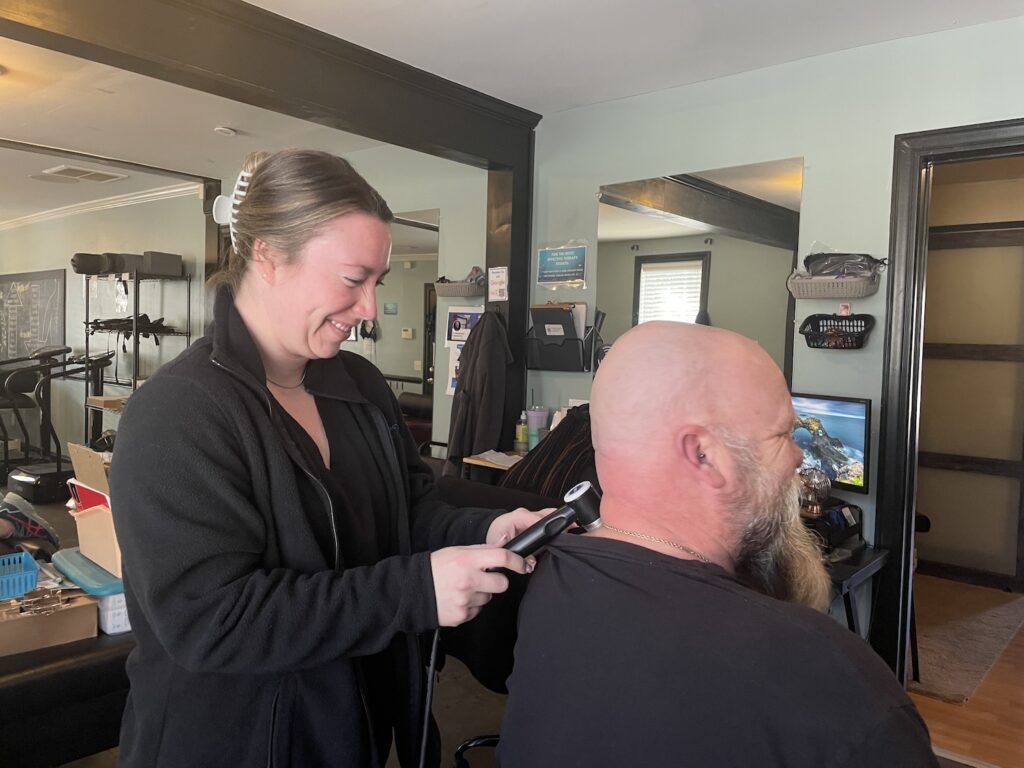
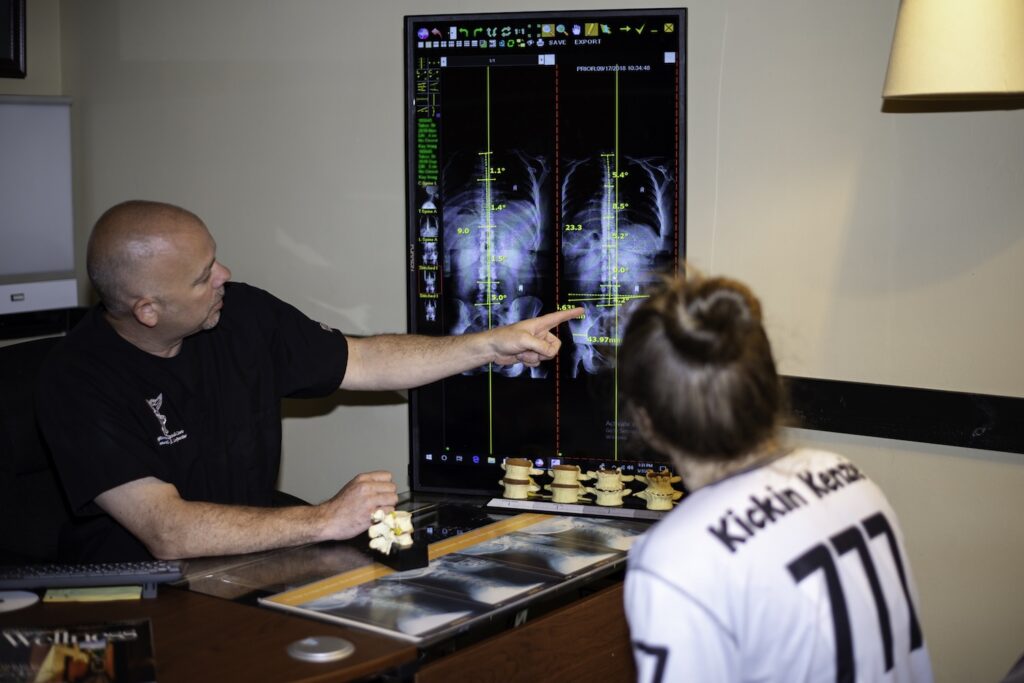
Revitalizing your sports recovery journey goes beyond simply taking a break; it’s about fine-tuning your entire routine for optimal healing. As a local chiropractor, I want to emphasize the importance of understanding how nutrition, hydration, and quality sleep work together to enhance your athletic performance. By incorporating strategic recovery techniques, such as chiropractic adjustments, you can promote muscle repair, alleviate pain, and prevent fatigue. Are you interested in learning how to customize these approaches to meet your specific needs? Let’s delve into the essential elements that can elevate your recovery experience and support your overall well-being.
Understanding the Importance of Recovery
As a local chiropractor, I want to emphasize the critical role recovery plays in your overall health and wellness, especially if you’re active or involved in sports. Many people focus solely on training and performance, but understanding recovery is key to achieving long-term success in any physical activity.
Recovery isn’t simply about taking time off; it’s an essential component of your health routine. When you allow your body to recover, it goes through a natural process of repair and strengthening. This is crucial for maintaining optimal performance and preventing fatigue, which can lead to decreased effectiveness and even injuries.
Ignoring the importance of recovery can have significant consequences for your body. Incorporating rest days into your weekly schedule is vital. It helps you avoid burnout and keeps your motivation high. Additionally, active recovery methods—such as light exercises or gentle stretching—can improve blood circulation and alleviate muscle soreness.
It’s also important to listen to your body; if you’re feeling exhausted, it’s perfectly okay to take a break. Another key aspect of recovery is quality sleep, which is essential for both physical and mental performance. The benefits of restful sleep can’t be overstated; it directly impacts your ability to recover and perform well.
Nutritional Strategies for Optimal Recovery
As a local chiropractor, I want to emphasize the importance of nutrition in your recovery process after intense workouts or sports activities. It’s essential to fuel your body with the right nutrients to promote healing and restore balance.
After exercising, aim to enjoy a balanced meal that’s rich in carbohydrates and protein within 30 minutes. This is crucial for replenishing glycogen stores and aiding in muscle tissue repair. A good rule of thumb is to maintain a carbohydrate-to-protein ratio of about 3:1. Simple options could be whole grain toast with peanut butter or a smoothie packed with fruit and yogurt.
Don’t overlook the significance of healthy fats in your diet! Incorporating sources such as avocados or nuts can greatly support your overall recovery process.
Throughout your day, it’s beneficial to maintain a steady intake of vitamins and minerals by including a variety of fruits and vegetables in your meals. These foods are loaded with antioxidants that help reduce inflammation and promote healing, which is particularly important for those of us involved in physical activities.
Lastly, consider the timing of your meals. Eating smaller, more frequent meals can help keep your energy levels stable and support muscle repair more effectively.
The Role of Hydration in Sports Recovery
As a local chiropractor, I want to emphasize the critical role that hydration plays in your recovery after intense workouts and sports activities. Many people don’t realize that when you exercise, your body loses fluids through sweat, and it’s essential to replace those fluids for optimal recovery.
Proper hydration is key to restoring your body’s electrolyte balance, which is vital for muscle function and can help prevent painful cramps. When you drink water or electrolyte-rich beverages after your workouts, you’re not just quenching your thirst; you’re aiding in the transport of nutrients throughout your body.
This ensures that your muscles receive the necessary vitamins and minerals they need to recover effectively. Staying hydrated can also diminish feelings of fatigue and soreness, allowing you to bounce back more quickly for your next physical activity.
It’s important not to wait until you feel thirsty to hydrate. I recommend drinking water consistently throughout the day. Additionally, consider including hydrating foods like fruits and vegetables in your diet, as they can significantly contribute to your overall hydration levels.
Incorporating Mindfulness and Mental Recovery Techniques
As a local chiropractor, I want to emphasize the importance of not only physical recovery but also mental well-being in your healing journey. After ensuring that your body is well-hydrated, it’s vital to shift our focus to the mental aspect of recovery, which can significantly enhance your overall health.
I encourage you to take a few minutes each day to practice mindfulness techniques such as deep breathing or meditation. These practices can help calm your mind, reduce stress, and foster a deeper connection with your body, which is essential for effective healing.
Another powerful tool is visualization. Imagine yourself successfully completing your next training session or competition. This mental exercise can boost your confidence and prepare you for the challenges ahead, reinforcing the mind-body connection that chiropractic care promotes.
Additionally, journaling about your training experiences can be incredibly beneficial. It allows you to reflect on your mental state and gain insights into areas where you can improve, enhancing your overall recovery process.
Lastly, I can’t stress enough the power of gratitude. Taking time to reflect on what you’re thankful for can shift your focus from stress to positivity, which is crucial for building mental resilience.
The Benefits of Proper Sleep for Athletes
As a local chiropractor dedicated to your overall well-being, I want to emphasize an often-overlooked aspect of athletic performance: the importance of proper sleep. While you may be focusing on training and nutrition, quality sleep plays a crucial role in enhancing your athletic capabilities. It’s vital for muscle recovery, hormone balance, and cognitive function.
When you sleep, your body engages in essential repair processes, including muscle building and replenishing energy stores. This recovery phase isn’t just a luxury; it’s a necessity that helps you recover stronger for your next workout or event.
On the flip side, insufficient sleep can negatively impact your focus, slow down your reaction times, and elevate your risk of injuries. You may struggle with motivation and find it challenging to train effectively.
By prioritizing sleep, you not only improve your physical recovery but also boost your mental clarity, allowing you to strategize and perform at your best.
I recommend aiming for 7-9 hours of quality sleep each night. Establish a calming bedtime routine and reduce screen time before bed to help your body wind down.
Advanced Recovery Techniques: From Cryotherapy to Massage
When it comes to optimizing your recovery, understanding advanced techniques can significantly benefit your overall performance and well-being. One method that has gained popularity is cryotherapy. This process involves exposing your body to extremely cold temperatures, which can help reduce inflammation and accelerate muscle recovery. Many athletes and fitness enthusiasts have found cryotherapy to be invigorating and effective in enhancing their performance.
Another valuable approach is massage therapy. Regular massages can alleviate muscle tension and improve circulation, which promotes faster healing. Whether you’re interested in deep tissue or sports massage, working with a skilled therapist can greatly enhance your recovery experience.
Additionally, you might explore contrast baths, where you alternate between hot and cold water. This technique stimulates blood flow and can help reduce soreness after intense physical activity. Incorporating these advanced recovery methods into your routine can help you recover more efficiently, allowing you to maintain peak performance.
As a local chiropractor, I encourage you to consider these natural healing techniques as part of your recovery regimen. They can unlock your full athletic potential and support your overall health.
Creating a Personalized Recovery Plan
As a local chiropractor, I want to help you understand how to create an effective personalized recovery plan that aligns with your individual needs and goals. The first step is to assess your activity level, injury history, and personal preferences for recovery.
For example, do you enjoy active recovery methods like yoga, or do you prefer the soothing effects of passive techniques such as massage? Identifying what resonates with you is crucial.
Once you have a clear understanding of your preferences, it’s time to set realistic goals. Are you looking to enhance your flexibility, alleviate soreness, or boost your overall performance? By establishing specific objectives, you can tailor your recovery plan more effectively.
Incorporating a variety of recovery strategies is key to your success. As a chiropractor, I often recommend a blend of hydration, balanced nutrition, stretching, and dedicated rest days—each adjusted to fit your unique schedule.
It’s important to keep track of your progress; being adaptable and willing to modify your plan based on what works best for you is essential for optimal recovery.
If you ever feel uncertain about your approach, don’t hesitate to consult with professionals like myself. Chiropractors can offer valuable insights and guidance to refine your recovery strategy and address any underlying issues that may be hindering your progress.
Conclusion
As a local chiropractor, I want to share how you can revitalize your sports recovery journey through natural healing methods. Prioritizing balanced nutrition and proper hydration is essential for your recovery, but integrating mindfulness practices can also significantly enhance your overall well-being.
Active recovery techniques, such as gentle stretching and mobility exercises, are crucial in promoting muscle repair and improving performance. Don’t overlook the benefits of quality sleep; it plays a vital role in your body’s recovery process. Additionally, advanced techniques like cryotherapy can offer significant relief and recovery benefits.
It’s important to personalize your recovery plan to meet your unique needs. If you’re unsure where to start, seeking guidance from a chiropractic professional can be incredibly beneficial. Together, we can develop a tailored approach that supports your athletic performance and overall health. Begin your journey to better recovery today, and experience the positive impact on your physical well-being!