When you're grappling with chronic back pain, the choices can feel overwhelming. You might find yourself weighing the benefits of non-invasive solutions against more traditional treatment options like surgery or medication. Non-invasive strategies, such as physical therapy, acupuncture, and lifestyle changes, can offer significant relief without the risks associated with invasive procedures. But how do these methods stack up regarding effectiveness? Understanding the nuances of each approach could be key to your journey toward lasting relief, and it might just change how you think about managing your pain.
Understanding Chronic Back Pain
Chronic back pain affects millions of people, and understanding its complexities is vital for finding effective relief. You might think of chronic back pain as simply a physical ailment, but it often involves a blend of physical, emotional, and psychological factors. Recognizing this multifaceted nature can help you take a more holistic approach to your pain management.
First, consider the potential causes. Chronic back pain can stem from a variety of issues, such as poor posture, muscular imbalances, or even underlying medical conditions like arthritis or herniated discs. You'll want to pay attention to how your lifestyle, work habits, and even stress levels contribute to your discomfort.
Next, it's important to acknowledge how your mental state can influence your perception of pain. Factors like anxiety, depression, and stress may amplify your experience of back pain, making it feel even more debilitating. Understanding this connection allows you to address not just the physical symptoms but also the emotional components of your pain.
Finally, remember that chronic back pain can greatly impact your daily life, affecting everything from work to social activities. By recognizing the complexities involved, you empower yourself to explore various non-invasive solutions tailored to your unique situation.
This proactive mindset can lead to a more effective and thorough approach to managing your chronic back pain, paving the way for a better quality of life.
Traditional Treatment Options
When seeking relief from chronic back pain, many individuals turn to traditional treatment options that have stood the test of time. These methods often include over-the-counter medications, physical therapy, and sometimes more invasive procedures like injections or surgery.
You might start with non-prescription pain relievers such as ibuprofen or acetaminophen. These can help reduce inflammation and alleviate pain, offering immediate relief for some. If over-the-counter options aren't enough, your doctor may prescribe stronger medications or recommend muscle relaxants to ease tension in your back.
Physical therapy plays an essential role in traditional treatment. A skilled therapist can design a personalized exercise program to strengthen your back muscles, improve flexibility, and promote better posture. These exercises not only help relieve pain but also aim to prevent future episodes.
In more severe cases, you might consider corticosteroid injections. These injections deliver anti-inflammatory medication directly into the affected area, providing temporary relief from pain and swelling. However, they're usually a short-term solution and not meant for long-term management.
Surgery is also an option for those who haven't found relief through other means. Procedures like discectomy or spinal fusion can address specific structural problems in the spine, but they come with risks and should be considered only after exhausting other treatments.
Ultimately, traditional treatment options can provide significant relief for many individuals suffering from chronic back pain, helping you regain mobility and improve your quality of life.
Overview of Non-Invasive Solutions
Exploring non-invasive solutions can provide effective relief for back pain without the risks associated with more traditional methods. These solutions prioritize your well-being while minimizing potential side effects.
You'll find various approaches that can help alleviate your discomfort and improve your quality of life.
One popular option is lifestyle modifications. Simple changes, like improving your posture, incorporating regular exercise, and maintaining a healthy weight, can greatly impact your back health.
You might also consider ergonomic adjustments in your workspace to reduce strain on your back.
Another avenue to explore is complementary therapies. Practices such as acupuncture, chiropractic care, and massage therapy can help relieve tension and promote healing.
These therapies focus on addressing the underlying issues contributing to your pain, rather than just masking symptoms.
Mind-body techniques are also worth considering. Methods like yoga, meditation, and tai chi can enhance your overall well-being while helping you manage pain.
They promote relaxation and strengthen your body, which can be beneficial for long-term relief.
Lastly, you can look into topical treatments and over-the-counter medications. Creams, gels, or patches containing anti-inflammatory or analgesic ingredients may provide localized relief without the need for more invasive treatments.
Physical Therapy Benefits
Physical therapy offers a powerful pathway to relief and recovery from back pain. When you engage in a personalized physical therapy program, you're not just addressing the symptoms; you're tackling the root causes of your discomfort. A skilled physical therapist will assess your condition, identify movement limitations, and develop a tailored plan that includes specific exercises designed to strengthen your muscles and improve flexibility.
One of the biggest benefits of physical therapy is that it empowers you. You'll learn how to manage your pain through targeted exercises and techniques, enabling you to take control of your recovery. This proactive approach helps reduce reliance on pain medications, which can have unwanted side effects.
Additionally, physical therapy focuses on educating you about your body. Understanding proper posture, body mechanics, and ergonomics can greatly impact your daily activities. You'll discover how to make adjustments in your work and home environments, which can prevent future episodes of pain.
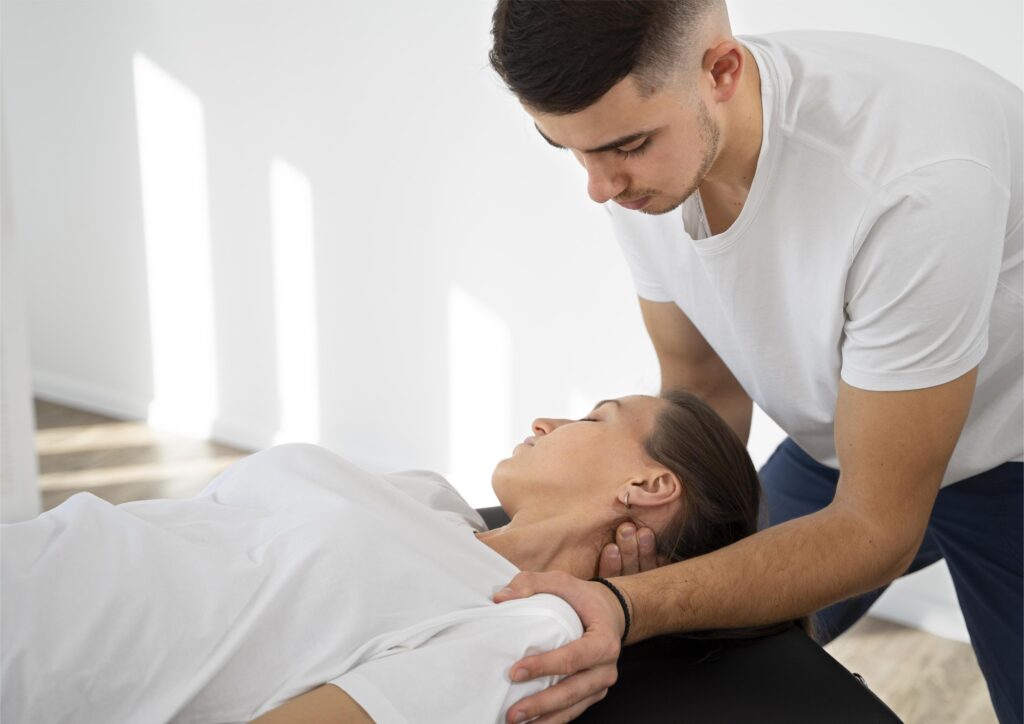
Another advantage is the hands-on treatment you receive. Manual therapy techniques can alleviate tightness in your muscles and joints, enhancing your overall mobility. Your therapist may also incorporate modalities such as heat, cold, or electrical stimulation to further aid in your recovery.
Ultimately, physical therapy offers a holistic approach to managing chronic back pain. By focusing on strengthening, education, and hands-on treatment, you can experience considerable improvements in your quality of life.
Embrace this journey, and you'll likely find the relief and confidence you've been searching for.
The Role of Acupuncture
Harnessing the ancient practice of acupuncture can provide significant relief for chronic back pain. This holistic approach focuses on stimulating specific points on your body, promoting natural healing and restoring balance. By inserting fine needles into these points, acupuncture helps release endorphins, which are your body's natural painkillers, and reduces inflammation.
You might find that acupuncture not only alleviates your pain but also enhances your overall well-being. Many individuals report improved sleep, reduced stress, and increased mobility following their treatments. The process itself is often relaxing, allowing you to unwind as the practitioner works on your specific pain points.
Incorporating acupuncture into your pain management strategy can complement other non-invasive solutions like physical therapy or chiropractic care. You'll want to consult with a qualified acupuncturist who understands your specific back pain issues and can tailor the treatment to your needs.
It's crucial to communicate openly about your symptoms and any previous treatments you've tried. While results can vary, many patients see improvements after just a few sessions. It's important to maintain realistic expectations and commit to a series of treatments for the best results.
As you explore acupuncture, remember to listen to your body and monitor how you feel after each session. This ancient method could serve as a valuable tool in your quest for chronic back pain relief, helping you reclaim your quality of life.
Lifestyle Changes for Relief
Making lifestyle changes can greatly enhance your efforts in managing chronic back pain. By incorporating simple yet effective adjustments into your daily routine, you can experience significant relief.
Start by evaluating your posture. Whether you're sitting at a desk or lifting objects, maintaining proper alignment can help alleviate strain on your back.
Regular exercise is another vital component. Aim for low-impact activities like swimming, walking, or yoga. These exercises strengthen the muscles supporting your spine and improve flexibility, reducing the risk of injury. Just remember to consult with a healthcare professional before starting any new exercise regimen.
Another important change involves your weight. Maintaining a healthy weight can reduce excess pressure on your back. If you're carrying extra pounds, consider adopting a balanced diet rich in whole foods, fruits, and vegetables. Staying hydrated is equally important, as it helps keep your discs healthy and functioning properly.
Additionally, pay attention to your sleep habits. Confirm you have a supportive mattress and pillow that promote a neutral spine position. Establishing a consistent sleep schedule can also improve overall rest and recovery.
Lastly, manage stress effectively. Techniques like mindfulness, meditation, or deep-breathing exercises can lower tension in your body, which may contribute to pain relief.
Comparing Effectiveness of Treatments
When you're exploring non-invasive treatments for chronic back pain, it's crucial to compare their effectiveness.
You'll find various options, each with unique mechanisms of relief and differing long-term outcomes.
Understanding these factors can help you make informed decisions about your pain management journey.
Treatment Options Overview
Chronic back pain often feels like an uninvited guest that overstays its welcome, making daily activities challenging. You might find yourself exploring various treatment options, each with its own effectiveness. Understanding these can help you make informed decisions about your relief journey.
Here are three common non-invasive treatments worth considering:
- Physical Therapy: Tailored exercises can strengthen your back muscles and improve flexibility, often leading to significant pain reduction.
- Chiropractic Care: Regular spinal adjustments may help align your spine and relieve pressure on nerves, offering immediate relief for some individuals.
- Acupuncture: This ancient practice uses fine needles to stimulate specific points in your body, potentially reducing pain and promoting healing.
While these options have varying degrees of success, they often work best in combination.
What's essential is finding the right approach that suits your unique situation. You'll want to consult with healthcare professionals to develop a thorough plan that addresses your specific needs.
Mechanisms of Relief
Understanding the mechanisms behind various non-invasive treatments can help you determine which option may offer the most relief for your back pain. Each treatment works differently, targeting specific pain pathways and symptoms.
For instance, physical therapy focuses on strengthening muscles and improving flexibility, which can alleviate strain on your spine and reduce discomfort.
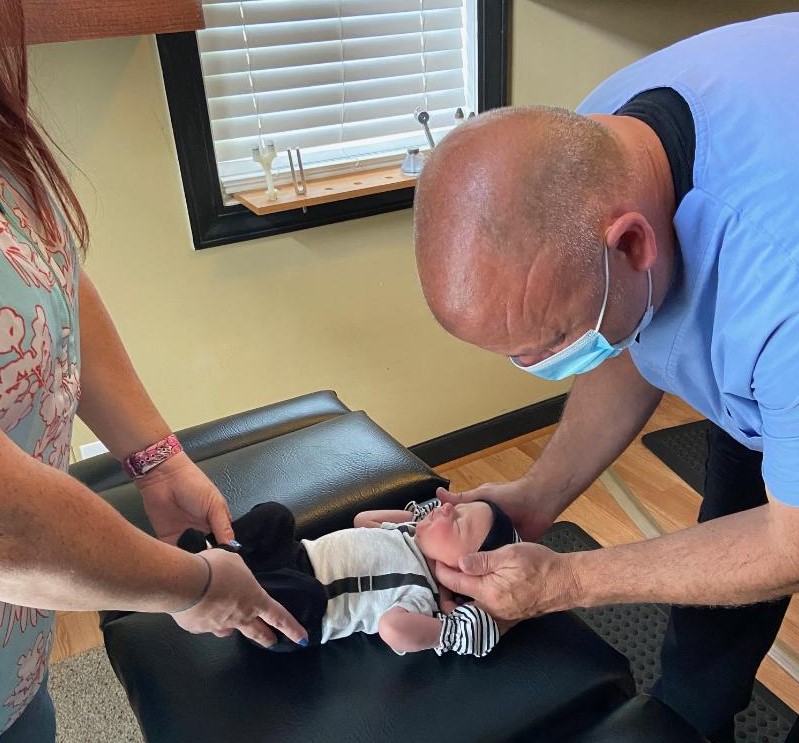
Chiropractic care aims to realign the spine, promoting proper function and reducing nerve irritation. This technique can enhance mobility and restore balance to your body's mechanics.
On the other hand, acupuncture stimulates specific points on your body, releasing endorphins and promoting natural pain relief. This method can also improve blood flow, helping to reduce inflammation.
Massage therapy focuses on relaxing tense muscles and improving circulation, which can alleviate pain and promote healing.
Additionally, modalities like heat and cold therapy can provide immediate relief by easing inflammation and improving blood flow to affected areas.
Long-Term Outcomes Comparison
Evaluating the long-term outcomes of non-invasive treatments for back pain is essential for making informed decisions about your care.
When examining different approaches, it's important to understand how effective they're over time. Non-invasive solutions like physical therapy, chiropractic care, and acupuncture often yield varying results for individuals.
Here are a few key points to keep in mind:
- Sustainability of Relief: Some treatments may provide immediate relief but lack long-lasting effects, while others build strength and flexibility over time.
- Frequency of Recurrence: Investigate how often patients experience a return of pain after treatment and whether they require ongoing sessions.
- Quality of Life Improvements: Look at how each treatment impacts daily activities, emotional well-being, and overall mobility.
Making Informed Choices
When it comes to managing chronic back pain, making informed choices is essential for your well-being. You need to understand the various non-invasive options available to you. This knowledge empowers you to select treatments that align with your lifestyle and preferences.
Start by researching the different types of therapies, such as physical therapy, chiropractic care, acupuncture, and mindfulness practices. Each of these solutions has its strengths and weaknesses, so it's vital to explore them thoroughly.
Consulting with healthcare professionals can provide you with valuable insights. They can guide you on which options might be most effective based on your specific condition. Don't hesitate to ask questions about the benefits, potential side effects, and expected outcomes of each treatment. This dialogue can help you weigh the pros and cons effectively.
It's also important to reflect on your personal goals. Are you looking for immediate relief, long-term management, or improved mobility? Your priorities will influence your choice of treatment. Additionally, think about how each option fits into your daily routine and commitments.
Lastly, don't rush into any decision. Take your time to evaluate how each treatment aligns with your needs. Keep in mind that what works for one person mightn't work for you.
Conclusion
To sum up, managing chronic back pain doesn't have to mean invasive procedures or medication. By exploring non-invasive solutions like physical therapy, acupuncture, and lifestyle changes, you can take control of your pain and improve your overall well-being. Each option offers unique benefits, so it's crucial to find what works best for you. By prioritizing these approaches, you can pave the way for a healthier, more comfortable life while minimizing the risks associated with traditional treatments.