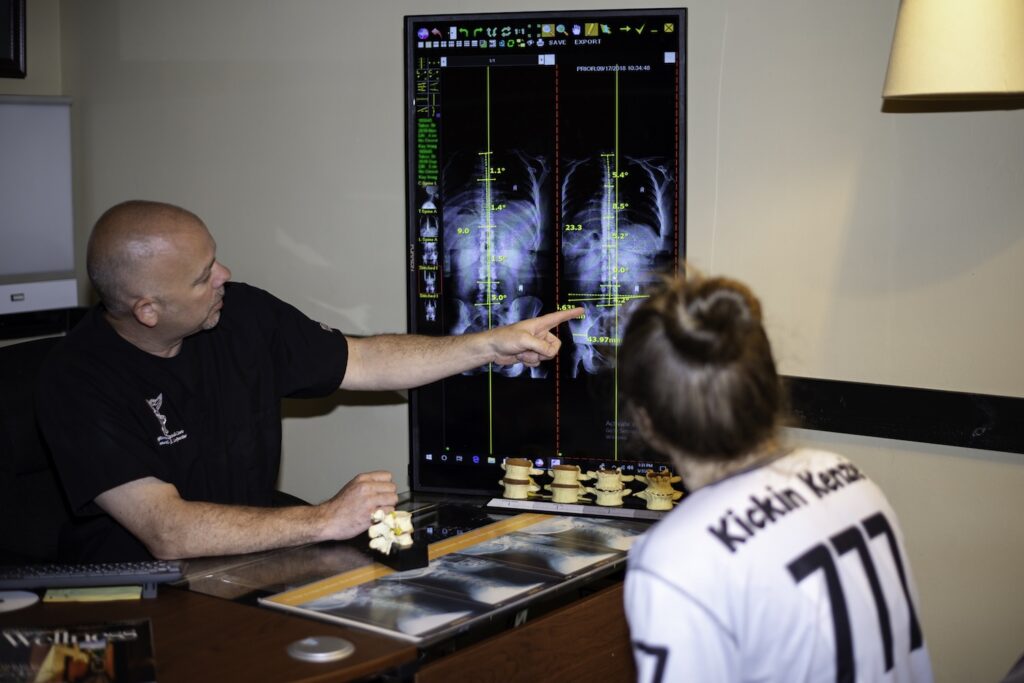
As a local chiropractor, I want to shed light on a common issue many athletes experience: sports-related back pain. It’s important to know that you’re not alone in facing this challenge. Fortunately, there are natural and holistic ways to manage and alleviate your discomfort without relying solely on medication.
Understanding the underlying causes of your back pain is crucial. It could stem from improper posture, muscle imbalances, or even previous injuries. By recognizing these factors, we can work together to create a tailored approach to your recovery.
Incorporating effective strategies into your routine can significantly enhance your performance and overall well-being. Simple practices, such as proper warm-ups before engaging in athletic activities, play a vital role in preventing injuries. Additionally, specific exercises aimed at strengthening your back and core can create a more stable foundation for your body.
Chiropractic care focuses on the alignment of your spine and the overall health of your musculoskeletal system. Regular adjustments can help restore proper function, alleviate pain, and promote healing. By exploring these natural methods, you can take control of your recovery journey and return to the activities you love with confidence. Let’s work together to uncover how these practices can positively impact your sporting experience and daily life.
Understanding the Causes of Sports-Related Back Pain
As a local chiropractor, I want to share some valuable insights into the causes of sports-related back pain, which can help you take proactive steps to prevent it. Many factors can contribute to this common issue, and understanding them is key to maintaining your health and well-being.
First, poor posture during physical activities can put a strain on your back muscles, leading to discomfort. It’s essential to be mindful of your body alignment while engaging in sports.
Overexertion is another significant factor; when you push yourself too hard without proper conditioning, you risk injuring your back.
Additionally, having inadequate core strength can leave your back vulnerable, as your core muscles play a crucial role in supporting your spine. Strengthening these muscles can help alleviate stress on your back.
Injuries from falls or collisions are also common culprits of back pain, particularly in high-impact sports.
Repetitive movements, such as swinging a racket or throwing a ball, can create muscle imbalances over time, which can lead to chronic pain if not addressed.
Lastly, using improper equipment, like ill-fitting shoes or gear, can worsen back issues. It’s important to ensure that you have the right equipment to support your body during activities.
By recognizing these causes, you can make informed adjustments to your training and techniques.
If you ever experience back pain, chiropractic care offers natural healing options that can help you restore balance and function to your body.
Taking these steps can significantly reduce your risk of back pain, allowing you to enjoy your favorite sports and activities with confidence.
The Importance of Proper Warm-up and Cool-down
As a local chiropractor, I want to emphasize the critical role that warming up and cooling down play in your overall health and athletic performance. Before you engage in any physical activity, it’s vital to warm up your body. This process helps to prepare your muscles and joints, reducing the risk of injuries that can set you back.
Equally important is the cool-down phase after your activity. Taking the time to cool down allows your muscles to recover more effectively and can significantly lessen post-exercise soreness.
Incorporating these practices into your routine not only enhances your physical performance but also supports your body’s natural healing processes.
Let’s delve deeper into the benefits of proper warm-up and cool-down techniques, and how they can keep you active and enjoying your favorite activities for longer. Your body will thank you for it!
Benefits of Warm-up
As a local chiropractor, I want to emphasize the importance of a proper warm-up for your overall health and performance, especially if you’re engaging in physical activities. Warming up isn’t just about preparing your muscles; it’s a crucial step in reducing the risk of injuries and ensuring your body functions optimally.
By gradually increasing your heart rate and enhancing blood flow to your muscles, you prepare your body for the physical demands ahead. This increased circulation helps to loosen your joints and improve flexibility, which is essential for executing movements properly and safely.
Additionally, warming up activates the specific muscles you’ll be using, leading to better coordination and balance—key factors in avoiding injuries.
Moreover, a warm-up isn’t solely physical; it also mentally prepares you for your activity, boosting your focus and concentration. This mental readiness is vital in preventing injuries and enhancing your performance.
Remember, dedicating just a few minutes to a well-structured warm-up can lead to significant benefits, including minimizing the chances of sports-related back pain and keeping you active and healthy.
I encourage you to prioritize this essential routine as part of your commitment to your well-being and peak performance.
Effective Cool-down Techniques
As a local chiropractor, I want to emphasize the importance of cooling down after physical activity, just as much as you’d with warming up. Cooling down is vital for your recovery and overall well-being.
After engaging in intense exercise, I recommend taking 5 to 10 minutes to gradually lower your heart rate. Activities like slow jogging or brisk walking can help your body transition smoothly back to a resting state.
Following this, gentle stretching is crucial. Focus on areas such as your back, hips, and legs to relieve any tension and enhance your flexibility. Incorporating deep breathing during this time can aid in relaxing both your muscles and your mind, which is essential for holistic healing.
Another technique to consider is foam rolling. This can effectively target tight areas and enhance circulation, which is particularly beneficial for preventing future injuries.
Lastly, don’t forget to hydrate! Replenishing the fluids lost during exercise is key to maintaining your body’s balance.
Injury Prevention Strategies
As a local chiropractor, I want to emphasize the importance of injury prevention for anyone who participates in sports or physical activities. A crucial aspect of this is the practices of warming up and cooling down, which can significantly impact your body’s ability to perform and recover.
A proper warm-up is vital as it increases blood flow to your muscles, effectively preparing them for the demands you’re about to place on them. I recommend focusing on dynamic stretches and light aerobic exercises to enhance your flexibility and reduce the risk of injury. This prepares your body not just for activity, but also supports the alignment and function of your spine and joints, which is central to chiropractic care.
Equally important is the cooldown phase after your workout. This step helps gradually lower your heart rate and can prevent stiffness in your muscles and joints. Incorporating static stretches during this time promotes muscle recovery and maintains flexibility.
Remember, neglecting these essential steps can lead to unnecessary strain, discomfort, and even back pain.
Targeted Exercises for Strengthening the Back
As a local chiropractor, I want to share some valuable insights on how to effectively strengthen your back. It’s important to incorporate targeted exercises that focus on core stability.
These exercises not only help enhance the strength of your back but also promote better overall body mechanics, which is essential for maintaining a healthy spine.
In my practice, I emphasize the importance of a strong core because it plays a vital role in supporting your back. By integrating specific exercises designed for this purpose, you can significantly reduce the risk of back pain and potential injuries.
Moreover, I can’t stress enough the benefits of stretching techniques. Regular stretching can greatly improve your flexibility, which is crucial for maintaining a healthy range of motion and preventing injuries.
Core Stability Exercises
As a local chiropractor, I want to emphasize the importance of core stability exercises for maintaining a healthy spine and preventing back pain. Many people focus solely on cardio and strength training, but neglecting core stability can lead to imbalances and discomfort.
These exercises specifically target the muscles around your spine, which play a crucial role in improving your balance and posture.
I recommend starting with planks, as they engage your entire core, helping to stabilize your back effectively. Side planks are another excellent choice, as they focus on your obliques while ensuring proper spinal alignment.
For enhanced coordination and balance, bird-dogs are fantastic; they involve extending opposite arms and legs, promoting functional movement. Lastly, consider incorporating bridges into your routine; they not only strengthen your lower back but also activate your glutes.
By consistently integrating these core stability exercises into your daily routine, you can establish a solid foundation for your overall health, reduce your risk of injury, and enhance your performance in various activities.
Prioritizing these movements is a step towards a healthier back and a more active lifestyle. Remember, taking care of your spine is vital for your overall well-being!
Stretching Techniques Benefits
As a local chiropractor, I want to share with you the incredible benefits of incorporating stretching techniques into your daily routine for enhancing your back strength and flexibility.
Many people are unaware that targeted stretches can’t only alleviate tension but also significantly improve your range of motion. This can make daily activities and sports much more manageable and enjoyable.
When we stretch, we help to lengthen tight muscles that often contribute to back pain and discomfort. This simple practice promotes better blood circulation, which is essential for recovery and reducing stiffness in the muscles.
Regular stretching can also play a crucial role in enhancing your posture. A well-aligned spine supports your overall health and helps prevent future injuries.
Some effective stretches that I recommend include the cat-cow, child’s pose, and hamstring stretch. These simple movements can work wonders for your back health.
I encourage you to make stretching a consistent part of your workout or daily routine. Over time, you’ll likely notice improved strength and a reduction in pain.
Stretching Techniques to Alleviate Discomfort
As a local chiropractor, I want to emphasize the importance of stretching techniques in managing sports-related back pain. Regularly incorporating stretches into your routine can significantly enhance your flexibility and decrease tension in your back muscles, which is vital for overall spinal health.
One of the foundational stretches I recommend is the cat-cow pose. This involves alternating between arching and rounding your back, which encourages mobility and helps maintain a healthy spine.
Another beneficial stretch is the child’s pose; this gentle movement elongates your spine and alleviates tightness, promoting relaxation.
Additionally, don’t overlook the seated forward bend. This stretch targets your hamstrings and lower back, providing much-needed relief after physical activity.
When performing these stretches, aim to hold each position for 15-30 seconds while focusing on deep, calming breaths. I encourage you to make stretching a daily habit, particularly after intense workouts or games.
However, it’s essential to listen to your body—if you experience any pain during a stretch, please ease off.
By consistently practicing these techniques, you may notice significant improvements in your back comfort, allowing you to stay active and perform at your best.
The Role of Posture in Preventing Back Pain
As your local chiropractor, I want to emphasize the critical role that posture plays in preventing back pain. Maintaining proper alignment is essential because it helps distribute your body weight evenly, which significantly reduces the strain on your spine.
Incorporating ergonomic practices into your daily routine can make a world of difference in minimizing discomfort and promoting overall health. Simple adjustments, such as using supportive chairs or being mindful of your posture while sitting or standing, can have a positive impact.
Furthermore, engaging in specific exercises designed to strengthen your core can greatly enhance your posture. A strong core supports your spine and can lead to long-term relief from back pain.
Importance of Proper Alignment
As a local chiropractor, I want to emphasize the critical importance of proper alignment for everyone, especially athletes. Many individuals focus solely on building strength and endurance, but overlooking proper alignment can lead to persistent back pain and other issues.
When you maintain good posture, your body’s weight is evenly distributed, which significantly reduces unnecessary strain on your spine and muscles.
Whether you’re running, lifting weights, or engaging in any sport, alignment is essential for optimal performance. By keeping your spine neutral and your shoulders back, you not only minimize your risk of injury but also ensure that your movements are efficient.
I encourage you to regularly check in on your posture during training sessions; this practice can help you develop better habits over time.
Remember, it’s not just about how well you perform in the moment; it’s about how you protect your body for the long haul. Prioritizing proper alignment can help keep you active and free from nagging back pain.
As a chiropractor, I’m here to help you understand how natural healing and proper spinal alignment can enhance your overall well-being and athletic performance.
Ergonomics in Daily Activities
As a local chiropractor, I want to emphasize the importance of proper ergonomics in your daily activities to help prevent back pain. Many people are unaware that maintaining good posture while sitting, standing, or lifting can significantly reduce unnecessary strain on your spine.
When you sit, choose a chair that provides support for your lower back, and make sure your feet are flat on the ground—this simple adjustment can make a world of difference. If you’re working at a desk, it’s crucial to position your monitor at eye level to avoid hunching forward, which can lead to discomfort over time.
When it comes to lifting objects, remember to bend at your knees rather than your waist, and keep the load close to your body. This technique not only protects your back but also promotes better lifting mechanics overall.
I encourage you to be mindful of your posture throughout the day. These small changes in your daily routine can lead to significant improvements in how your back feels.
Exercises for Better Posture
As a local chiropractor, I want to emphasize the importance of good posture in preventing back pain, and how specific exercises can greatly improve your overall well-being.
Strengthening your core is crucial; I recommend incorporating exercises like planks and bridges into your routine. These exercises not only stabilize your spine but also support your upper body, which is vital for maintaining good posture.
In addition to core strength, it’s important to stretch your chest and shoulders. Exercises such as doorway stretches can help counteract the effects of slouching, promoting better alignment and reducing tension.
I also encourage practicing wall angels, which can enhance your shoulder mobility and improve your posture.
Furthermore, engaging in activities like yoga or Pilates can greatly benefit your body awareness. These practices teach you how to maintain proper alignment and connect with your body.
By regularly performing these exercises, you’ll build strength and flexibility, ultimately reducing your risk of back pain while promoting a healthier posture.
Remember, taking care of your posture is a vital aspect of your overall health. If you have any questions or need guidance, feel free to reach out.
Together, we can create a plan that supports your journey to better posture and wellness.
Incorporating Yoga for Flexibility and Relaxation
As a local chiropractor, I often emphasize the importance of incorporating yoga into your routine to enhance flexibility and promote relaxation. Yoga is an excellent practice that can significantly improve your overall flexibility, which is crucial for alleviating tension in your back and other areas of the body.
By engaging in various yoga poses, you can gently stretch and strengthen your muscles, helping to increase your range of motion. This improvement in flexibility can lead to better posture and a reduction in pain, particularly for those who may be experiencing discomfort due to muscle tightness or misalignment.
Moreover, yoga offers a pathway to relaxation through its focus on controlled movements and deep breathing techniques. Each yoga session provides an opportunity to unwind and release stress, which can be a contributing factor to back pain.
Poses such as Child’s Pose and Downward Dog are particularly effective for releasing tightness in the muscles, while restorative poses can help you achieve deep relaxation.
If you’re new to yoga, I recommend starting with a few sessions each week. Even dedicating just 15-30 minutes can yield noticeable benefits. Not only will you be enhancing your physical flexibility, but you’ll also be fostering a sense of calm and tranquility, which is essential for managing sports-related back pain naturally.
As you integrate yoga into your wellness routine, you may find that it complements your chiropractic care, leading to improved overall health and well-being.
Mindfulness and Breathing Techniques for Pain Management
As a local chiropractor, I want to share with you the benefits of incorporating mindfulness and breathing techniques into your daily routine, especially if you’re dealing with sports-related back pain.
These practices are powerful tools that can help you manage pain by keeping you grounded and reducing the emotional stress that often comes with chronic discomfort.
To start, find a quiet space where you can sit or lie down comfortably. Close your eyes and take a deep breath in through your nose, then exhale slowly through your mouth.
Focus your attention on your breath, allowing yourself to let go of any distractions around you.
As you breathe, visualize the pain in your back melting away with each exhale. This simple visualization can be incredibly effective in easing your discomfort.
You might also want to try progressive muscle relaxation, which involves tensing and then relaxing different muscle groups in your body. This technique can help release the physical tension that may be contributing to your back pain.
To enhance your practice, consider using guided mindfulness meditation apps or videos. These resources can provide valuable support as you develop your skills.
By regularly setting aside time for these mindfulness and breathing techniques, you not only promote relaxation but also empower yourself to manage your pain more effectively, especially during sports activities.
Remember, chiropractic care is all about supporting your body’s natural healing processes.
Combining these mindfulness practices with chiropractic adjustments can lead to a more holistic approach to pain management and overall well-being.
The Benefits of Massage Therapy
As a local chiropractor, I want to take a moment to highlight the incredible benefits of massage therapy, especially when it comes to managing sports-related back pain. Many of you may not be fully aware of how this natural healing method can positively impact your overall health.
By focusing on specific muscles and areas of tension, massage therapy can effectively alleviate soreness and enhance your flexibility, which is crucial for anyone engaging in physical activities.
Regular massage sessions can significantly improve blood circulation, aiding in the healing process and reducing inflammation in your back. This is particularly important for athletes who often push their bodies to the limit and may experience discomfort as a result.
Moreover, massage therapy isn’t just about physical relief; it plays a vital role in stress reduction. When you experience less stress, your body is better equipped to focus on healing and recovery. Many athletes who incorporate massage into their routine notice a boost in their performance, as it helps keep their muscles supple and ready for action.
I can’t stress enough the importance of open communication with your massage therapist. Be sure to discuss any areas of pain or specific concerns you may have. This allows them to tailor the session to your unique needs, maximizing the benefits and helping you move toward a pain-free athletic experience.
Embracing massage therapy as part of your overall wellness plan can be a significant step in enhancing your health and performance. Remember, at our chiropractic office, we’re here to support you in your journey to natural healing and optimal well-being.
Nutrition and Hydration for Muscle Health
As a local chiropractor, I want to emphasize the importance of proper nutrition and hydration for maintaining strong muscles and enhancing your athletic performance. It’s essential to focus on a balanced diet that includes lean proteins, whole grains, fruits, and vegetables. These foods provide your muscles with the vital nutrients they need to repair and grow.
Additionally, don’t overlook the importance of healthy fats from sources like avocados and nuts, which are crucial for overall energy levels.
Hydration is another key factor in muscle health. Water is necessary for transporting nutrients to your muscles and ensuring they function optimally. I recommend drinking water before, during, and after your workouts to prevent dehydration.
If you’re participating in intense training, it might be beneficial to use electrolyte-rich drinks to replace lost minerals.
Pay attention to your body’s signals; it’s great at indicating when it needs nourishment or hydration. By prioritizing these nutritional and hydration strategies, you’re not only promoting muscle health but also enhancing your overall athletic performance, which can help alleviate issues like back pain.
When to Seek Professional Help
As a local chiropractor, I want to help you understand the importance of recognizing when to seek professional help for sports-related back pain. Getting the right support can significantly enhance your recovery and improve your performance.
If you’re experiencing pain that persists for more than a few days, or if the discomfort worsens during physical activity, it’s crucial to reach out for assistance.
Furthermore, if you notice any numbness, tingling, or weakness in your legs, don’t delay in seeking help—these symptoms could signal a more serious underlying issue that requires immediate attention.
It’s also important to consider consulting a chiropractor if your pain is disrupting your daily life or affecting your sleep. Ignoring these warning signs can lead to more severe injuries or chronic problems down the line.
At our clinic, we focus on assessing your condition holistically, providing natural treatment options, and guiding you through a tailored recovery plan.
Remember, addressing your back pain early on can’t only get you back to your sport but can also make you stronger and more resilient in the long run.
Don’t hesitate to reach out to us; your health and athletic performance are our top priorities!
Conclusion
As a local chiropractor dedicated to helping you manage and prevent sports-related back pain naturally, I want to share some effective strategies that can be easily integrated into your daily routine. First and foremost, it’s crucial to prioritize warming up and cooling down properly before and after your activities. This simple step can significantly reduce the risk of injury.
In addition, engaging in strengthening exercises is key. These exercises not only support your back but also enhance your overall stability and performance. Maintaining good posture throughout your day is equally important; it can make a huge difference in how your back feels during and after physical activities.
I also encourage you to explore the benefits of mindfulness and massage therapy. These practices can provide relief and promote relaxation, helping your body to recover and perform better. Don’t forget to nourish your body with wholesome foods and stay well-hydrated, as proper nutrition plays a vital role in your overall health and recovery.
If you find that your pain persists despite these efforts, I urge you to seek professional help. Chiropractic care can be an effective part of your journey to achieving optimal back health and peak performance. Remember, your back deserves the best care possible!